
Fascial Decompression
Creating Space
Negative pressure lifts and separates skin, superficial fascia, and deep fascia — restoring gliding between layers that have become stuck.
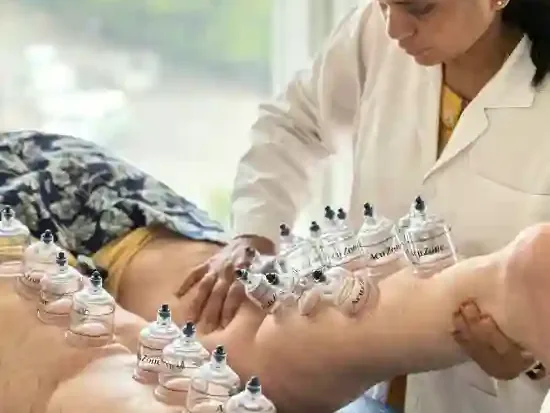
Therapeutic Cupping, or Myofascial Decompression, uses negative pressure suction to lift the skin and fascial layers. Unlike massage which compresses tissue, cupping creates space between stuck fascial layers, allowing fresh oxygenated blood to flood the area. This mechanism flushes out stagnant metabolic waste (lactate, inflammatory mediators) and promotes rapid vasodilation — excellent for increasing tissue mobility, reducing muscle tension, and accelerating recovery after intense physical activity.
Personalised, technology-driven rehabilitation in Moosapet, Hyderabad.
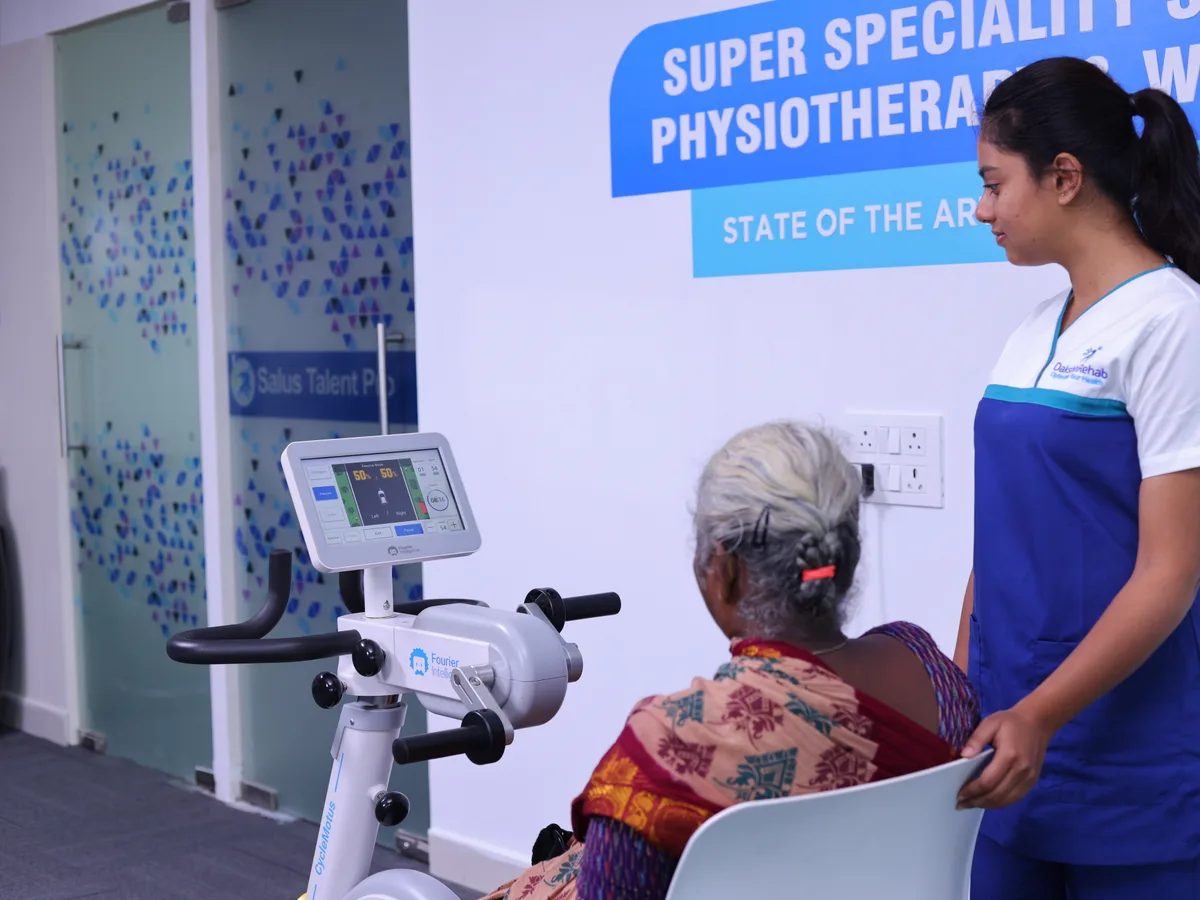
Negative pressure lifts and separates skin, superficial fascia, and deep fascia — restoring gliding between layers that have become stuck.
Vasodilation and capillary recruitment flood the treated area with oxygenated blood and healing factors, accelerating tissue repair.
Negative pressure lifts and separates skin, superficial fascia, and deep fascia — restoring gliding between layers that have become stuck.
Vasodilation and capillary recruitment flood the treated area with oxygenated blood and healing factors, accelerating tissue repair.
Enhanced blood and lymphatic flow removes lactate, inflammatory cytokines, and cellular debris from tired or injured muscles.
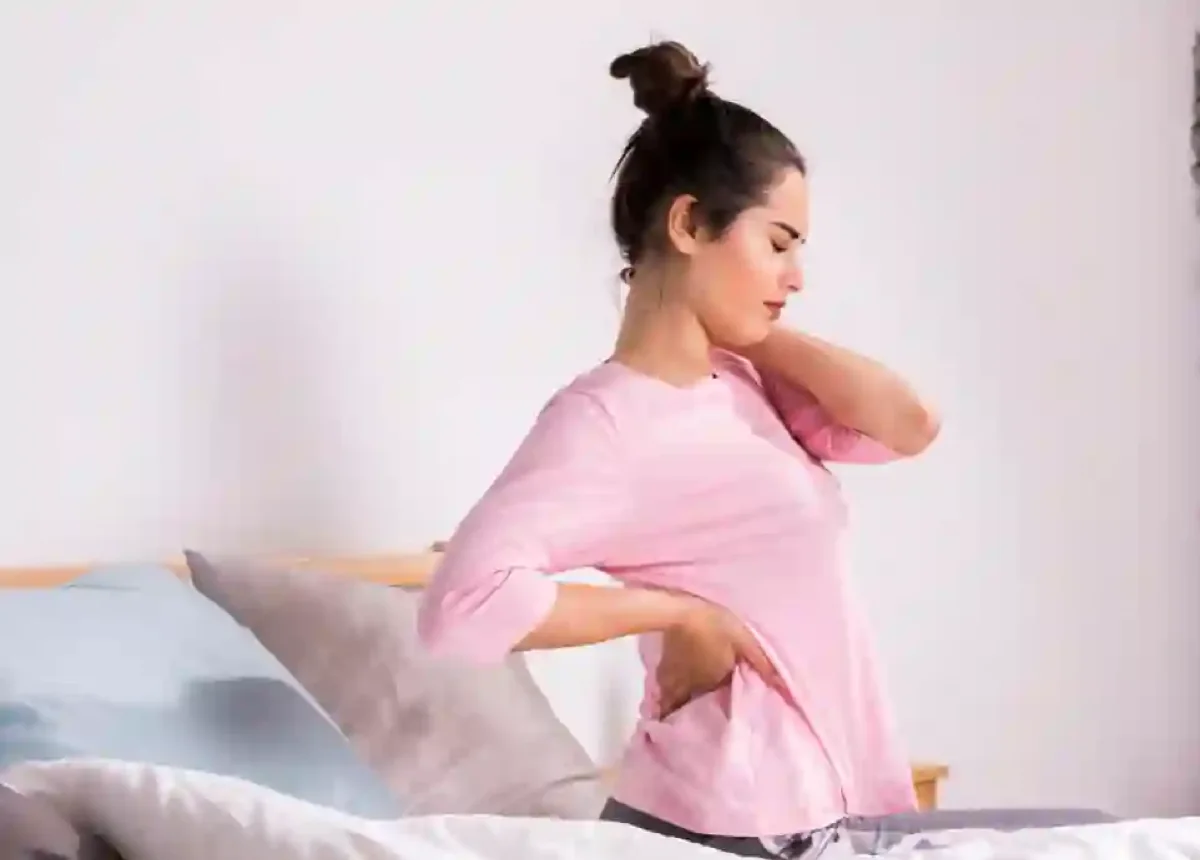 Related condition
Cupping decompresses paraspinal muscles and thoracolumbar fascia, providing immediate relief from chronic back tension and stiffness.
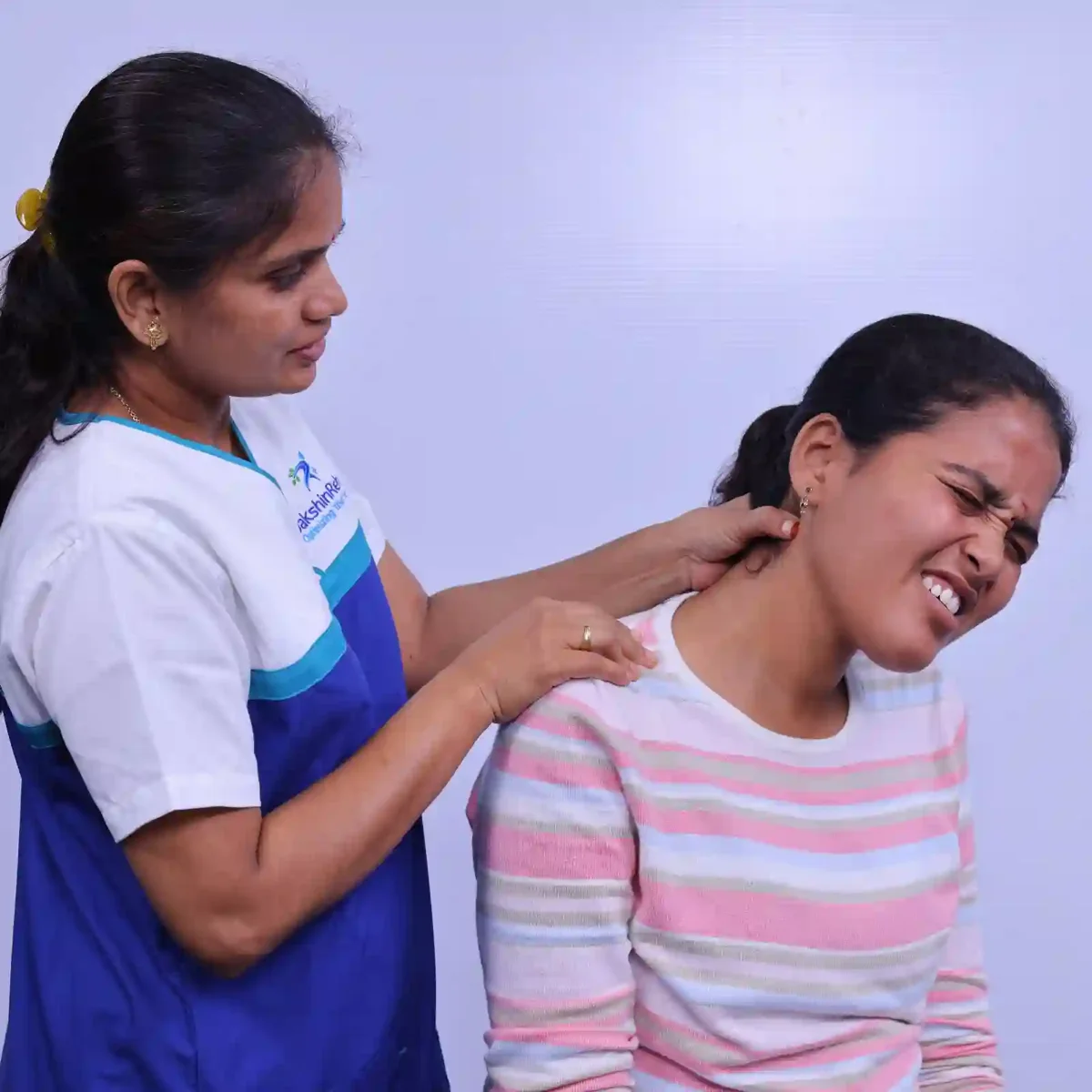 Related condition
Upper trapezius, levator scapulae, and hamstring tightness respond well to cupping's decompression and increased blood flow.
 Related condition
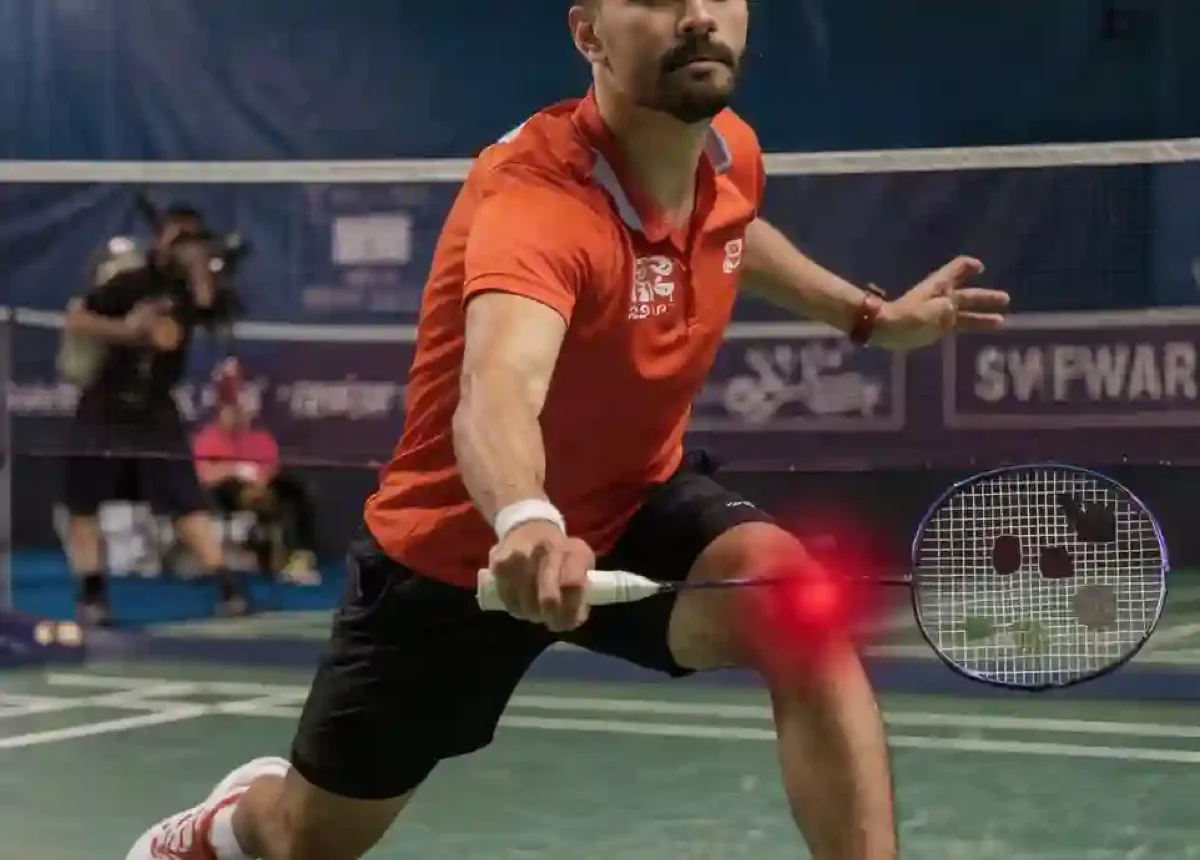
Dynamic cupping along the IT band and tensor fascia latae releases lateral thigh tension that contributes to runner's knee.
 Related condition
Athletes use cupping to reduce DOMS, clear lactate, and accelerate return to training after intense sessions.
 Related condition
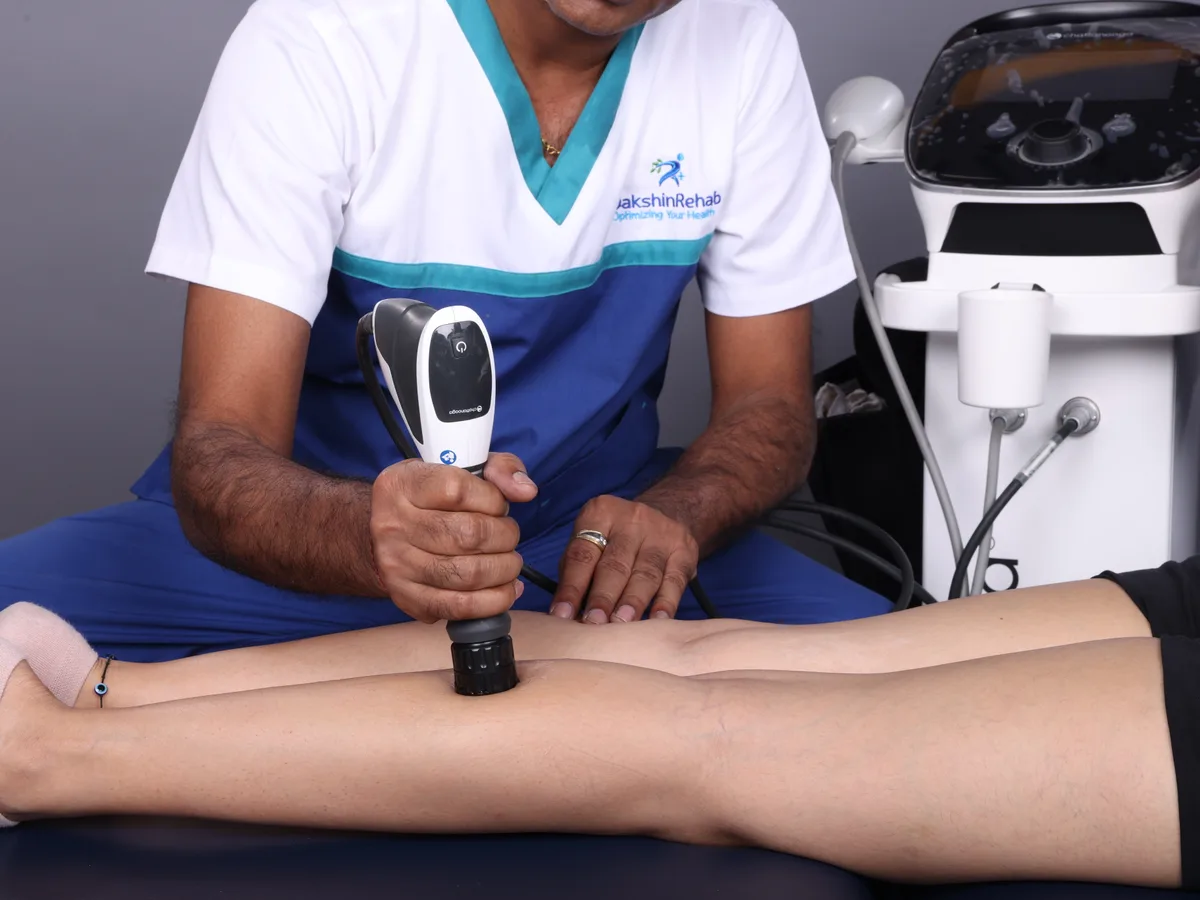
Cupping breaks adhesions between fascial layers and scar tissue, restoring mobility in post-surgical and post-injury cases.
 Related condition
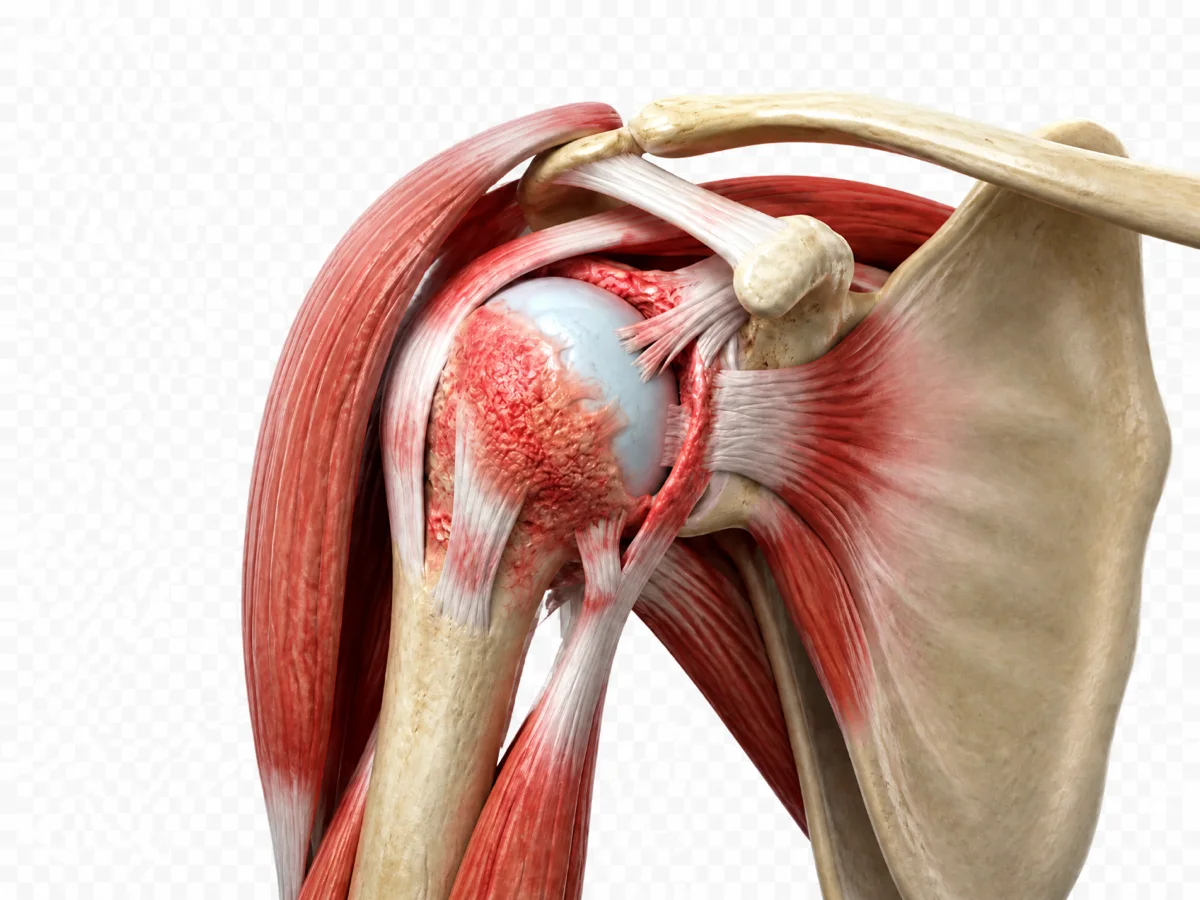
Cupping over the rotator cuff and deltoid region decompresses compressed tissue and improves shoulder range of motion.
Cupping is a safe, drug-free therapy for anyone with muscle tension, poor circulation, or chronic pain seeking natural relief.
Post-workout cupping reduces DOMS, clears metabolic waste, and accelerates recovery — allowing more frequent, higher-quality training.
Upper back, shoulder, and neck tension from prolonged sitting responds excellently to cupping's decompression and circulation boost.
When massage and stretching provide only temporary relief, cupping addresses the fascial compression and adhesion underlying persistent pain.
Cold extremities, sluggish healing, and tissue congestion improve with cupping's vasodilation and enhanced microcirculation.
Cups create a vacuum that draws skin and superficial fascia upward into the cup. This negative pressure mechanically separates adhered tissue layers, decompresses pain-sensitive structures, and triggers a local inflammatory response that stimulates healing.
Negative pressure lifts and separates skin, superficial fascia, and deep fascia — restoring gliding between layers.
Vasodilation and capillary recruitment flood the area with oxygenated blood and healing factors.
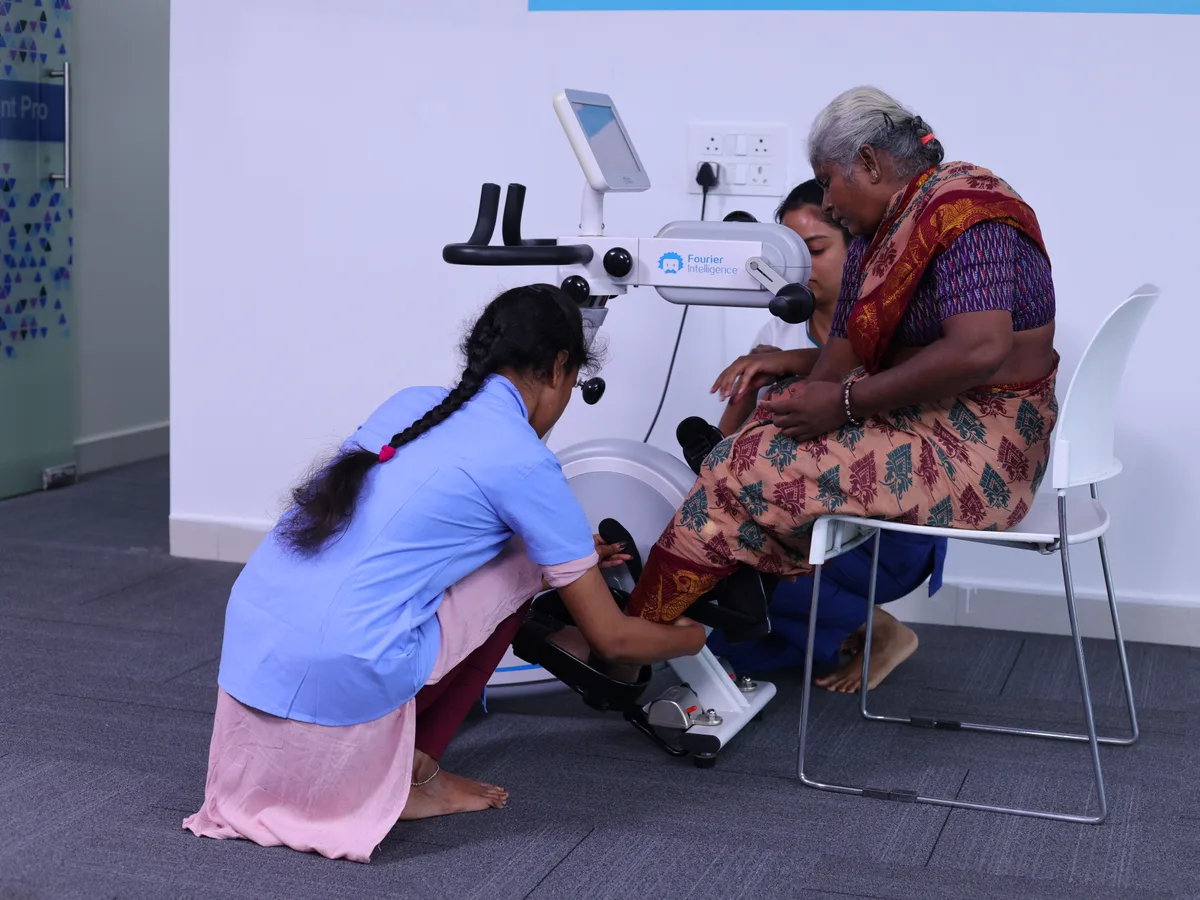 DakshinRehab clinical pathway
Enhanced blood and lymphatic flow removes lactate, inflammatory cytokines, and cellular debris from tired muscles.
Mechanical separation breaks micro-adhesions between fascial layers and scar tissue.
Clinical comparison
Massage pushes tissue together. Cupping pulls it apart. For patients with compressed, adhered fascial layers — common in chronic low back pain, IT band syndrome, and postural dysfunction — decompression is often more effective than compression. The negative pressure also draws blood to the surface, creating the characteristic circular marks that fade in 3–7 days. These marks are not bruises; they are localized extravasation indicating enhanced microcirculation.
Gate Control activation and descending inhibition from the novel sensory input reduce pain perception.
DakshinRehab in Moosapet, Hyderabad offers therapeutic cupping as part of comprehensive rehabilitation. No hospital referral needed — walk in and experience the benefits of myofascial decompression.

“Where massage pushes, cupping pulls. For tissue that is stuck, compressed, and suffocating, creating space is sometimes more therapeutic than adding pressure.”
A Cupping Session at DakshinRehab
Treatment areas mapped
Cups positioned with therapeutic suction
Tissue decompression and mobilization achieved
Session complete; aftercare advice given
Ancient technique, modern clinical application
Popular with athletes for reducing DOMS and returning to training faster.
Mechanical separation breaks fascial restrictions and scar tissue adhesions.
Immediate relaxation of tight, overactive muscles — especially effective for back and shoulders.
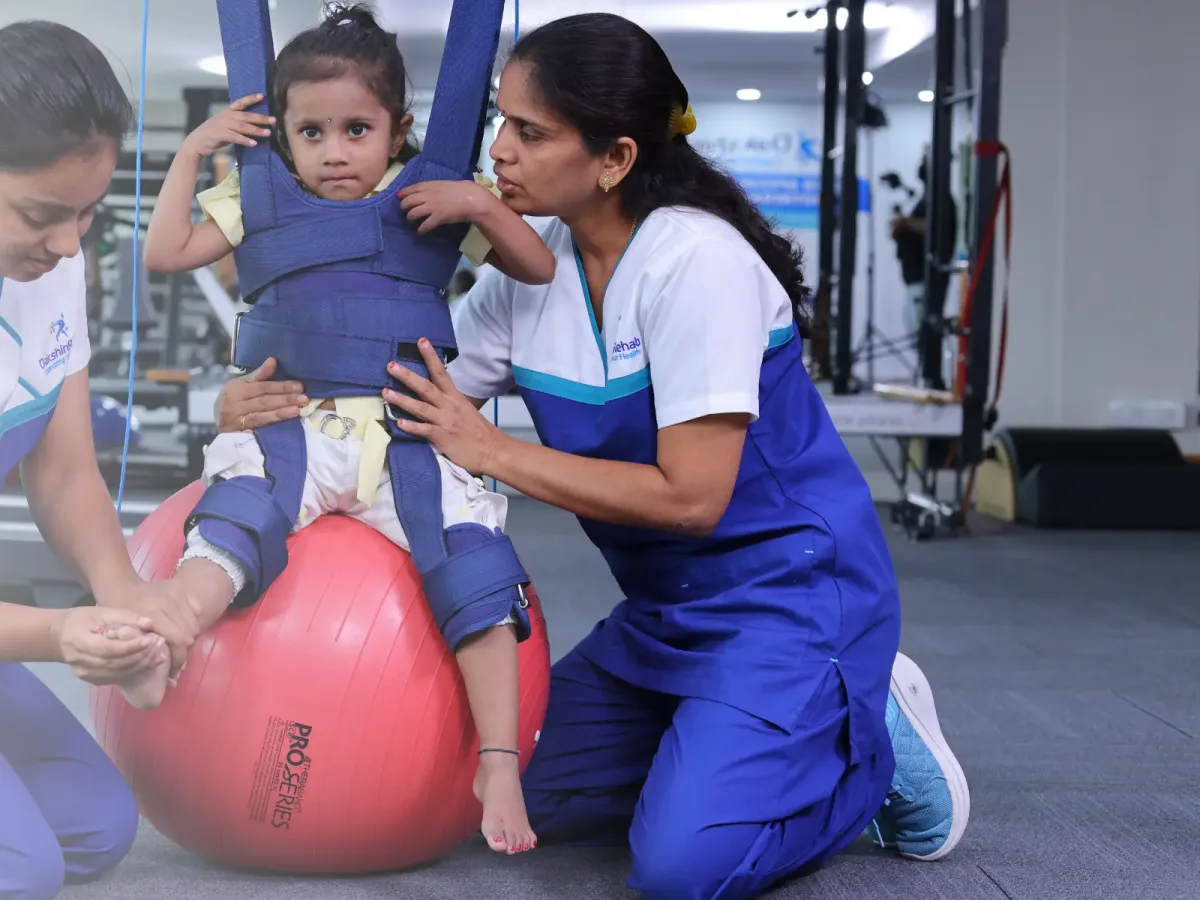
Cupping is generally safe, but certain conditions require caution or avoidance.
Bleeding disorders or anticoagulant therapy
Severe anemia
Open wounds, burns, or infected skin
Pregnancy (avoid abdomen and lower back)
Active cancer or metastasis
Thin or fragile skin (elderly, steroid use)
History of keloid scarring
Fever or acute systemic illness
Find DakshinRehab on Google Maps to read reviews shared by patients.
Our expert physiotherapists and rehabilitation specialists at DakshinRehab bring decades of combined experience to your recovery.

BPT, MPT, IAP Registered
Director, Human Movement Specialist, Physiotherapist
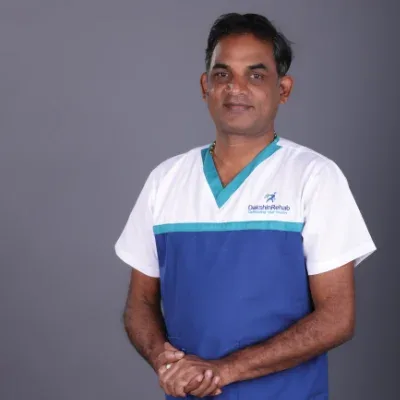
CPO
Consultant Rehabilitation Specialist, CPO | Founder, DakshinRehab

MS (General Surgery), DNB (Vascular Surgery)
Sr. Consultant Vascular & Endovascular Surgeon | Diabetic Foot & Wound Care
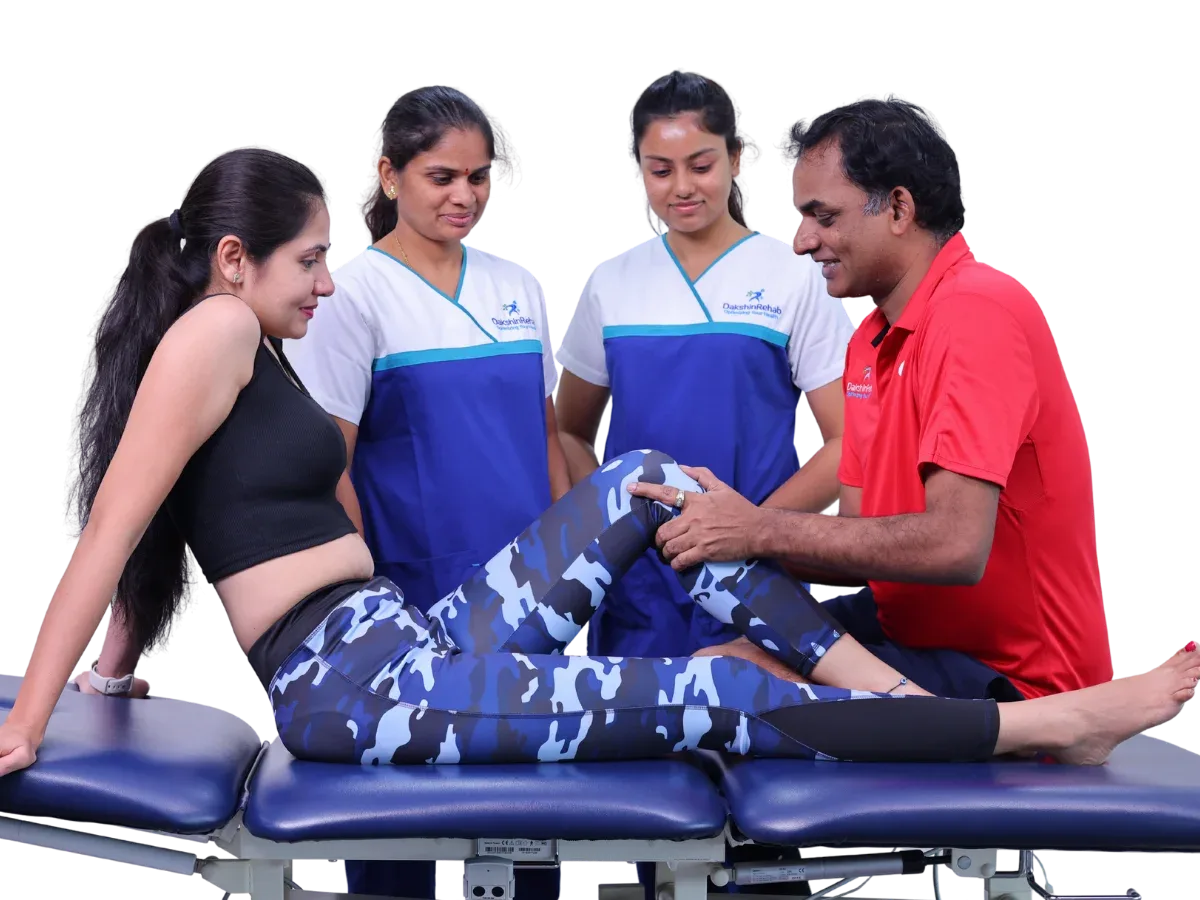
Your next step
We have treated approximately 20,000 patients. Your initial assessment is free only when you book an appointment online and attend your confirmed time slot. Treatment charges are explained before treatment begins.
Book an AppointmentHow negative pressure therapy compares to conventional pain and recovery treatments
Massage compresses tissue, which can actually increase pressure on already congested areas. Cupping decompresses tissue, creating space for blood flow and lymphatic drainage — often more effective for chronic tension.
Learn MoreHeat and ice affect only surface tissues. Cupping draws blood from deeper layers to the surface and creates mechanical separation of adhered fascia — producing deeper and more lasting effects.
Learn MorePain medications mask symptoms and carry systemic side effects. Cupping addresses the tissue dysfunction directly — improving circulation, releasing adhesions, and promoting natural healing without drugs.
Learn More