Loading...

Loading...

We utilize world-class assessment tools and therapeutic modalities to uncover the root cause of your pain and design personalized treatment plans.

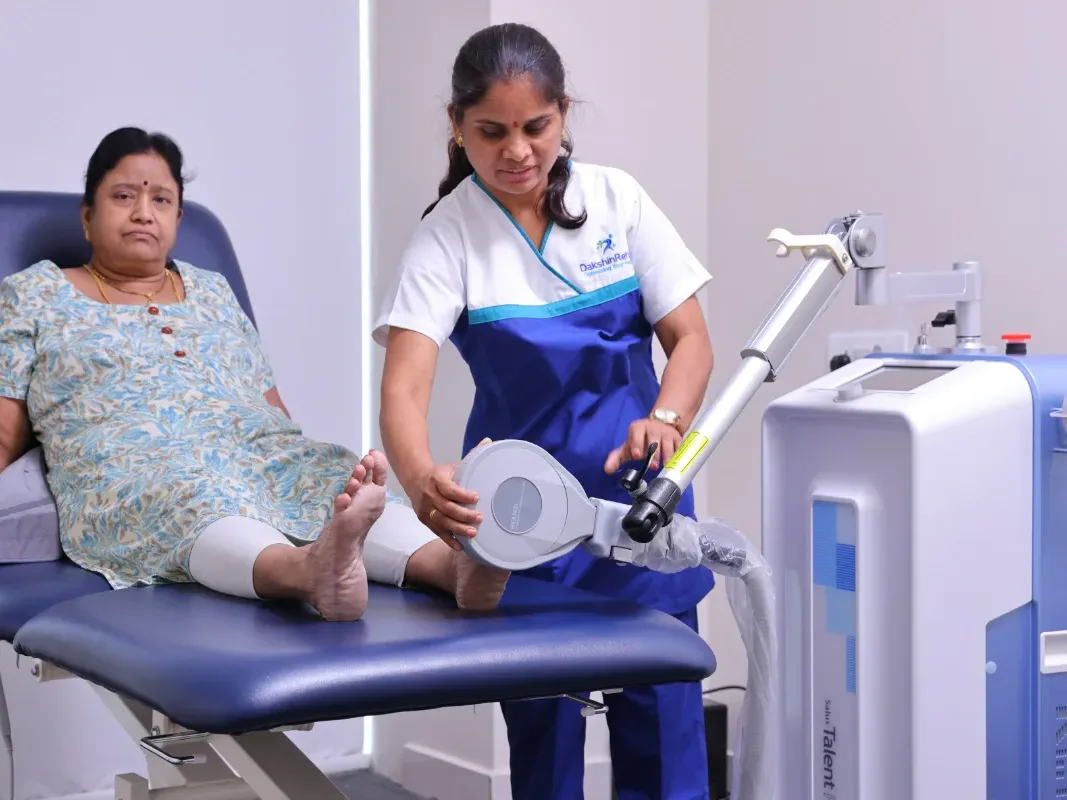
The 3 Tesla Super Inductive System (SIS) is a revolutionary high-intensity electromagnetic field therapy designed to relieve pain and promote tissue healing without direct skin contact. Generating a magnetic field of up to 3 Tesla, it penetrates deep into the neuromuscular tissue, inducing depolarization of nerves and muscles. This process effectively manages pain through the Gate Control mechanism and endogenous opioid release, while improving joint mobilization and fracture healing. It is particularly effective for neuro-rehabilitation, stimulating weakened muscles and reducing spasticity in stroke recovery.

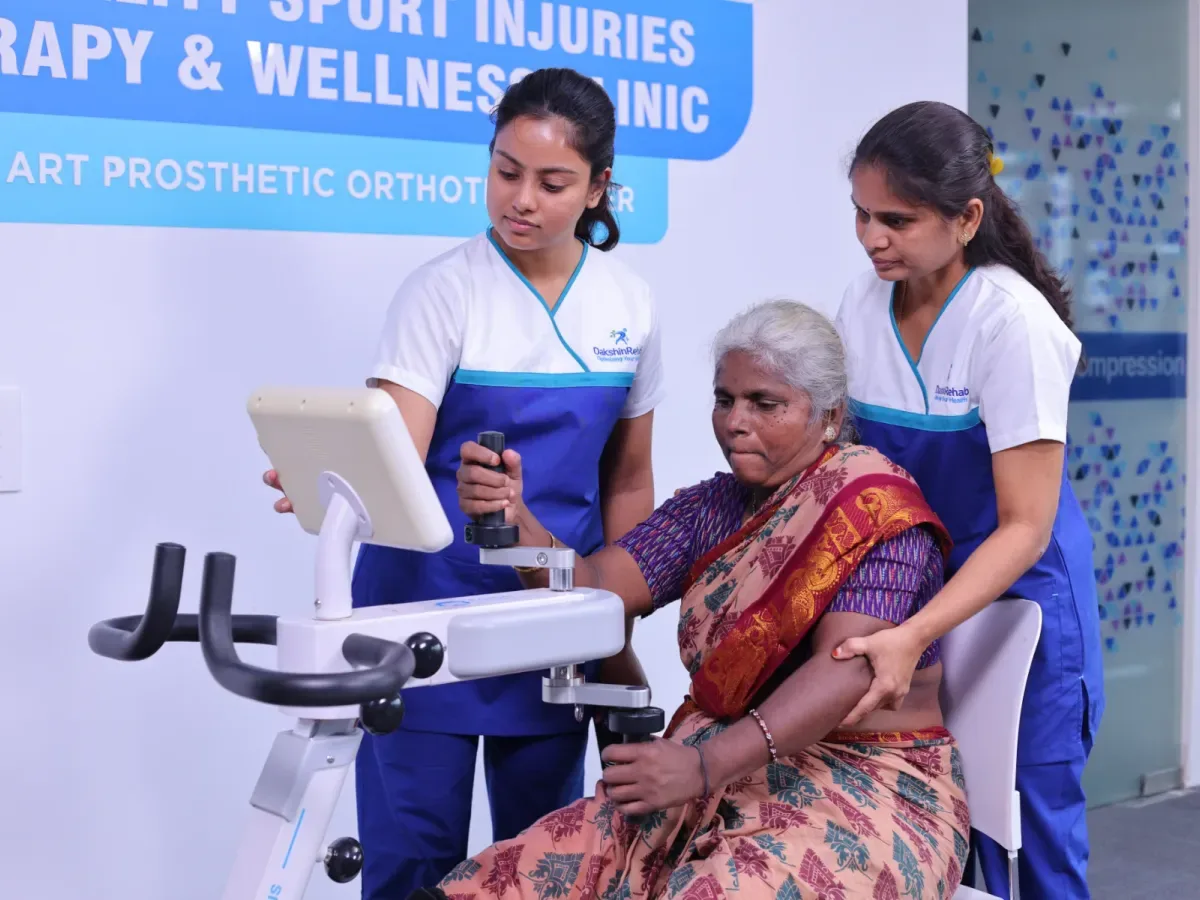
The Cyclomotus Robotic Trainer is a state-of-the-art rehabilitation system for upper and lower limb recovery, specifically designed for stroke and spinal cord injury patients. By providing repetitive, task-oriented passive and active-assistive movements, it stimulates motor learning and neuroplasticity. The device helps maintain range of motion, prevents muscle atrophy, and improves circulation in immobilized limbs. Its biofeedback system motivates patients by visualizing progress, making it a cornerstone of our neurological rehabilitation protocols.

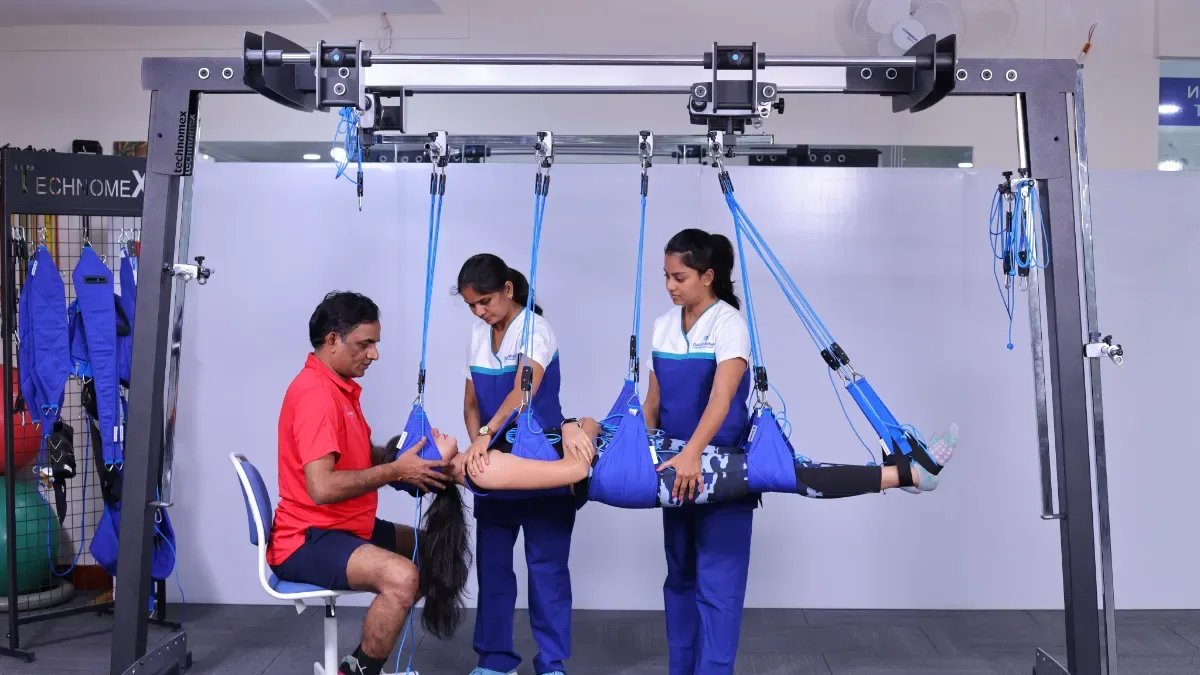
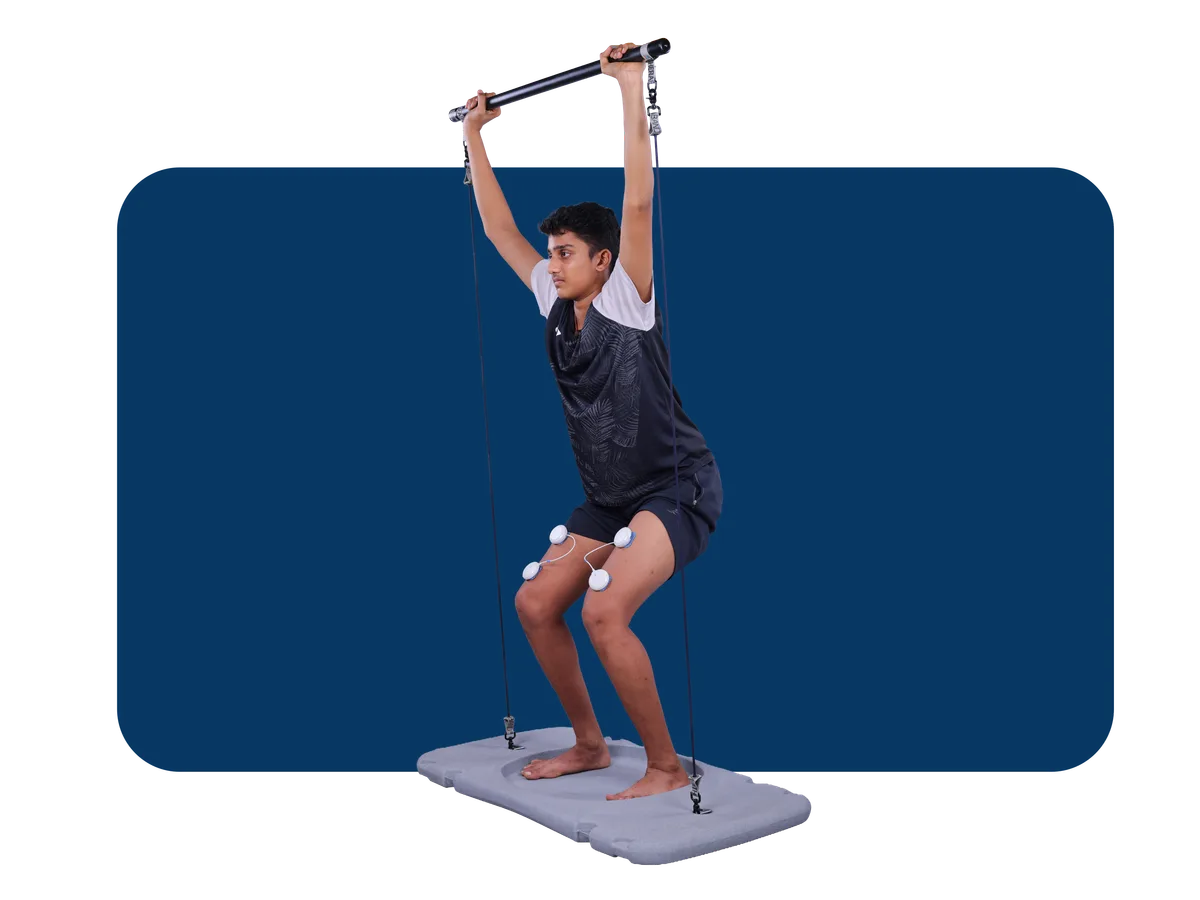
Redcord Neurac (Neuromuscular Activation) is an advanced suspension therapy system that restores proper movement patterns and eliminates chronic pain. By offloading body weight using slings and cords, it creates a 'zero-gravity' environment that allows tailored neuromuscular stimulation. This instability forces the brain to reactivate dormant deep stabilizer muscles without pain-induced compensation. It is clinically proven to be highly effective for chronic neck, back, and shoulder pain, restoring functional strength and coordination.

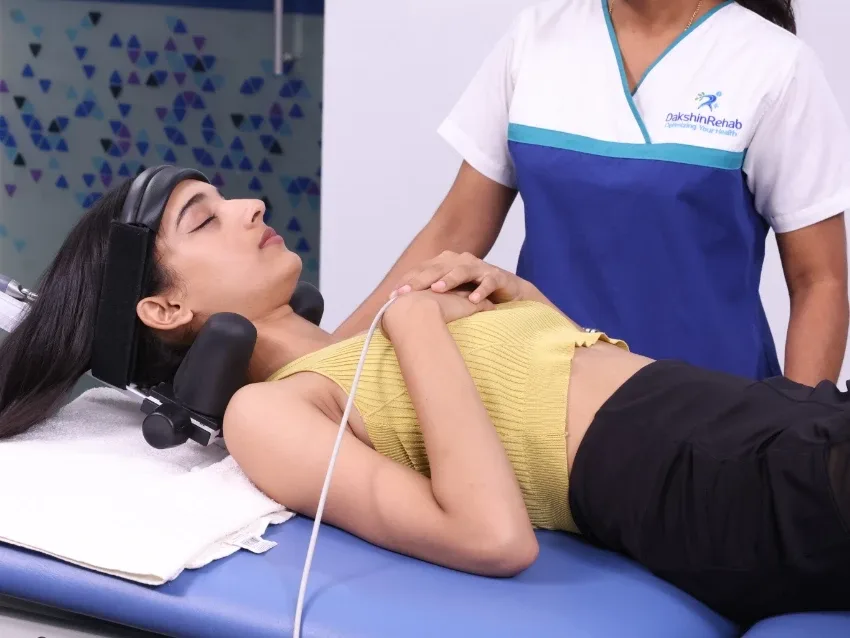
The Chattanooga Triton DTS is the gold standard in non-surgical spinal decompression therapy for herniated discs and sciatica. Unlike traditional traction, the DTS system delivers distinct cycles of distraction and relaxation, creating a negative intradiscal pressure vacuum. This 'suction' effect helps retract bulging disc material and promotes the influx of oxygen, water, and nutrients into the disc to facilitate healing. It is a precise, computer-controlled therapy specifically targeting lumbar or cervical segments to relieve nerve root compression.

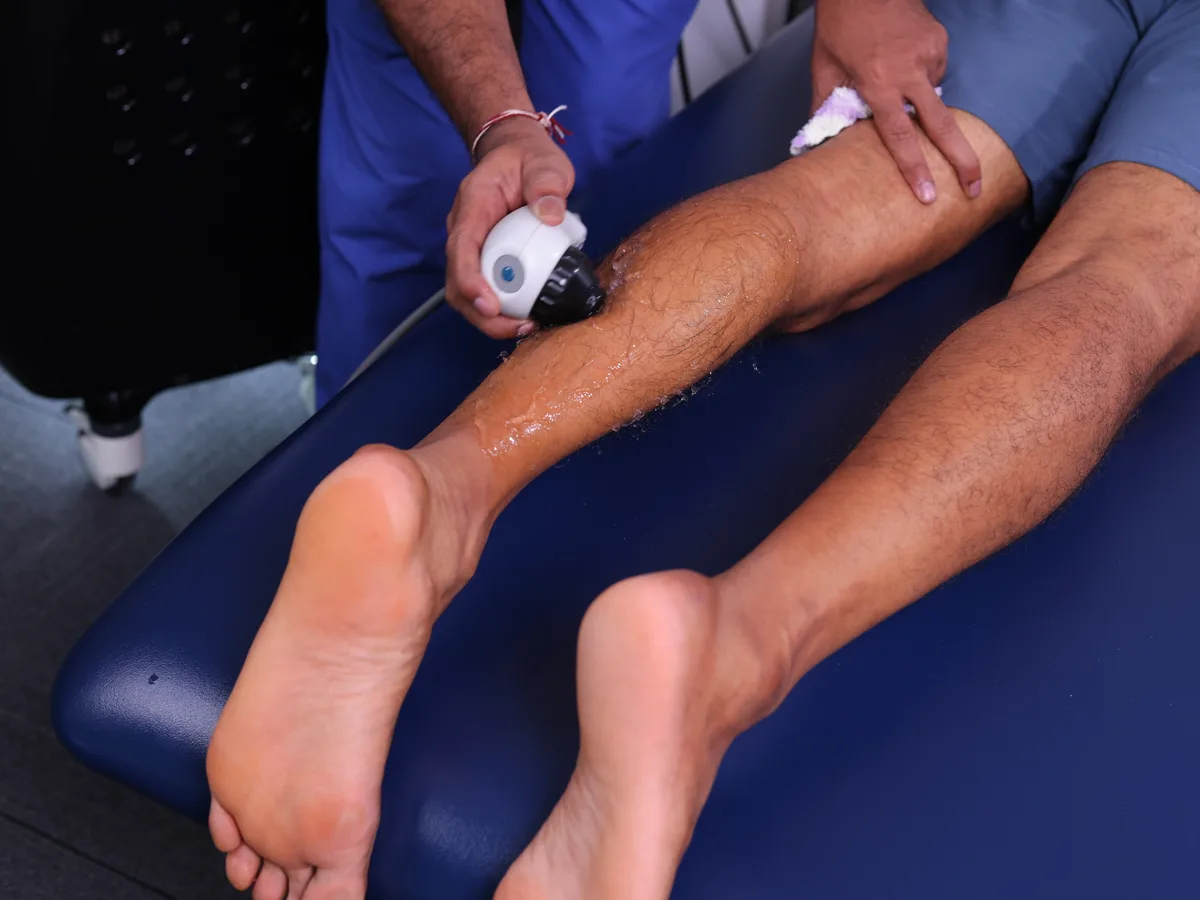
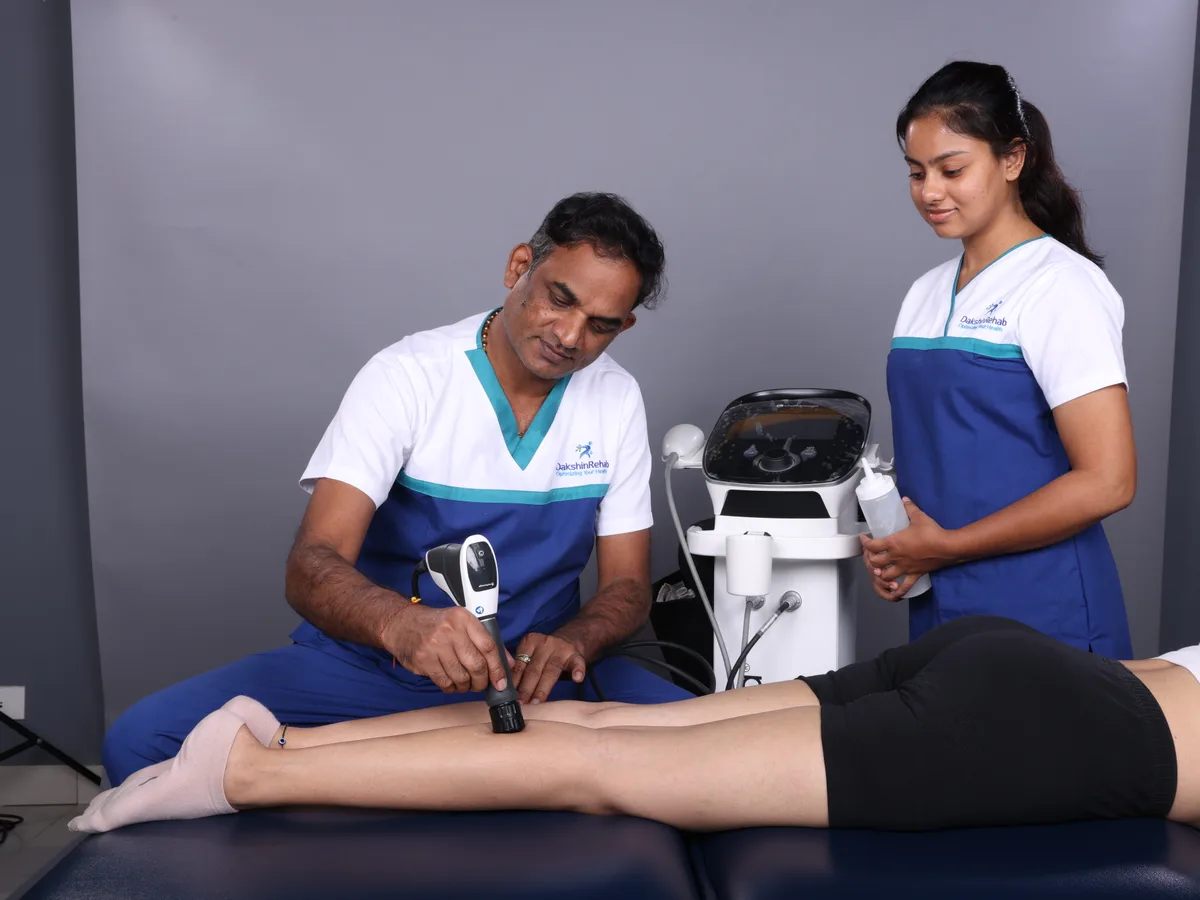
Radial Pressure Wave (RPW) therapy using the Chattanooga RPW2 is an FDA-cleared modality for chronic musculoskeletal conditions. It generates high-energy acoustic waves that propagate into the tissue, stimulating metabolic activity and accelerating the healing of recalcitrant tendinopathies. The mechanical stress triggers a biological response (mechanotransduction) that breaks down calcifications, scar tissue, and stimulates new blood vessel formation (neovascularization). It is the treatment of choice for plantar fasciitis, tennis elbow, and calcific tendonitis.

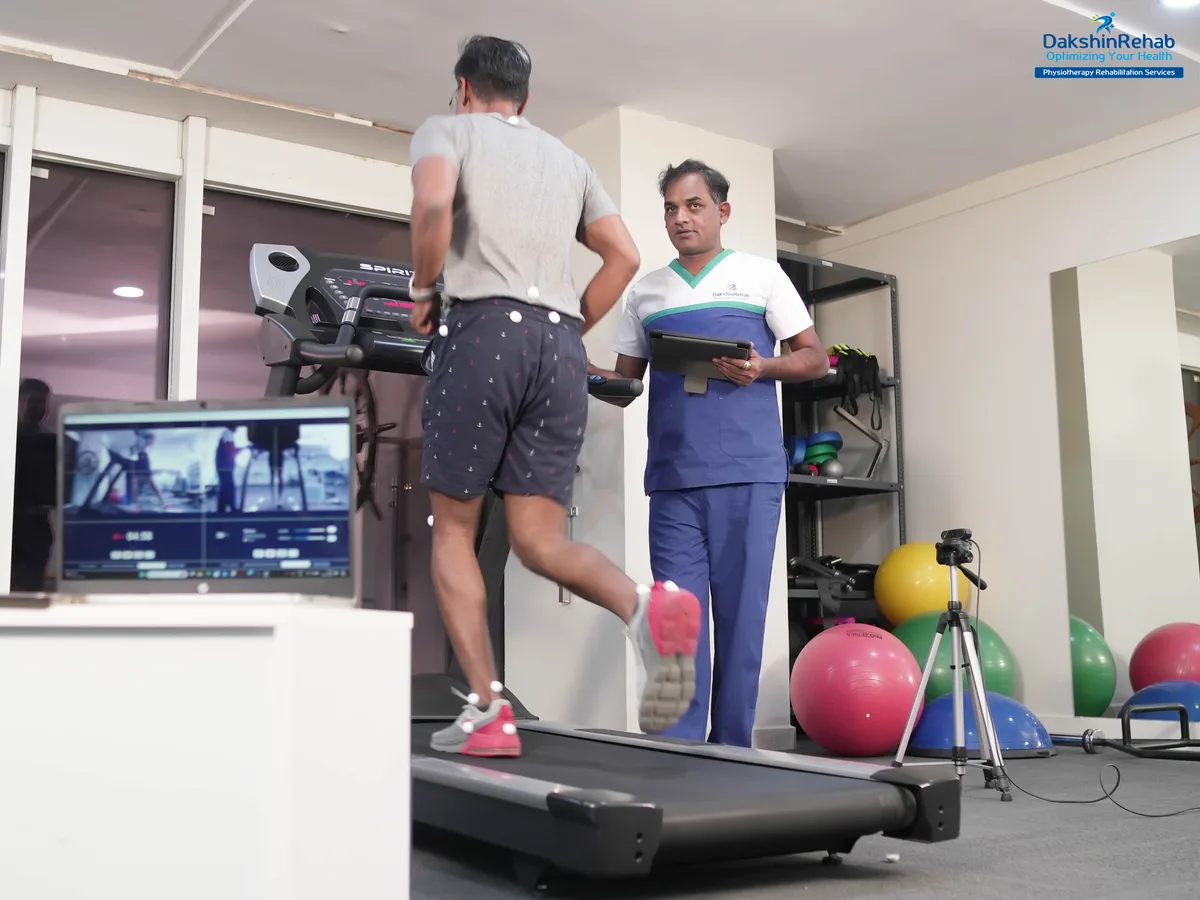
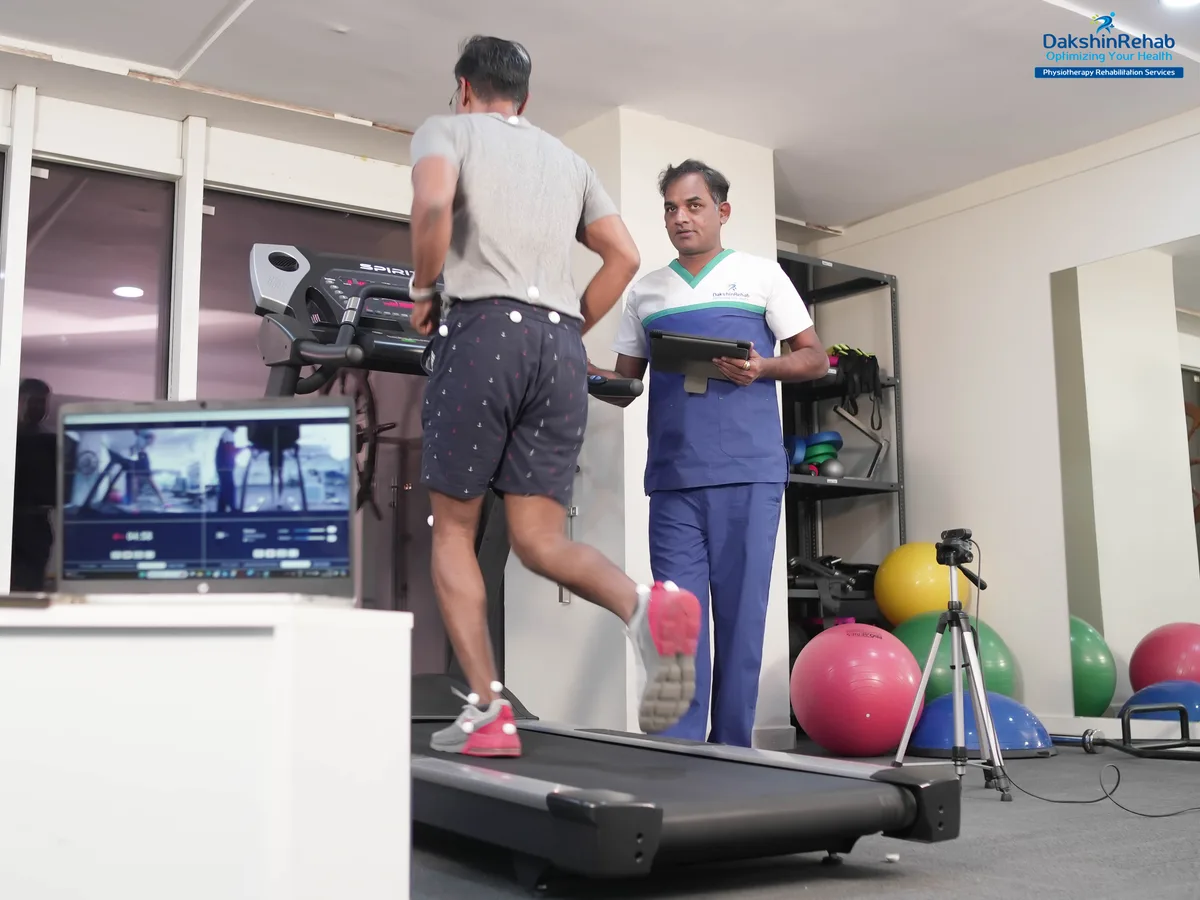
Our 3D Gait Analysis lab takes the guesswork out of biomechanics. Using high-speed motion capture sensors, we analyze your running or walking pattern in all three planes of movement (sagittal, frontal, transversal). This clinical data reveals invisible force loads, joint angles, and asymmetries that cause injuries like runner's knee, shin splints, and IT band syndrome. By quantifying your movement, we design data-driven gait retraining programs and prescribe precise orthotics to optimize performance and prevent re-injury.

Computerized 3D Posture Analysis provides an objective blueprint of your musculoskeletal alignment. It digitally maps key anatomical landmarks to calculate spinal curvature, pelvic tilt, and forward head posture with varying degrees of precision. Poor posture is often the root cause of chronic fatigue and pain; this technology quantifies it. The visual reports track your structural changes over time, validating the effectiveness of corrective exercises and ergonomic interventions.

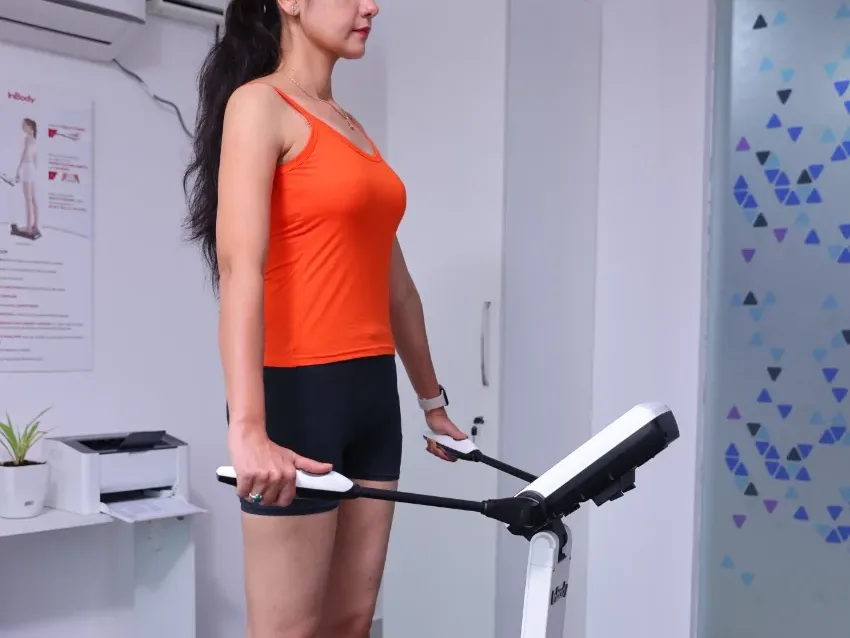
The InBody 270 goes beyond weight to analyze what your body is truly made of. Using medical-grade bioelectrical impedance analysis, it precisely measures skeletal muscle mass, body fat percentage, and visceral fat levels. Crucially for rehabilitation, it provides Segmental Lean Analysis, allowing us to identify muscle imbalances between the left and right limbs (e.g., post-surgery atrophy). This data allows nutritionists and therapists to monitor protein synthesis, hydration status, and the true effectiveness of rehabilitation training.

TECAR (Transfer of Energy Capacitive and Resistive) is a revolutionary radiofrequency therapy that stimulates the body's natural repair processes at the cellular level. By generating deep endogenous heat within the tissues, it dramatically increases blood flow and oxygenation. The Resistive mode targets dense tissues like tendons and bones, while the Capacitive mode focuses on muscles. It accelerates recovery from acute sprains and strains by up to 50% and effectively manages chronic inflammation.

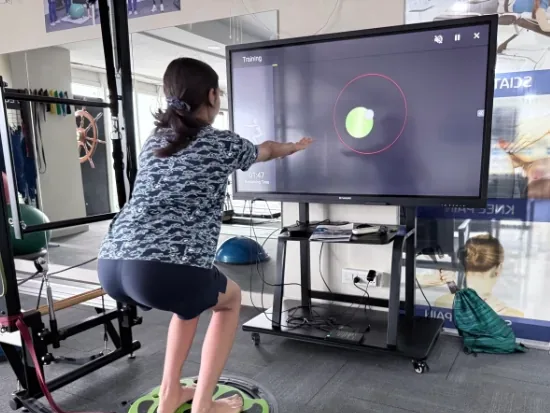
Our Virtual Rehabilitation lab gamifies physical therapy, making recovery engaging and measurable. Using immersive VR environments and motion sensors, patients perform therapeutic exercises disguised as interactive games. This approach is powerful for neurological recovery, stimulating 'mirror neurons' and neuroplasticity. It distracts from pain, reduces movement anxiety (kinesiophobia), and encourages high-repetition training essential for motor learning, all while tracking range of motion and accuracy in real-time.

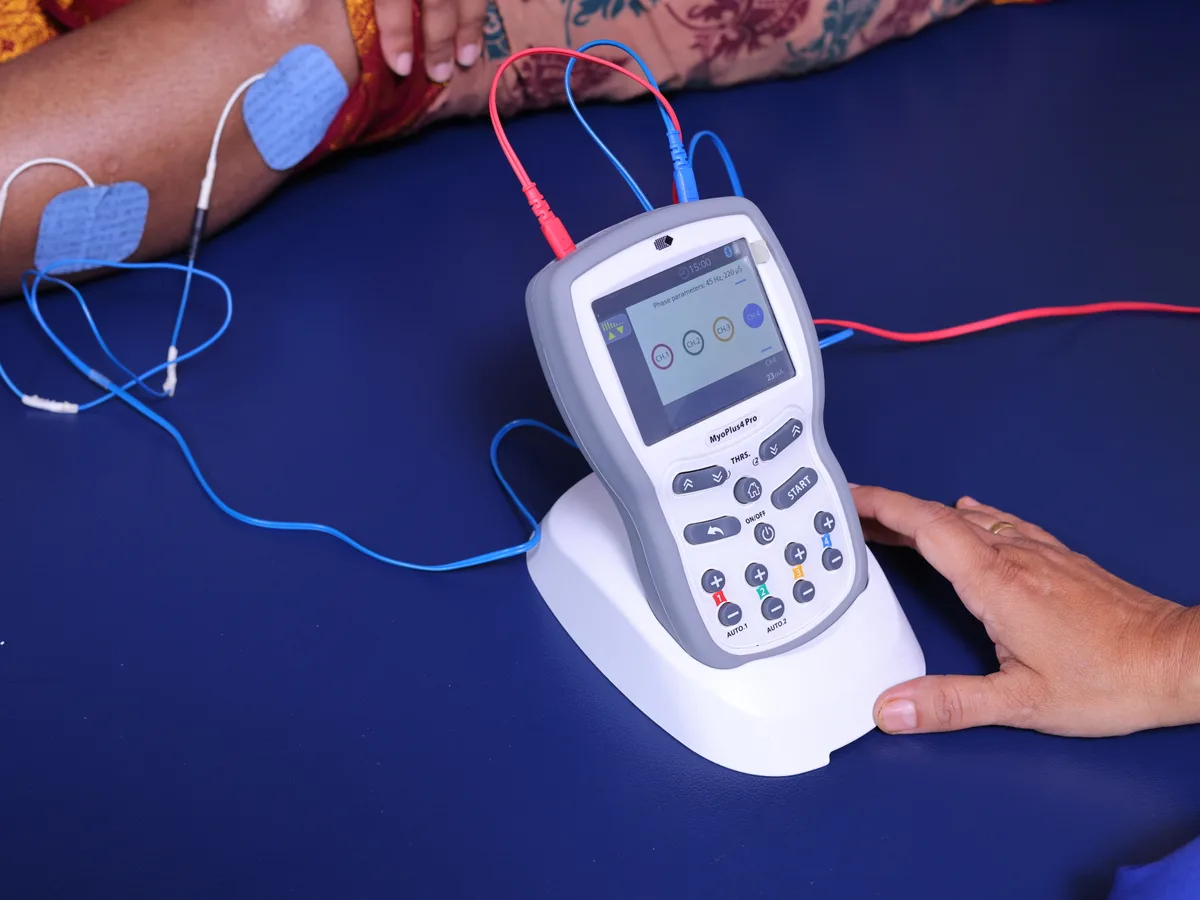
The Chattanooga Wireless Professional brings Functional Electrical Stimulation (FES) into active movement. Unlike wired units, this wireless 4-channel system allows patients to receive muscle stimulation while actually performing exercises or functional tasks. 'Mi-Technology' (Muscle Intelligence) automatically scans the muscle to personalize stimulation parameters. It is vital for re-educating paralyzed muscles, correcting foot drop during gait, and retraining complex movement patterns in sports rehab.

Electromyography (EMG) Biofeedback is a powerful tool for visualising muscle activity. It detects the tiny electrical signals generated when you contract a muscle and displays them on a screen. This feedback loop helps patients 'find' and activate weak muscles (e.g., VMO after knee surgery) or relax overactive ones (e.g., upper traps in neck pain). Combined with Neuromuscular Electrical Stimulation (NMES), it provides a complete re-education system for restoring voluntary motor control.

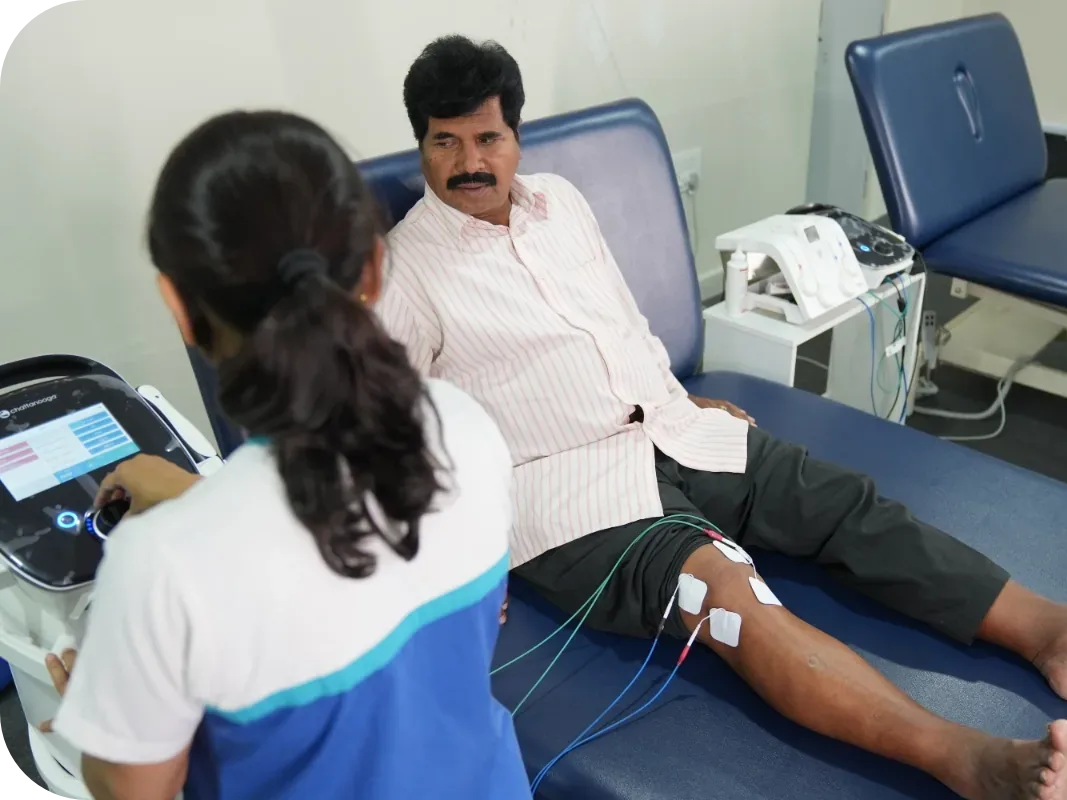
This advanced electrotherapy unit combines Interferential Therapy (IFT) and Transcutaneous Electrical Nerve Stimulation (TENS) for multimodal pain management. IFT utilizes medium-frequency currents to penetrate deep tissues with minimal skin resistance, reducing edema and chronic inflammation. TENS targets sensory nerves to block pain signals (Gate Control Theory) and stimulate endorphin release. This combination provides both immediate analgesic effects and long-term therapeutic benefits for articular and muscular pain.

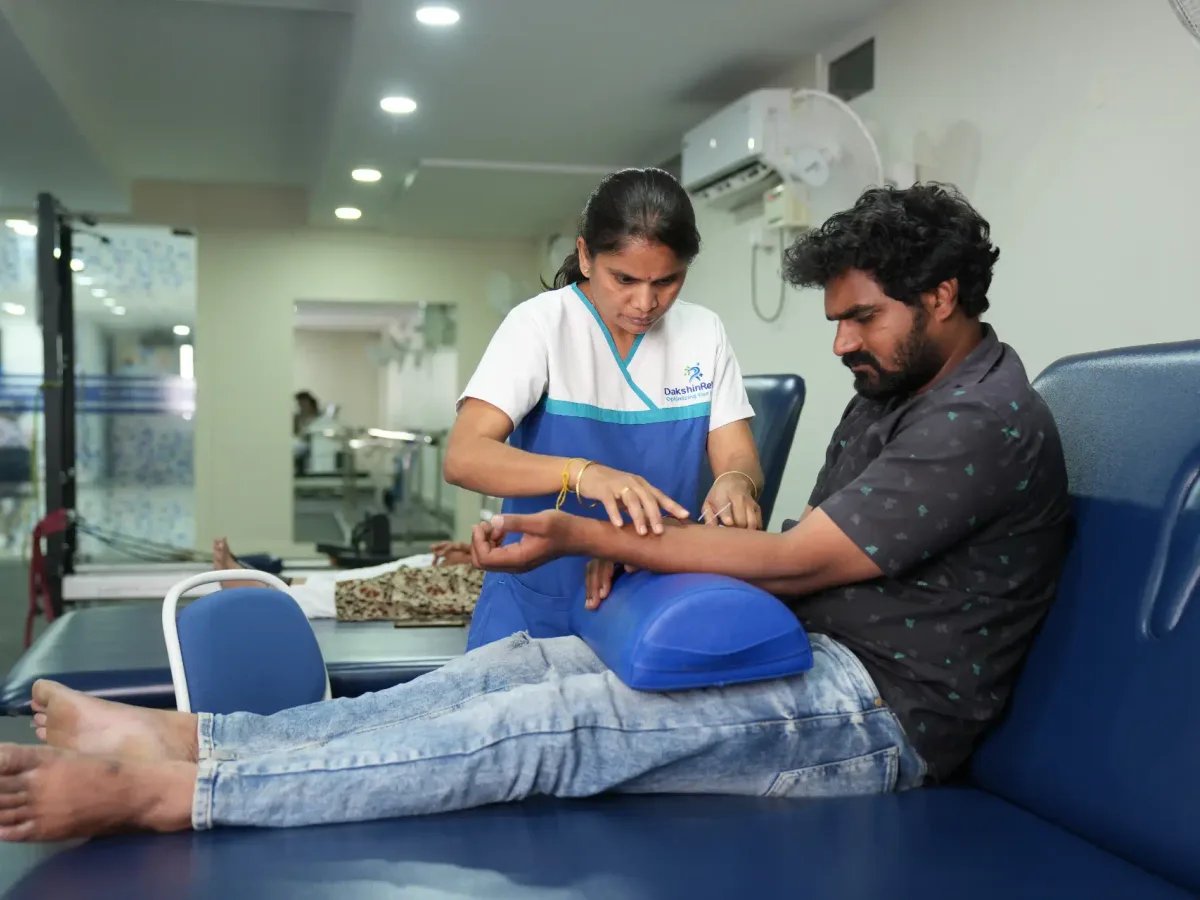
Dry Needling is a skilled intervention that uses a thin filiform needle to penetrate the skin and stimulate underlying myofascial trigger points ('knots') and muscular and connective tissues. It targets the 'motor end plates' to elicit a local twitch response, which biochemically resets the muscle, reducing taut bands and restoring blood flow. It is highly effective for deactivating chronic trigger points, resolving tension headaches, and improving range of motion in stiff muscles.

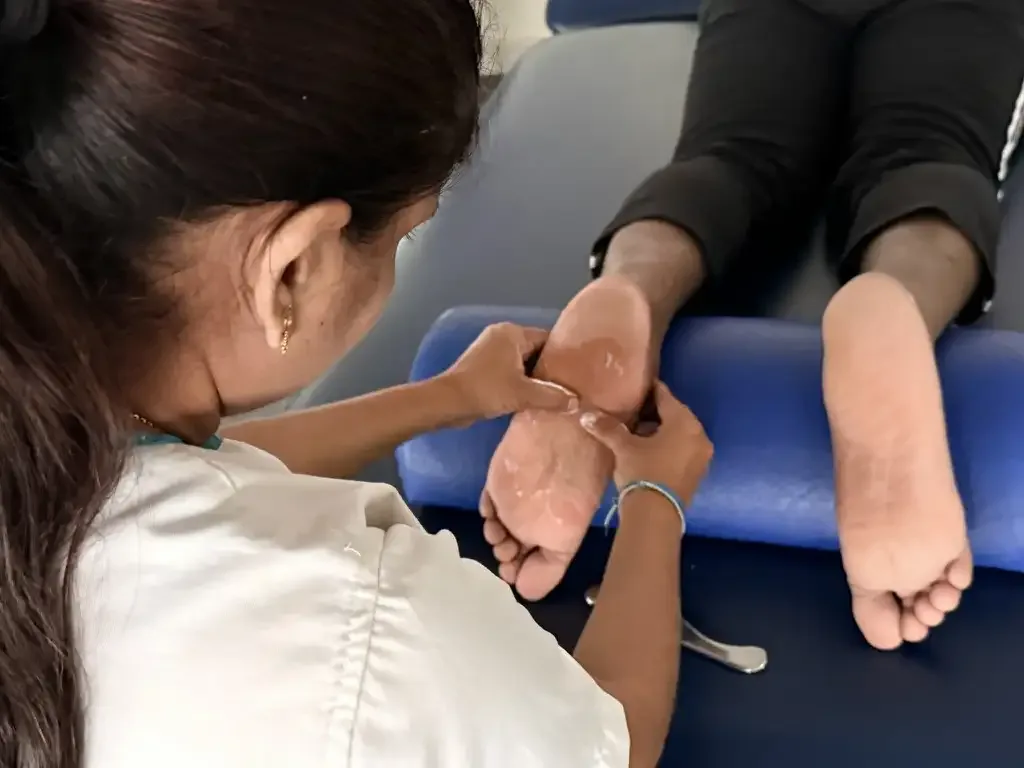
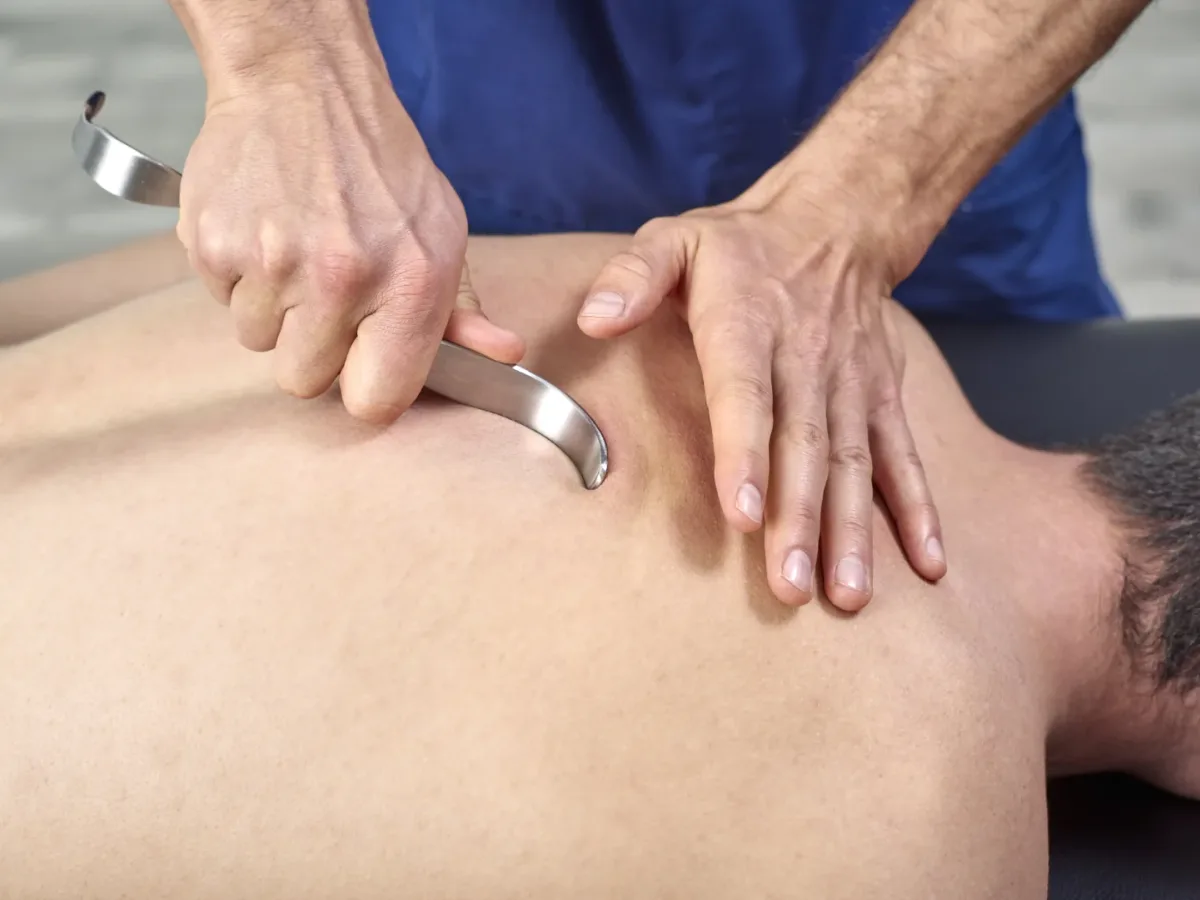
Instrument Assisted Soft Tissue Mobilization (IASTM) uses specialized stainless steel tools to detect and treat fascial restrictions and scar tissue. The rigid instruments allow the clinician to identify gritty fibrotic textures that are undetectable by hand. The controlled micro-trauma created by the tools stimulates an inflammatory healing response, promoting the proliferation of fibroblasts and the remodeling of collagen. This restores sliding surfaces between tissue layers, improving mobility and reducing pain.

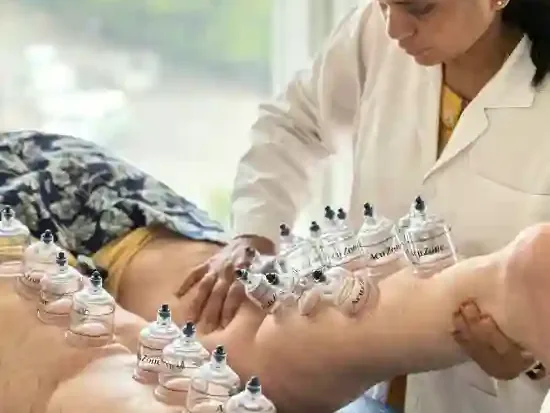
Therapeutic Cupping, or Myofascial Decompression, uses negative pressure suction to lift the skin and fascial layers. Instead of compressing tissue like massage, specific suction cups create space to separate stuck fascial layers, allowing fresh, oxygenated blood to flood the area. This mechanism flushes out stagnant metabolic waste (lactate, toxins) and promotes rapid vast vasodilation. It is excellent for increasing tissue mobility, reducing muscle tension, and accelerating recovery after intense physical activity.

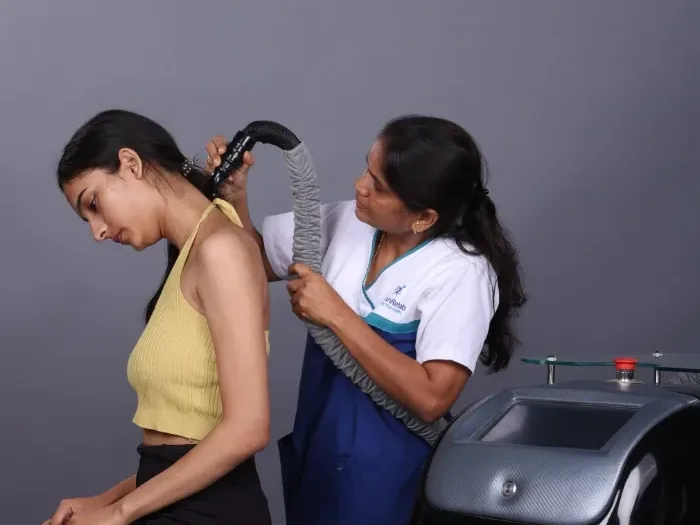
Localized Cryotherapy delivers a targeted stream of nitrogen vapor or cooled air at sub-zero temperatures to a specific injury site. This induces rapid vasoconstriction to flush out inflammation, followed by a reflex vasodilation that brings nutrient-rich blood to the area (the 'Hunting Response'). Unlike whole-body cryo, this targets the exact point of pain, numbing nerve endings for immediate analgesia while reducing edema and blocking inflammatory enzymes. Essential for acute sports injuries and post-op recovery.

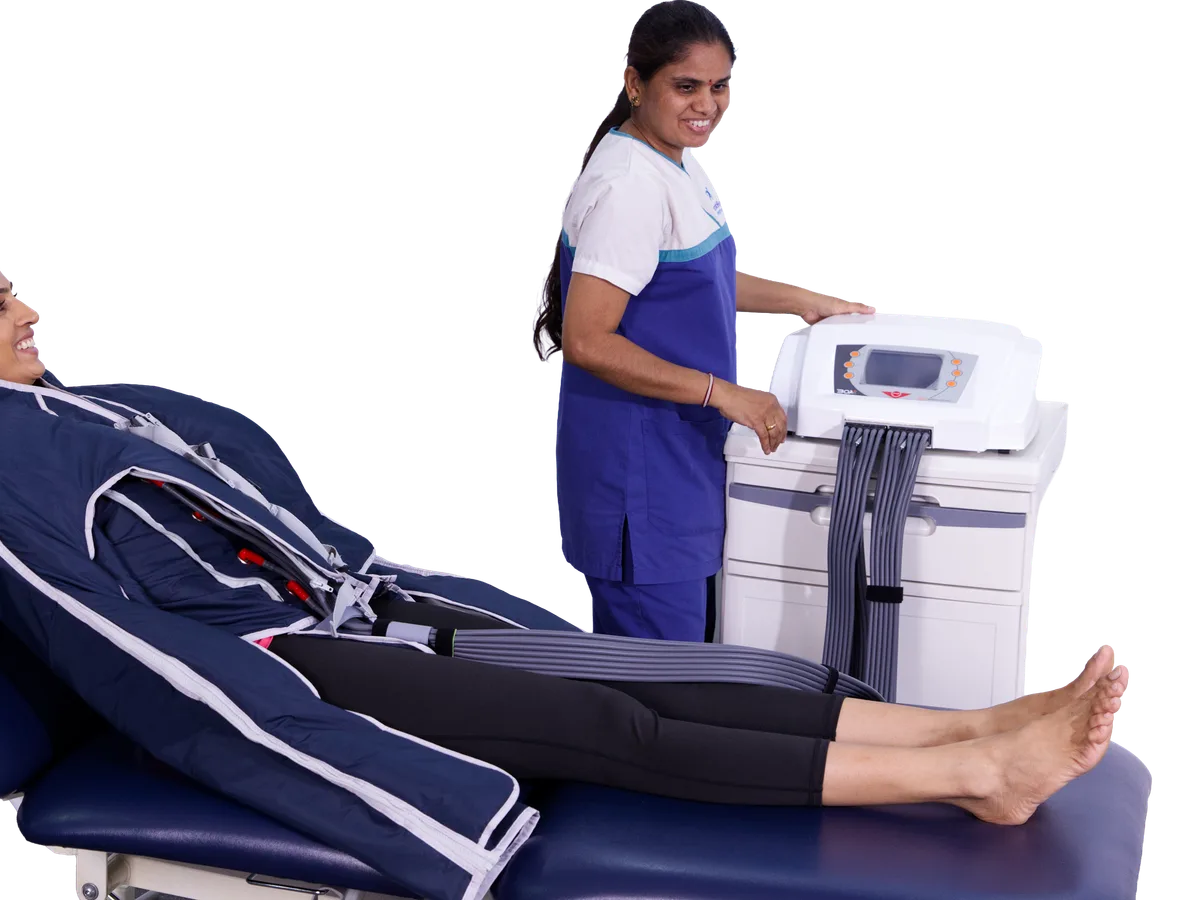
Manual Lymphatic Drainage (MLD) is a specialized, gentle pumping massage technique designed to stimulate the flow of lymph fluid. It is critical for managing Lymphedema (swelling) post-surgery or post-cancer treatment. MLD re-routes fluid from blocked areas to healthy lymphatic vessels, reducing heavy limb sensation and fibrosis risk. It also boosts the immune system by facilitating the transport of lymphocytes and removing toxins from the interstitial spaces.

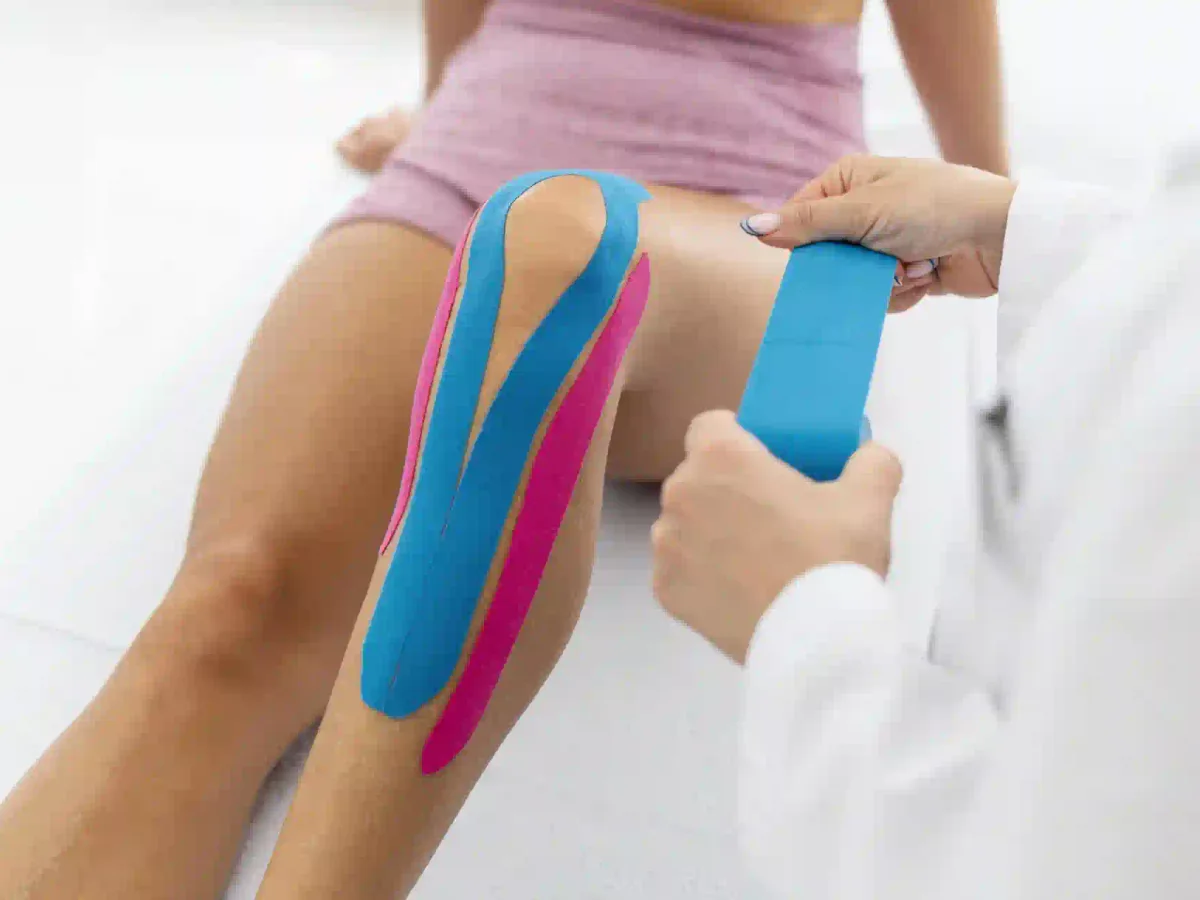
Kinesio Taping involves the application of a specialized elastic cotton tape that mimics the elasticity of human skin. Unlike rigid strapping, it supports muscles and joints without restricting range of motion. The tape microscopically lifts the skin, increasing the space closest to the skin muscle interface. This decompression relieves pressure on pain receptors and facilitates lymphatic drainage. It provides proprioceptive feedback to the brain, enhancing body awareness and correcting postural alignment during activity.

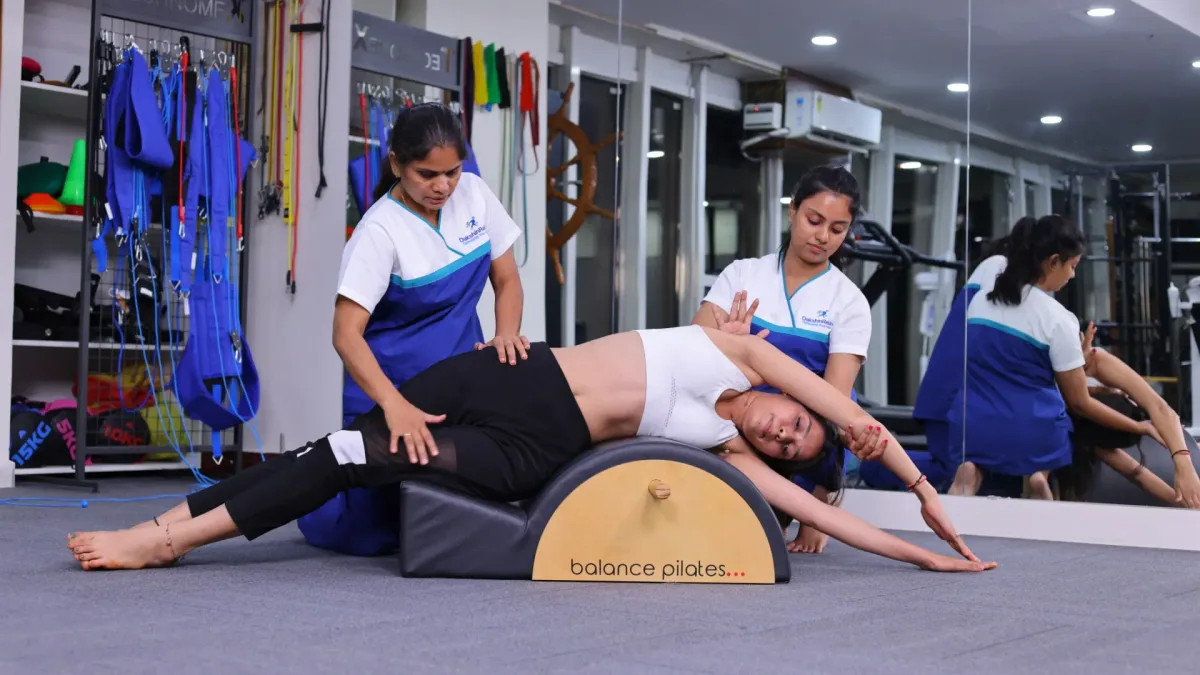
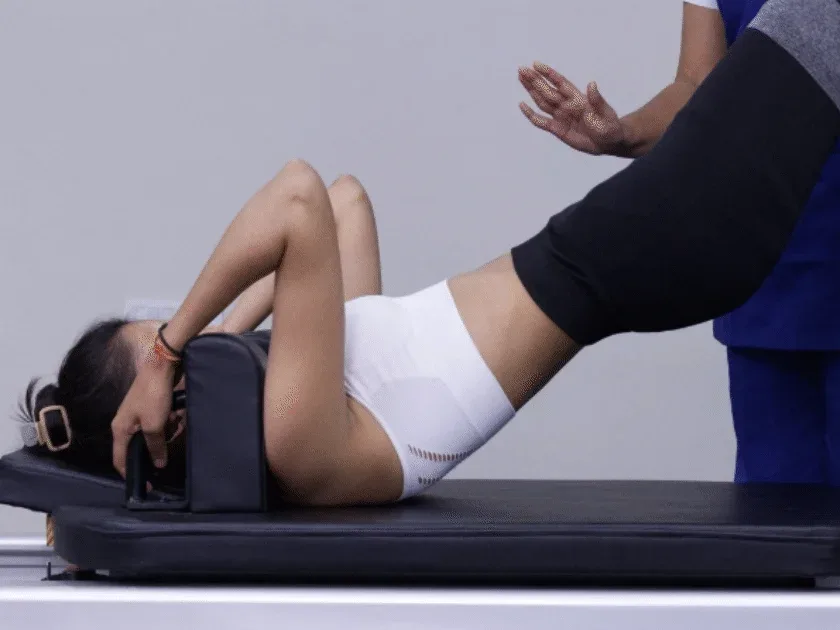
Clinical Pilates is a form of physical exercise that focuses on posture, core stability, balance, control, strength, flexibility, and breathing. Unlike generic classes, our Clinical Pilates is prescribed by physiotherapists to treat specific injuries. By strengthening the 'powerhouse' muscles (transversus abdominis, pelvic floor), it creates a muscular corset that supports the spine. It is the long-term solution for preventing back pain recurrence and enhancing athletic performance.

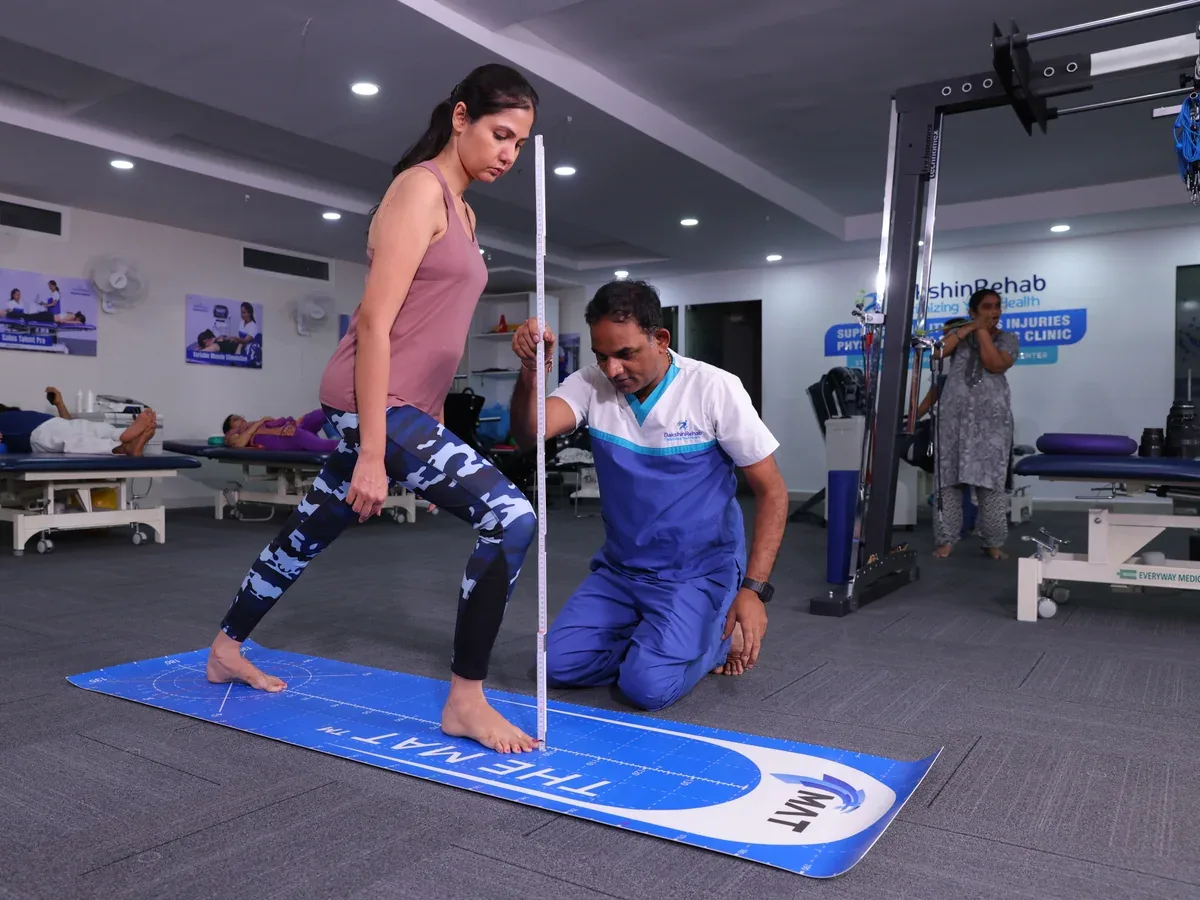
The Functional Mobility Assessment (FMA) and FMS screening tools evaluate fundamental movement patterns that are key to normal function. We observe seven distinct movement patterns to identify limitations and asymmetries. This screening reveals the 'weak links' in your kinetic chain—whether it's poor ankle mobility affecting your squat or weak hips causing knee pain. It transforms rehab from 'chasing pain' to correcting the underlying movement dysfunction.

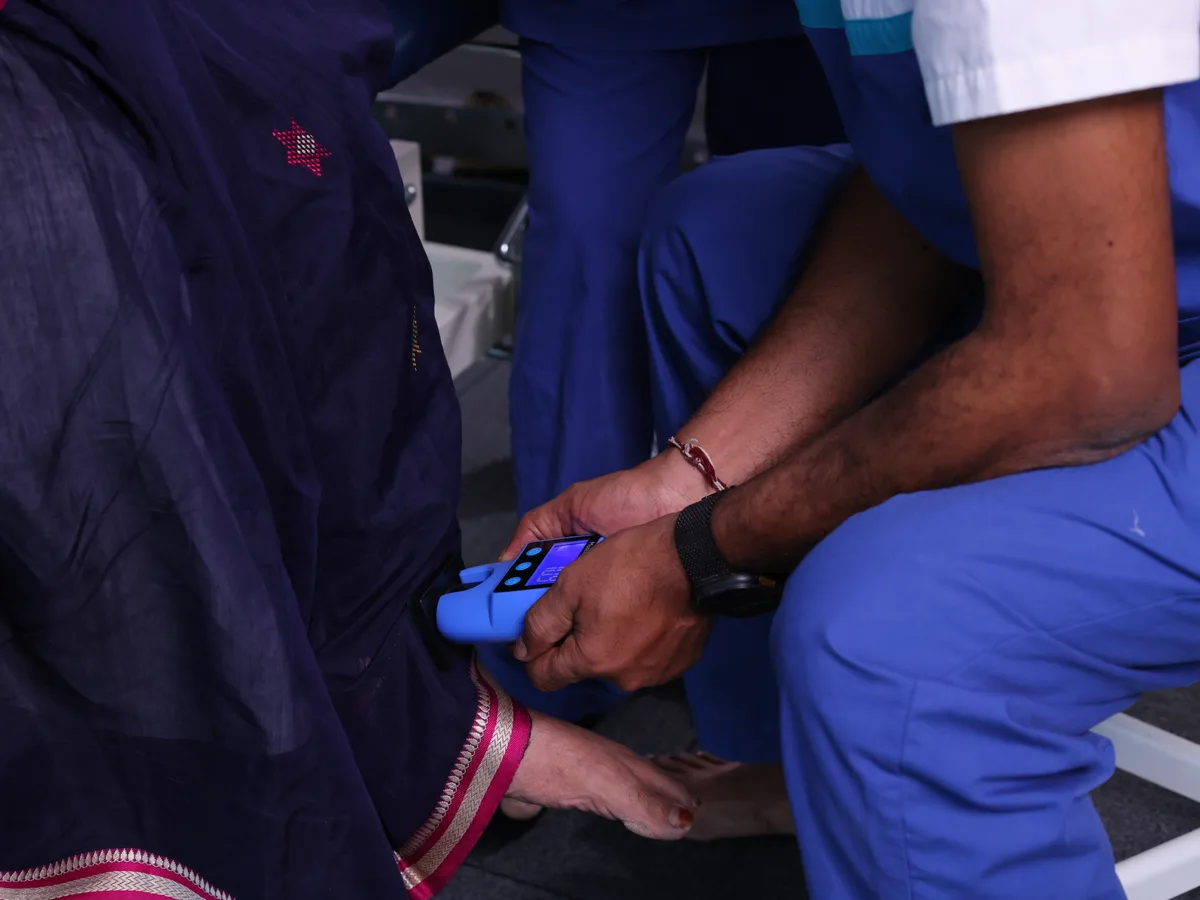
The MAT (Muscle Assessment Tool) adds objective precision to strength testing. Manual muscle testing is subjective; the MAT quantifies force production in Newtons or Kilograms. This allows us to detect subtle strength deficits and imbalances between limbs with high accuracy. Whether testing rotator cuff strength or quad power after ACL surgery, this data validates if a patient is truly ready to return to sport, ensuring decisions are based on numbers, not guesses.

Myofascial Release is a safe and very effective hands-on technique that involves applying gentle sustained pressure into the Myofascial connective tissue restrictions to eliminate pain and restore motion. Trauma or inflammatory responses can create profound tensile pressures on pain-sensitive structures. Our therapists detect these restrictions and apply sustained elongation to 'melt' the tight fascia, hydrating the tissue and restoring its elasticity and gliding potential.

The Spine Curvator/Mobility enhancer is a specialized tool designed to restore the natural lordotic and kyphotic curves of the vertebral column. In our modern sedentary lifestyle, spinal stiffness and loss of curvature are common. This device provides safe, fulcrum-assisted mobilization to specific spinal segments, improving extension and reducing the hunched 'tech-neck' posture. It is essential for restoring spinal biomechanics and relieving pressure on the anterior disc spaces.

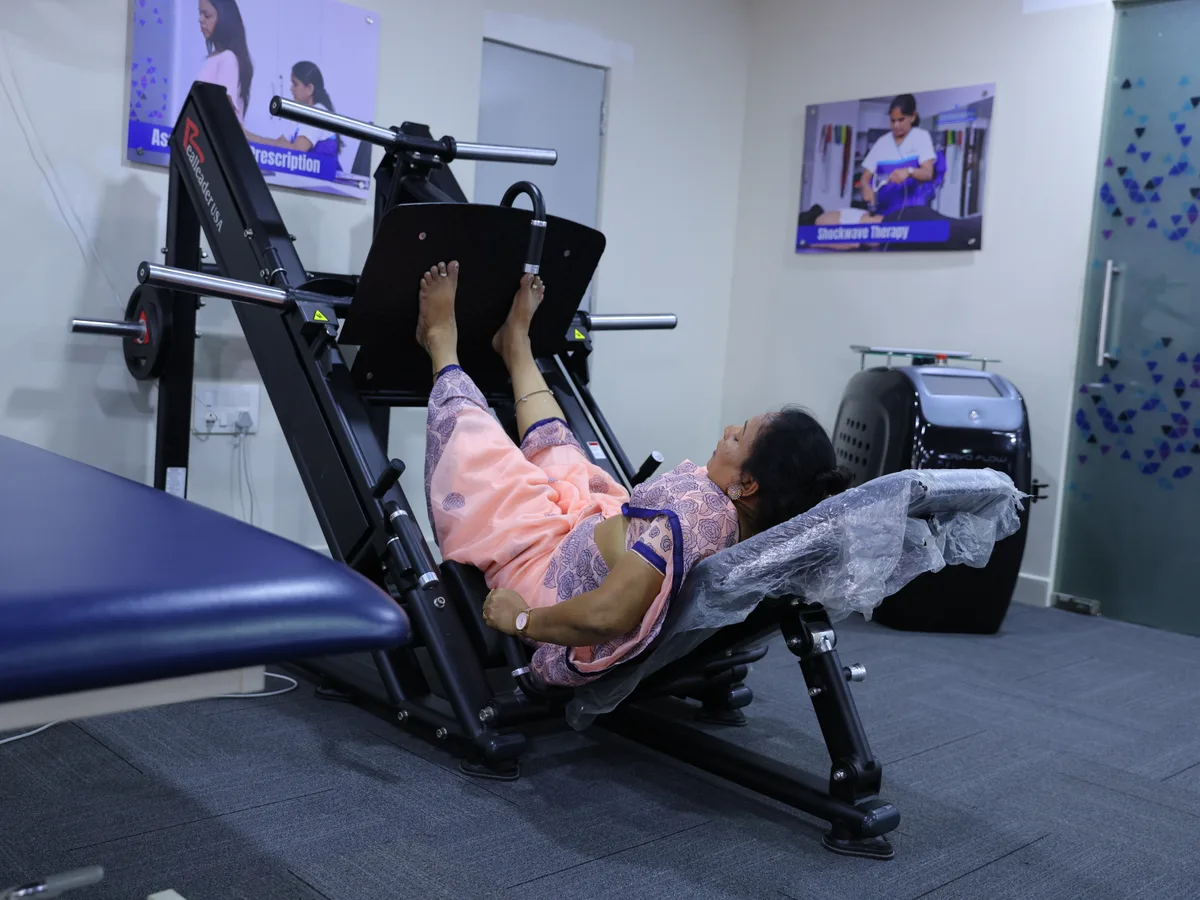
Our medical-grade Leg Press allows for safe, controlled closed-kinetic chain strengthening. Unlike gym machines, this is adjustable for rehabilitation loads, allowing restricted range of motion to protect healing joints (e.g., after meniscus repair). It is vital for rebuilding quadriceps and gluteal strength, which are the primary shock absorbers for the knee and hip. Progressive loading on this device bridges the gap between bed exercises and functional weight-bearing activity.

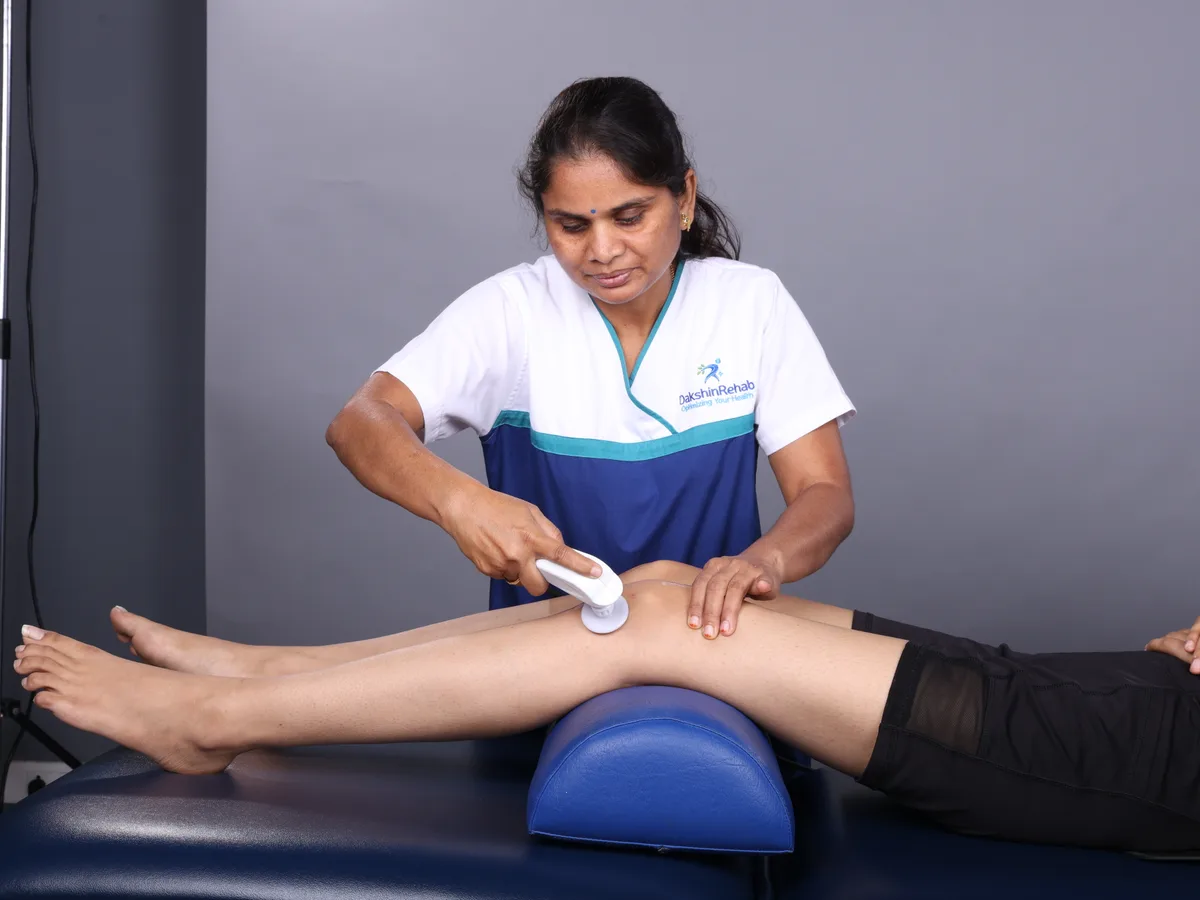
Vibration therapy via the V-Actor attachment delivers low-frequency vibrations (up to 35 Hz) to relaxation muscles and fascia. The mechanical vibrations stimulate proprioceptors and improve blood circulation and lymphatic drainage. It creates a soothing effect that normalizes muscle tone, making it an excellent adjunct for treating myofascial pain syndrome and reducing muscle soreness (DOMS) after exercise therapy.
Book precise diagnostic assessment today and start your journey to pain-free movement.
Book Appointment