Brain / Hemispheric
Post-Stroke Hemiplegia
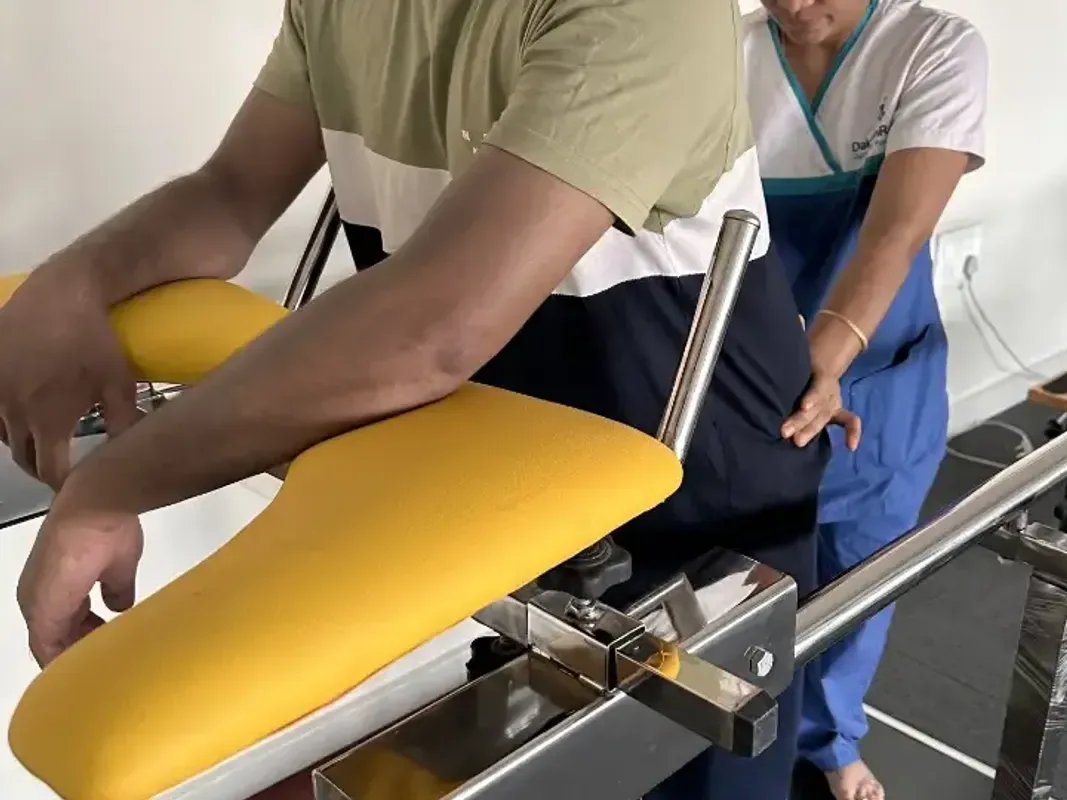
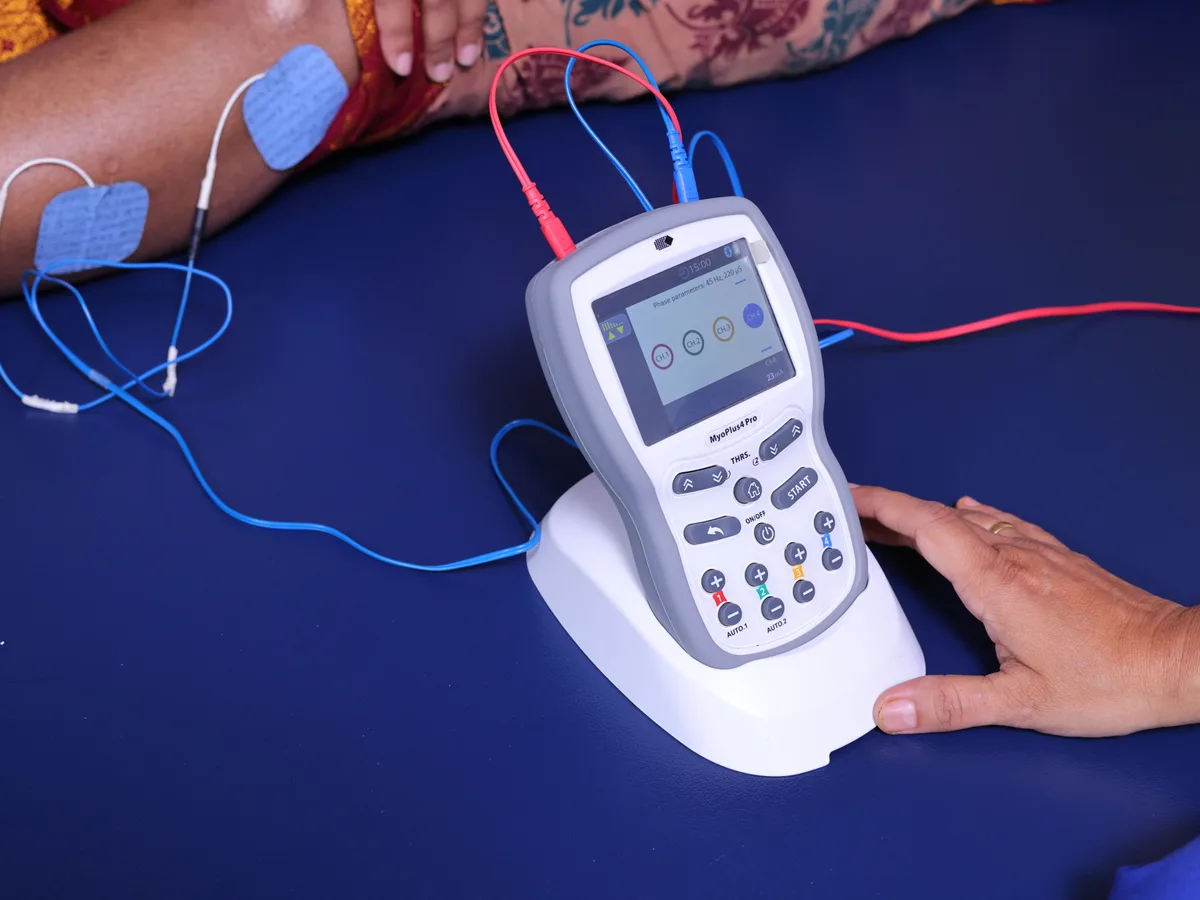
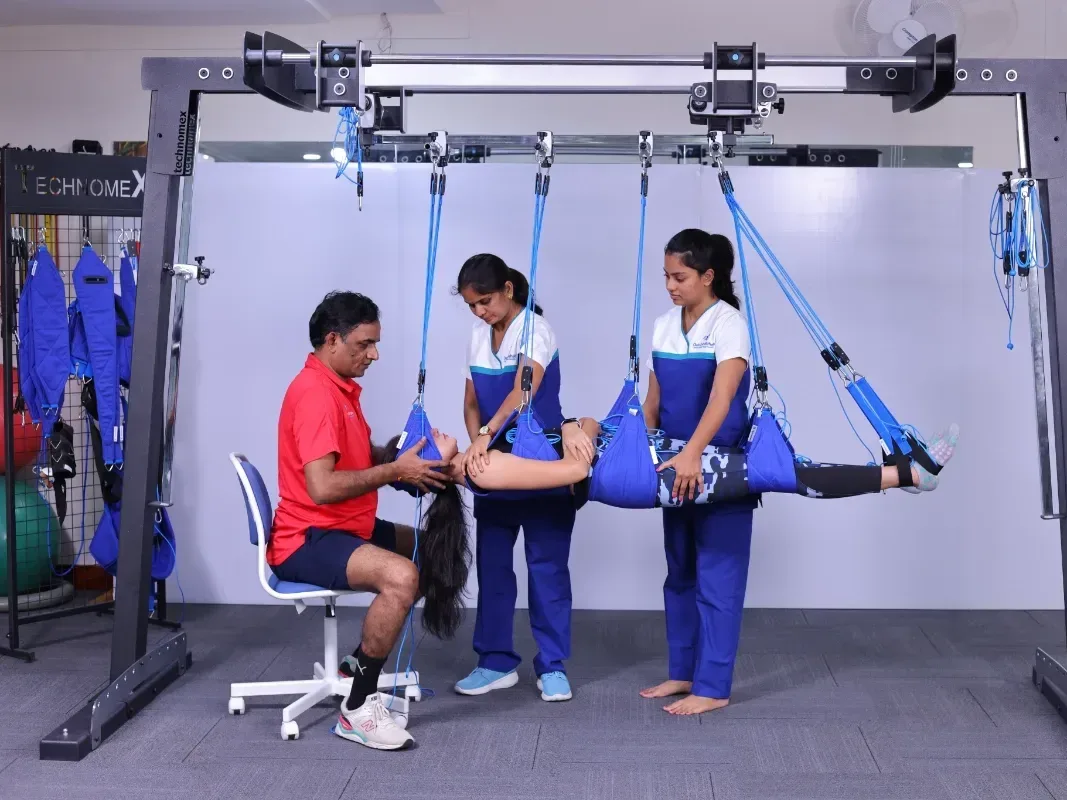
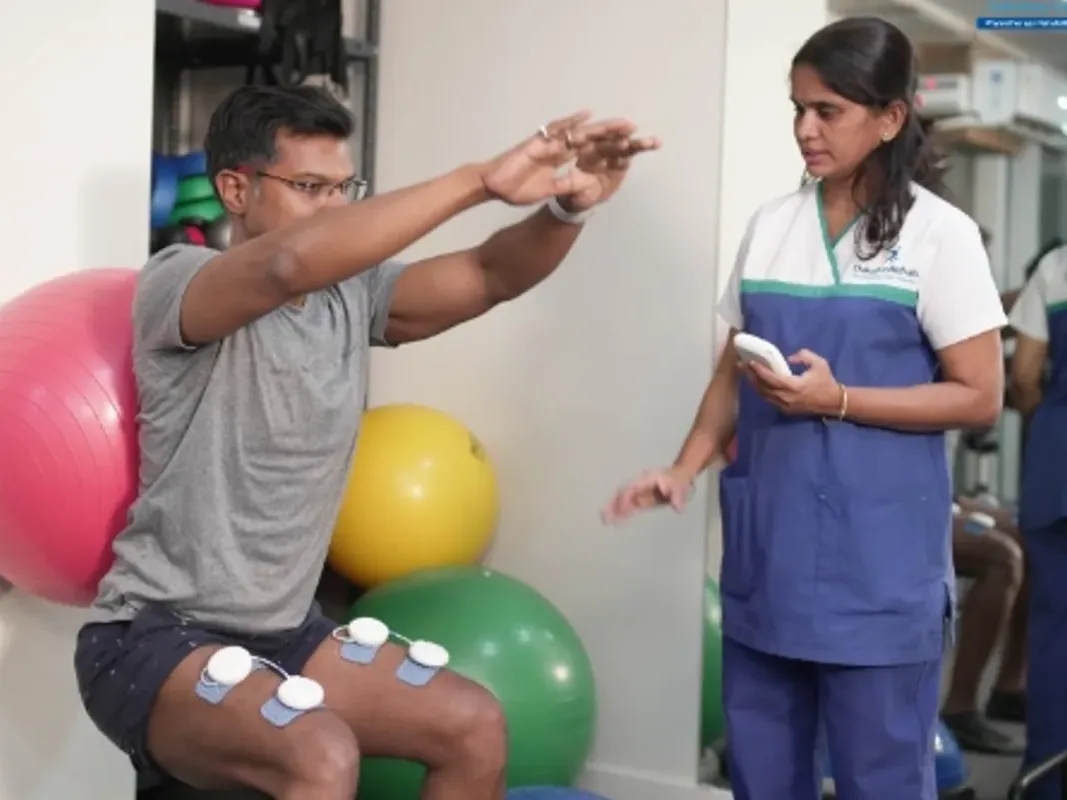
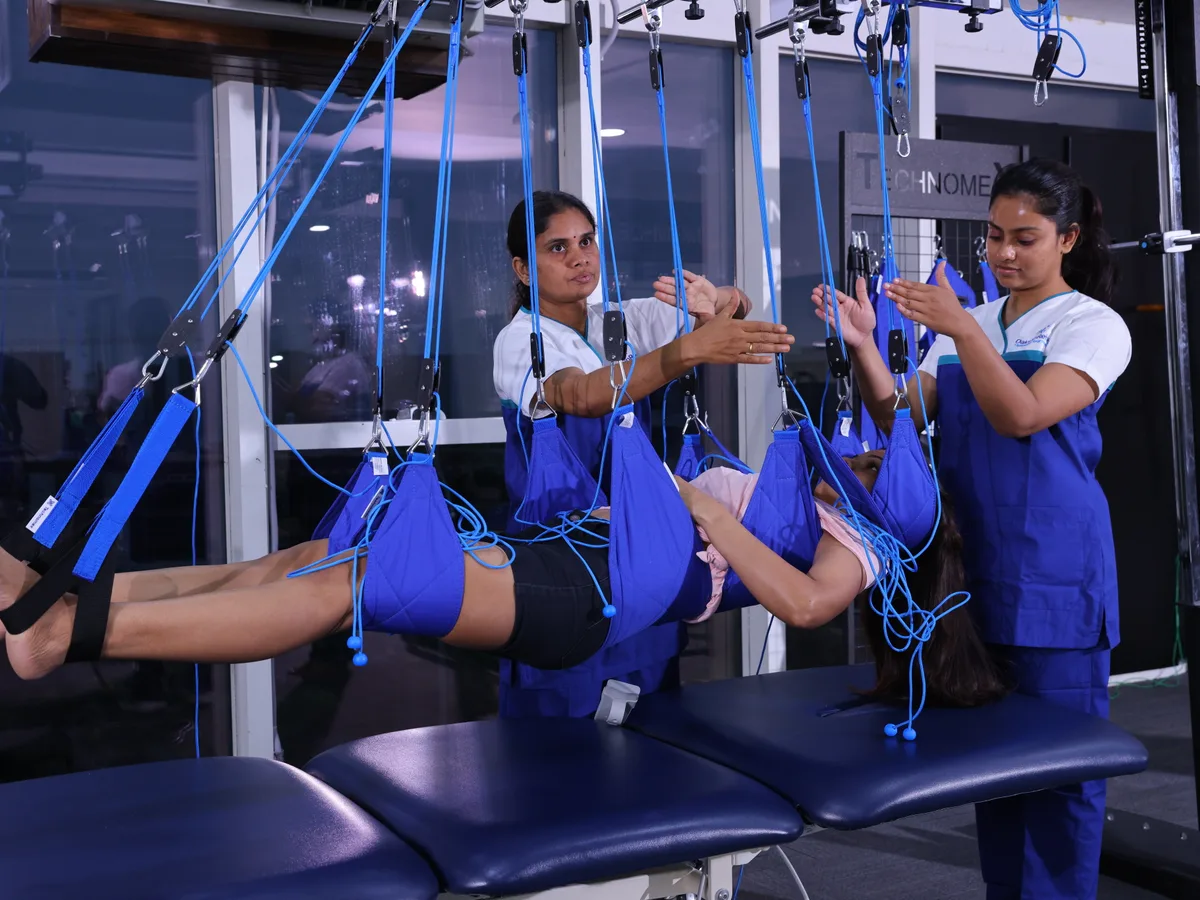
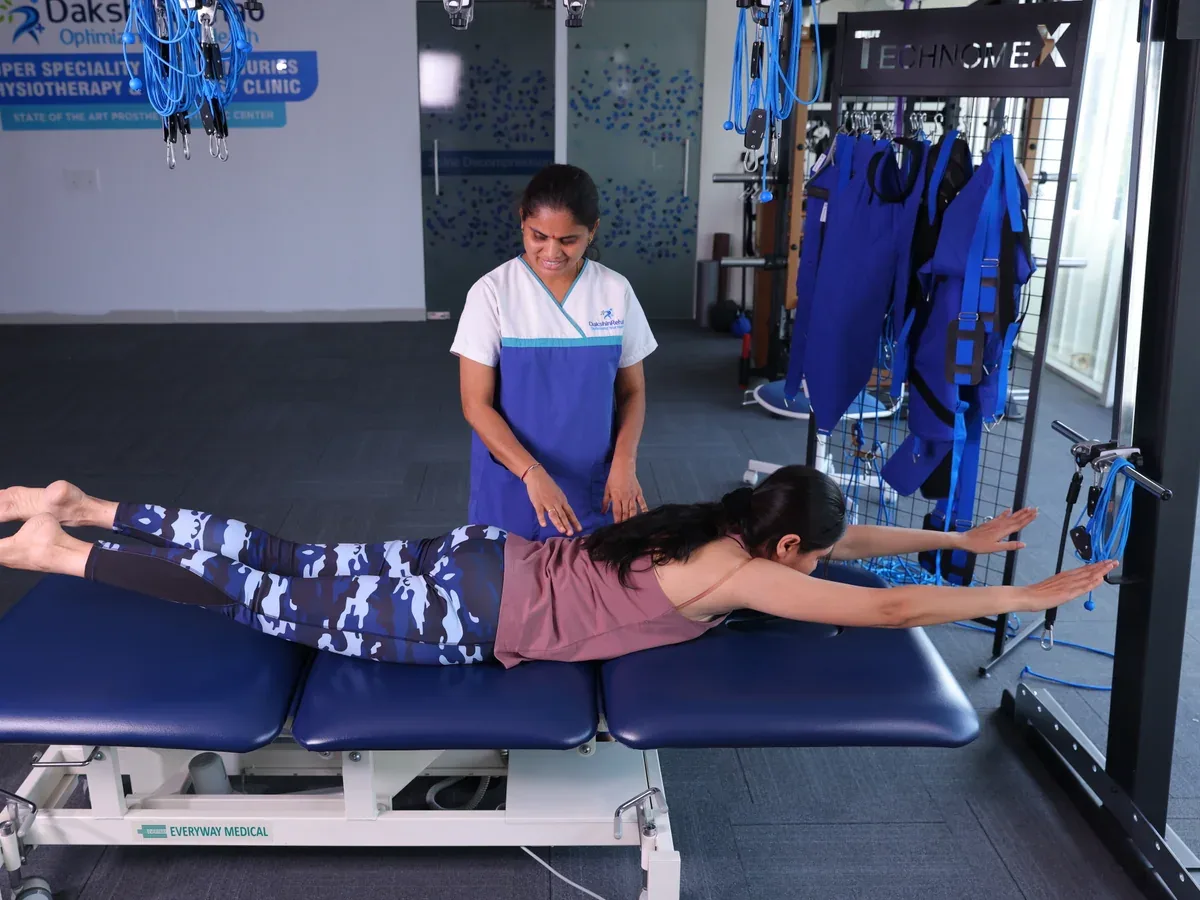
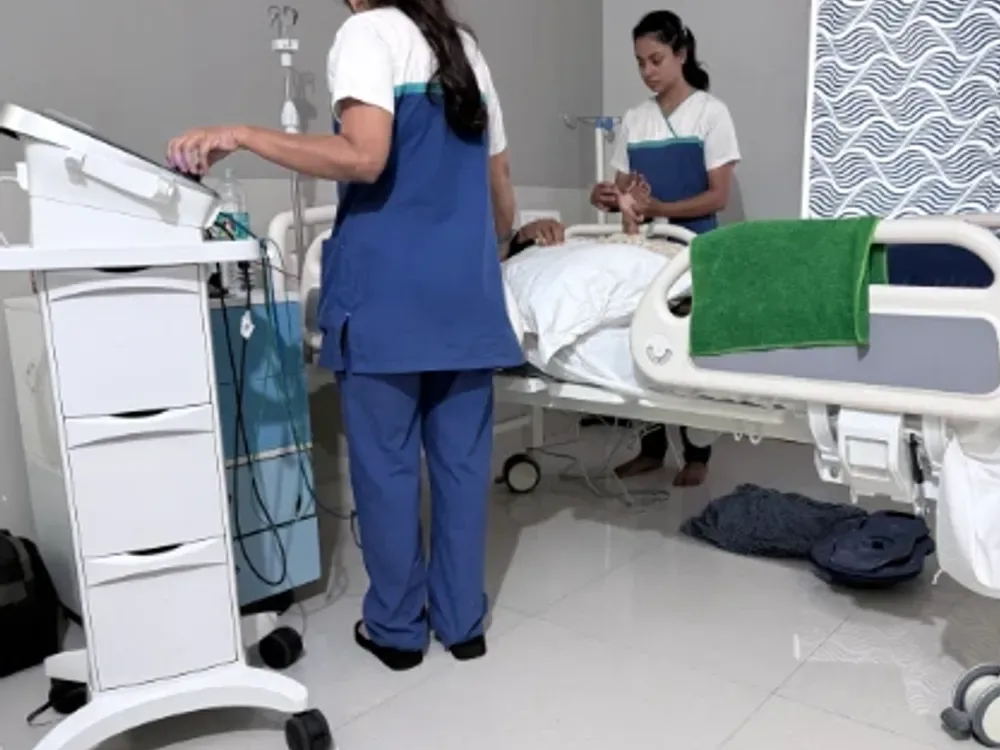
One-sided weakness or paralysis after stroke. We use Redcord Neurac for suspension-based re-education and FES to stimulate weak muscles, rebuilding voluntary control step by step.
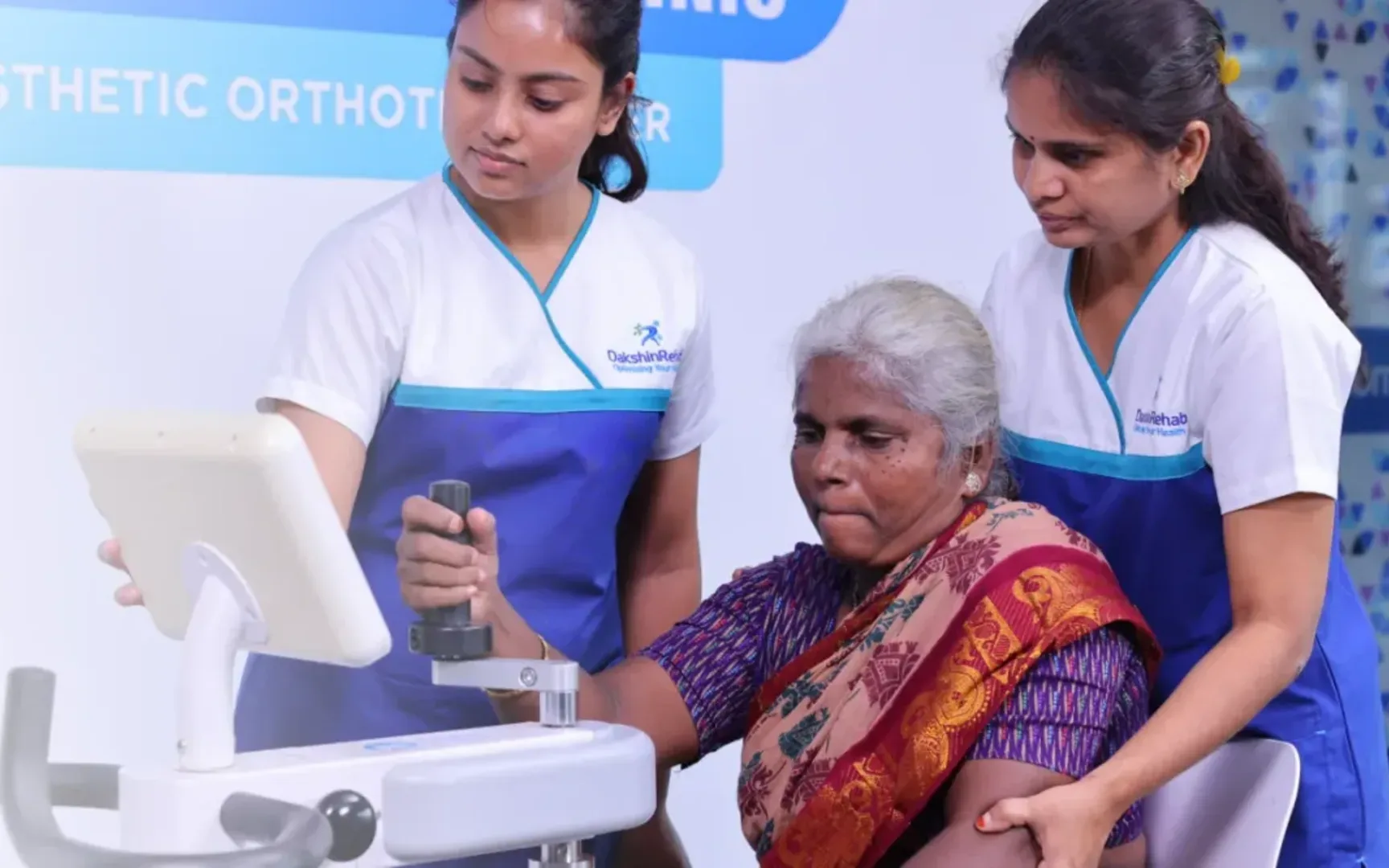
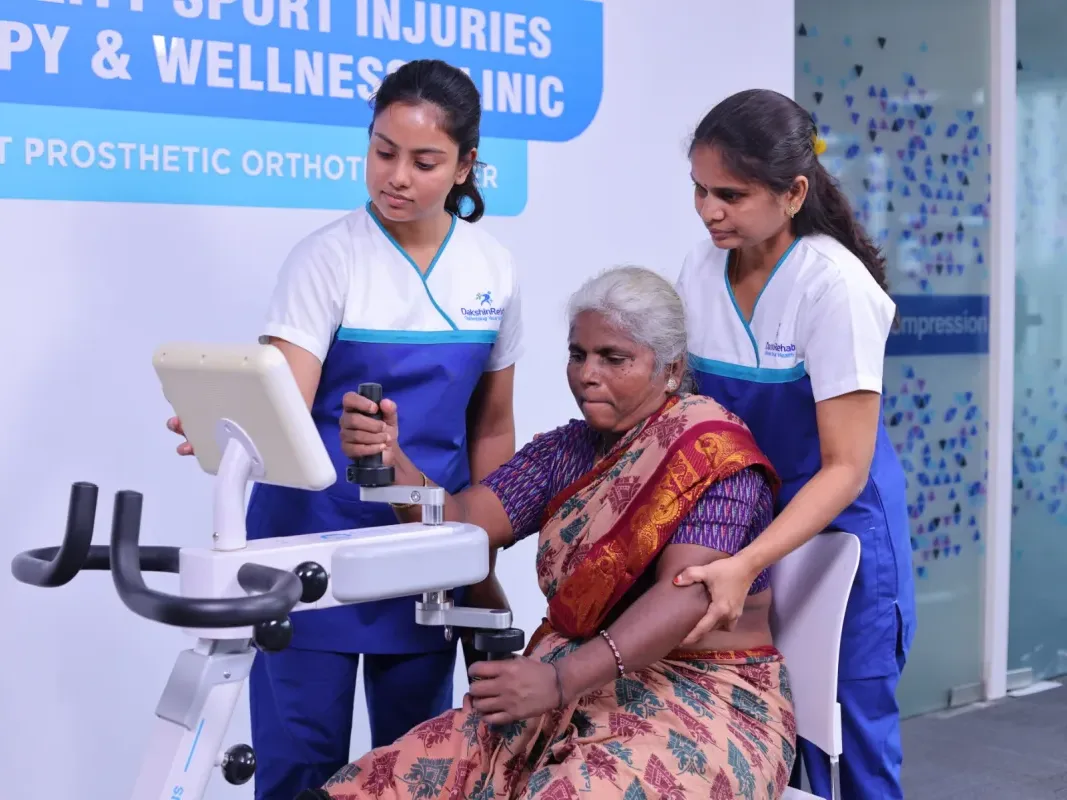
DakshinRehab in Moosapet, Hyderabad rehabilitates stroke, spinal cord injury and traumatic brain injury survivors using Redcord Levitas Neurac, Chattanooga Wireless Pro FES and the Cyclomotus robotic gait trainer. From post-stroke hemiplegia to paraplegia, we provide both outpatient and 24/7 inpatient neuro-rehab.
Personalised, technology-driven rehabilitation in Moosapet, Hyderabad.
One-sided weakness or paralysis after stroke.
Partial or complete loss of function below the level of injury.
One-sided weakness or paralysis after stroke. We use Redcord Neurac for suspension-based re-education and FES to stimulate weak muscles, rebuilding voluntary control step by step.
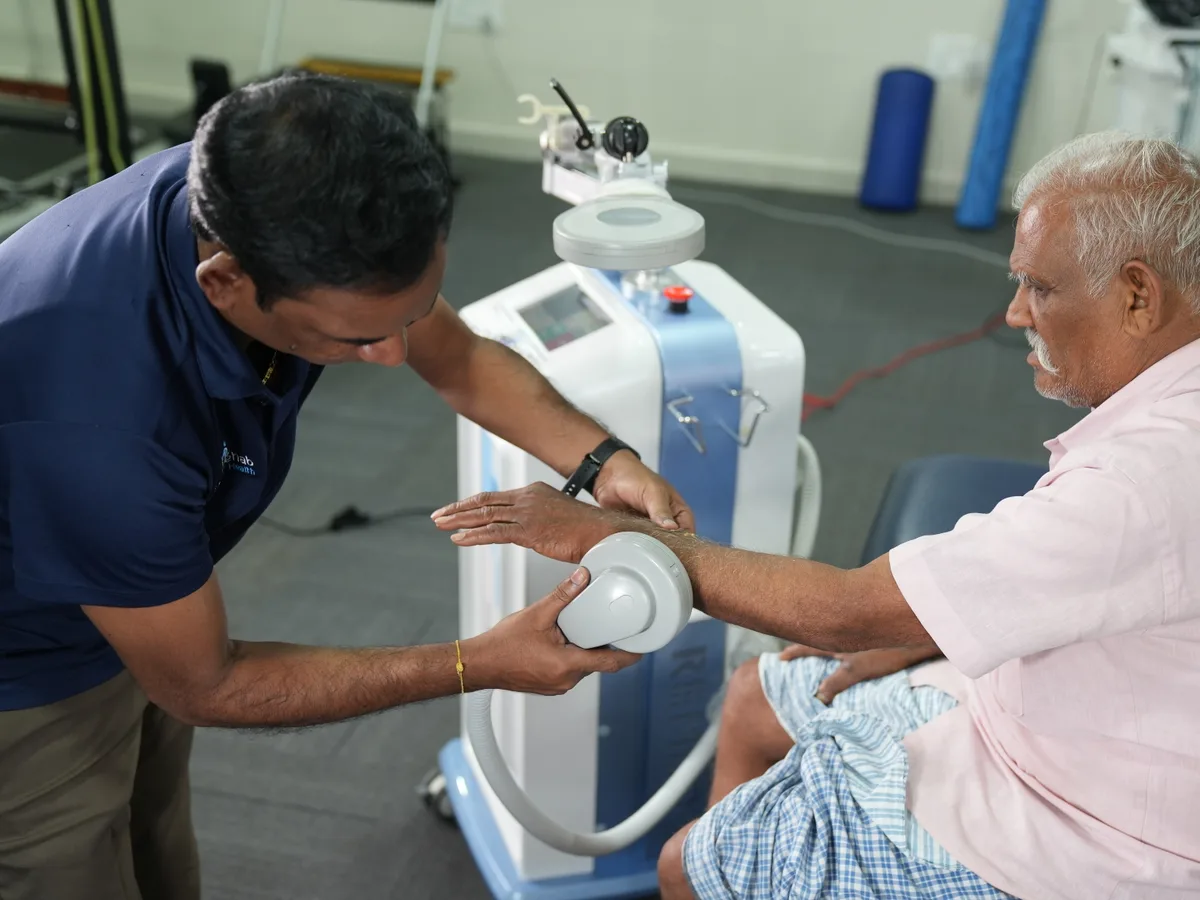
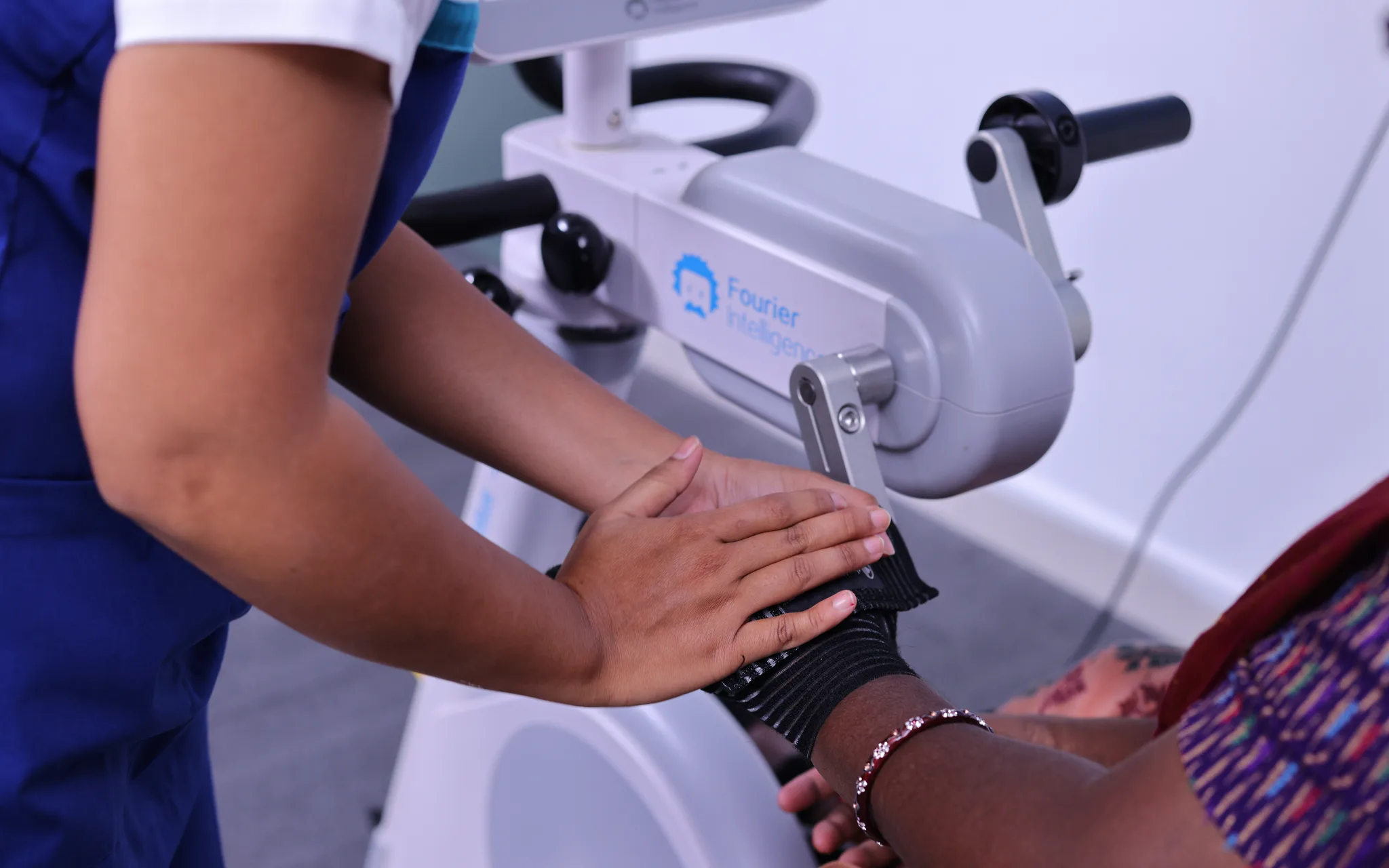
Partial or complete loss of function below the level of injury. Robotic-assisted training and FES help retrain what remains, while we focus on maximizing independence and preventing complications.
Muscle stiffness and imbalance increase fall risk. We use neuromuscular re-education and balance retraining to reduce spasticity and restore safe mobility.
Every stroke, spinal cord injury and brain injury presents differently. These are the functional challenges DakshinRehab Moosapet most often works on at the first neuro-rehab assessment. Each programme is individualised, and progress varies from person to person.
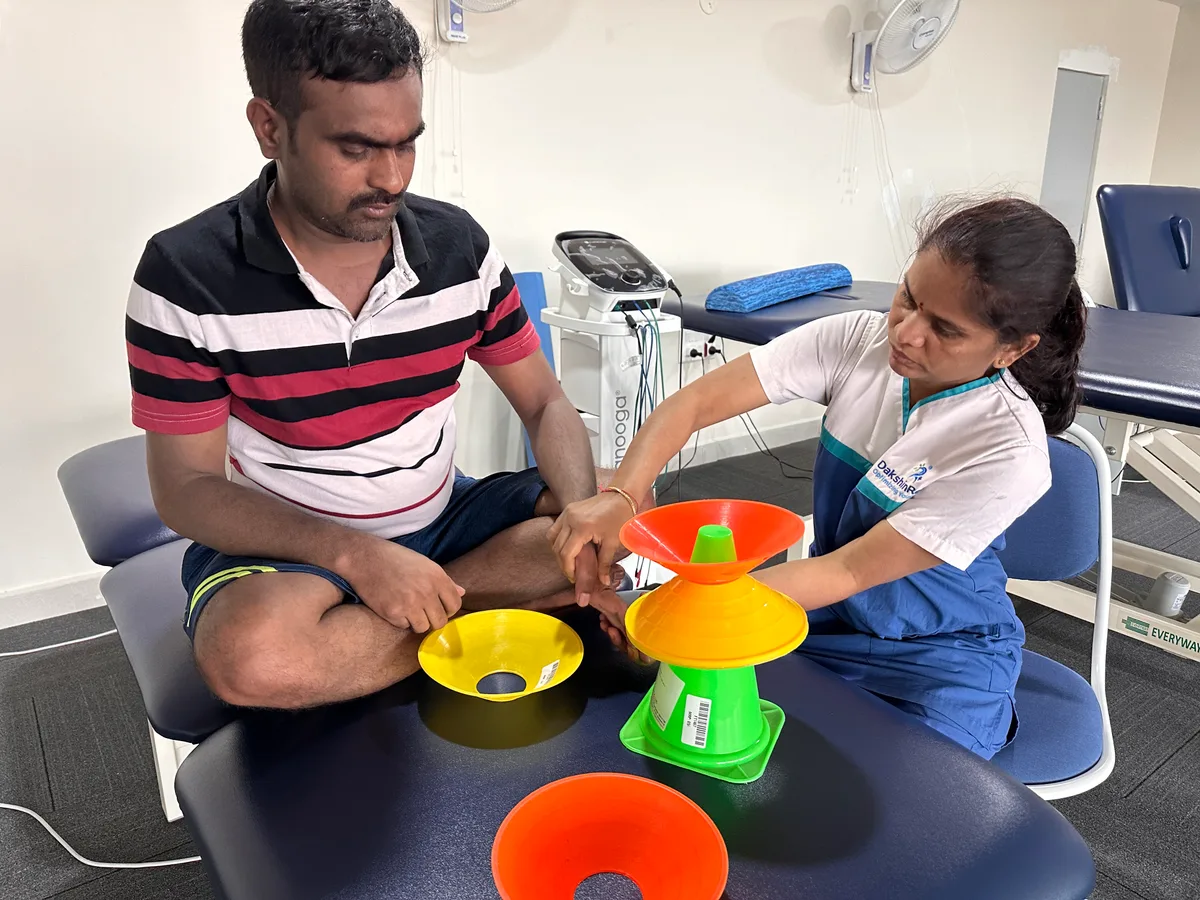
Hemiplegia or hemiparesis after stroke, or limb weakness after SCI, makes moving, standing and using an arm difficult. Rehabilitation is designed to re-activate weak muscles and retrain controlled movement.
Tightness, involuntary spasm or a clenched hand can limit function and comfort. A structured programme aims to manage tone and maintain range so the limb stays usable for daily tasks.
Unsteadiness when sitting, standing or turning raises the risk of falls at home. Balance and postural-control training is designed to make everyday movement safer and steadier.
Foot drop, dragging a leg or needing heavy support to walk are common. Gait retraining — supported by FES and robotic assistance where indicated — works toward more efficient, confident walking.
Trouble reaching, gripping or performing fine tasks affects independence in dressing, eating and self-care. Task-specific practice aims to rebuild useful arm and hand movement step by step.
Altered sensation, communication difficulty or swallowing changes can accompany neurological injury. We screen for these and coordinate with the wider medical and rehabilitation team when specialist input is needed.
Assessment, technology-assisted retraining, and progressive independence—tailored to your neurological presentation.
We evaluate motor function, spasticity, balance, and cognition to establish a realistic baseline and define your rehabilitation goals.
Schedule Your Neuro-Rehab AssessmentRedcord Neurac for gait and movement re-education, Wireless Pro FES for paralyzed or weak muscles, and Cyclomotus Robotic Trainer for arm and leg training in early recovery.
Explore Our Neuro Technology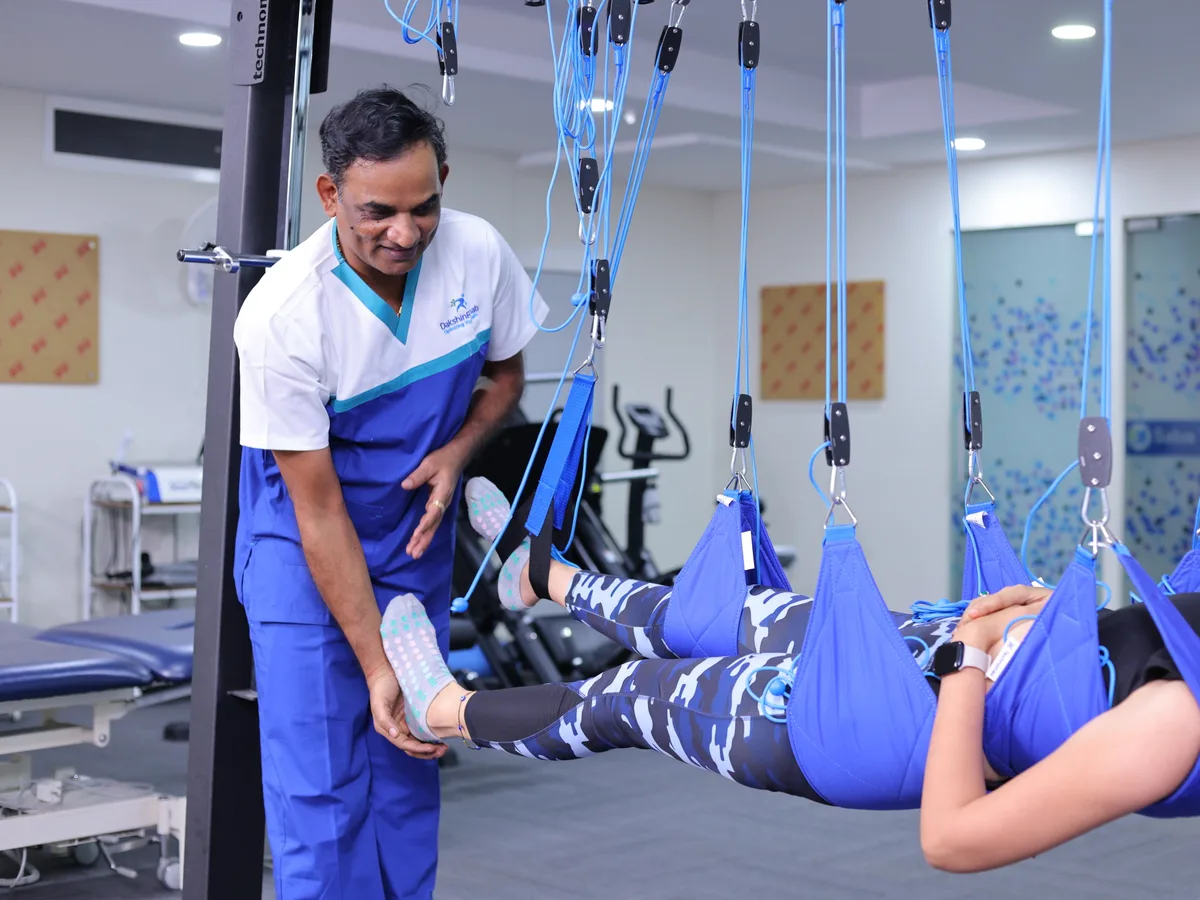
Structured progression toward daily-living goals. We offer inpatient neuro-rehab facilities in Moosapet for those who need intensive, supervised rehabilitation.
Connect with Our Neuro Team: +91 80192 99888Neuro-rehabilitation is most effective when it starts early and stays consistent — but meaningful progress is possible at many stages, not only in the first weeks. These are the moments to book a neuro-rehab assessment at DakshinRehab Moosapet.
Once the treating hospital confirms you are stable, early rehabilitation gives the nervous system the best opportunity to relearn movement. Beginning sooner is generally better than waiting.
If progress has stalled after earlier therapy, a fresh assessment often identifies new goals and techniques — technology-assisted repetition can help restart momentum that home routines cannot.
Rising muscle tone, a tightening hand or a stiffening limb should be reviewed promptly. Timely management helps protect range of movement and keeps the limb usable for daily activities.
More unsteadiness, near-misses or falls at home signal that balance and walking need structured retraining before confidence and safety decline further.
Discharge is the right time to set up an outpatient or home neuro-rehab plan so the gains made in hospital are carried forward rather than lost in the weeks that follow.
If moving, transferring or self-care is getting more difficult for you or your caregiver, an assessment can rebuild practical independence and reduce day-to-day strain.
Honest answers to the questions people ask about a parent, partner or sibling after a stroke or spinal cord injury — including the ones that are hard to ask out loud.
Nobody can answer that honestly in the first days, and be cautious of anyone who does. What it depends on is how much of the brain was affected, whether he can already move the leg a little, his trunk control, and how consistently rehabilitation is done. We assess those directly and tell you what we are seeing rather than offering a percentage.
No. Recovery is fastest in the early months, which is why we push for an early start, but improvement in strength, balance, walking quality and independence is still achievable later. Many families come to us after being told nothing more can be done. We assess what is limiting function now and say honestly whether we can change it.
Age alone does not rule anyone out. What matters is medical stability, stamina for a therapy session, and what she needs to be able to do at home. For an older patient the goal is often transfers, safe walking indoors and getting to the bathroom independently — smaller targets, and often the ones that decide whether someone can live at home.
It depends on how much therapy he can tolerate and how much help he needs between sessions. Inpatient makes sense when several hours of daily therapy is realistic and the family cannot safely manage transfers and positioning yet. Home therapy suits a patient who is stable and mobile enough. We will say which we think fits after assessment, including when it is not us.
Yes — families travel to us from across Telangana, Andhra Pradesh and abroad. Tell us his current medical status, what he can do unaided, and any equipment he depends on, and we will tell you before you travel whether admission is appropriate and what to arrange. Please ask about attendant stay and accommodation when you call, so nothing is a surprise on arrival.
Because it is measured, not felt. Goals are set on admission and reviewed weekly against the same tests — strength, balance, gait quality, and what he can do without help. You should be shown that comparison. If the numbers are not moving, the plan changes; that is the point of reviewing them.
Generic physiotherapy alone cannot retrain a paralyzed muscle. At DakshinRehab Moosapet, we use FDA-cleared Redcord Neurac, FES, and robotic trainers to stimulate, re-educate, and progressively load the nervous system—so recovery is measurable and meaningful.
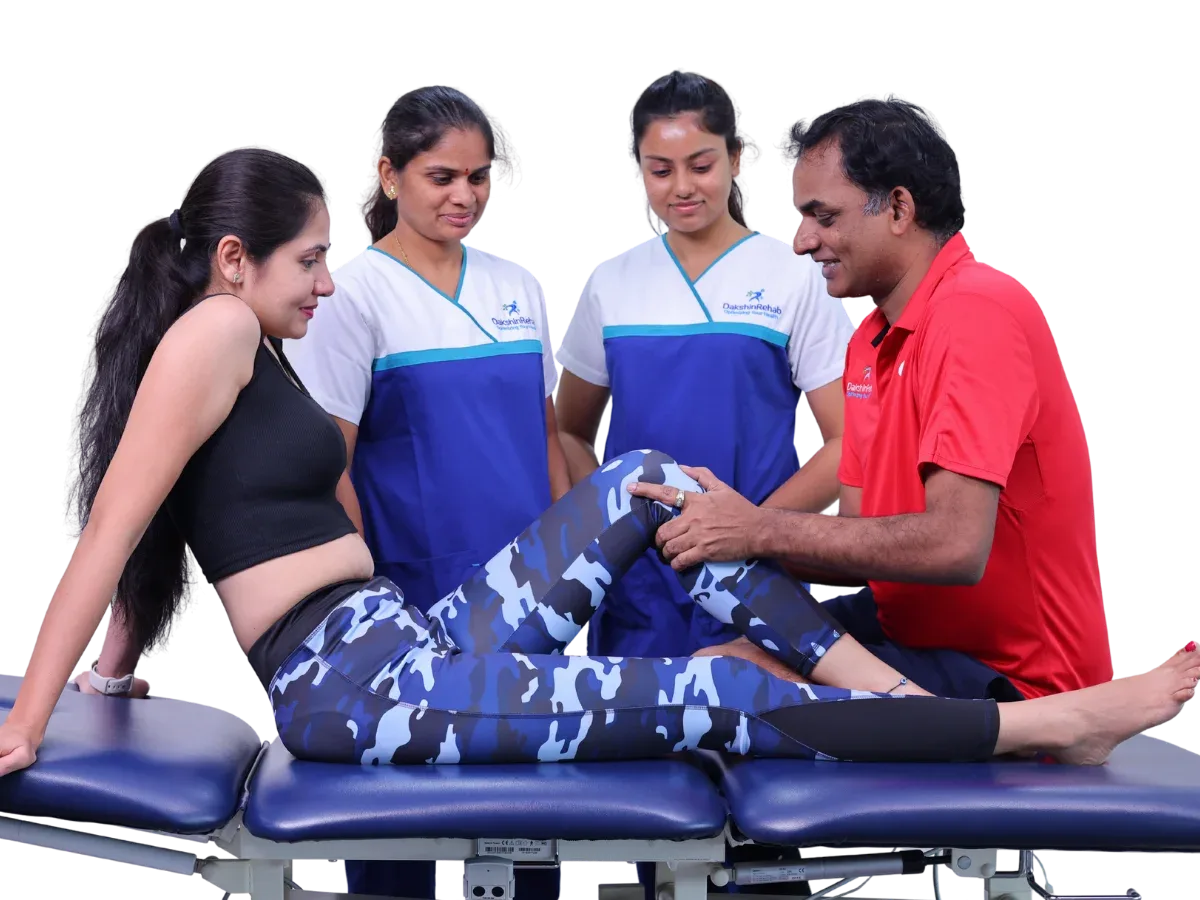
MPT-certified neuro physiotherapists with experience in stroke, SCI, and TBI.
Tailored plans for hemiplegia, paraplegia, quadriplegia, spasticity, and TBI.
DakshinRehab clinical pathwayRedcord Levitas Neurac, Chattanooga Wireless Pro FES, and Cyclomotus Robotic Trainer.
Functional assessments and goal tracking at each phase.
Clinical comparison
General physiotherapy focuses on range of motion and stretching. Neuro-rehabilitation targets the brain–muscle connection. We use electrical stimulation to wake up weak muscles, suspension therapy to retrain movement patterns, and robotics to support early repetitive practice—so you relearn to move, not just stretch.
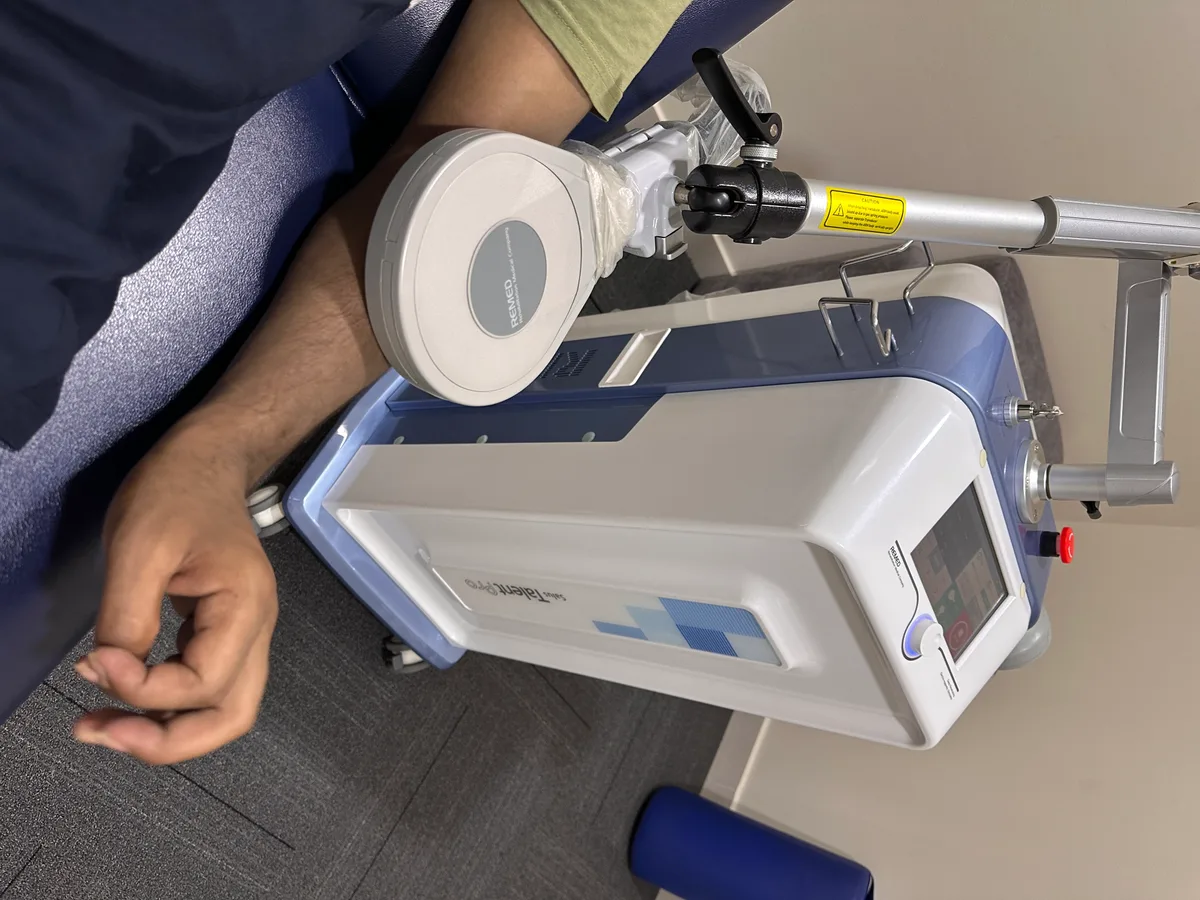
Dedicated neuro-rehab beds for intensive, supervised rehabilitation in Moosapet. BOA MAX 2 lymphatic drainage available for neurological edema management.
Located in Moosapet, Hyderabad — serving Kukatpally, KPHB, Miyapur, and Gachibowli.
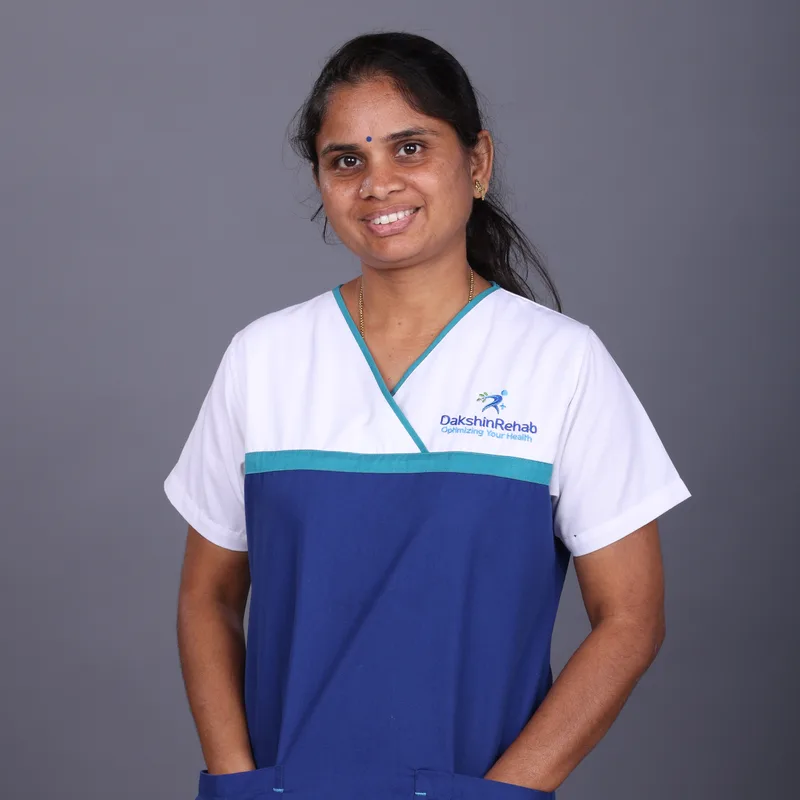
“The brain can rewire. Our job is to give it the right signals, the right repetition, and the right support.”
A phased pathway to relearning movement, reducing spasticity, and reclaiming daily function.
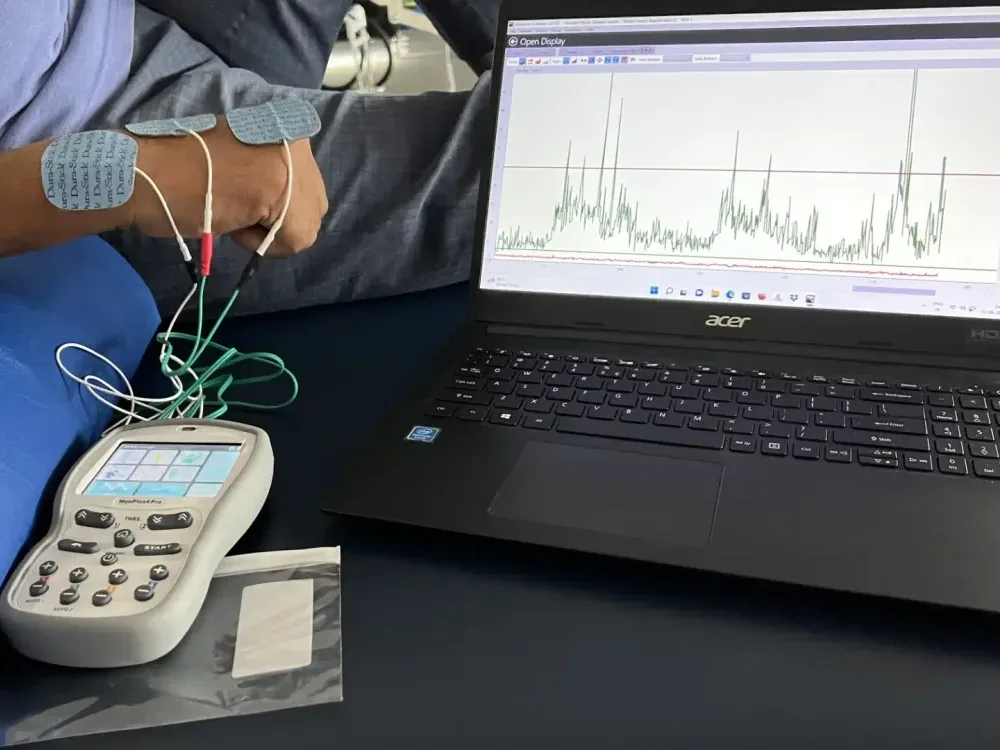
Clear baseline and tailored rehabilitation goals
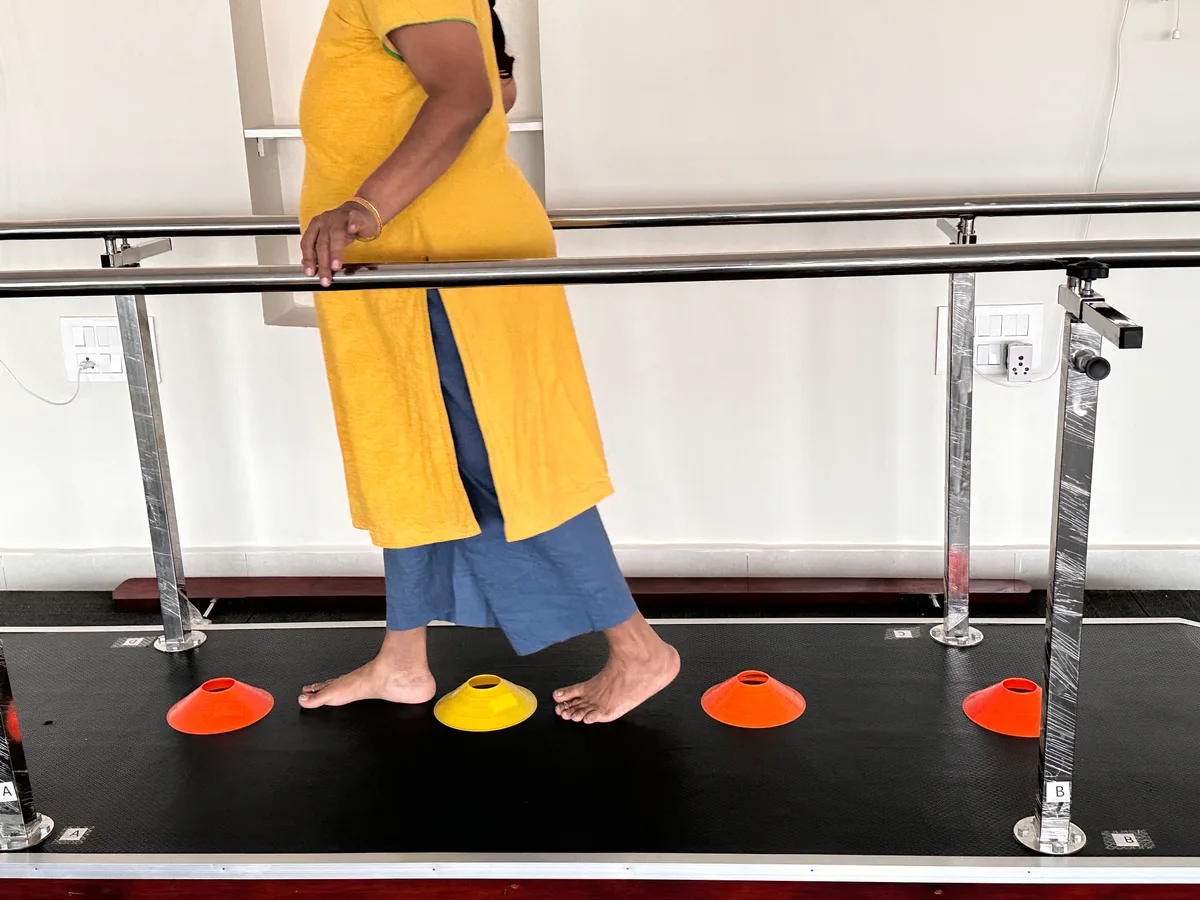
Complete clarity on your pathway forward
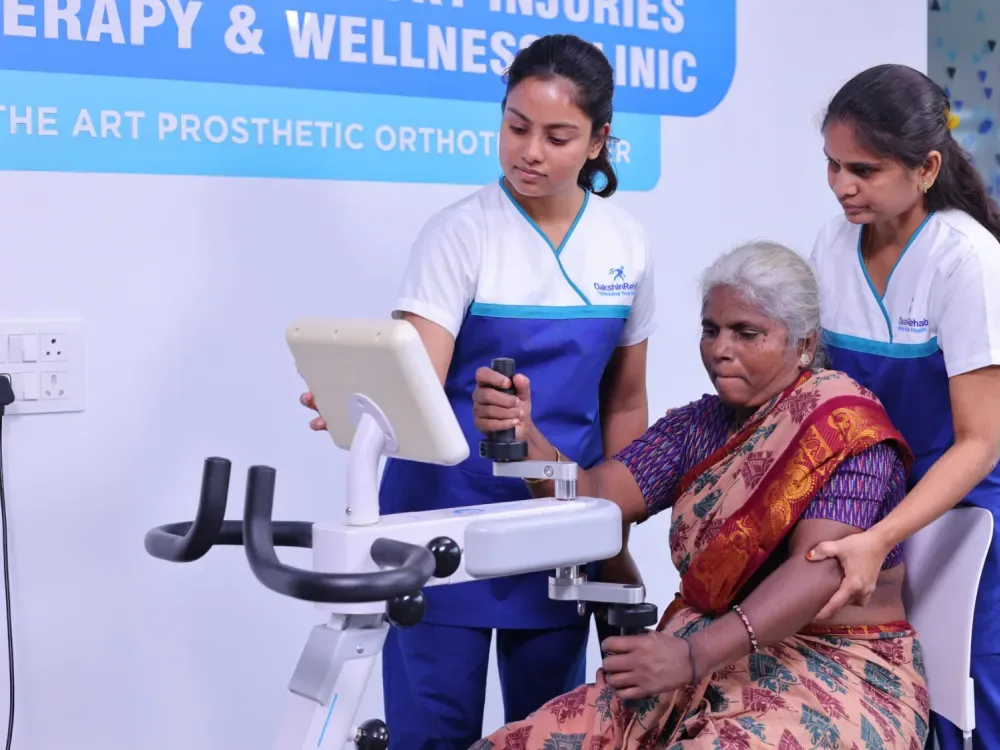
First voluntary movements; reduced dependence
Improved gait pattern; safer transfers
Greater independence in daily activities
Empowered to sustain gains and prevent decline
The first weeks and months after stroke or spinal cord injury are critical. Starting neuro-rehabilitation early improves long-term outcomes. If you or a loved one has any of these presentations, contact DakshinRehab in Moosapet for assessment.
Recent Stroke (Within 3 Months) — Early mobilization and FES can accelerate motor recovery.
New Spinal Cord Injury — Prompt rehab prevents complications and maximizes return of function.
Worsening Spasticity — Unmanaged stiffness limits mobility and increases pain; we address it early.
Frequent Falls or Balance Problems — Indicates need for gait retraining and balance work.
Unable to Transfer Safely — Risk of caregiver injury and patient falls; transfer training is essential.
Plateau or Regression — If progress has stalled, a new protocol or technology may help.
Find DakshinRehab on Google Maps to read reviews shared by patients.
Our expert physiotherapists and rehabilitation specialists at DakshinRehab bring decades of combined experience to your recovery.
BPT, MPT, IAP Registered
Director, Human Movement Specialist, Physiotherapist
CPO
Consultant Rehabilitation Specialist, CPO | Founder, DakshinRehab
MS (General Surgery), DNB (Vascular Surgery)
Sr. Consultant Vascular & Endovascular Surgeon | Diabetic Foot & Wound Care
Learn more about this condition and treatment options from our expert team.
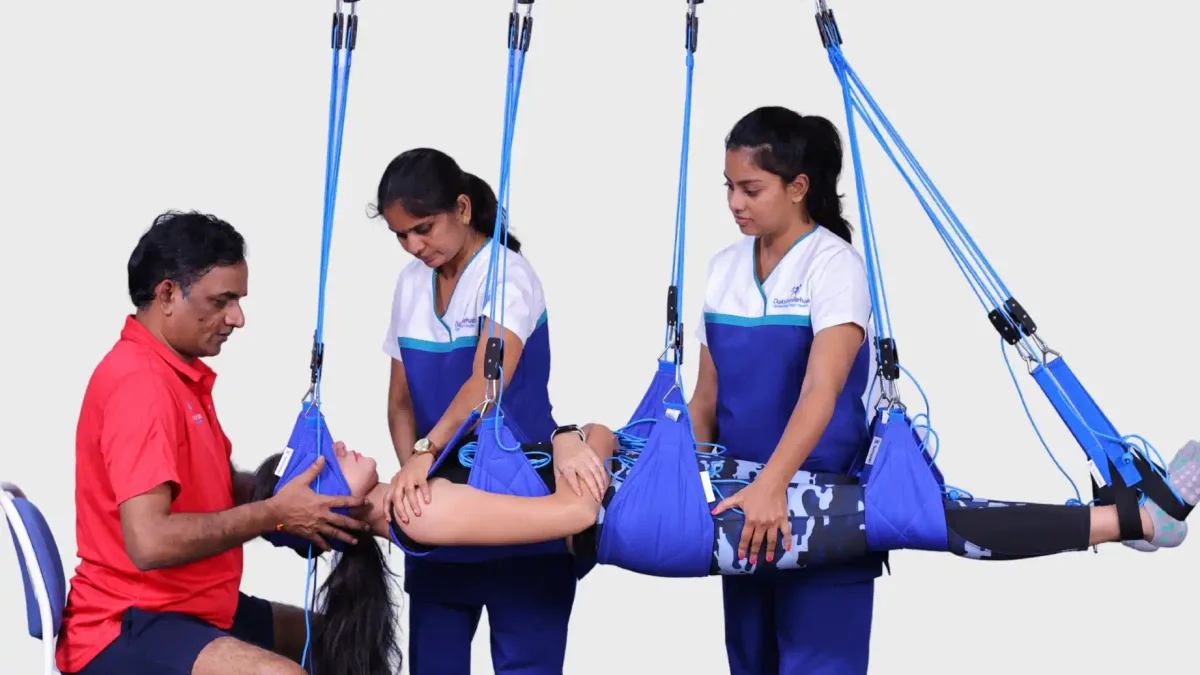 Neuro Rehabilitation
April 24, 2026
Why the first 3–6 months after a stroke matter most — and how Redcord Neurac suspension therapy at DakshinRehab Moosapet uses graded unloading, vibration and closed-chain instability to drive the neuroplasticity that accelerates arm, leg and gait recovery.
Read More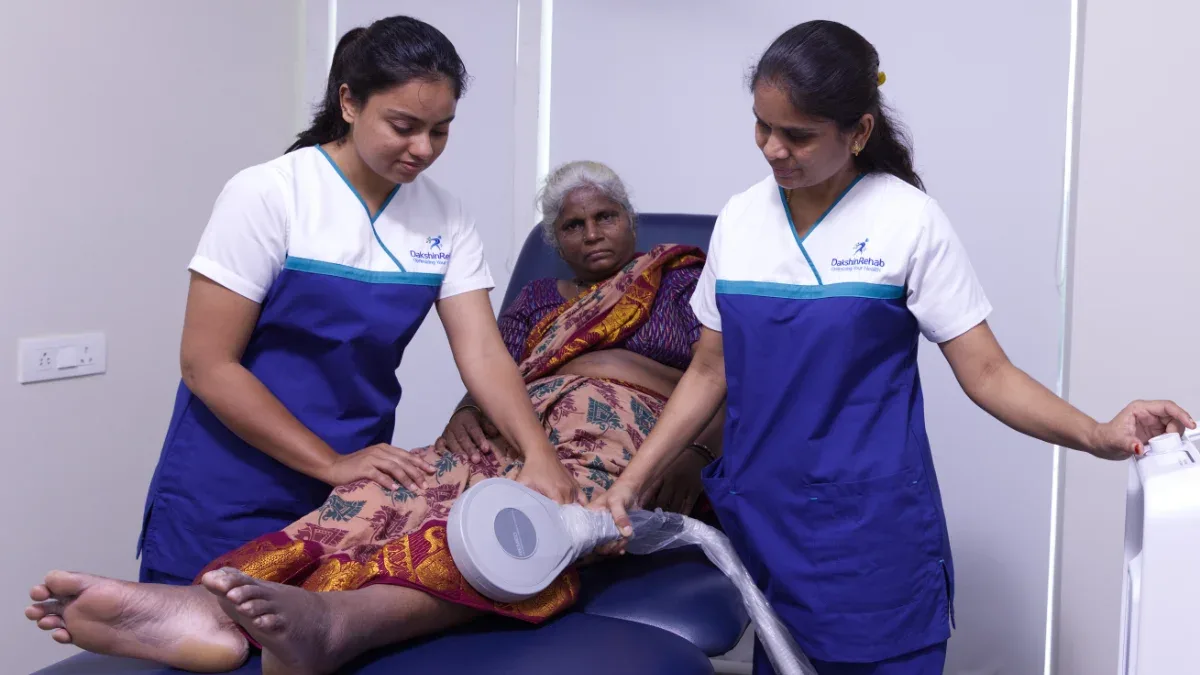 Neuro Rehabilitation
March 15, 2024
Why the first 6 months after a stroke matter most — and how DakshinRehab Moosapet phases neuro-physiotherapy, robotic gait, Redcord Neurac and EMG biofeedback across the acute, sub-acute and chronic stages to drive durable recovery of arm, leg, gait and independence.
Read More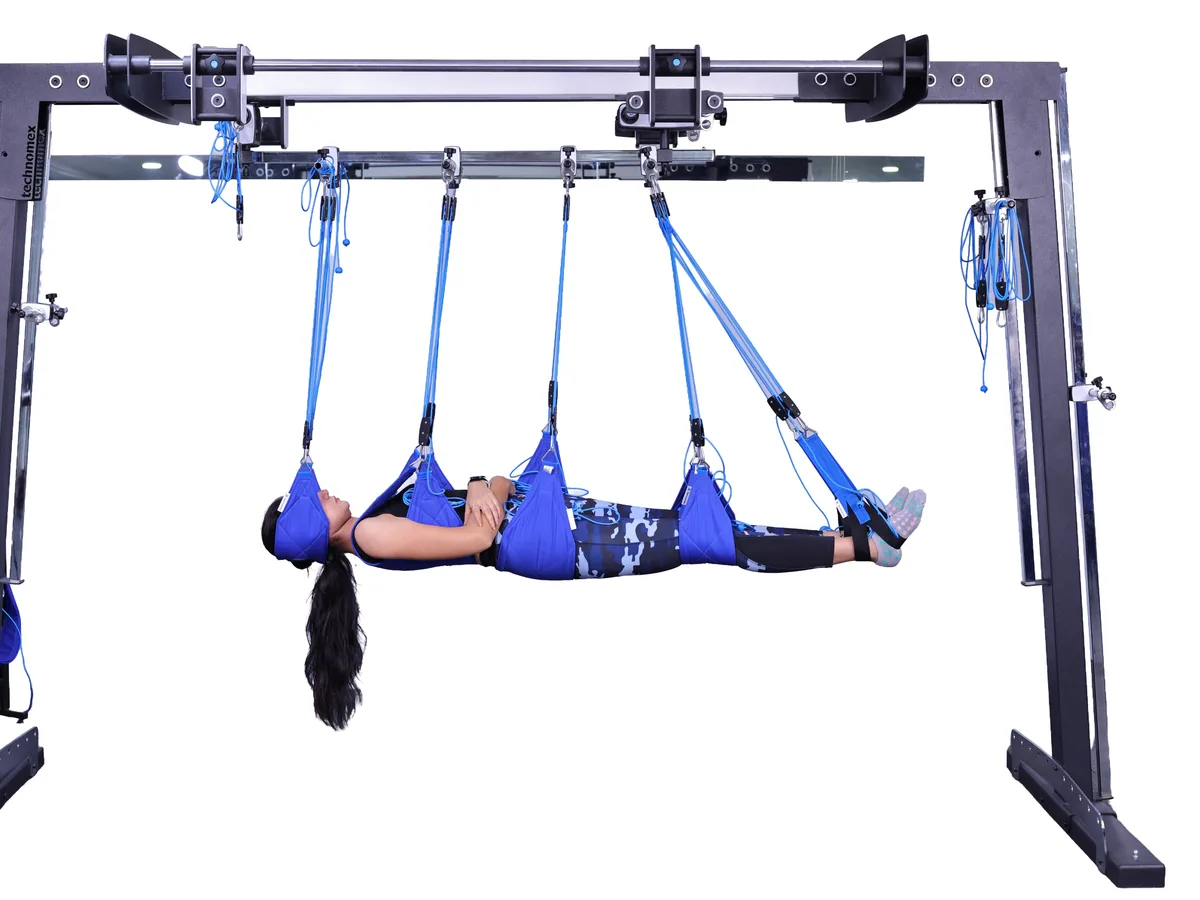 Treatment Technology
February 28, 2024
Redcord Neurac suspension therapy guide: pain relief, neuromuscular training, back pain treatment. Learn how it works.
Read More
“Every treatment page should help patients understand what is safe, what is urgent, and what care path fits their condition. Clinical review keeps that advice practical and trustworthy.”
- Dr. SwapnagandhiHuman Movement Specialist, Physiotherapist
Credentials: BPT, MPT, IAP Registered
The clinical content on this page is written and independently reviewed by qualified physiotherapists at DakshinRehab, Moosapet, Hyderabad.
Direct answers from the neuro physiotherapy team at DakshinRehab Moosapet.
Still have questions?
Your next step
We have treated approximately 20,000 patients. Your initial assessment is free only when you book an appointment online and attend your confirmed time slot. Treatment charges are explained before treatment begins.
Book an Appointment