Step 1
Assess the Problem
Discuss symptoms and medical history, examine movement and agree on meaningful rehabilitation goals.
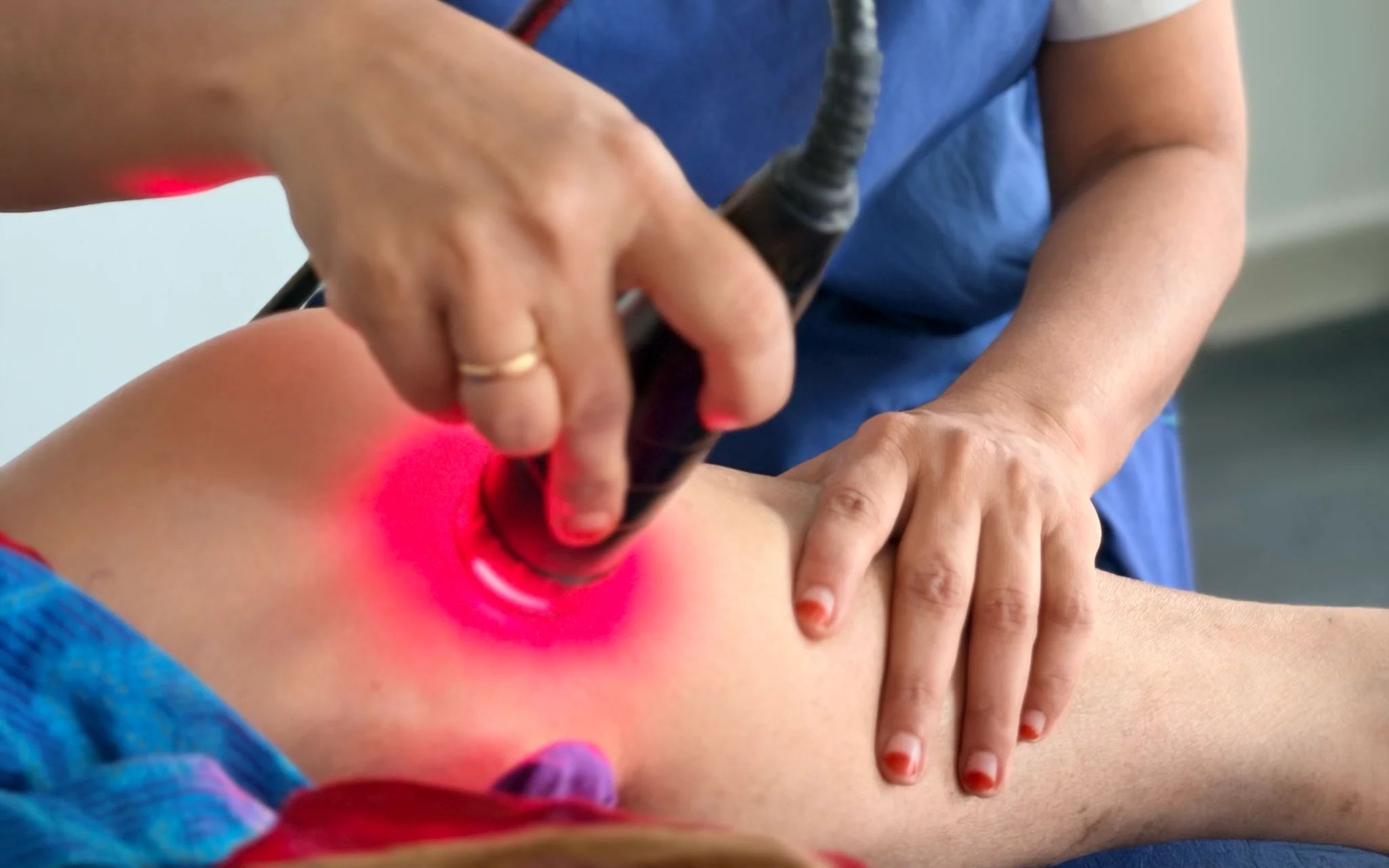
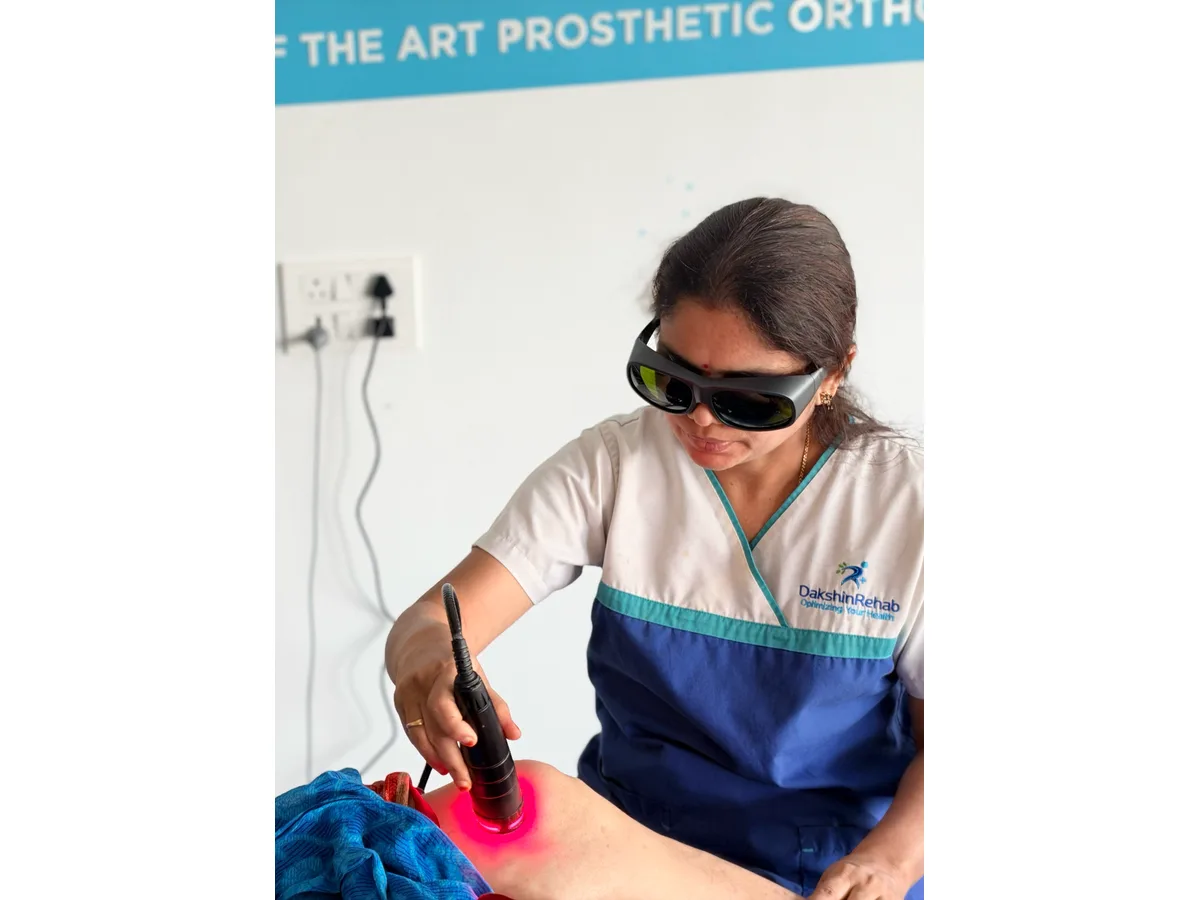
High-intensity laser therapy (HILT) uses light applied to the skin to support symptom management in selected muscle, tendon and joint problems. At DakshinRehab, assessment and a rehabilitation plan come first.
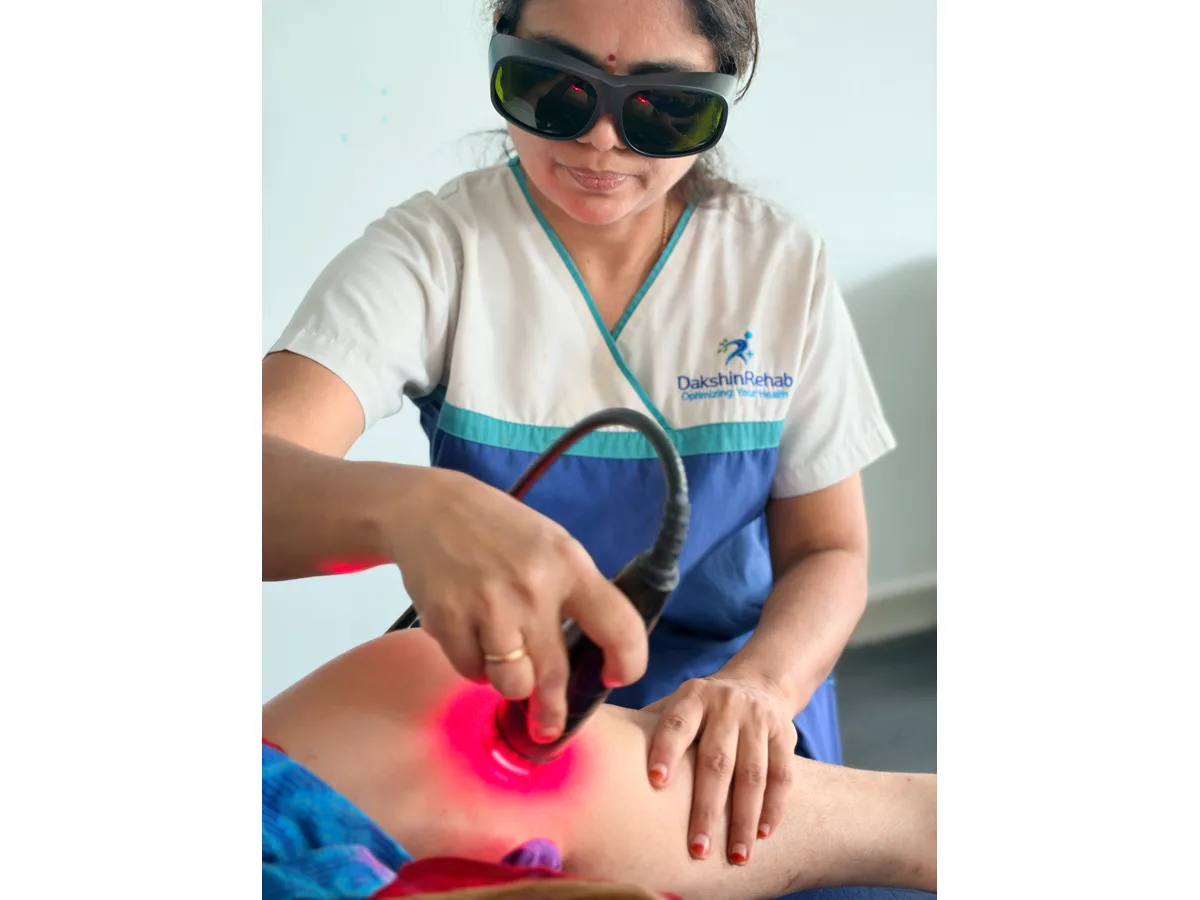
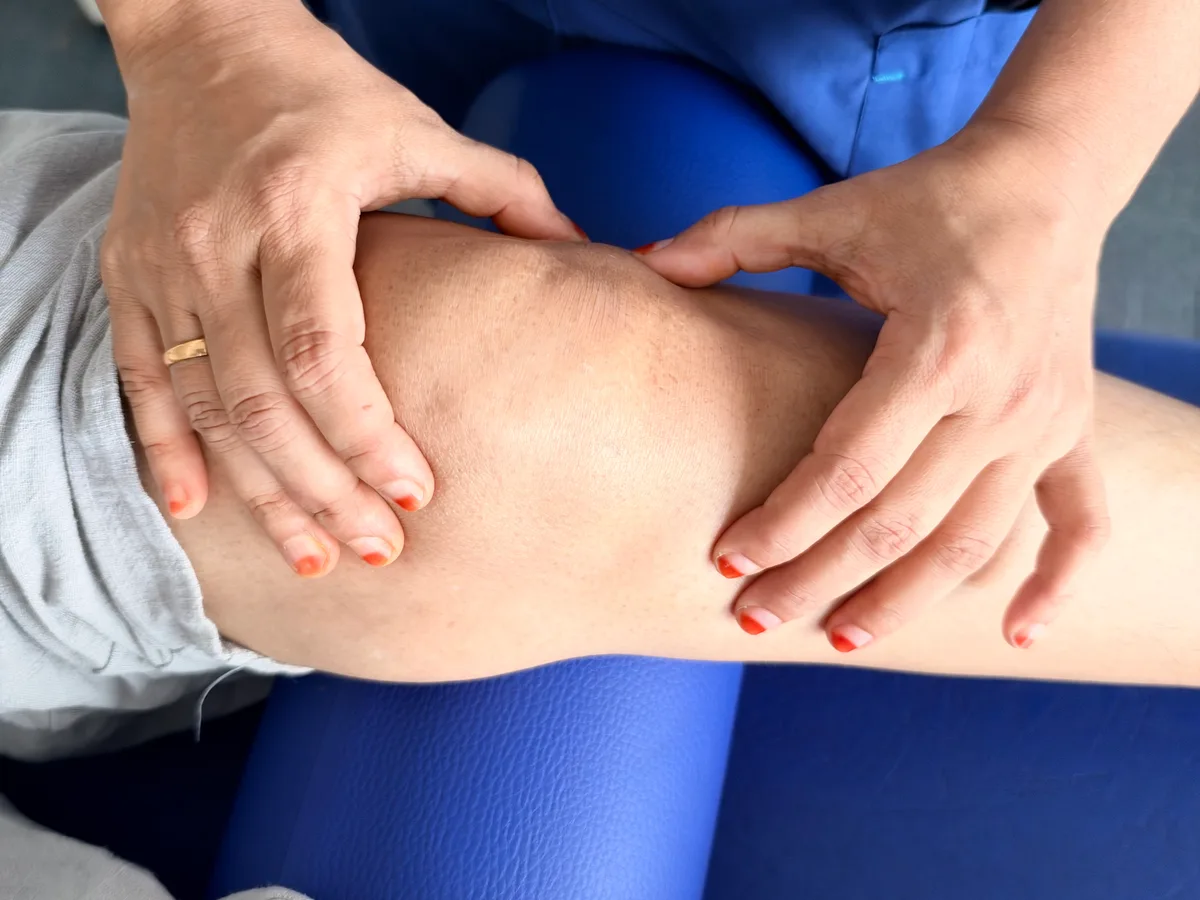
We start with your symptoms, a working diagnosis and the activities you want to regain. Laser is considered only when it has a reasonable role in your assessed rehabilitation plan.
Treatment combines appropriate exercise and movement practice with regular review. Class IV does not identify a single machine, dose or protocol; results from one laser cannot establish the benefits of every device.
Discuss symptoms and medical history, examine movement and agree on meaningful rehabilitation goals.
Discuss evidence, alternatives and precautions before deciding whether laser adds value to your plan.
Continue guided exercise and review symptoms and function. Adjust treatment according to your response.
Photobiomodulation describes how therapeutic light can influence cellular signalling.
Therapeutic light can be absorbed by molecules in cells. Photobiomodulation describes the cellular responses being investigated.
Researchers propose effects on cellular energy processes, pain signalling and inflammatory responses. Nitric-oxide signalling is also a proposed link to circulation.
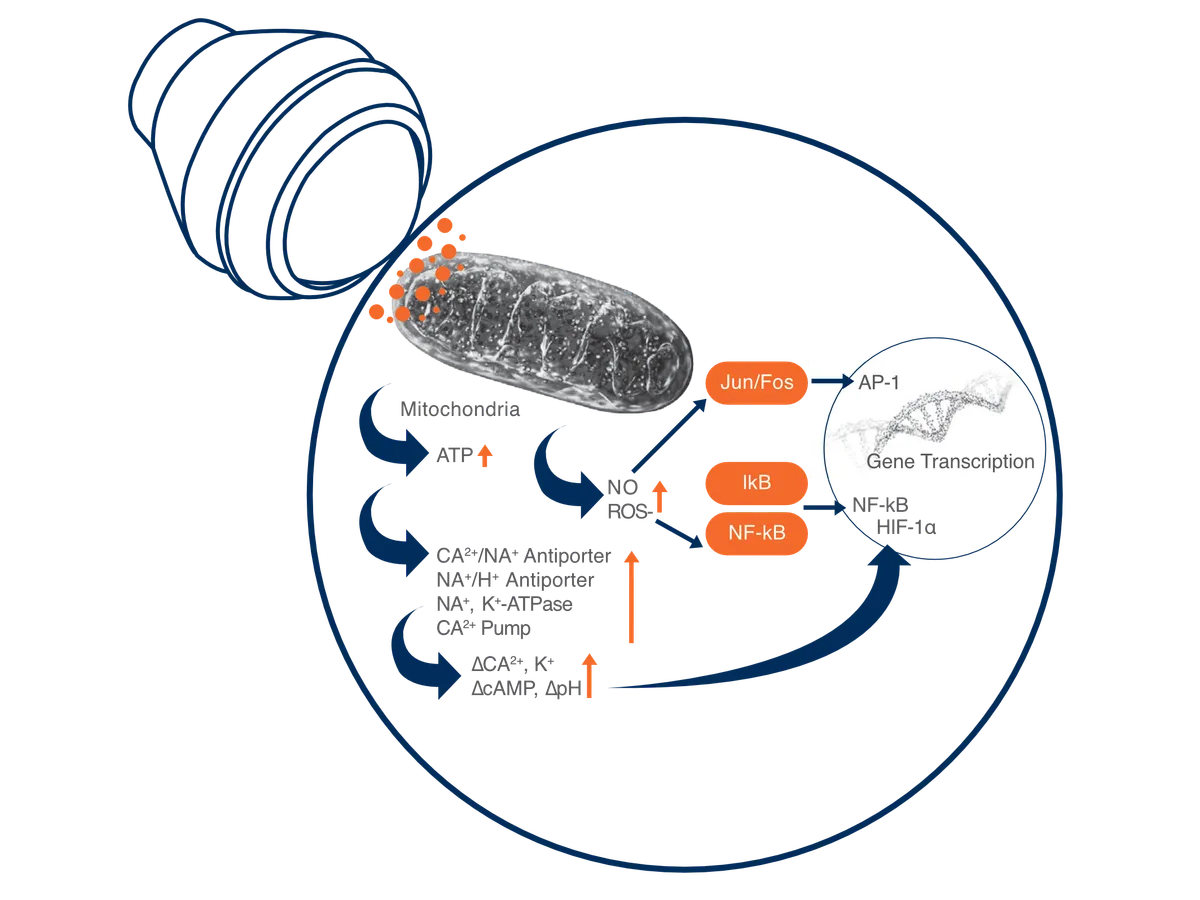
These mechanisms help explain why light is being studied. They do not prove that a particular treatment repairs tissue or improves your function. Much of the mechanistic literature concerns low-level light, and its findings cannot simply be transferred to every high-intensity protocol.
We judge a treatment by meaningful changes—such as walking, reaching or tolerating exercise—and by any adverse effects. A proposed cellular response is not a recovery guarantee.
There is no standard number of sessions or treatment duration for everyone. We discuss the proposed schedule, costs and review points after assessment. The plan changes with your response.
Assessment before selection
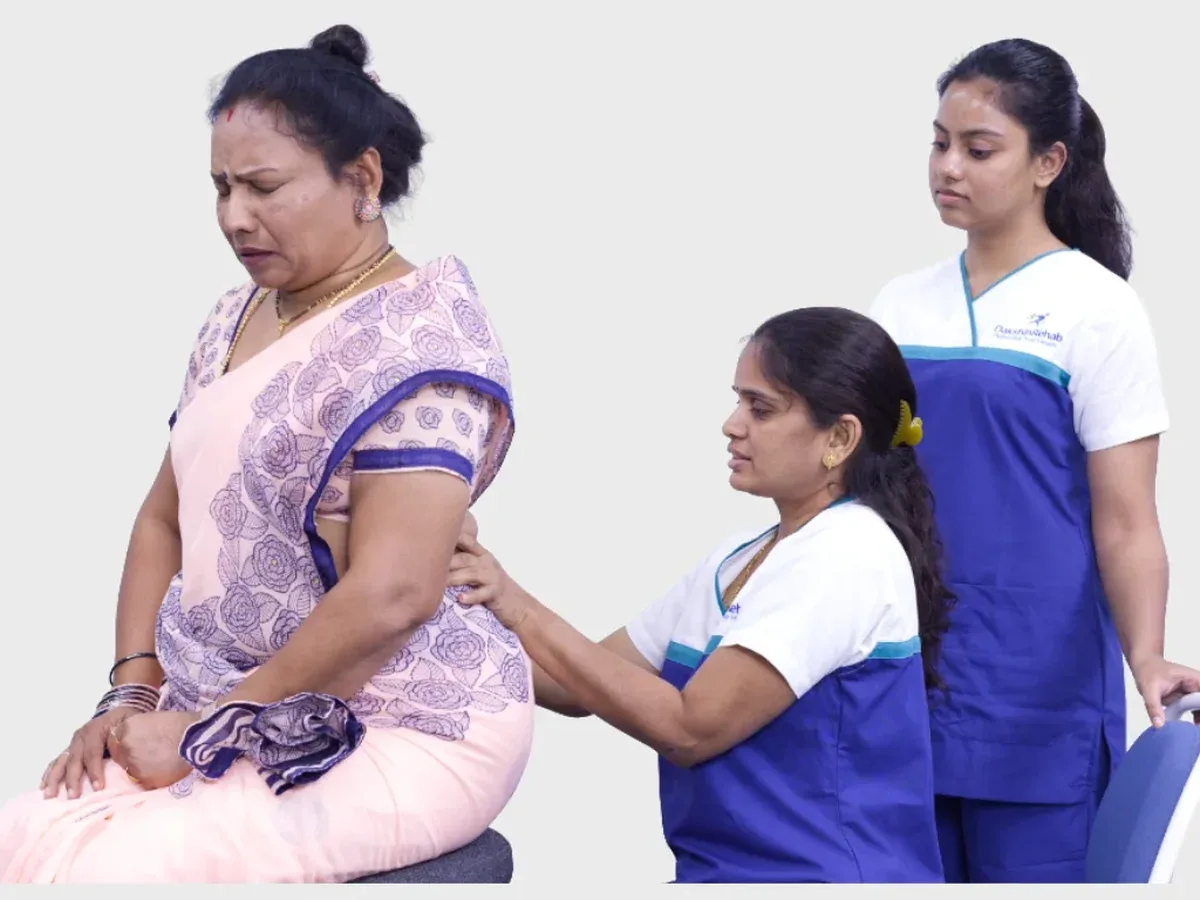
Clarify the likely problem
Make an informed decision
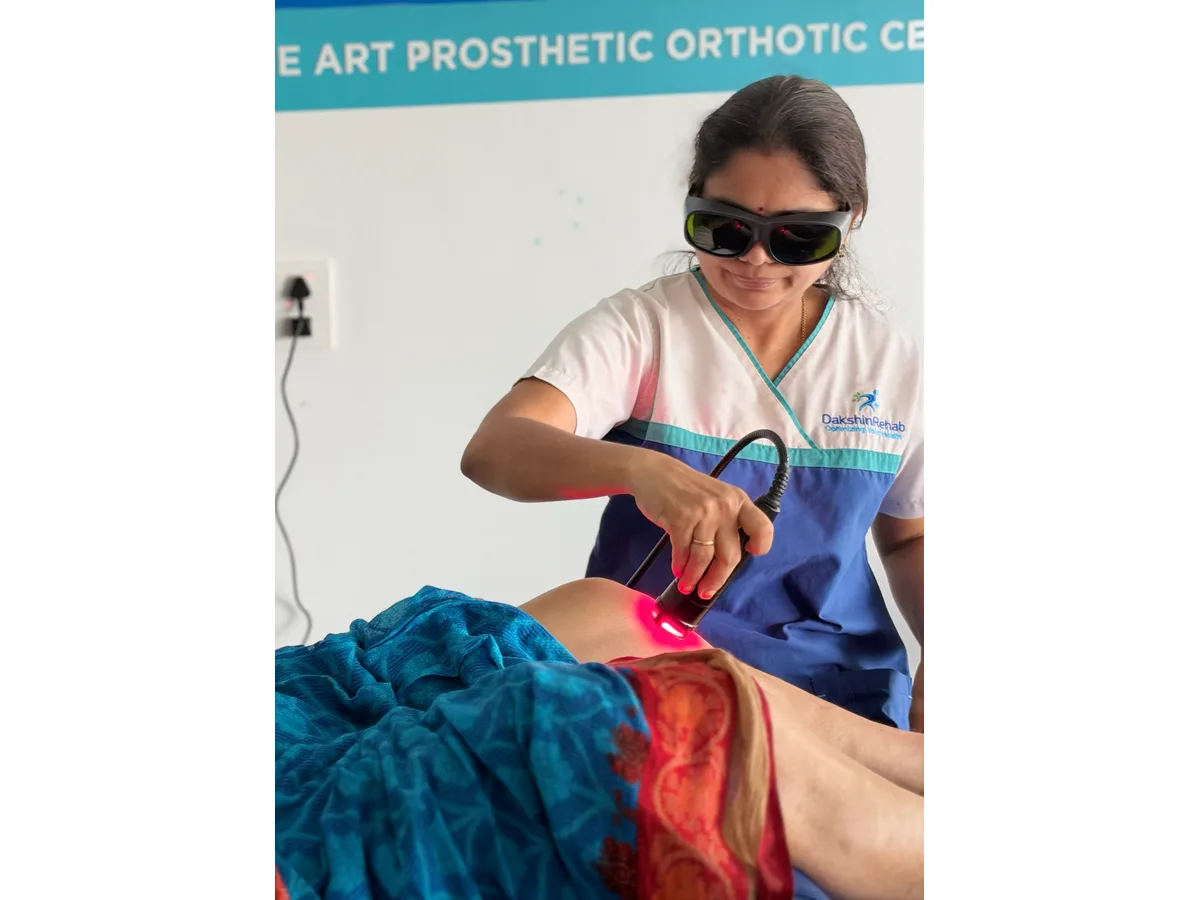
Monitor comfort throughout
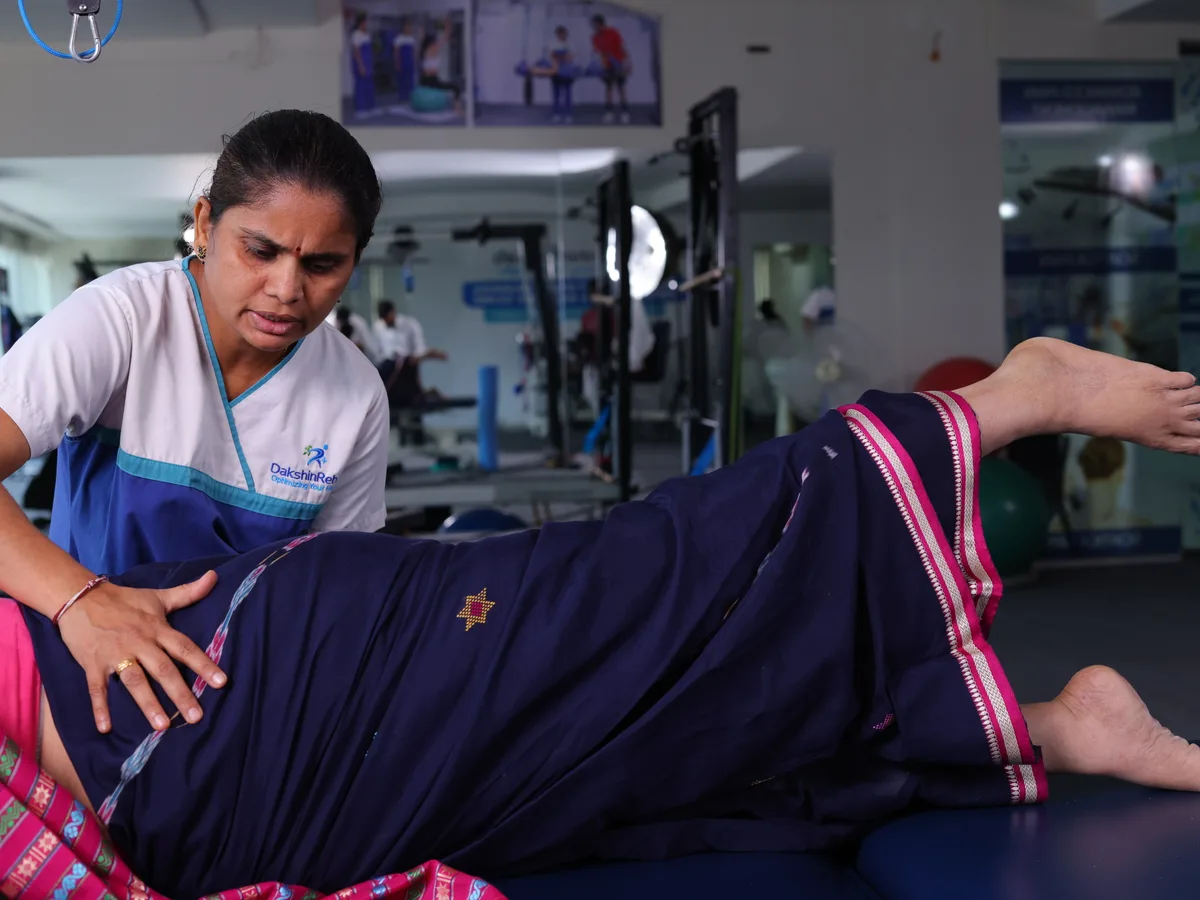
Rehabilitation remains central
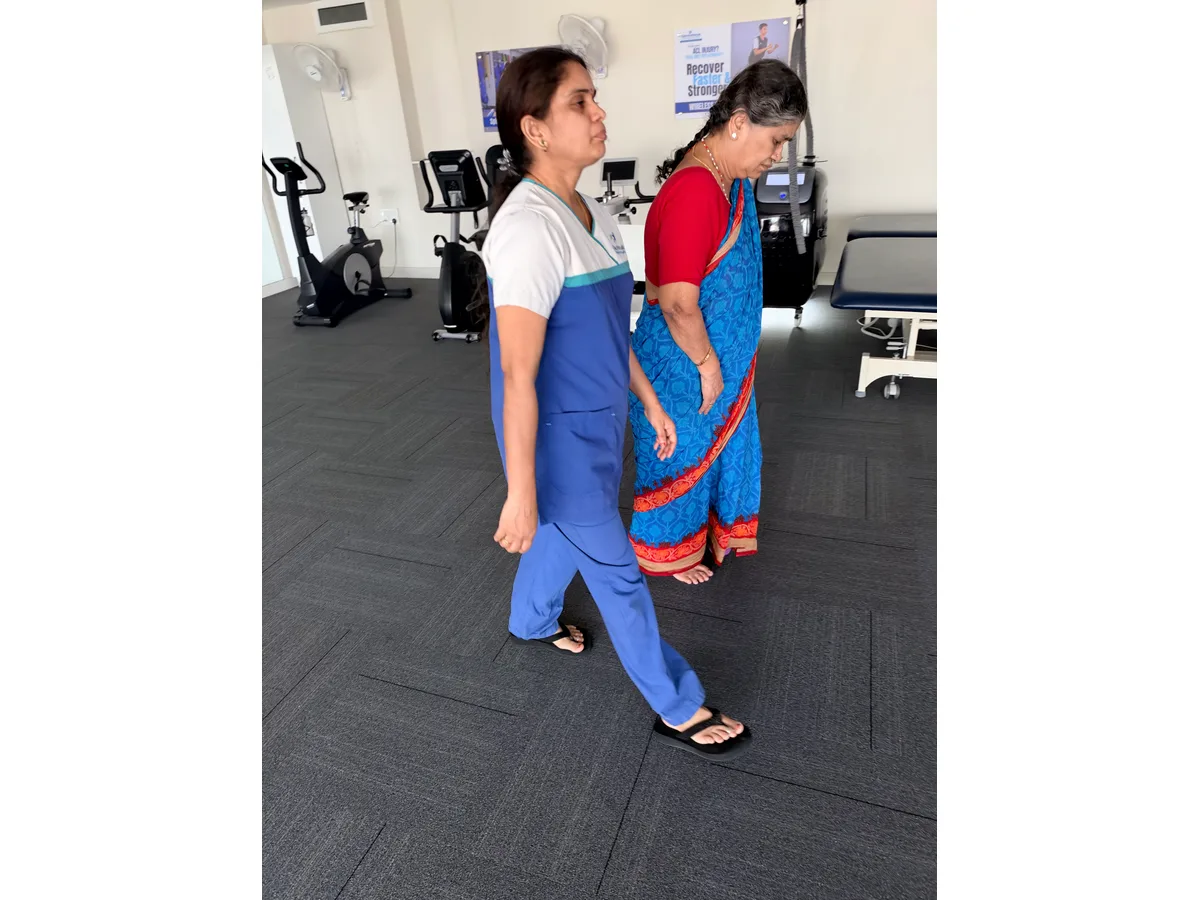
Review your response
Research suggests possible symptom benefits in some conditions, but results are not uniform. Small studies, differing doses, additional treatments and limited follow-up make it difficult to predict the benefit for an individual patient.
Read the condition-specific notes and sources below for the population studied, the comparison treatment and the limitations.
Read condition-specific evidencePositive reviews sit alongside a sham-controlled trial with no added benefit and NICE guidance advising against laser for OA. It should not be represented as established routine OA care.
Read NICE guidance notesThe studies summarised here do not justify promises of cartilage regeneration, disc repair, nerve regeneration or avoiding surgery. Nor do they establish a universal course length.
Read the research limitationsYour condition, stage, examination findings and goals determine the plan. Technology is selected to support rehabilitation, and sometimes no machine-based treatment is needed.
Builds strength, movement tolerance and self-management. For knee OA, tailored exercise is core guideline-supported care. Laser does not replace it.
Uses mechanical pressure waves rather than light. It may be considered for selected tendon or plantar heel presentations. HILT is not automatically the better choice.
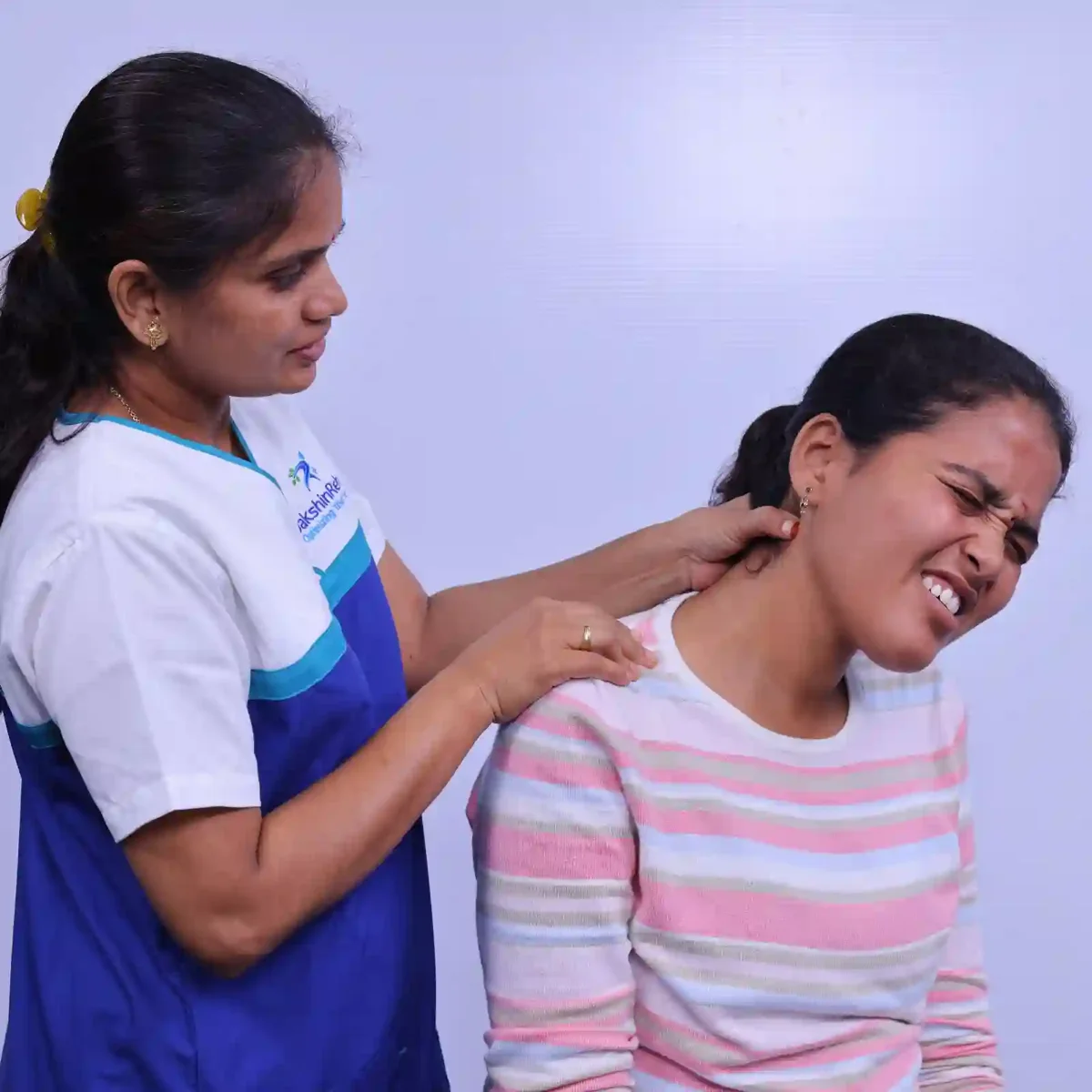
Hands-on care and movement advice may address selected symptoms or restrictions within an active programme. Examination findings guide the choice.
Back and neck care starts with assessment and an active plan. Decompression is a separate, selected intervention—not interchangeable with laser or suitable for every back problem.
Targets movement control and task performance. A symptom-focused treatment does not take the place of practising strength, coordination and meaningful activities.
Footwear, support and movement assessment may matter when mechanical loading contributes to symptoms. The choice depends on the person and the activity.
Eligibility comes after assessment. The exact device’s instructions determine its contraindications and precautions. If your symptoms need a medical diagnosis, safety is uncertain or meaningful benefit is unlikely, laser may not be appropriate.
Class IV lasers can injure eyes and skin through direct or reflected exposure. A trained operator, protective eyewear matched to the device and a controlled treatment area are essential. Tell the therapist immediately about painful heat or discomfort.
Bring your medical history and medication list. Tell the clinician about pregnancy, cancer or an unexplained lump, altered skin sensation, wounds or infection, and any light sensitivity. These disclosures support screening; this is not an exhaustive contraindication list or a declaration that all these situations are treated the same way.
The clinic team can explain the device, treatment settings, safety measures and alternatives at your assessment. Please confirm current treatment availability before travelling.
For new or worsening weakness, or persistent loss of sensation, seek timely medical assessment instead of booking laser as the first response.
Understanding the settings can help you discuss your care. The power, modes and built-in controls below are described in the supplied equipment brochure; confirmation against the installed device is pending. Your assessment, treatment dose and rehabilitation plan matter more than a maximum power rating.
The supplied brochure lists up to 30 W continuous output. Watts describe the rate of energy delivery. This maximum rating is not the setting every patient needs, and higher power does not guarantee better recovery.
The brochure describes continuous, single-pulse and serial-pulse modes: light delivered steadily or in bursts. The clinician selects the mode and settings for the treatment plan; no mode guarantees a better result for every condition.
The brochure lists skin-temperature monitoring, automatic cut-off and an emergency-stop control. These support safe operation but do not replace protective eyewear or supervision. Tell the therapist immediately if you feel painful heat or discomfort.
Treatment also depends on exposure time, the area treated and how the light is applied. Energy is measured in joules; energy per unit area is commonly expressed in joules per square centimetre. Your clinician chooses the dose rather than using one setting for everyone.
Class IV is a laser safety classification. Direct and reflected light can harm eyes and skin. Protective eyewear matched to the laser is essential for the patient and operator; ordinary sunglasses are not a substitute.
Ask which activity the treatment is intended to help: walking, gripping, sleeping or exercising. Review that goal with your physiotherapist alongside symptoms. Continue the prescribed exercise and activity plan; laser does not replace rehabilitation.
Clear answers to help you discuss options at your assessment.
Start with an assessment at DakshinRehab to establish your needs and confirm whether laser is an appropriate, currently available option. Team profiles describe clinic staff; they do not imply that a named clinician has reviewed this page.
Literature checked: . This is a research-check date, not a clinical sign-off date. These are selected relevant sources, not a new systematic review.
Mixed findings · guideline caution
Some reviews report pain relief, but a sham-controlled trial found no extra benefit over exercise. NICE advises against laser for OA because evidence is insufficient. Exercise remains central.
Source: 2023 referenceSource: 2025 trialSource: 2022 NICE guidanceRead about knee osteoarthritisPossible benefit · varied protocols
A review favoured HILT for pain and disability, but studies differed and lasting added benefit is uncertain. These findings do not establish disc repair.
Source: 2023 referenceRead about persistent low-back painPossible pain relief · limited certainty
Pooled pain outcomes were promising. Mobility and disability changes were not consistently clinically meaningful, and study quality varied.
Source: 2024 referenceRead about neck painPromising tendon findings · limitations
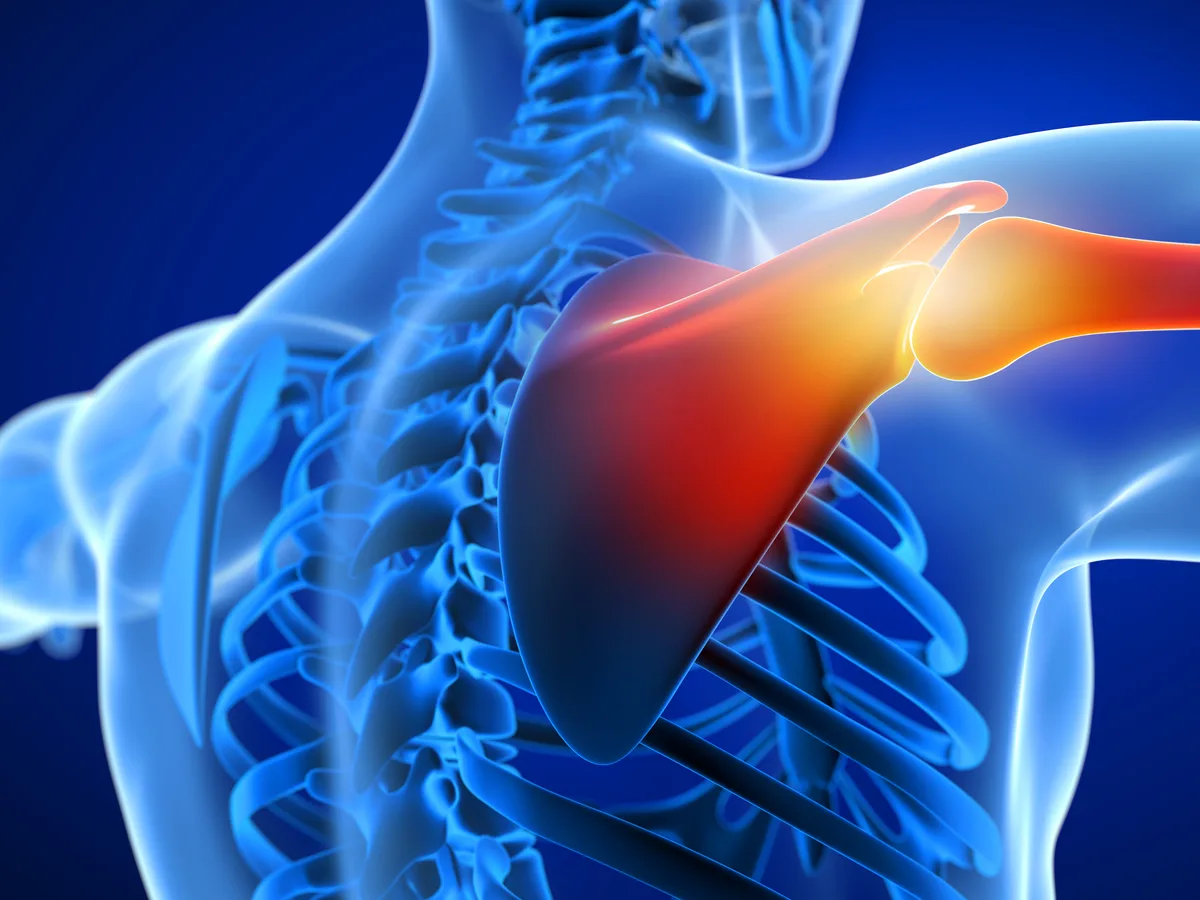
A recent tendinopathy review included rotator-cuff studies and found possible pain and disability benefits. It does not show that laser repairs torn tendons.
Source: 2026 referenceRead about rotator-cuff related shoulder painLow-quality evidence for pain relief
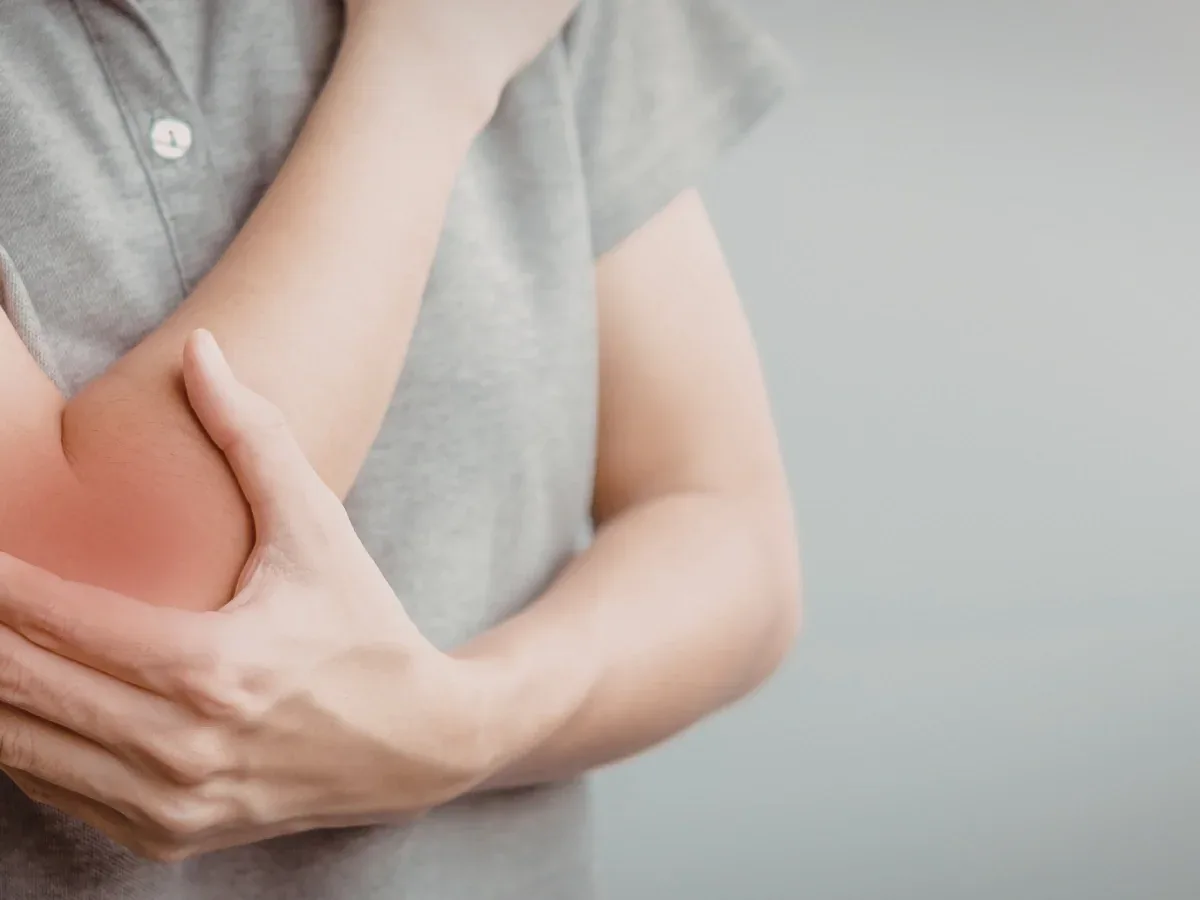
An elbow review found a small pain benefit, without clear improvements in grip strength or hand function. Pain relief and restored capacity are different outcomes.
Source: 2023 referenceSource: 2026 referenceRead about tennis elbowMixed evidence · no established superiority
Laser studies do not consistently improve pain or function. Direct HILT comparisons do not establish superiority over shockwave; treatment selection depends on your presentation.
Source: 2026 referenceSource: 2026 referenceRead about plantar heel painShort-term symptom evidence · long-term gaps
A review found some short-term benefit, but evidence about nerve conduction and longer-term outcomes is limited. Laser must not delay assessment of worsening numbness or weakness.
Source: 2024 referenceRead about carpal tunnel syndromeEvidence varies substantially by injury
Most tendon evidence concerns the elbow and shoulder. Evidence for other tendon sites is sparse; it cannot be extended to every acute sports injury or a faster return to sport.
Source: 2026 referenceRead about selected tendinopathies & sports problemsWhat this supports: Discuss health history and medicines; apply the exact manufacturer instructions to determine eligibility.
What this supports: Some reviews suggest short-term knee-pain relief; certainty about added value remains limited.
What this supports: Adding HILT to exercise does not reliably produce extra benefit for knee OA.
What this supports: Laser is not routine guideline-backed OA care and must not displace exercise.
What this supports: HILT may support symptom management in selected back-pain rehabilitation; it does not establish disc repair.
What this supports: Possible pain relief, without a promise of meaningful mobility or disability improvement.
What this supports: A possible adjunct for selected tendon pain, not proof of tendon repair or faster return to sport.
What this supports: Pain improvement cannot be assumed to restore grip or capacity.
What this supports: No established laser superiority over shockwave for plantar heel pain.
What this supports: Plantar heel evidence is mixed; consider laser only as an adjunct.
What this supports: Possible symptom support after assessment; do not claim reversal of nerve damage.
What this supports: Light can influence cellular responses; mechanisms alone cannot predict clinical recovery.
What this supports: Class describes hazard, not clinical superiority.
What this supports: Use trained operators, suitable eye protection and control of the treatment area.
Assessment-led rehabilitation
Discuss whether laser has a useful role in your rehabilitation—and what to do if another approach fits better.
Book an Assessment