

Not one-size-fits-all
We match socket, brace, insole, footwear and component choices to the person, not just the diagnosis.
Prosthetics & Orthotics — Moosapet, Hyderabad
Prosthetic fitting, orthotic prescription, gait analysis and supervised rehabilitation under one roof in Moosapet, Hyderabad.
Prosthetics & Orthotics — Moosapet, Hyderabad
DakshinRehab Moosapet combines prosthetic fitting, orthotic prescription, gait analysis, foot pressure mapping and supervised rehabilitation under one roof.
Assessment-first promise
A device works best when fitting, alignment and rehabilitation are planned together.
We study comfort, skin, strength, balance, walking and daily goals before recommending an artificial limb, brace or orthotic support.

A prosthesis replaces a missing limb. An orthosis supports or controls an existing limb, foot, spine or joint. In both cases, the device only works when the assessment, fit, alignment, training and follow-up are correct.
We match socket, brace, insole, footwear and component choices to the person, not just the diagnosis.
Skin, strength, ROM, posture, balance, gait and pressure are checked before prescription.
Training covers walking, stairs, confidence, falls prevention, home practice and real-life use.
We review comfort, pressure areas, growth, alignment, repairs and changing activity goals.
The pathway is built to answer one practical question at every step: what does this person need to move safely, comfortably and independently?
We listen to the patient, caregiver, diagnosis, daily goals, budget and current device history.
Residual limb, skin, strength, ROM, posture, balance and functional mobility are checked first.
3D gait analysis, pedobarography, 3D foot scanning or MAT are used when they answer a prescription question.
We choose the prosthesis or orthosis based on tissue tolerance, movement control, safety and life goals.
Measurements, casting, 3D scanning and component planning convert the clinical decision into a device plan.
The socket, brace, insole or support is checked for comfort, alignment, pressure points and footwear compatibility.
We observe walking, loading, turning, stairs and real use so the device works outside the fitting room.
Gait training, strengthening, balance, skin care, home program and review visits protect long-term function.
Each prosthesis is planned around comfort, tissue tolerance, control, daily function and realistic progression, from first walking to work, school or sport.
 Transtibial
Socket comfort, liner choice, foot selection and gait training decide whether walking feels natural, stable and repeatable.
 Transfemoral
Knee control, socket containment, suspension and balance retraining are matched to the person’s strength and terrain needs.
 Hand and arm
Cosmetic, body-powered, functional and myoelectric options are planned around grip, reach, work and daily task goals.
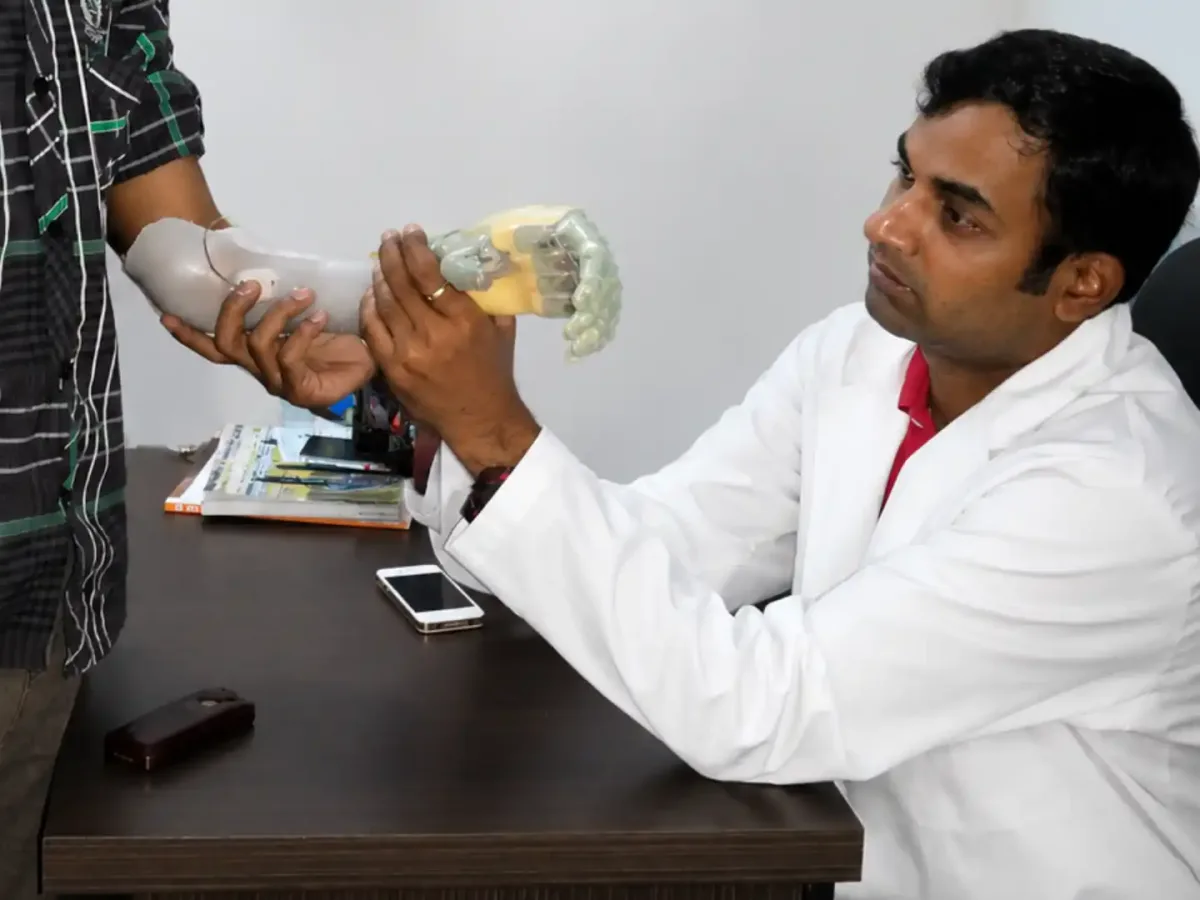 Advanced control
Training focuses on clean muscle signals, control practice, grip patterns and real-life use, not only device delivery.
 Growing children
Children need lightweight components, growth reviews, family education and play-based rehabilitation that protects confidence.
 Performance
Carbon-fibre feet, blades and sport-specific training are considered only after safety, balance and loading control are ready.
Orthoses work by controlling motion, improving alignment, redistributing pressure, supporting weak muscles or protecting tissue while rehabilitation improves capacity.

Foot drop, stroke, neuropathy and ankle control

Knee instability, post-polio weakness and safer stance

Hip, knee and ankle control in complex weakness patterns

Foot alignment, pediatric flat foot and midfoot control

Flat feet, heel pain, sport overload and pressure redistribution
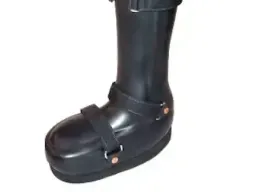
Protective footwear and pressure offloading for high-risk feet

Charcot foot and diabetic offloading when protection is critical

Spinal support, scoliosis bracing and post-fracture protection

Neck support when medical or post-injury protection is needed
Knee unloading, ligament support and osteoarthritis alignment

Hand positioning, tendon protection and upper-limb support
Growth-aware bracing for gait, balance and developmental needs
The equipment is not the treatment by itself. It helps us measure, prescribe, train or progress the patient more safely.
Measures asymmetry, stride, loading and device effect during real walking.
Maps foot pressure for diabetic footwear, custom insoles and CROW planning.
Captures foot shape for custom orthoses and footwear decisions.
Identifies movement-control limits before prescribing support or training.
Tracks body composition and muscle balance that affect mobility goals.
Guides brace level, prosthetic readiness and rehab progression.
Rebuilds trunk, hip and balance control after fitting.
Improves postural control, pelvis stability and long-term movement quality.
Supports selected neuromuscular activation and strengthening programs.
Used when soft tissue pain or irritability limits rehab progression.
Useful for selected tendon, plantar fascia and overuse pain patterns.
Supports pain modulation and muscle activation where clinically indicated.

For selected patients, prosthetic rehabilitation can progress toward running, cycling, trekking, gym work, swimming preparation or sport-specific performance. The decision depends on socket comfort, safe loading, balance, strength and component suitability.
A prosthesis or orthosis is only the beginning. The patient still has to learn loading, balance, movement control, skin safety and real-life function.
Parallel bars, weight shift, step length, stairs, slopes and community walking.
Balance, turning, confidence, footwear, home safety and uneven-ground practice.
Skin checks, pressure signs, volume changes, hygiene and socket tolerance education.
Fit review, growth review, component servicing, brace adjustments and changing goals.
Use these guides if you are comparing a specific brace, artificial limb, foot device, gait technology or rehabilitation pathway.
Clear answers for patients, caregivers, doctors and families comparing artificial limbs, braces, insoles and gait rehabilitation.
Still have questions?

Assessment-first care
Book a prosthetics and orthotics consultation in Moosapet, Hyderabad, or WhatsApp your case details before visiting.