Vasoconstriction
Inflammation Control
Extreme cold narrows blood vessels, reducing blood flow to the injured area. This limits edema formation and blocks the accumulation of pro-inflammatory cytokines.
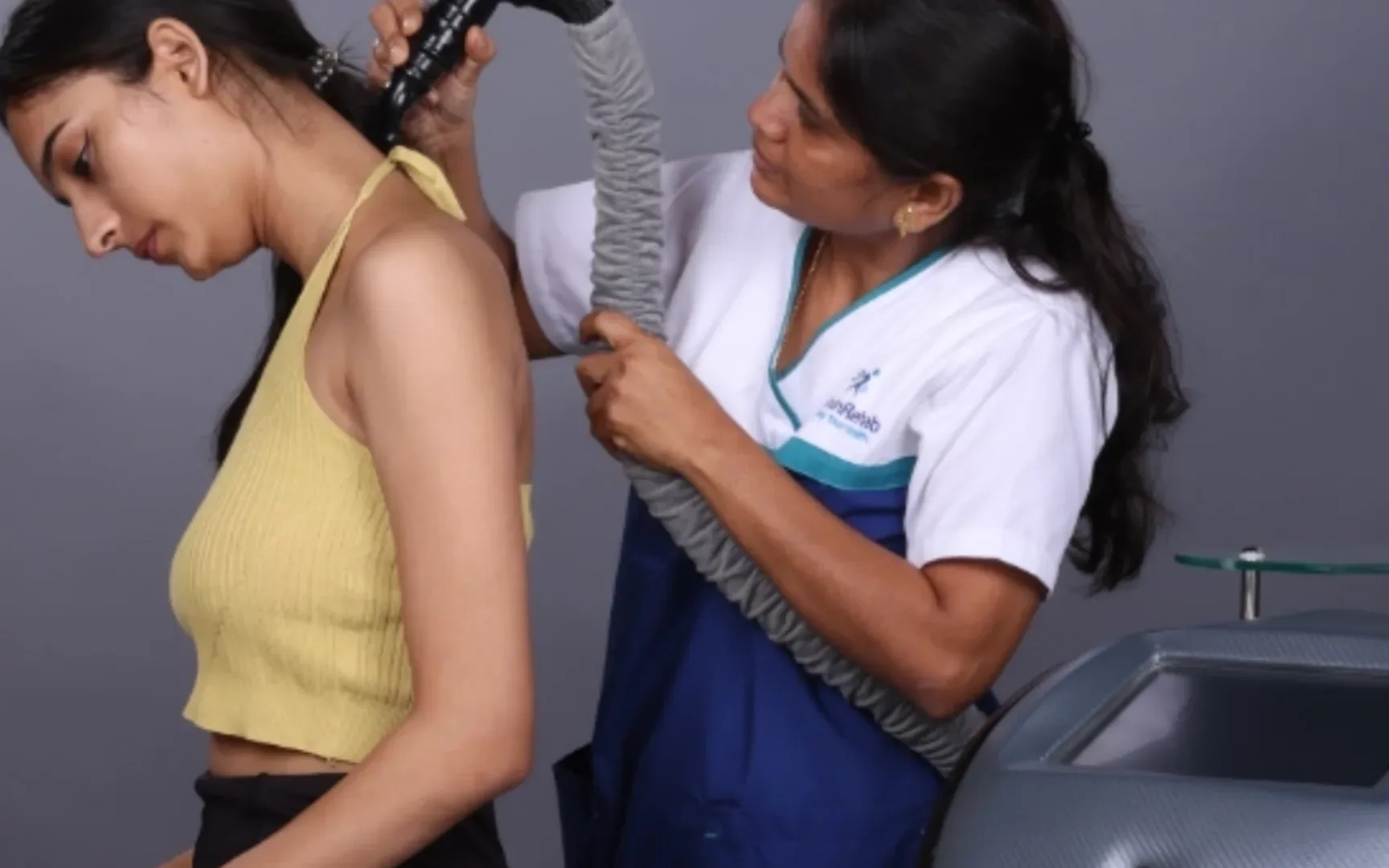
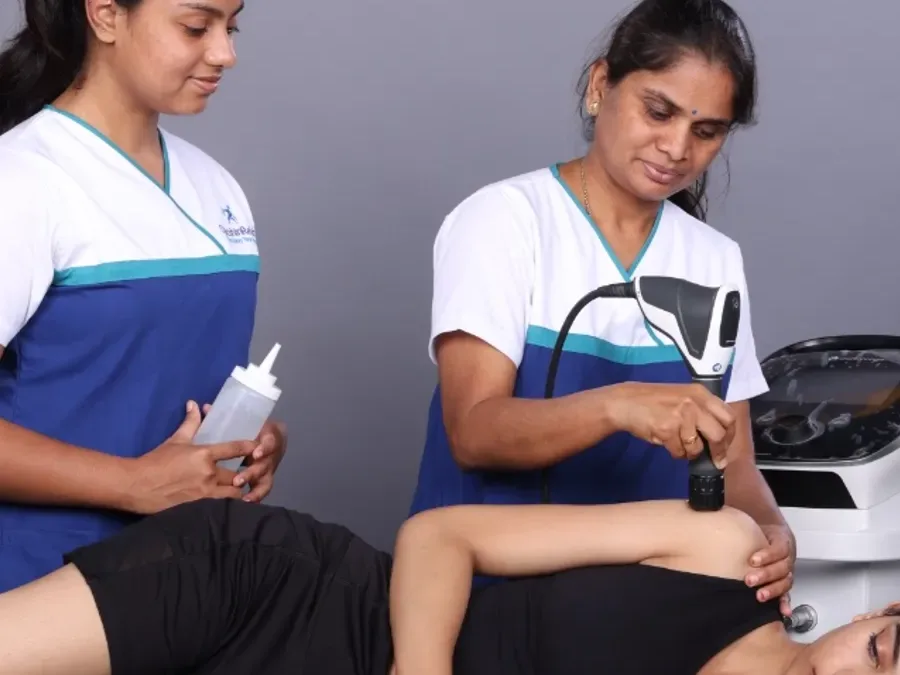
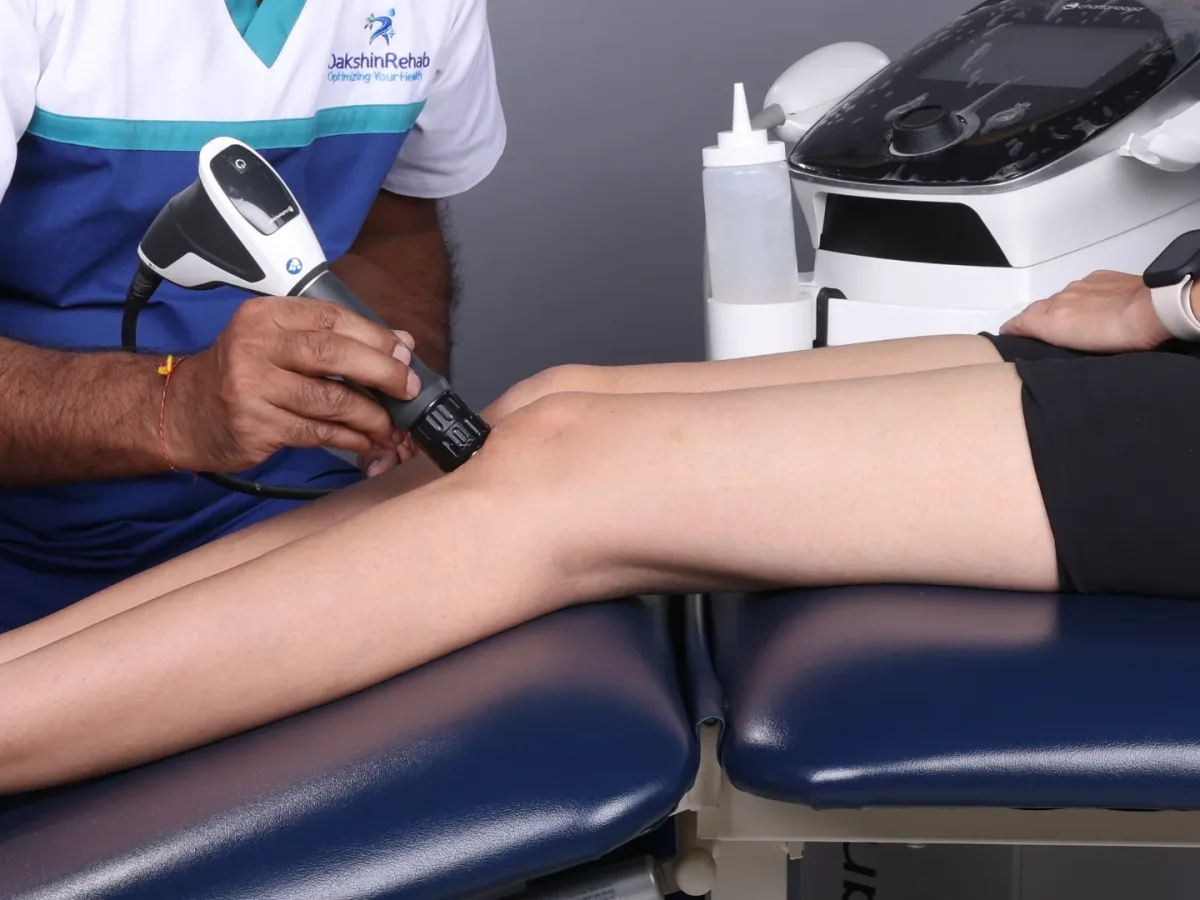
Localized Cryotherapy delivers a precision stream of nitrogen vapor or cooled air at sub-zero temperatures directly to an injury site. This triggers rapid vasoconstriction that flushes out inflammatory mediators, followed by reflex vasodilation (the Hunting Response) that floods the area with oxygenated blood. Unlike whole-body cryo chambers, localized treatment targets the exact point of pain for immediate analgesia and edema control — essential for acute sports injuries and post-operative recovery.
Personalised, technology-driven rehabilitation in Moosapet, Hyderabad.
Extreme cold narrows blood vessels, reducing blood flow to the injured area.
Cold slows nerve conduction velocity and reduces nociceptor sensitivity.
Extreme cold narrows blood vessels, reducing blood flow to the injured area. This limits edema formation and blocks the accumulation of pro-inflammatory cytokines.
Cold slows nerve conduction velocity and reduces nociceptor sensitivity. Pain signals are blocked at the peripheral level within seconds of application.
After cold removal, blood vessels dilate and blood flow increases 3–4× above baseline. This flushes metabolic waste and delivers oxygen and nutrients.
 Related condition
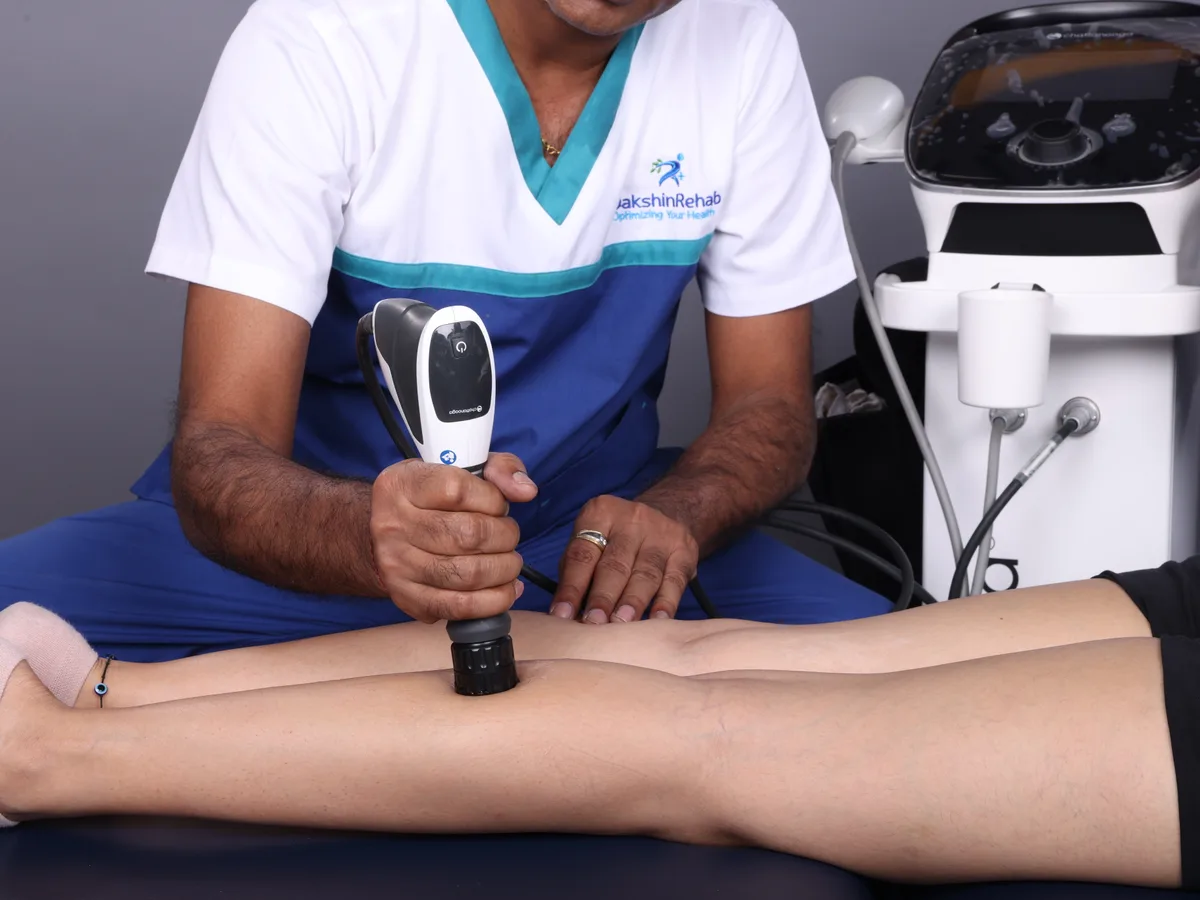
Immediate cryotherapy within the first 48 hours controls edema, reduces pain, and limits secondary tissue damage — the foundation of RICE protocol.
 Related condition
After ACL reconstruction, joint replacement, or arthroscopy, localized cryo reduces post-operative edema and accelerates the transition to active rehab.
 Related condition
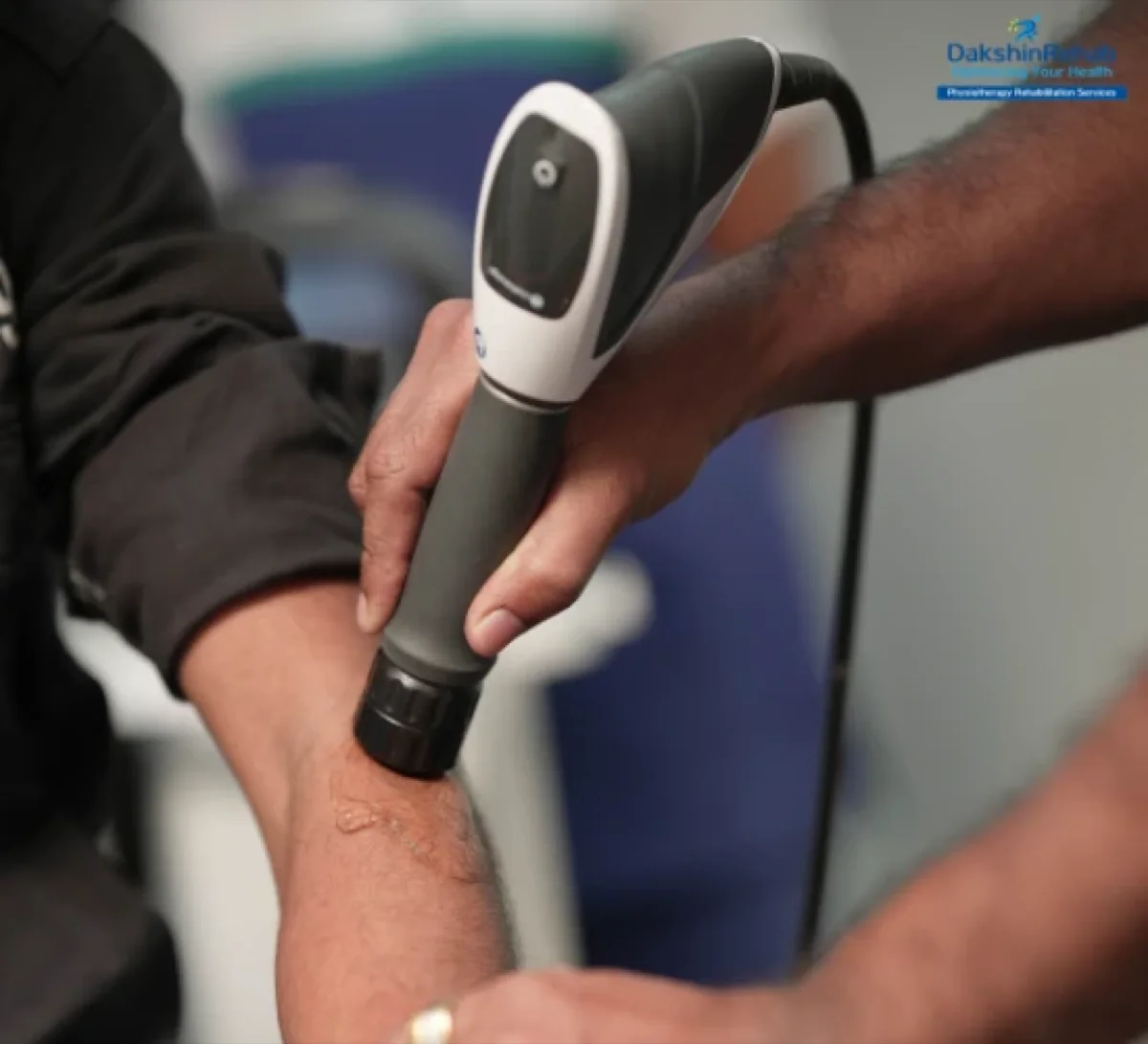
Chronic tendon inflammation responds to cryo's anti-inflammatory effects. Combined with eccentric loading, it accelerates tendon remodeling.
 Related condition
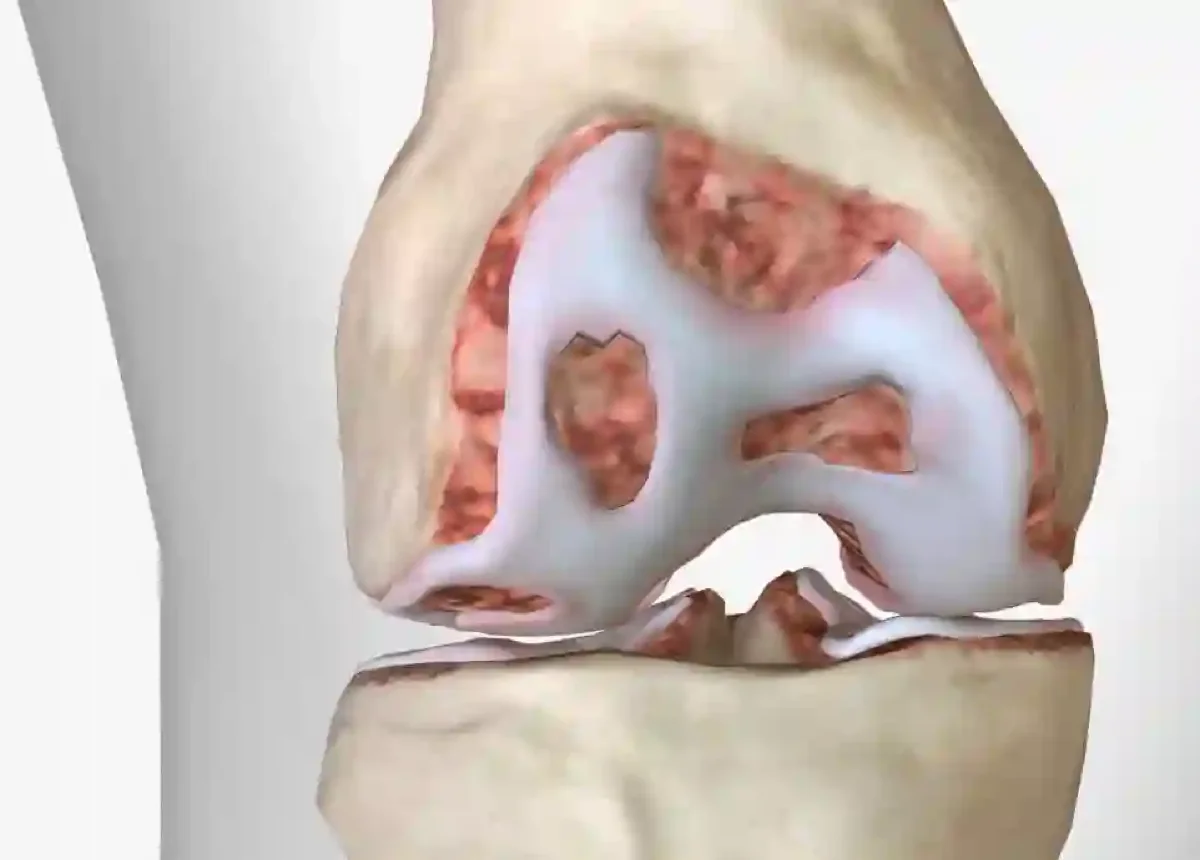
Cryotherapy reduces synovial inflammation and joint effusion during acute flare-ups, providing drug-free relief for arthritic joints.
 Related condition
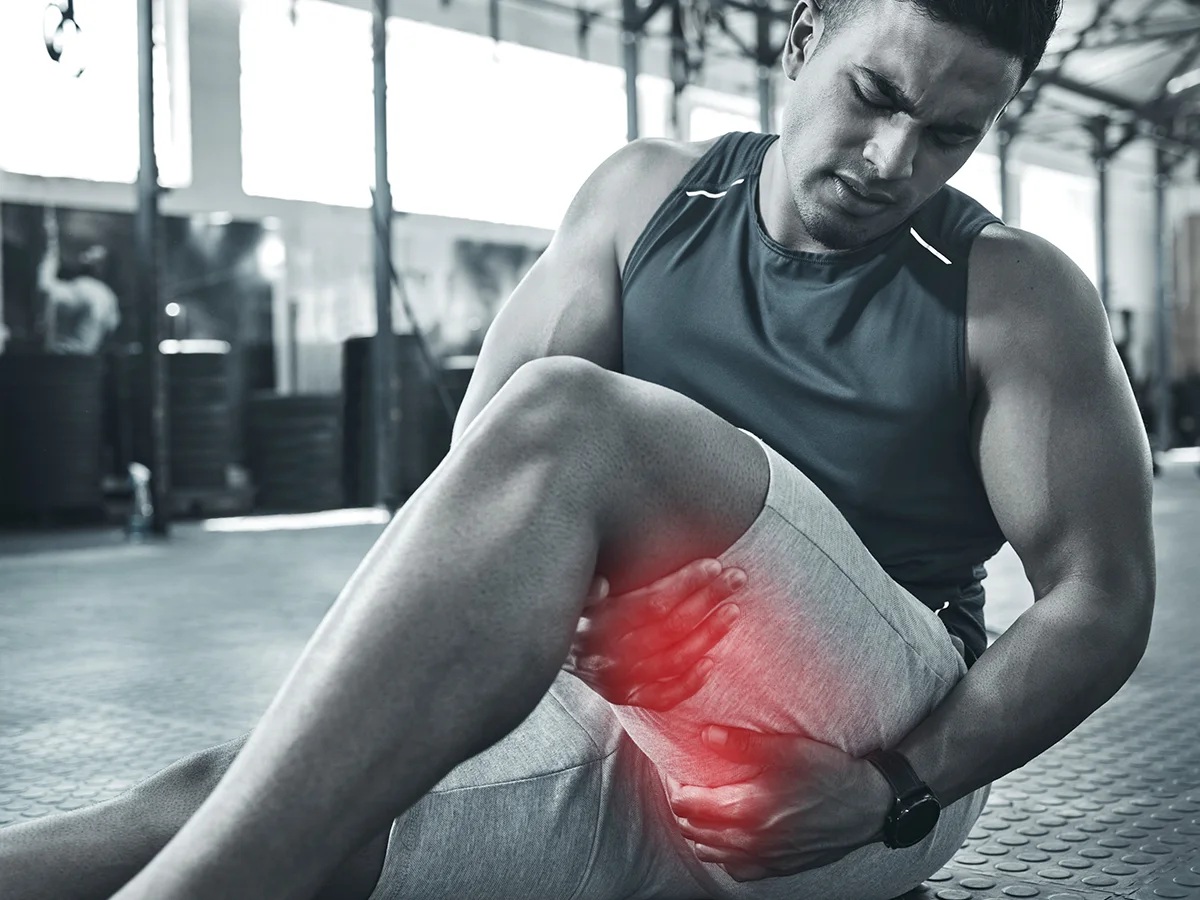
Post-exercise cryotherapy reduces creatine kinase levels and subjective soreness, allowing faster return to training for athletes.
Related conditionImmediate cryo after impact injuries (bruises, muscle hits) limits hematoma size and accelerates resolution of soft tissue trauma.
Cryotherapy is a fast, drug-free solution for anyone dealing with acute inflammation, post-exercise soreness, or chronic pain flare-ups.
Sprains, strains, contusions, and impact injuries respond immediately to cryotherapy. The sooner cold is applied, the less swelling and secondary tissue damage occurs.
After joint replacement, ACL reconstruction, or arthroscopy, localized cryo controls post-operative edema and accelerates the transition to active rehabilitation.
Osteoarthritis, rheumatoid arthritis, and tendonitis patients benefit from cryo during acute flare-ups when inflammation spikes and medication is insufficient.
Delayed onset muscle soreness after intense training can limit performance. Cryotherapy reduces creatine kinase and subjective soreness, speeding return to training.
Cold therapy reduces tissue temperature, which triggers a cascade of physiological responses: vasoconstriction reduces blood flow and edema; reduced nerve conduction velocity blocks pain signals; lowered metabolic rate protects cells from hypoxic damage; and the subsequent Hunting Response enhances nutrient delivery upon rewarming.
Extreme cold causes immediate narrowing of arterioles and venules, reducing blood flow by up to 60% and limiting edema formation and inflammatory exudate.
Cold slows sodium-potassium pump activity in nerve membranes, reducing action potential propagation velocity and numbing peripheral nociceptors.
 DakshinRehab clinical pathway
Tissue metabolic rate drops 50% for every 10°C decrease. This reduces oxygen demand and prevents secondary hypoxic cell death in acute injury.
Cryotherapy reduces pro-inflammatory cytokine production (IL-1β, TNF-α) while increasing anti-inflammatory mediators (IL-10, IL-1ra).
Clinical comparison
Ice packs cool tissue to approximately 10–15°C over 20 minutes and are difficult to maintain contact on contoured body parts. Localized cryotherapy delivers temperatures of -110°C to -160°C with precision airflow, reaching deeper tissue layers in 3–5 minutes while maintaining constant contact. The controlled temperature and airflow also prevent the skin damage risk associated with direct ice application. At DakshinRehab, we use localized cryo for precise, efficient, and comfortable cold therapy.
After cold cessation, reflex vasodilation increases local blood flow 3–4× above baseline, flushing waste and delivering oxygen, glucose, and growth factors.
DakshinRehab in Moosapet, Hyderabad offers localized cryotherapy without the need for hospital visits or whole-body chamber sessions. Walk in, treat the exact spot, and get back to your day.

“Inflammation is necessary for healing — but uncontrolled inflammation destroys tissue. Cryotherapy is the brake pedal that keeps inflammation from running off the road.”
A Localized Cryotherapy Session at DakshinRehab
Safe treatment parameters established
Patient positioned and device calibrated
Target tissue cooled to therapeutic depth
Reflex vasodilation flush initiated
Response documented; follow-up scheduled
Precision cold therapy for faster recovery
Nerve conduction block provides analgesia within seconds — faster and deeper than ice packs.
Unlike whole-body chambers, localized cryo treats only the injured area — no systemic cold stress.
Vasoconstriction limits fluid extravasation in acute injuries, preventing excessive swelling and secondary compression.
Athletes report reduced DOMS and faster return to training when cryotherapy is integrated into recovery protocols.
Provides potent anti-inflammatory effects without NSAID side effects on kidneys, stomach, or cardiovascular system.
Reduces post-operative pain and swelling, accelerating the transition from passive recovery to active rehabilitation.
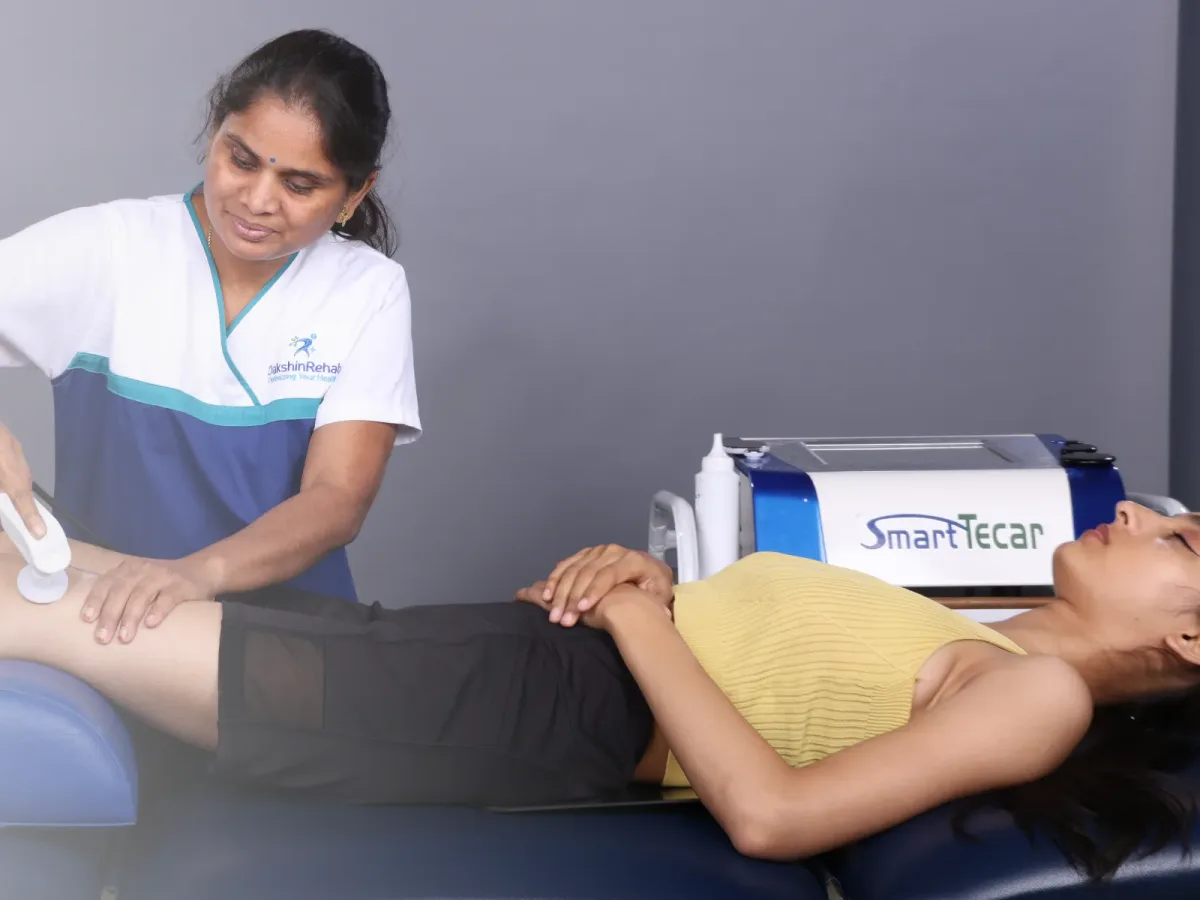
Cryotherapy is generally safe, but certain conditions increase risk of cold injury or adverse effects.
Cold allergy or cold urticaria (hives triggered by cold)
Raynaud's disease or peripheral vascular disease
Impaired sensation over treatment area (neuropathy, diabetes)
Open wounds or broken skin at treatment site
Severe hypertension or cardiovascular disease
Active deep vein thrombosis
Cryoglobulinemia or paroxysmal cold hemoglobinuria
Pregnancy (whole-body contraindicated; localized with caution)
Find DakshinRehab on Google Maps to read reviews shared by patients.
Our expert physiotherapists and rehabilitation specialists at DakshinRehab bring decades of combined experience to your recovery.

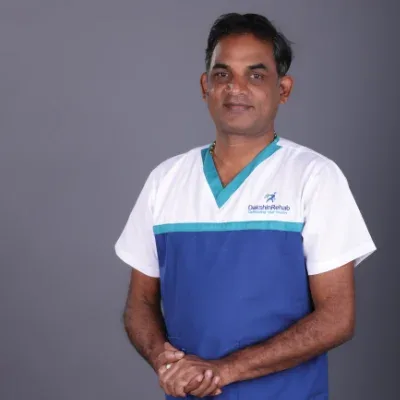
BPT, MPT, IAP Registered
Director, Human Movement Specialist, Physiotherapist
CPO
Consultant Rehabilitation Specialist, CPO | Founder, DakshinRehab
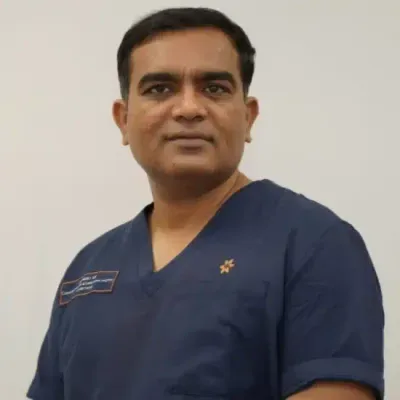
MS (General Surgery), DNB (Vascular Surgery)
Sr. Consultant Vascular & Endovascular Surgeon | Diabetic Foot & Wound Care
Learn more about this condition and treatment options from our expert team.
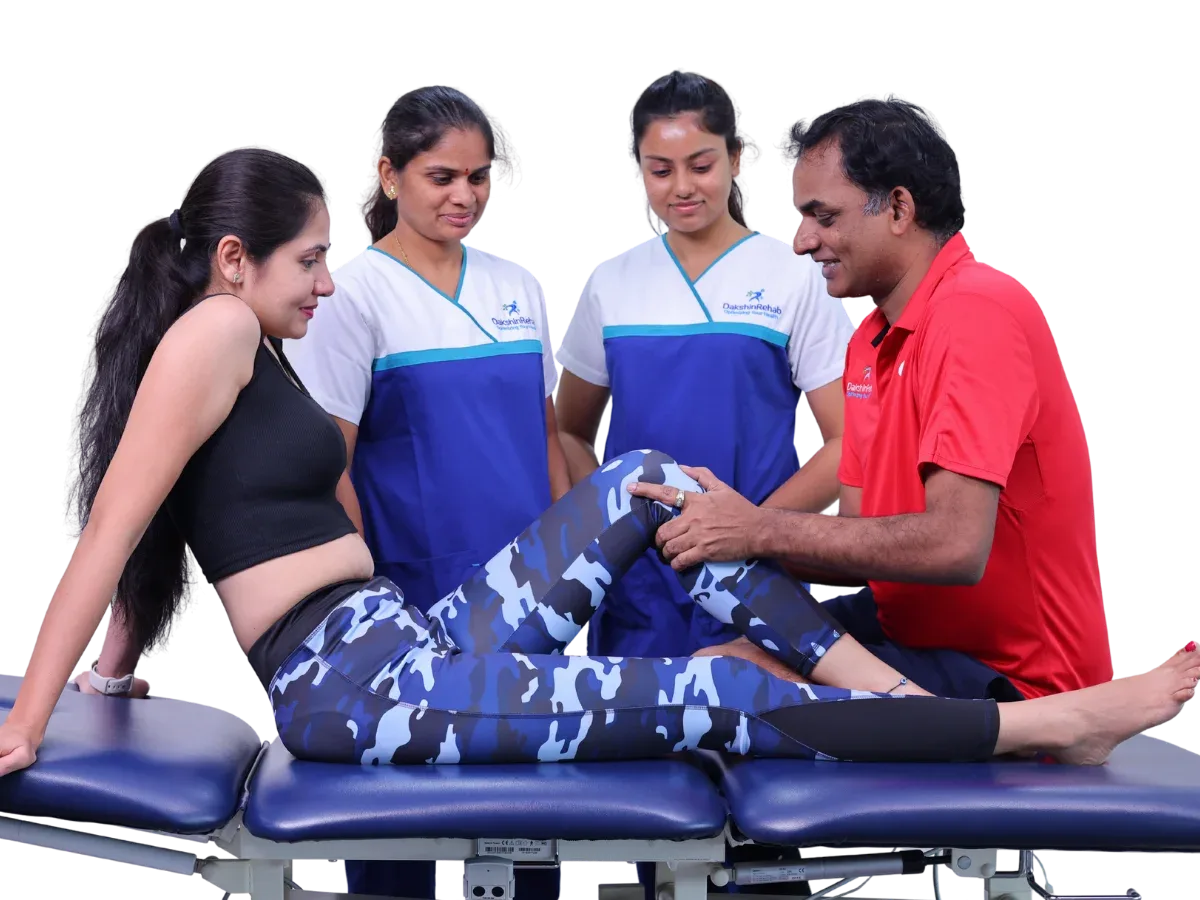
Your next step
We have treated approximately 20,000 patients. Your initial assessment is free only when you book an appointment online and attend your confirmed time slot. Treatment charges are explained before treatment begins.
Book an AppointmentHow precision cold therapy compares to conventional pain and inflammation management
NSAIDs affect your entire body — kidneys, stomach lining, and cardiovascular system. Localized cryotherapy delivers anti-inflammatory effects only where needed, with zero systemic side effects.
Learn MoreIce packs melt, leak, and cannot maintain contact on curved body parts. They cool to only 10–15°C over 20 minutes. Localized cryo delivers -110°C to -160°C precision airflow in 3–5 minutes, reaching deeper tissue without skin damage risk.
Learn MoreWhole-body chambers expose you to extreme systemic cold stress, are expensive, and require special facilities. Localized cryo targets only the injured area — safer, faster, more comfortable, and clinically precise.
Learn More