Deep Dry Needling
Direct Trigger Point Penetration
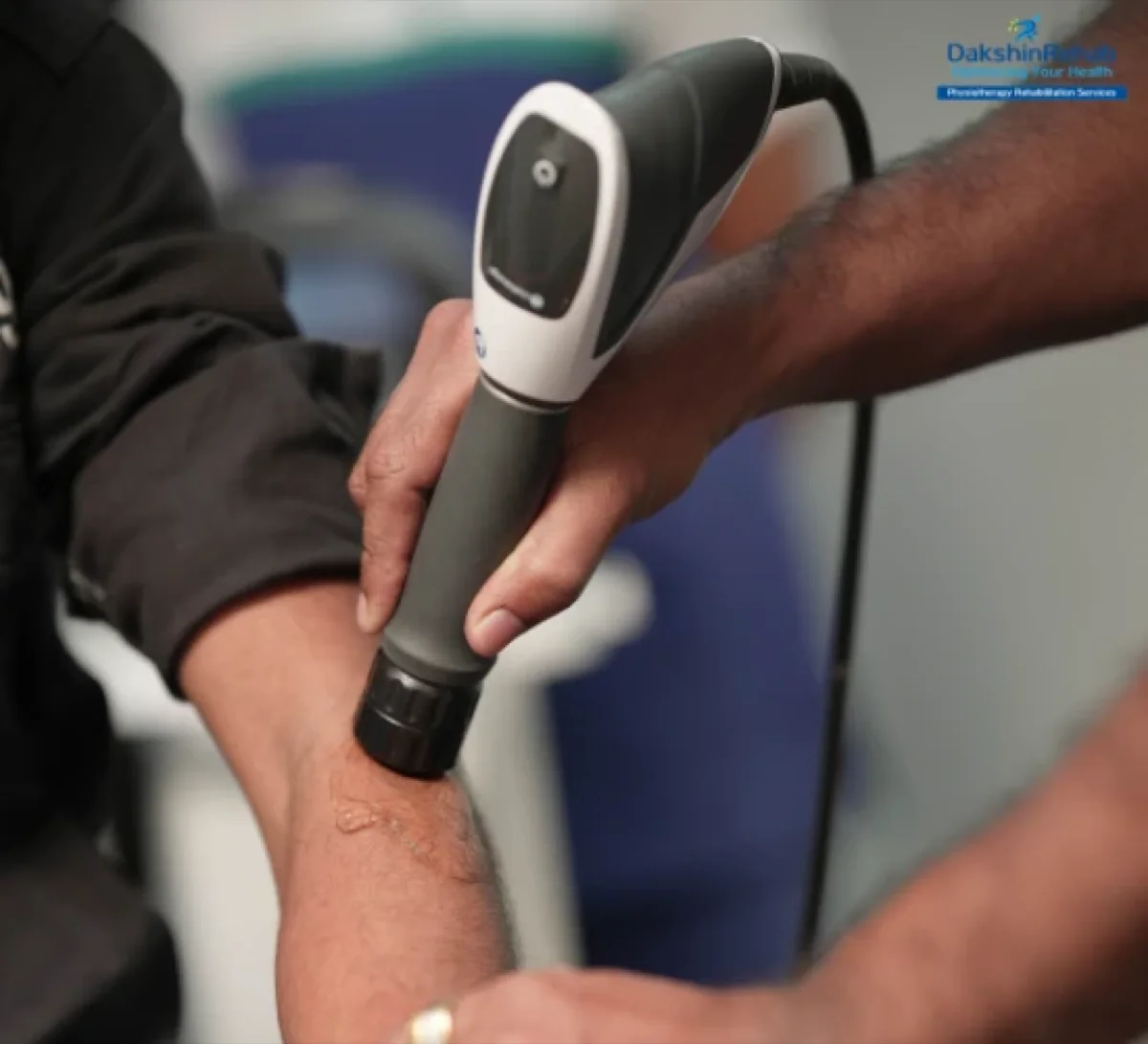
The needle penetrates the MTrP directly, eliciting a local twitch response (LTR). This mechanically destroys the dysfunctional endplate and normalizes acetylcholine release.
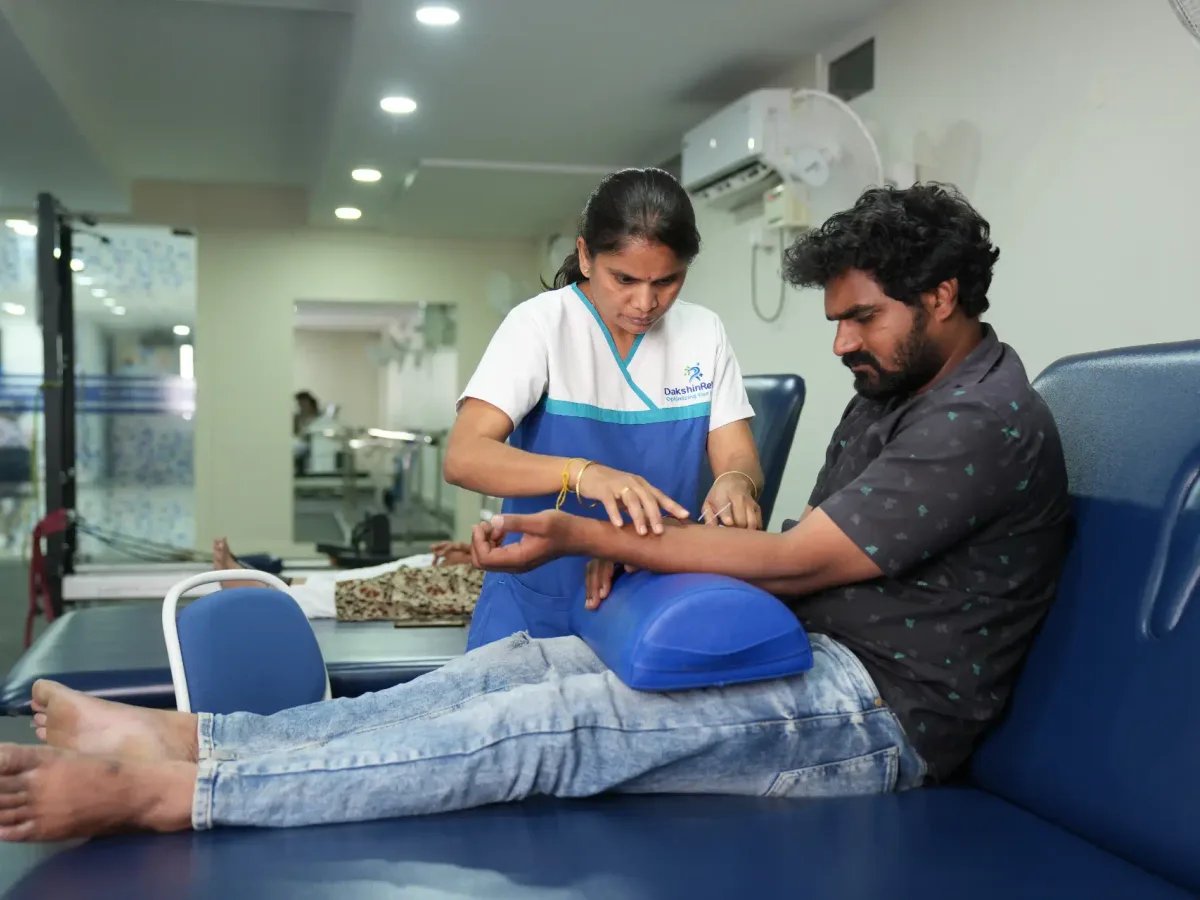
Dry Needling is a skilled intervention that uses thin filiform needles to penetrate myofascial trigger points — the hyperirritable "knots" in muscle that cause local and referred pain. By mechanically disrupting dysfunctional motor endplates and eliciting a local twitch response, dry needling resets muscle tension, restores local blood flow, and modulates pain through neurophysiological pathways. It is distinct from acupuncture and rooted in Western neuroanatomy and biomechanics.
Personalised, technology-driven rehabilitation in Moosapet, Hyderabad.
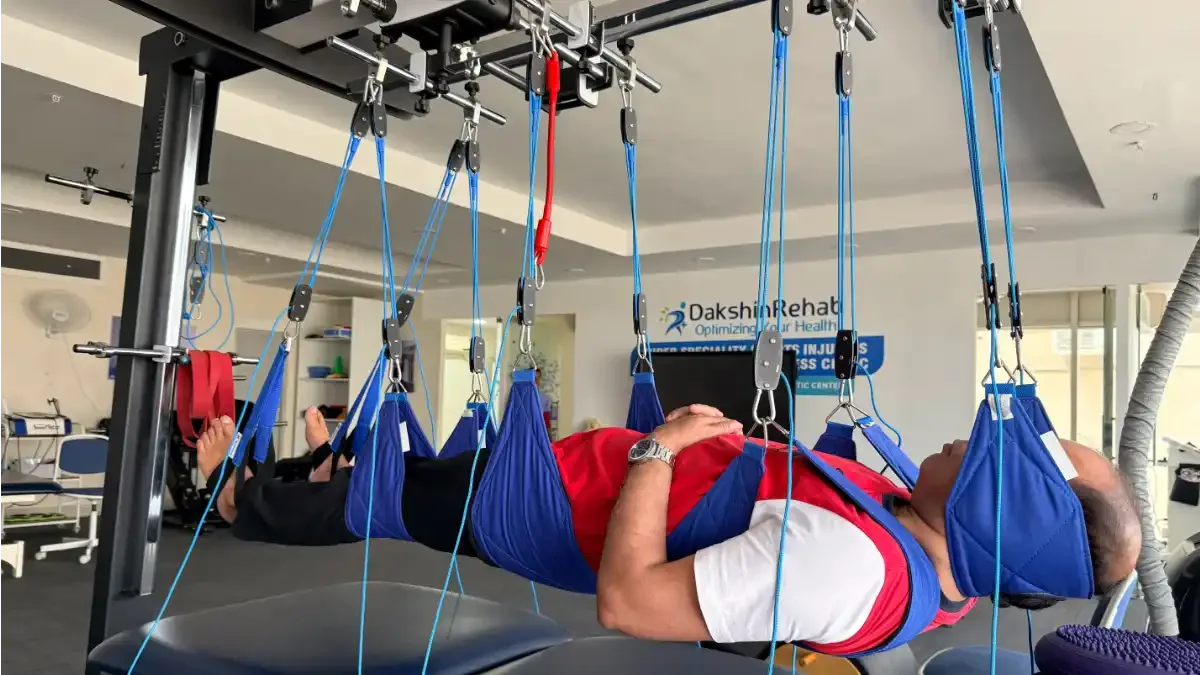
The needle penetrates the MTrP directly, eliciting a local twitch response (LTR).
Needle placed 1–2 mm subcutaneously over the MTrP.
The needle penetrates the MTrP directly, eliciting a local twitch response (LTR). This mechanically destroys the dysfunctional endplate and normalizes acetylcholine release.
Needle placed 1–2 mm subcutaneously over the MTrP. Induces reflex relaxation of the deep trigger point via cutaneous afferent stimulation (SAS method).
The LTR is an involuntary spinal reflex causing localized muscle fiber contraction. It correlates with mechanical relaxation and reduction in nociceptive input.
 Related condition
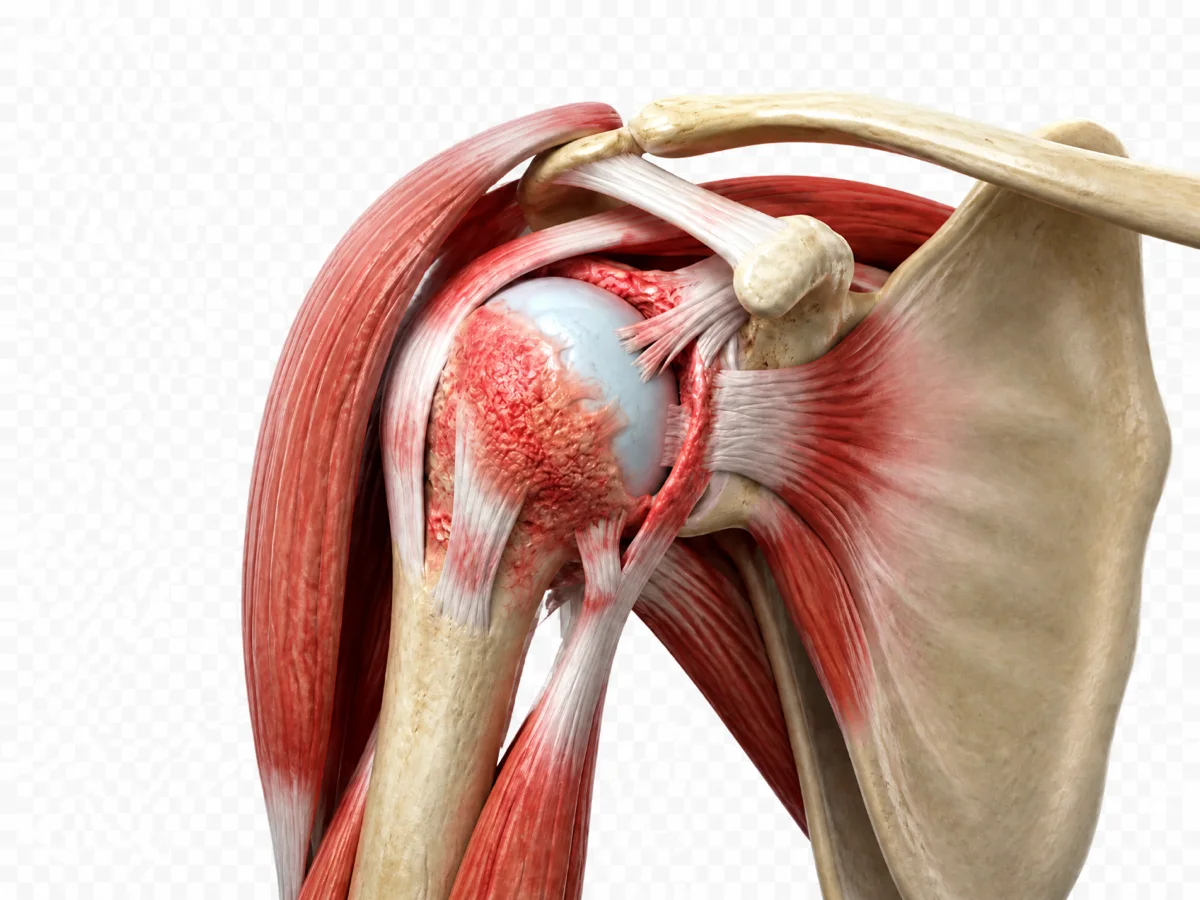
The primary indication. MTrPs in any muscle can be deactivated with dry needling, producing immediate and lasting pain relief.
 Related condition
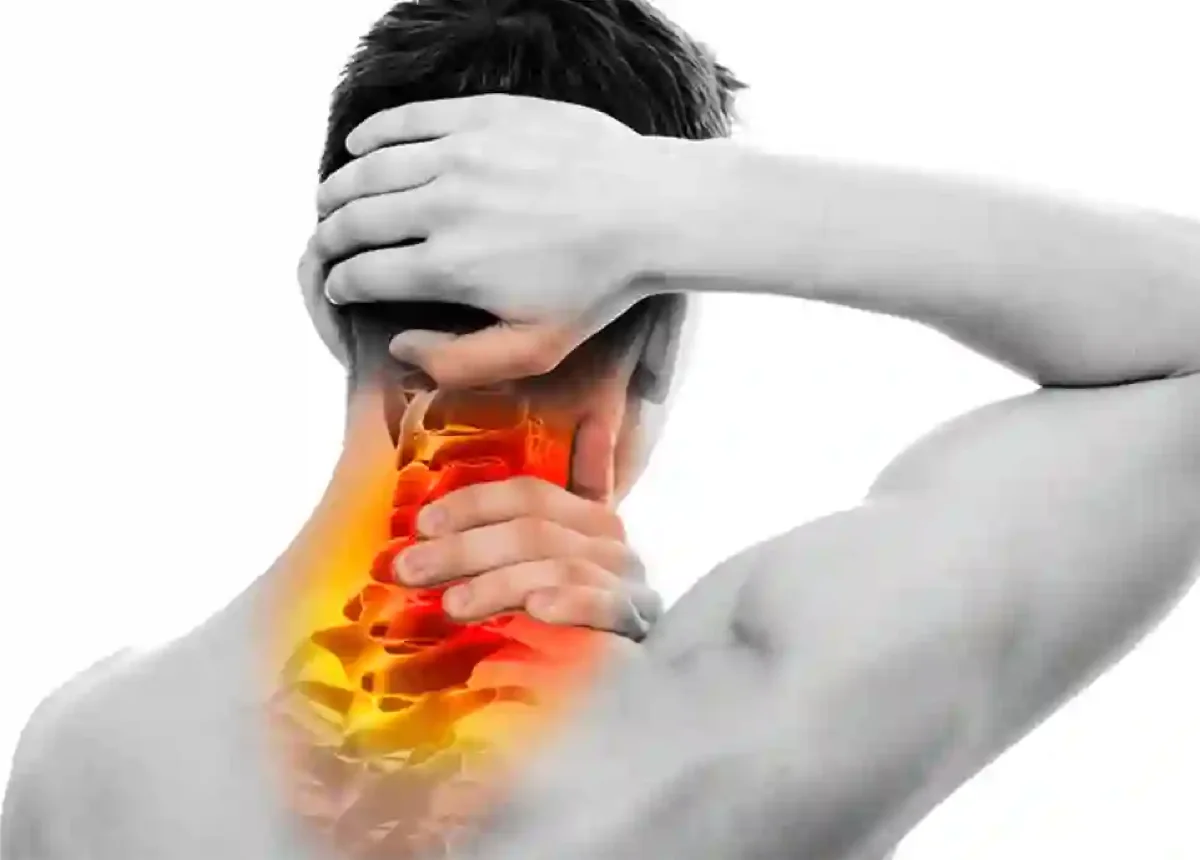
Suboccipital, upper trapezius, and sternocleidomastoid trigger points are major contributors to tension headaches. Dry needling provides rapid relief.
 Related condition
Quadratus lumborum, piriformis, and gluteal trigger points are common hidden drivers of chronic LBP that imaging often misses.
 Related condition
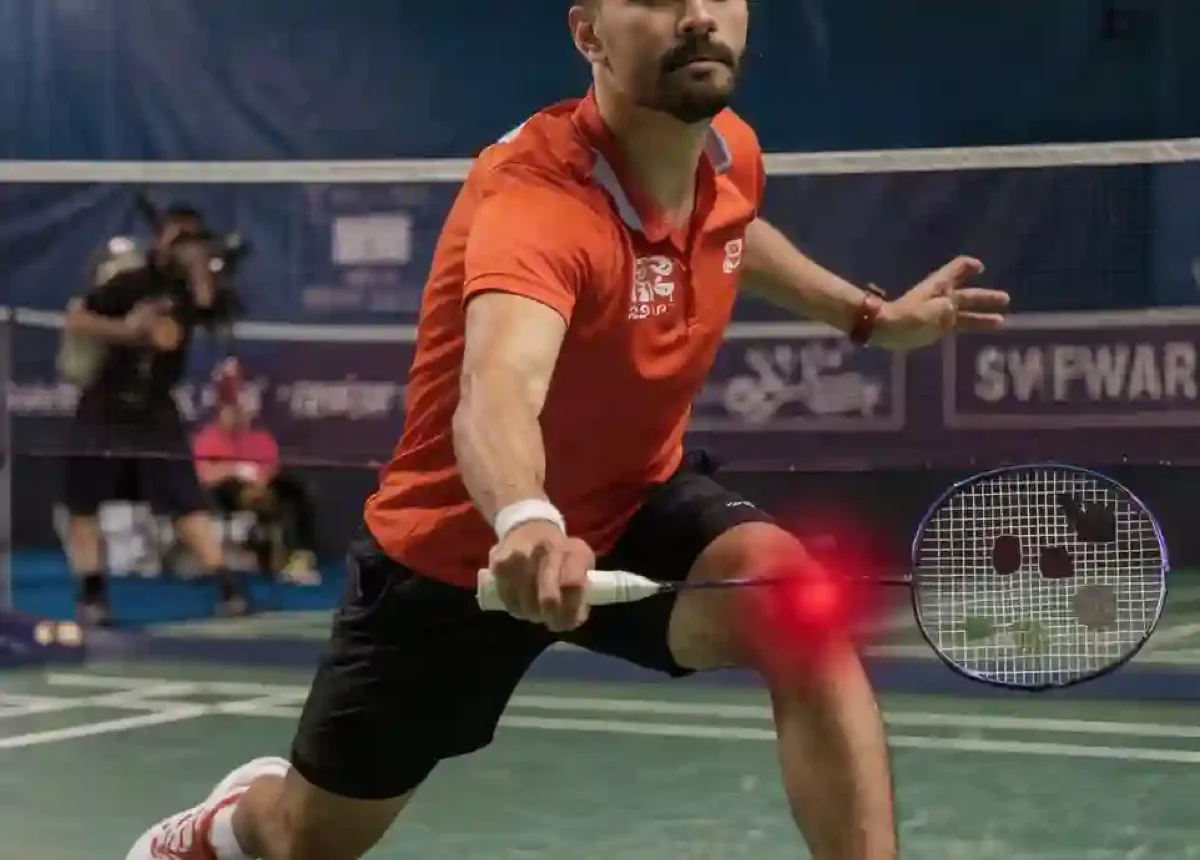
Vastus medialis, gluteus medius, and TFL trigger points contribute to patellofemoral pain and IT band compression. Needling releases tension.
Dry needling is ideal for patients with persistent muscle pain, movement restrictions, or referred pain patterns that have not responded to conventional treatment.
If you have palpable muscle knots, trigger points, or referred pain patterns that massage and stretching only temporarily relieve, dry needling directly deactivates the source.
Frozen shoulder, hip impingement, and neck stiffness often have hidden trigger point contributions. Needling restores range of motion by releasing the muscular component.
Tennis elbow, runner's knee, and Achilles tendinopathy frequently involve myofascial trigger points. Dry needling accelerates recovery when combined with loading exercises.
Suboccipital and upper trapezius trigger points are major contributors to tension headaches and cervicogenic pain. Dry needling provides rapid, lasting relief.
Myofascial trigger points contain dysfunctional motor endplates with excessive acetylcholine release, creating sustained sarcomere contraction, local hypoxia, and accumulation of pro-nociceptive chemicals (bradykinin, substance P, cytokines). The needle mechanically disrupts this cycle.
Needle penetration physically breaks up taut bands and dysfunctional motor endplates, interrupting the sustained contraction cycle.
The LTR is a spinal reflex that causes brief contraction followed by sustained relaxation. It correlates with immediate reduction in pain pressure threshold.
DakshinRehab clinical pathwayNeedling causes local vasodilation, flooding the ischemic trigger point with oxygenated blood and washing out accumulated metabolic waste and pro-nociceptive chemicals.
Needle-induced A-delta fiber stimulation activates segmental inhibitory interneurons, reducing pain signal transmission at the spinal cord dorsal horn.
Clinical comparison
Both use filiform needles, but the theoretical framework differs fundamentally. Acupuncture is based on Traditional Chinese Medicine meridian theory and energy (Qi) flow. Dry needling is based on Western neuroanatomy, biomechanics, and myofascial pain science. Dry needling targets specific anatomical structures (MTrPs, motor endplates, connective tissue) identified through palpation and movement assessment — not meridian points. At DakshinRehab, our physiotherapists practice dry needling within their scope of musculoskeletal rehabilitation.
Central nervous system response enhances cortical and subcortical pain inhibitory pathways, producing sustained analgesia beyond the local tissue effects.
DakshinRehab in Moosapet, Hyderabad offers skilled dry needling performed by licensed physiotherapists with advanced anatomical training. No hospital referral needed.

“The needle does not inject anything. It does not mystical. It mechanically disrupts a dysfunctional motor endplate, elicits a twitch response, and the muscle resets itself. That is the science of dry needling.”
A Dry Needling Session at DakshinRehab
Target trigger points identified and prioritized
Patient informed and prepared; sterile field established
Trigger points deactivated; twitch responses achieved
Tissue lengthening consolidated; function restored
Patient educated; next session scheduled
Precise, evidence-based myofascial pain relief
Most patients experience significant pain relief within minutes of trigger point deactivation. The local twitch response is the therapeutic moment.
By releasing taut bands and muscle spasm, dry needling instantly improves flexibility and joint range — often measurable before you leave the clinic.
Unlike painkillers that mask symptoms, dry needling addresses the dysfunctional motor endplate and biochemical environment causing the pain.
Needling prepares tight, inhibited muscles for strengthening. We follow every needling session with targeted exercise to consolidate gains.
Mild post-treatment soreness (like after exercise) is the most common effect. Serious adverse events are extremely rare when performed by trained clinicians.
No medications, no injections, no surgery. Dry needling leverages your body's own healing and analgesic systems for natural recovery.
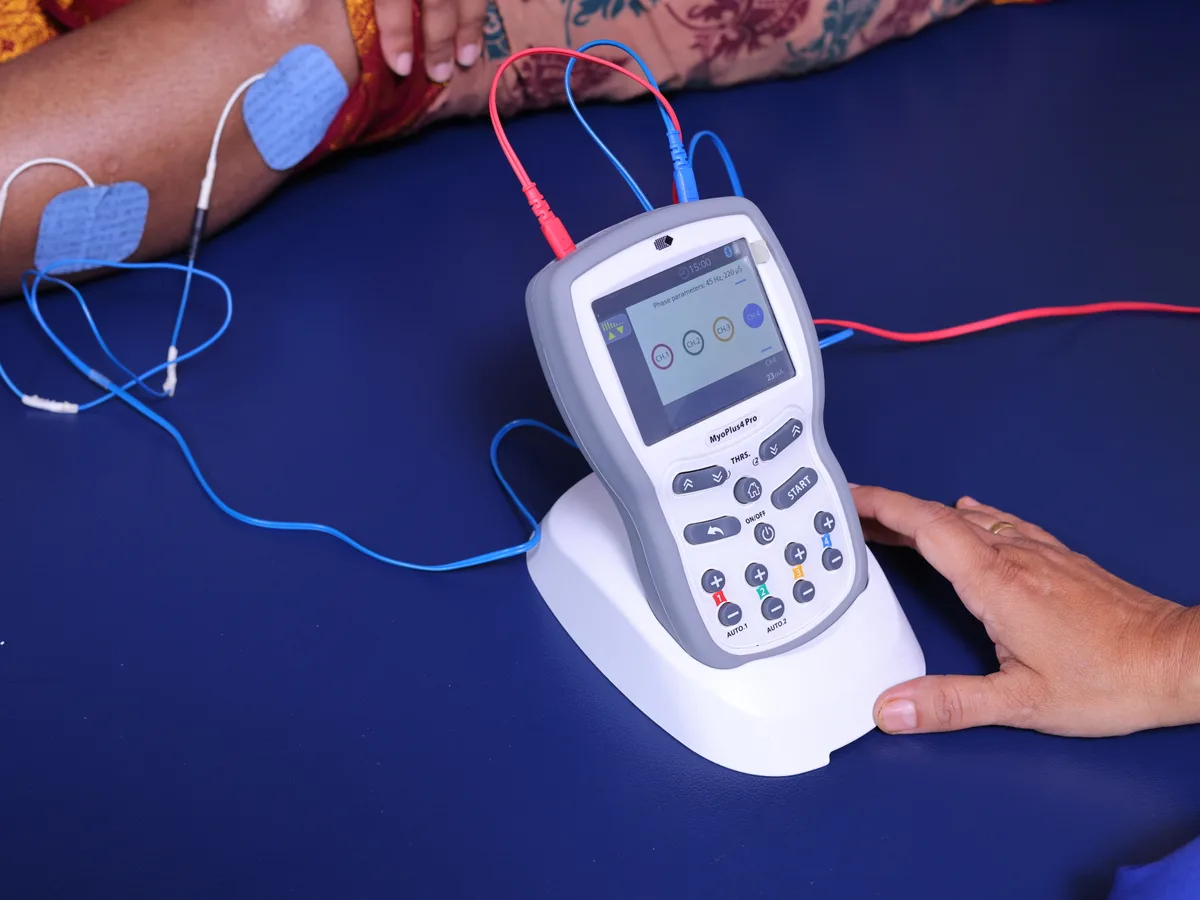
Dry needling is very safe in trained hands, but certain conditions are absolute or relative contraindications.
Needle phobia or unwilling patient
Bleeding disorders, anticoagulant therapy, or thrombocytopenia
Local or systemic infection
Active cancer in the treatment area
Lymphedema in the limb to be treated
Pregnancy (certain points contraindicated — first trimester caution)
Epilepsy or uncontrolled seizures
Compromised immune system (HIV, hepatitis, immunosuppressants)
Recent surgery at site (< 4 months)
Allergy to metals (stainless steel needles)
Find DakshinRehab on Google Maps to read reviews shared by patients.
Our expert physiotherapists and rehabilitation specialists at DakshinRehab bring decades of combined experience to your recovery.

BPT, MPT, IAP Registered
Director, Human Movement Specialist, Physiotherapist
CPO
Consultant Rehabilitation Specialist, CPO | Founder, DakshinRehab
MS (General Surgery), DNB (Vascular Surgery)
Sr. Consultant Vascular & Endovascular Surgeon | Diabetic Foot & Wound Care
Learn more about this condition and treatment options from our expert team.
Your next step
We have treated approximately 20,000 patients. Your initial assessment is free only when you book an appointment online and attend your confirmed time slot. Treatment charges are explained before treatment begins.
Book an AppointmentEvidence-based comparison showing why dry needling is often the most direct solution for myofascial pain
Medications mask pain signals but do not resolve trigger points. Dry needling mechanically disrupts dysfunctional motor endplates, producing actual tissue change and sustained pain relief without drug side effects.
Learn MoreMassage provides temporary relief by compressing tissue. Dry needling penetrates the trigger point directly, eliciting a local twitch response that biochemically resets the muscle — producing deeper and longer-lasting results.
Learn MoreExercise and manual therapy are essential, but when trigger points inhibit muscle function, strengthening is ineffective. Dry needling removes the neuromuscular blockage, allowing exercise to work as intended.
Learn More