
Deep Squat
Foundation Movement
Tests ankle dorsiflexion, hip flexion, thoracic extension, and shoulder flexion simultaneously — the foundation of all human movement.
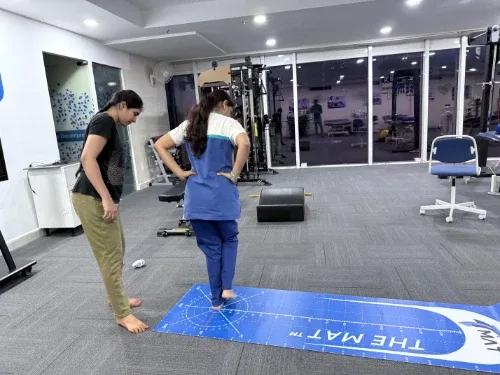
The Functional Mobility Assessment (FMA) and Functional Movement Screen (FMS) evaluate seven fundamental movement patterns that are key to normal function: deep squat, hurdle step, inline lunge, shoulder mobility, active straight-leg raise, trunk stability push-up, and rotary stability. By observing these patterns, we identify limitations and asymmetries that predict injury risk and reveal the root cause of pain — transforming rehab from "chasing symptoms" to correcting underlying movement dysfunction.
Personalised, technology-driven rehabilitation in Moosapet, Hyderabad.
Tests ankle dorsiflexion, hip flexion, thoracic extension, and shoulder flexion simultaneously — the foundation of all human movement.
Assesses single-leg stability, hip mobility, and balance — predicting ACL and ankle injury risk in athletes.
Tests ankle dorsiflexion, hip flexion, thoracic extension, and shoulder flexion simultaneously — the foundation of all human movement.
Assesses single-leg stability, hip mobility, and balance — predicting ACL and ankle injury risk in athletes.
Challenges hip and ankle stability in a split stance, revealing deceleration deficits that cause knee and back pain.
 Related condition
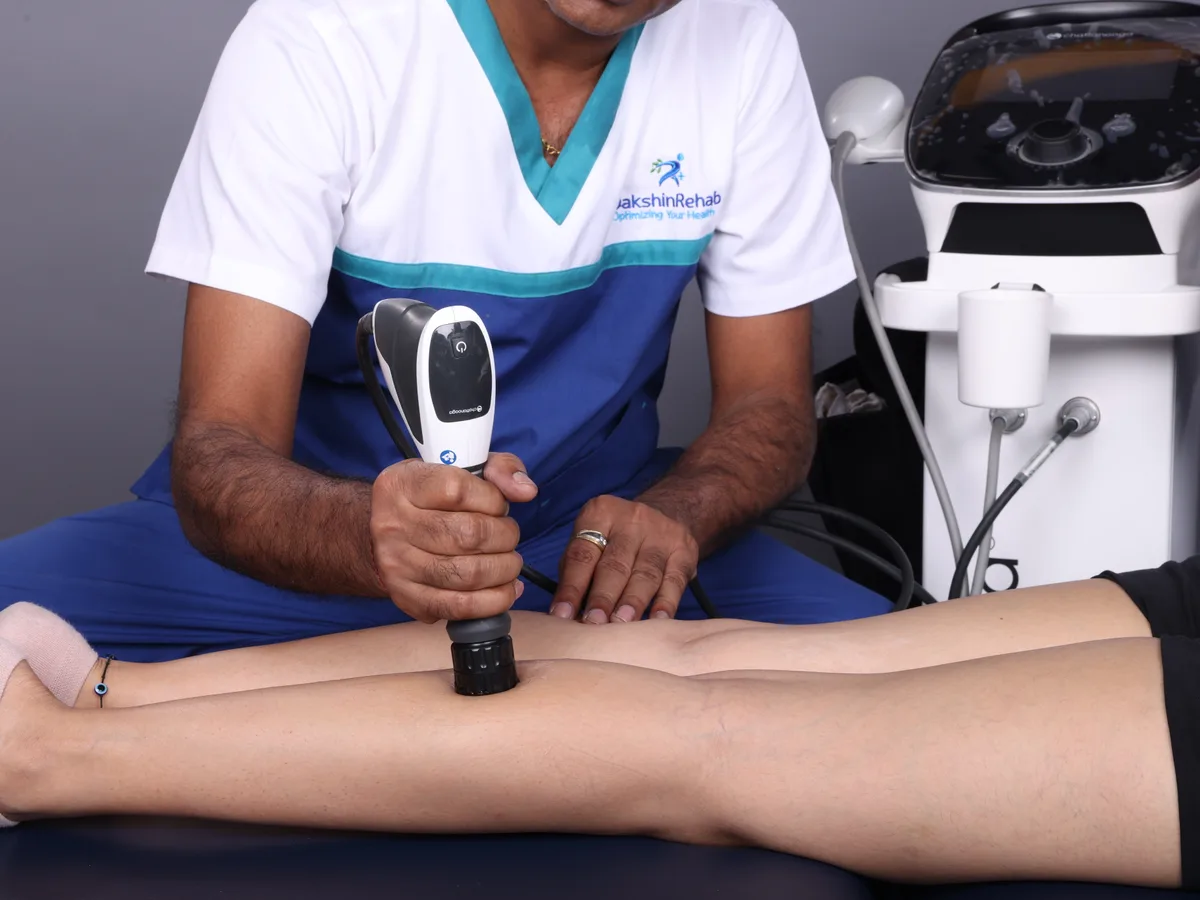
FMS score ≤14 predicts 2–3× higher injury risk. Asymmetries create compensatory loading that causes predictable injuries on the "good" side.
 Related condition
Rotary stability and active straight-leg raise deficits reveal core dysfunction and hip mobility restrictions that perpetuate back pain.
 Related condition
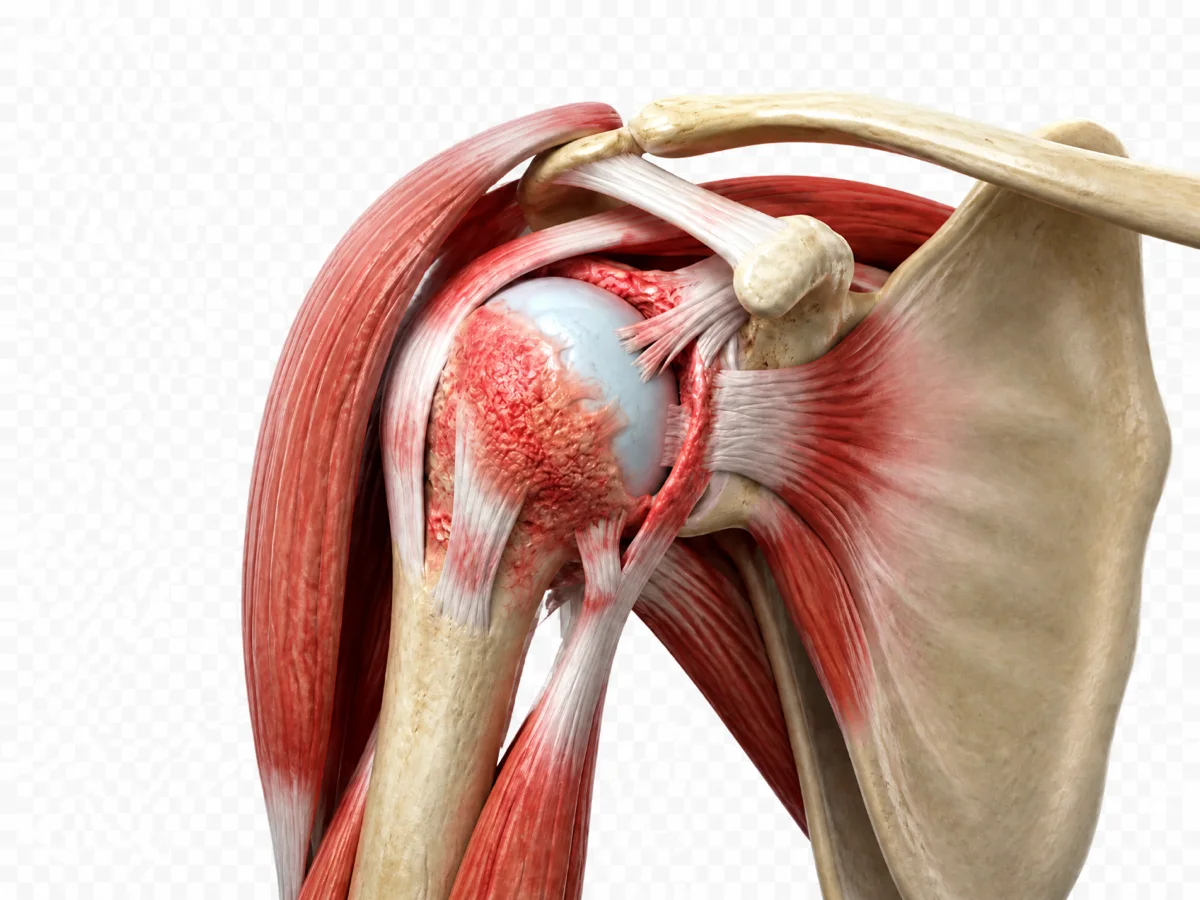
Shoulder mobility and trunk stability push-up tests identify thoracic rotation and scapular control deficits that narrow the subacromial space.
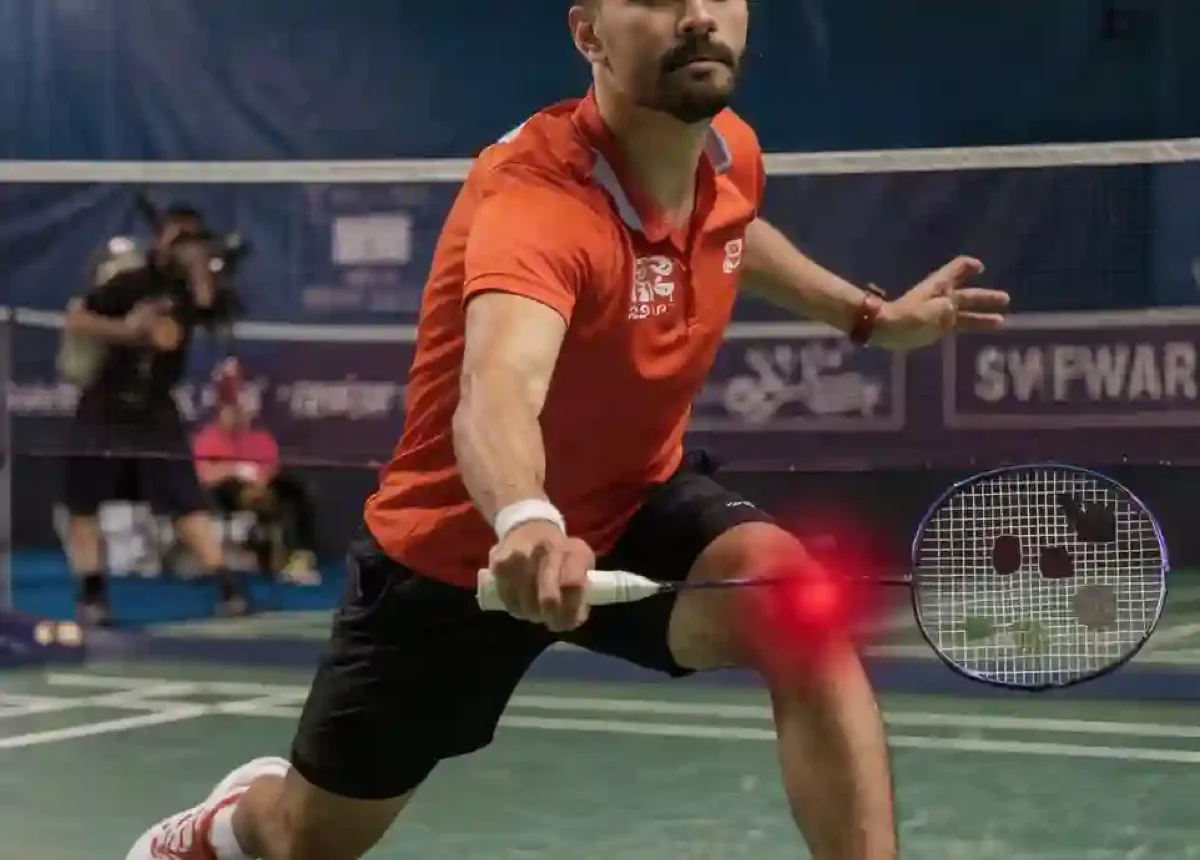 Related condition
Deep squat and hurdle step reveal ankle mobility, hip stability, and single-leg control deficits that overload the knee joint.
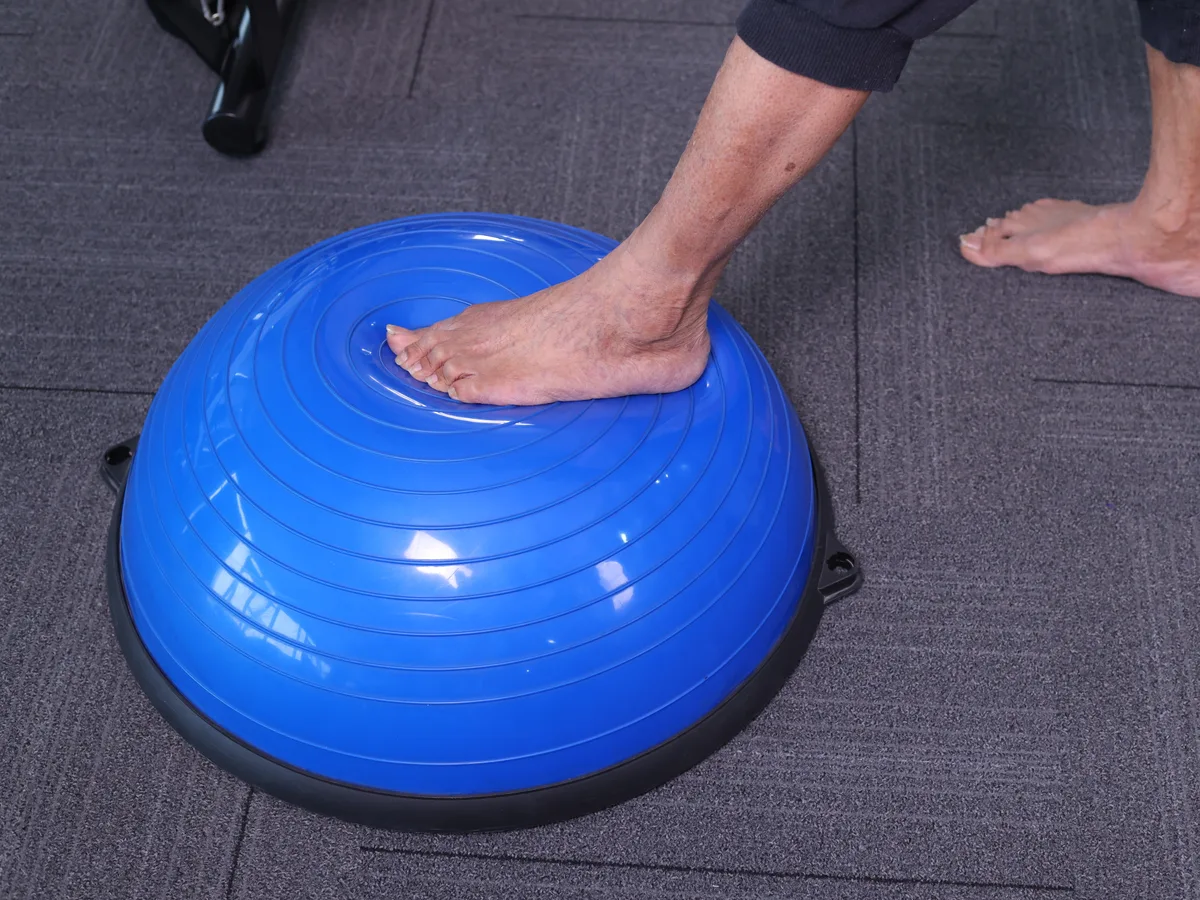 Related condition
Single-leg stability and balance deficits identified through hurdle step and inline lunge predict fall risk before falls occur.
Related conditionHidden movement restrictions limit power output and efficiency. Correcting them unlocks performance gains without additional fitness training.
Anyone with recurrent injuries, chronic pain, or performance goals benefits from objective movement quality screening.
Identify hidden asymmetries and movement deficits before they cause injury. FMS is used by professional sports teams worldwide for injury prevention.
When treatment focuses only on the painful area but pain returns, FMS finds the movement dysfunction causing the problem — not just the symptoms.
After ACL reconstruction, joint replacement, or spinal surgery, FMS guides safe return-to-activity by identifying lingering movement deficits.
Balance and stability deficits identified through FMS predict falls before they happen — enabling targeted preventive exercise.
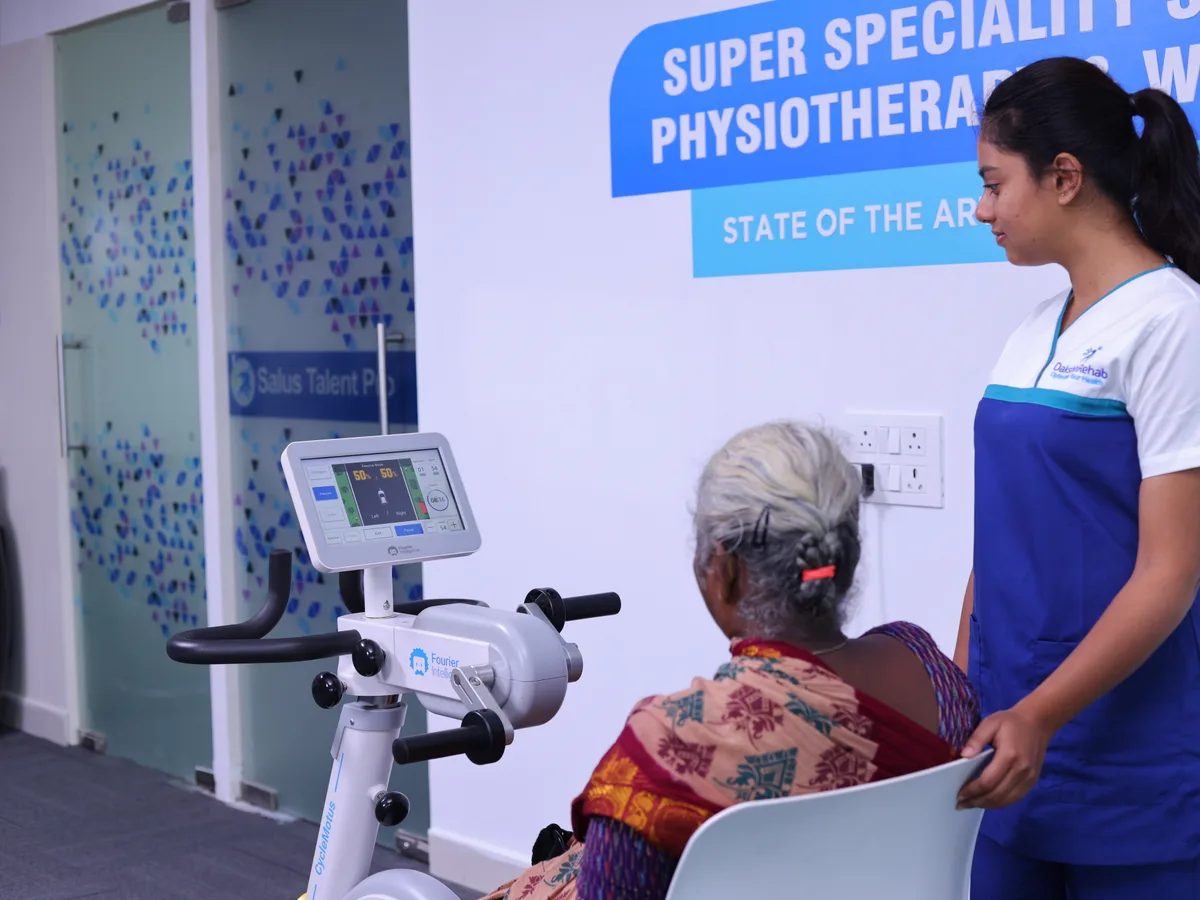
The FMS is not a strength test or a flexibility test — it is a movement quality test. Each of the seven patterns challenges multiple joints and muscle groups simultaneously, revealing compensations, asymmetries, and motor control deficits that isolated testing cannot detect.
Tests ankle dorsiflexion, hip flexion, thoracic extension, and shoulder flexion simultaneously — the foundation of all human movement.
Assesses single-leg stability, hip mobility, and balance — predicting ACL and ankle injury risk.
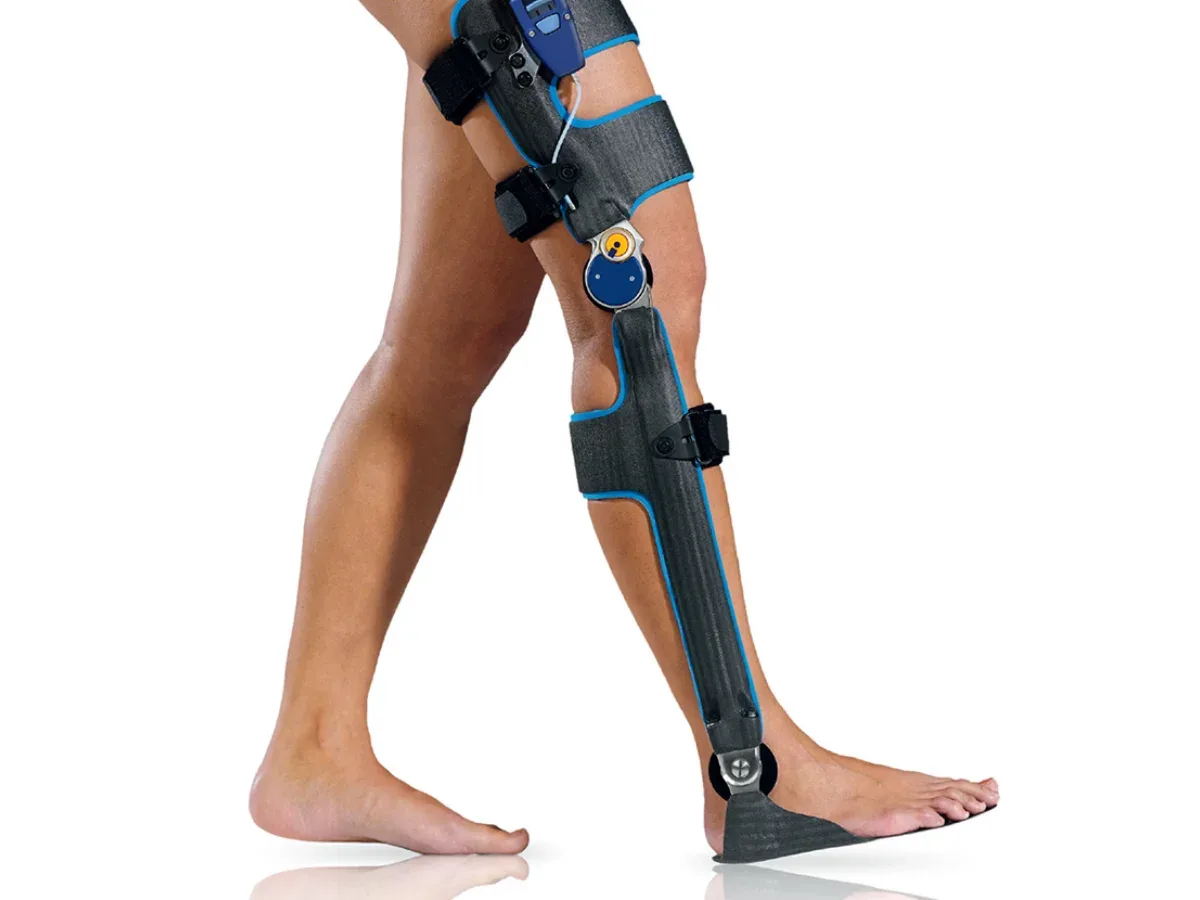 DakshinRehab clinical pathway
Challenges hip and ankle stability in a split stance, revealing deceleration deficits that cause knee and back pain.
Tests thoracic rotation, scapular stability, and glenohumeral mobility — predicting shoulder impingement and rotator cuff strain.
Clinical comparison
Research by Kiesel et al. found that athletes with an FMS asymmetry had a 2.6× greater risk of injury than symmetrical athletes — even if their overall score was above the injury-risk threshold. A strong asymmetry (e.g., left hip mobility 40% less than right) creates compensatory loading that predictably causes injury on the "good" side. The FMS catches these asymmetries before they become injuries, and our corrective exercise program targets them specifically.
Assesses hamstring flexibility and core stability — correlates with lumbar spine stress during athletic movement.
DakshinRehab in Moosapet, Hyderabad offers certified Functional Movement Screen assessments with corrective exercise prescription. No referral needed — book directly and receive a personalized movement correction plan.

“Pain is the alarm. Movement dysfunction is the fire. The FMS shows us where the fire started — so we can put it out before the whole house burns down.”
A Functional Mobility Assessment at DakshinRehab
Context and goals established
7-movement profile with asymmetry map
Personalized corrective program delivered
Progress tracked; program advanced
Predict and prevent injury through movement quality
FMS score ≤14 predicts 2–3× higher injury risk. Catch problems before they sideline you.
Left-right differences are the strongest predictors of future injury — even in strong athletes.
Finds the movement dysfunction causing your pain, not just the painful area.
Quantified scores track improvement and justify return-to-play decisions.
Corrective exercises address your specific weakest link — no wasted effort.
Improved movement quality translates to better athletic performance and efficiency.
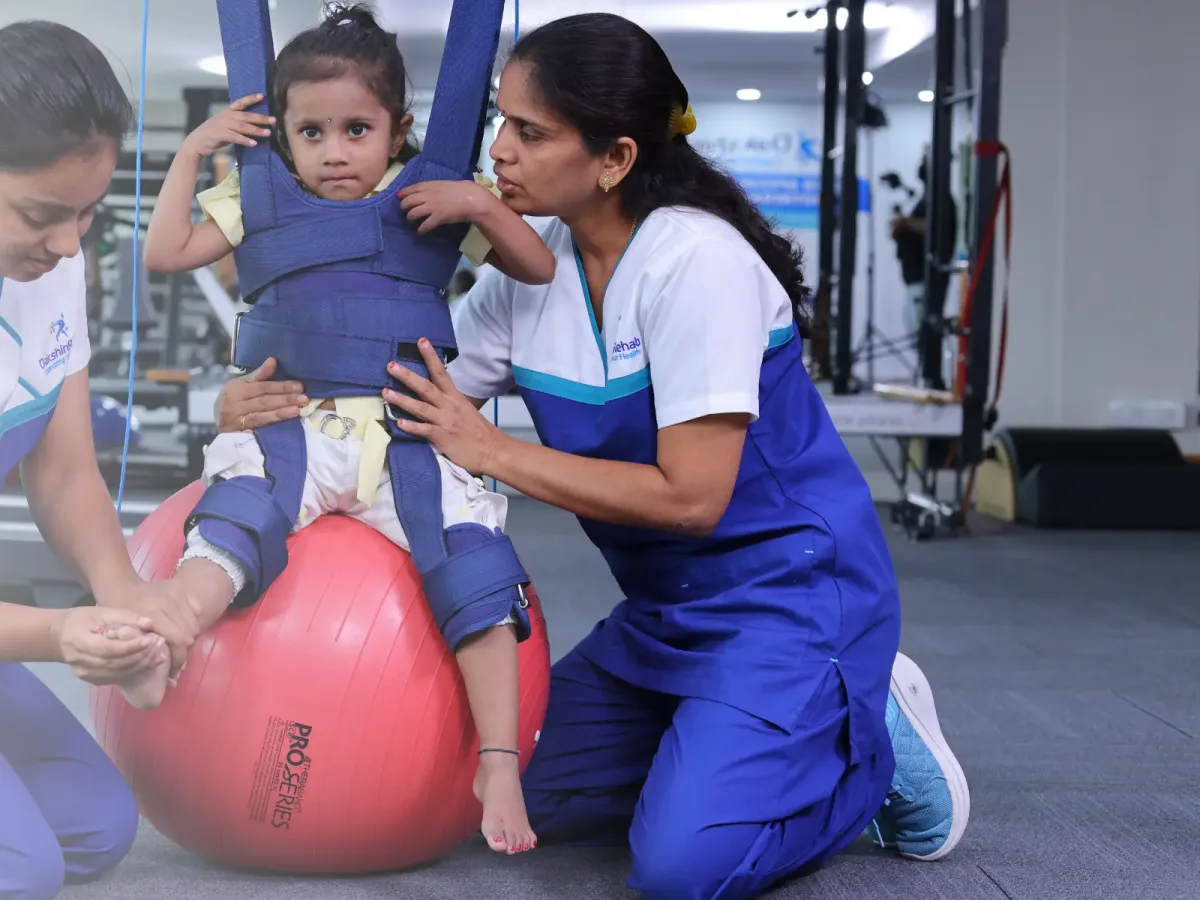
FMS is a bodyweight screen, but certain conditions require caution.
Acute injury preventing test performance
Severe pain during movement (score 0, refer for evaluation)
Recent surgery without clearance
Pregnancy (modify trunk stability and rotary tests)
Uncontrolled cardiovascular disease
Find DakshinRehab on Google Maps to read reviews shared by patients.
Our expert physiotherapists and rehabilitation specialists at DakshinRehab bring decades of combined experience to your recovery.

BPT, MPT, IAP Registered
Director, Human Movement Specialist, Physiotherapist

CPO
Consultant Rehabilitation Specialist, CPO | Founder, DakshinRehab

MS (General Surgery), DNB (Vascular Surgery)
Sr. Consultant Vascular & Endovascular Surgeon | Diabetic Foot & Wound Care
Your next step
We have treated approximately 20,000 patients. Your initial assessment is free only when you book an appointment online and attend your confirmed time slot. Treatment charges are explained before treatment begins.
Book an AppointmentHow movement quality screening compares to conventional strength and flexibility testing
Testing individual muscles in isolation does not reveal how they work together during movement. FMS evaluates multi-joint patterns, exposing compensations that isolated tests miss.
Learn MorePush-up counts and sit-and-reach scores measure capacity, not quality. FMS identifies the weakest link in your movement chain — the specific deficit causing pain and injury risk.
Learn MoreTreating only the painful area is like turning off a smoke alarm without extinguishing the fire. FMS finds where the movement dysfunction started, enabling correction at the source.
Learn More