
Segmental Lean Analysis
Muscle by Body Region
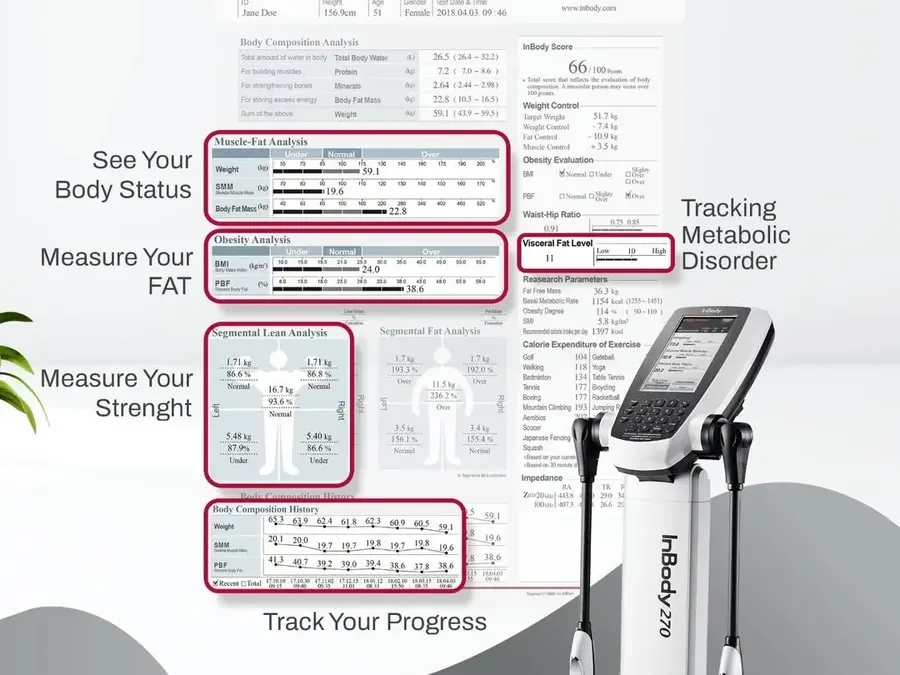
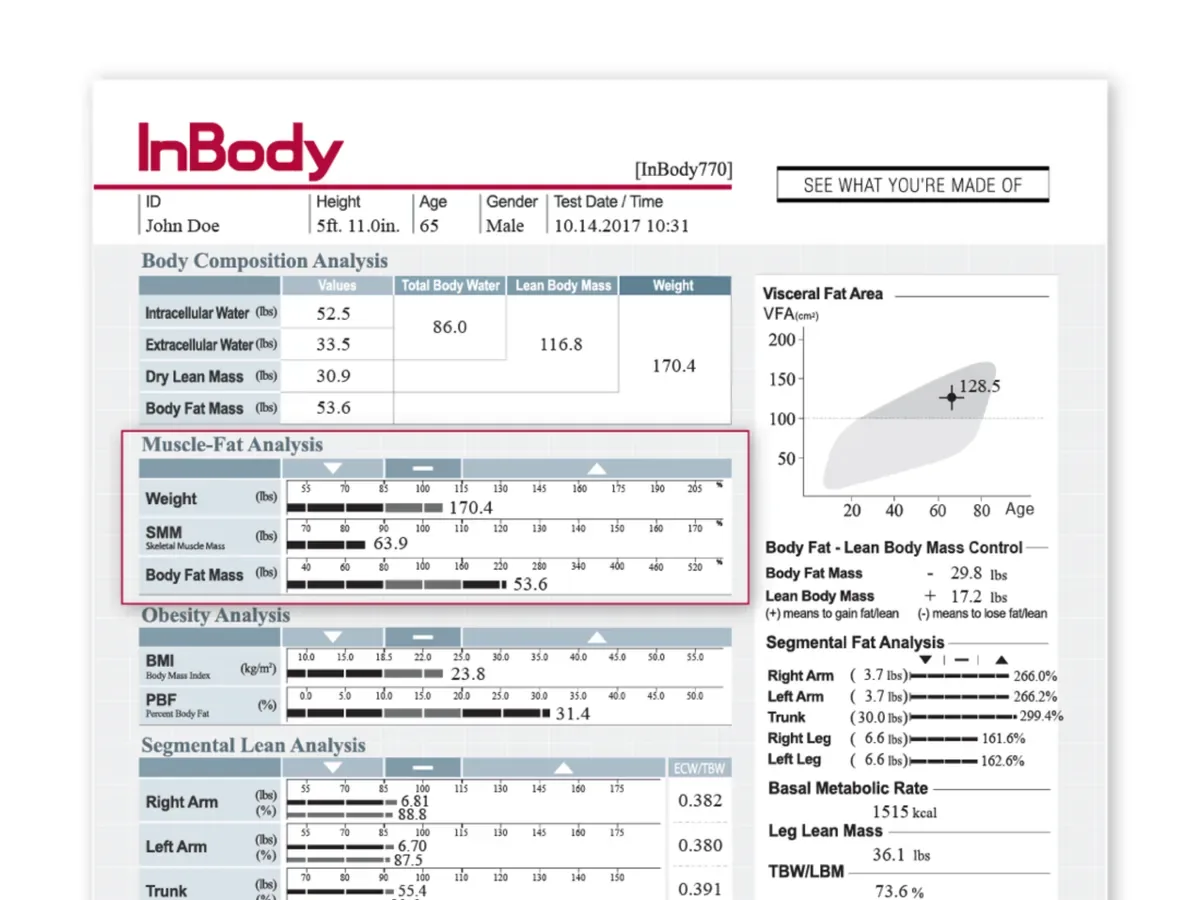
The body is divided into five segments: left arm, right arm, trunk, left leg, and right leg. This helps identify side-to-side weakness after injury, surgery, stroke, or long periods of reduced activity.
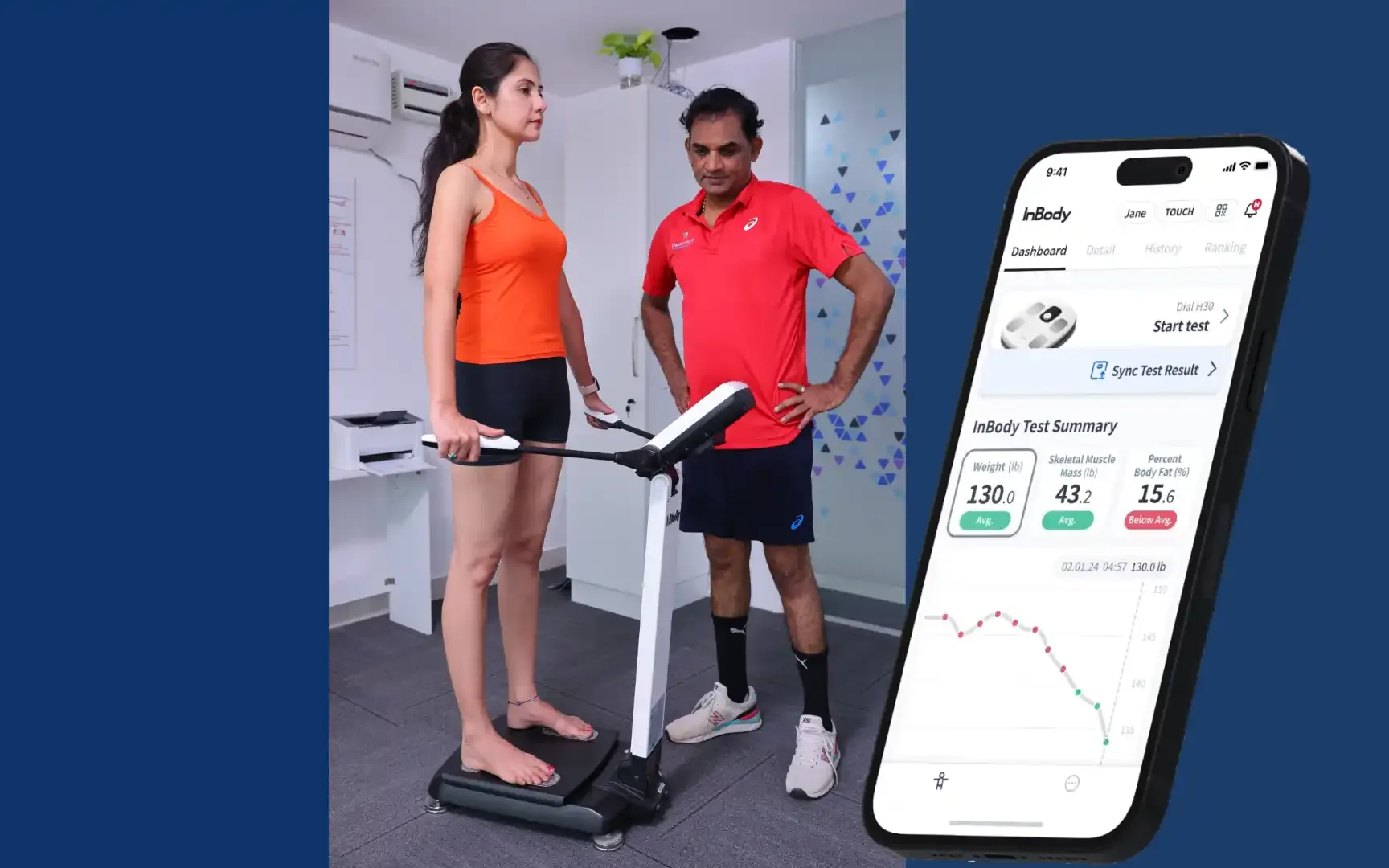
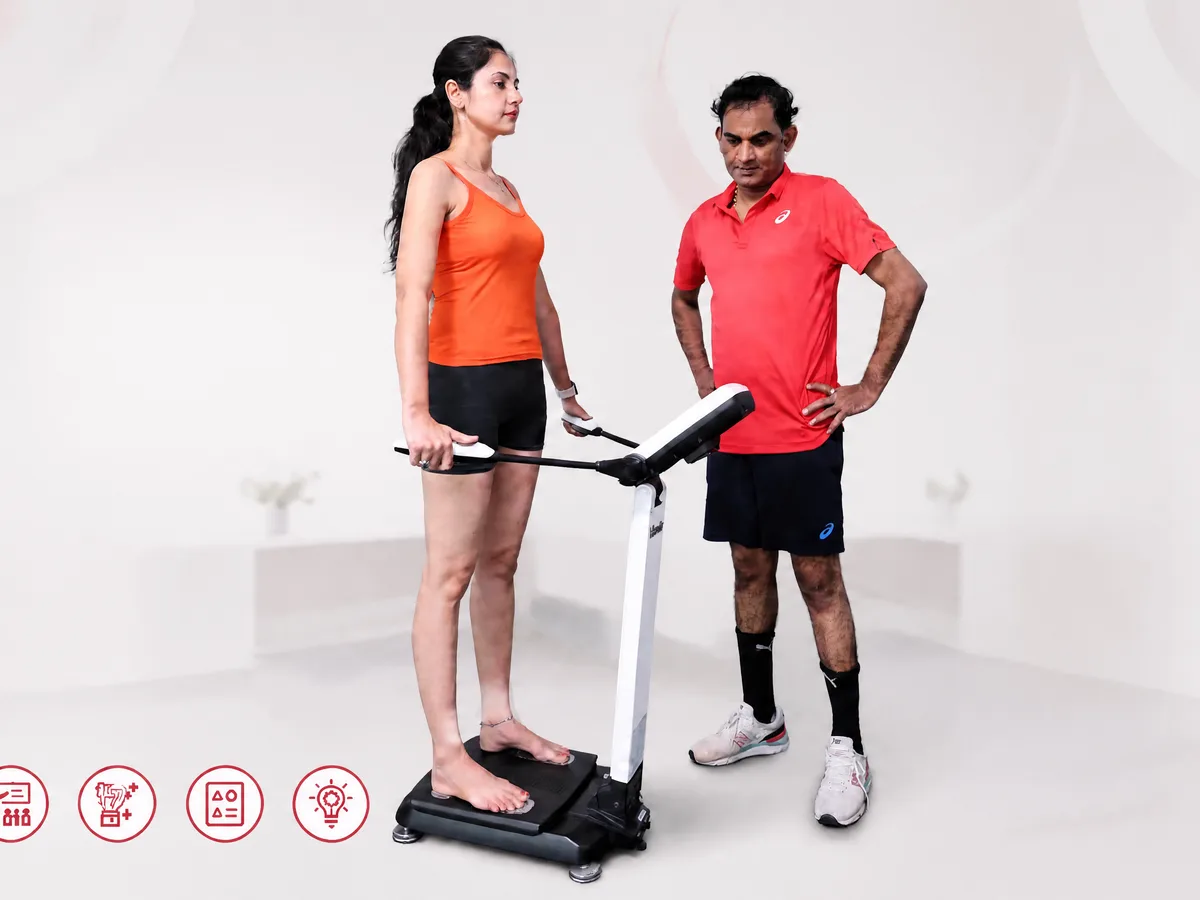
At DakshinRehab Moosapet, InBody 270 shows your physiotherapist what a weighing scale cannot — segmental muscle, body fat, hydration and recovery trends, interpreted alongside your rehab plan.
Personalised, technology-driven rehabilitation in Moosapet, Hyderabad.
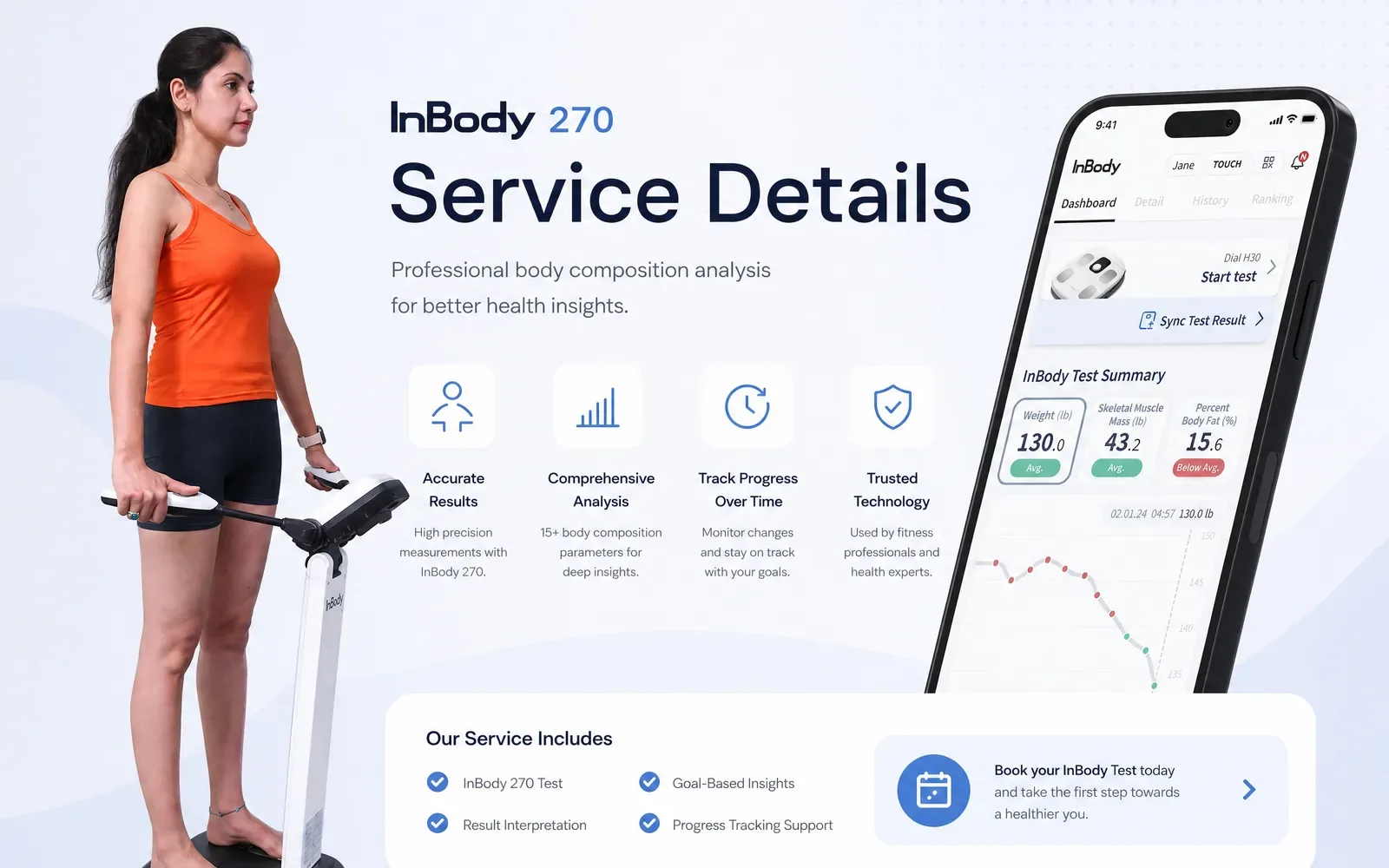
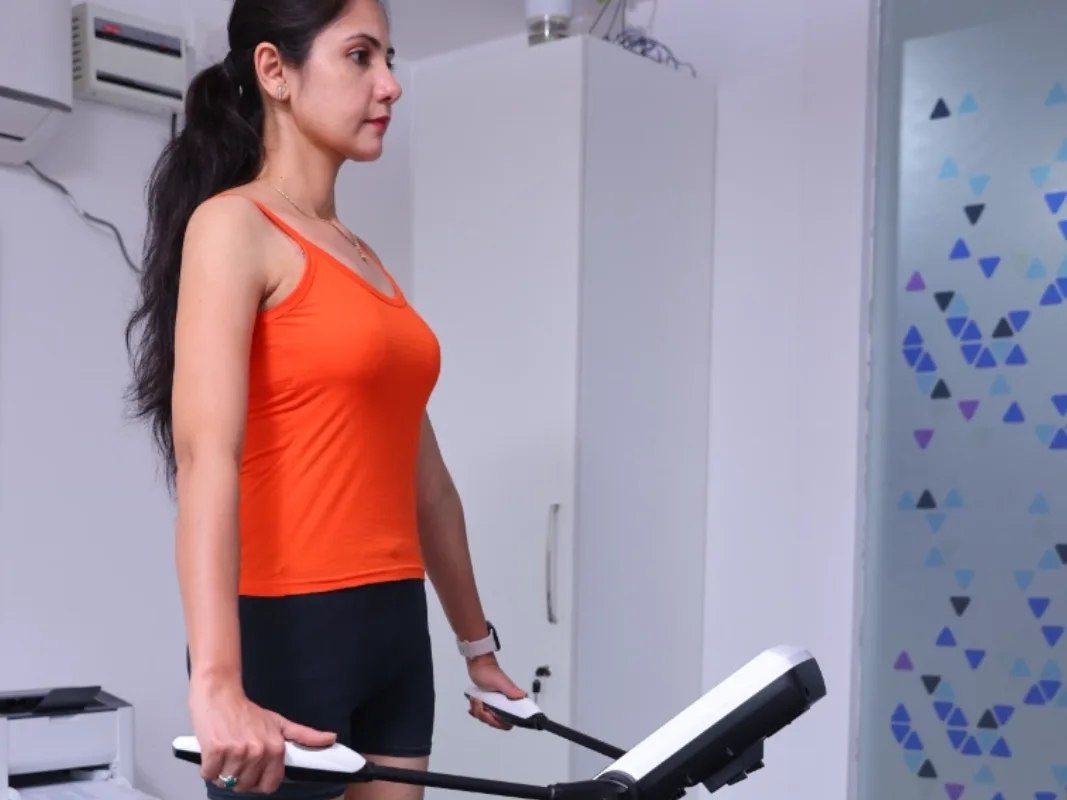
The body is divided into five segments: left arm, right arm, trunk, left leg, and right leg.
Repeated reports show whether weight change is coming from fat, muscle, or water.
The body is divided into five segments: left arm, right arm, trunk, left leg, and right leg. This helps identify side-to-side weakness after injury, surgery, stroke, or long periods of reduced activity.
Repeated reports show whether weight change is coming from fat, muscle, or water. This is more useful than a single number when planning progressive rehabilitation.
In older adults, low muscle mass is linked with poorer balance, frailty, and higher fall risk. Early detection allows exercise and nutrition plans to start before function drops sharply.
 Related condition
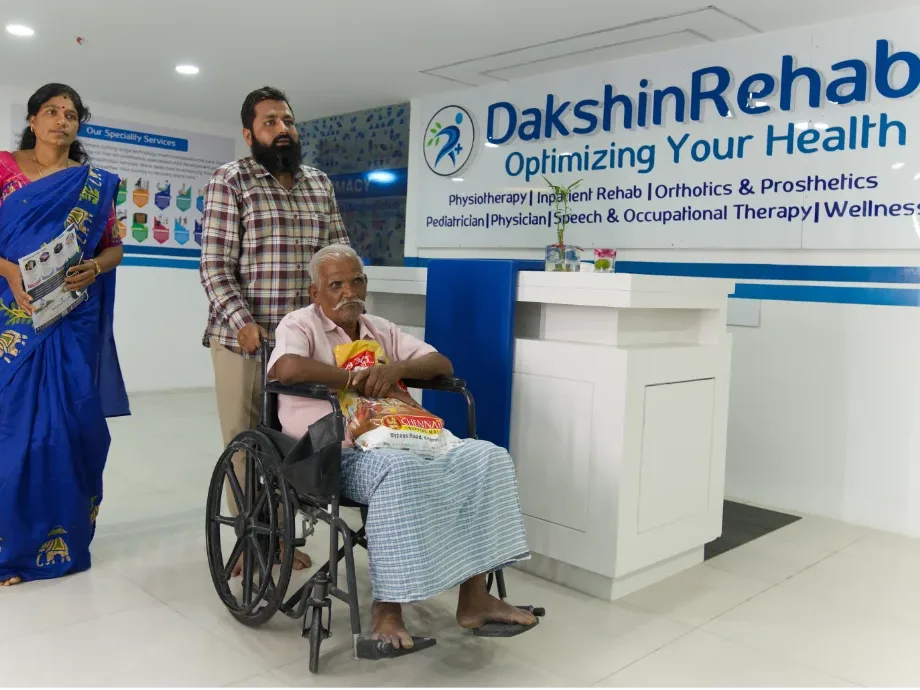
After ACL reconstruction, joint replacement, fracture fixation, or prolonged rest, the operated limb can lose muscle quickly. Segmental tracking helps guide progressive strengthening.
 Related condition
In neurological rehab, one side of the body may lose lean mass due to reduced use. InBody data supports targeted strengthening and functional retraining.
 Related condition
Athletes recovering from knee, ankle, shoulder, or hamstring injuries need more than pain relief. Segmental muscle data helps benchmark readiness for training progression.
Related conditionOlder adults benefit from early screening for low muscle mass, especially when balance, walking confidence, or repeated falls are part of the history.
Premium rehabilitation should be measurable. InBody 270 helps our clinicians connect body composition, muscle balance, symptoms, and function into one clearer plan.
Segmental lean data helps us identify where the body needs focused strengthening, especially after surgery, neurological injury, or repeated sports injury.
Learn MoreBody Composition History allows repeat comparisons over time, so progress discussions are based on trends rather than memory or guesswork.
Learn MorePatients searching for Kukatpally physiotherapy or physiotherapy in Moosapet can access assessment, interpretation, exercise planning, and follow-up under one roof.
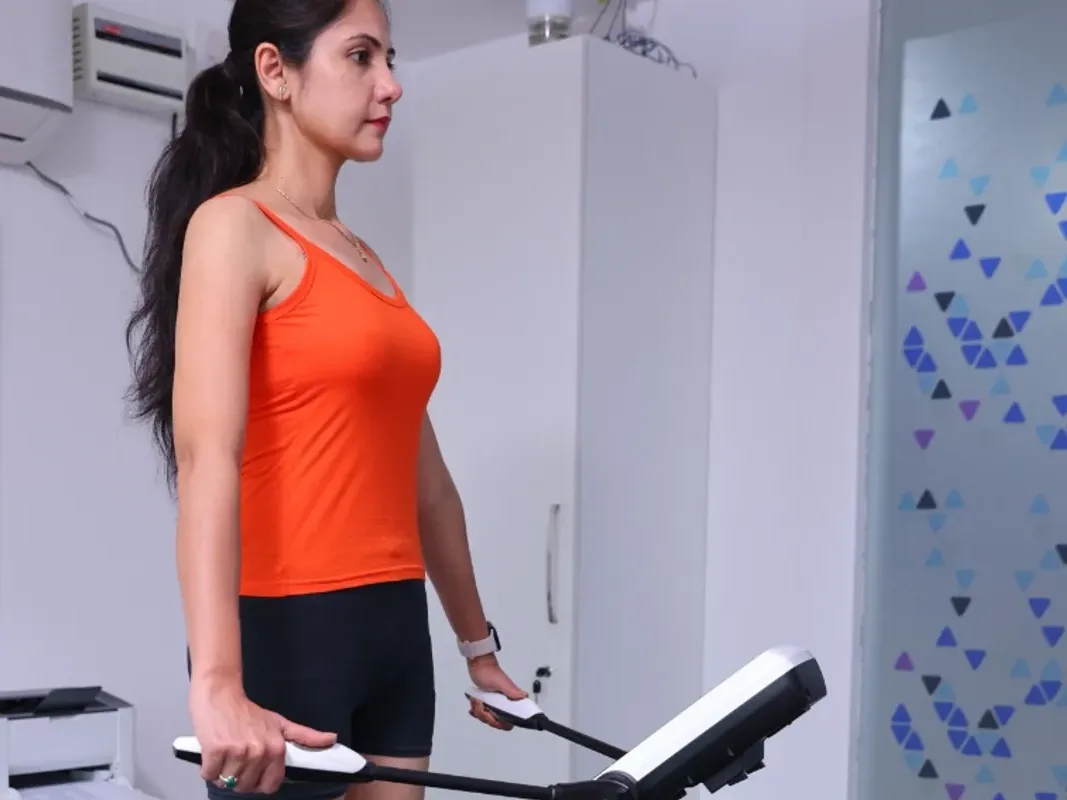
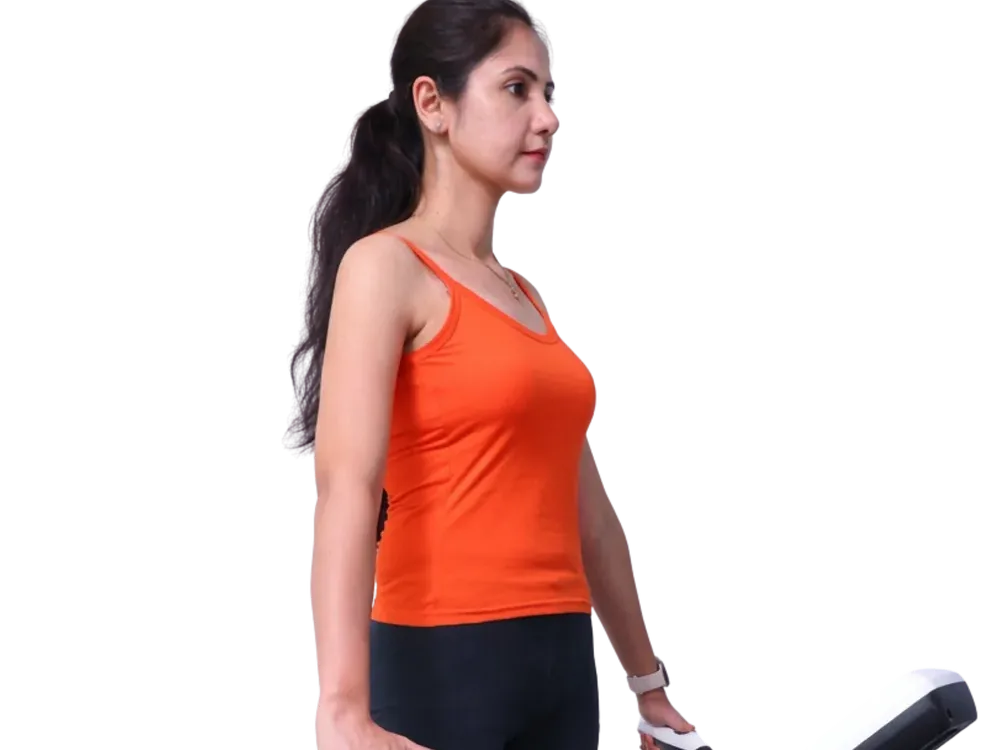
Learn MoreInBody 270 uses bioelectrical impedance analysis through hand and foot electrodes. A safe, low-level current passes through the body; because muscle, fat, and water conduct electricity differently, the device estimates body composition across specific body segments.
The scan separately evaluates the left arm, right arm, trunk, left leg, and right leg, making asymmetry easier to detect and explain.
Lean body mass reflects muscle and other fat-free tissue. In rehabilitation, this helps track whether the injured or weaker region is rebuilding as expected.
DakshinRehab clinical pathwayTrend graphs show whether the patient is gaining muscle, losing fat, retaining fluid, or losing muscle over multiple assessments.
Total body water and fluid balance provide useful context in swelling, post-surgical recovery, lymphatic concerns, and fatigue-related programmes.
Clinical comparison
The report gives a top value for lean body mass in each segment and compares it against what is expected for the person. At DakshinRehab, we use this information with strength testing, gait observation, pain history, and functional goals. For example, if the right leg shows lower lean mass after ACL surgery or knee replacement, the exercise plan can focus on rebuilding that segment safely instead of using a generic strengthening routine.
Results can guide exercise progression, nutrition conversations, return-to-activity planning, and whether a programme needs to be adjusted.
InBody 270 analysis is available at DakshinRehab in Moosapet for Kukatpally physiotherapy patients, athletes, older adults, and post-surgery recovery plans.

“A patient can look lighter on a scale and still be losing the muscle they need for walking, balance, and sport. Segmental data helps us protect the recovery, not just chase weight loss.”
An InBody 270 Assessment at DakshinRehab
The scan is interpreted in the right clinical context
Consistent testing position for reliable comparison
Full InBody report created
You understand what the numbers mean for your body
A measurable next-step plan
Rehabilitation stays accountable over time
InBody 270 is not a cosmetic scan at DakshinRehab. It is a clinical measurement tool used to make rehabilitation more specific, transparent, and accountable.
Start rehab with objective body composition data instead of guessing from weight, appearance, or general fitness levels.
If one leg or arm is lagging behind, your physiotherapist can adjust exercise selection, loading, and follow-up testing accordingly.
Progress is not always visible in the mirror. Trend reports help patients see meaningful changes in muscle, fat, and water balance.
Weight loss goals can be monitored so patients reduce excess fat without unintentionally losing the muscle needed for movement and independence.
When muscle gain is slow, the report opens a practical conversation about protein intake, recovery, sleep, and training consistency.
You receive physiotherapist-guided interpretation at DakshinRehab, not a standalone printout without context.
Bioelectrical impedance analysis is painless and non-invasive, but some situations require caution or a different assessment method.
Implanted pacemaker or defibrillator — do not use unless cleared in writing by your treating physician.
Pregnancy — body composition testing is usually deferred as a routine precaution.
Severe swelling, fever, acute illness or dehydration — can distort lean mass and hydration readings; reschedule.
Limb amputation, large metal implants, or recent heavy exercise — disclose before the scan so we adjust the interpretation.
Patients under 3 years of age or unable to stand still on the foot electrodes — alternative assessment is needed.
Standalone diagnosis — the InBody report is a clinical tool, not a substitute for a physiotherapist's assessment.
Why segmental body composition data has become a routine part of rehabilitation planning at DakshinRehab Moosapet.
A clinical perspective on using InBody 270 alongside physiotherapy assessment, not as a stand-alone scan.

Human Movement Specialist, Physiotherapist
“A patient can look lighter on a weighing scale and still be losing the muscle they need for walking, balance and sport. InBody 270 lets us see that loss segment by segment — left arm, right arm, trunk, each leg — and steer the rehab plan around the side that needs rebuilding, not just the side that hurts. For our post-surgery, stroke and sports patients in Kukatpally and KPHB, that distinction is the difference between guessing and measuring.”
Dr. Swapnagandhi, Human Movement Specialist, Physiotherapist
Find DakshinRehab on Google Maps to read reviews shared by patients.
Clear answers about segmental lean analysis, muscle loss, body composition history, and rehabilitation tracking at DakshinRehab Moosapet.
Our expert physiotherapists and rehabilitation specialists at DakshinRehab bring decades of combined experience to your recovery.

BPT, MPT, IAP Registered
Director, Human Movement Specialist, Physiotherapist

CPO
Consultant Rehabilitation Specialist, CPO | Founder, DakshinRehab

MS (General Surgery), DNB (Vascular Surgery)
Sr. Consultant Vascular & Endovascular Surgeon | Diabetic Foot & Wound Care
Your next step
We have treated approximately 20,000 patients. Your initial assessment is free only when you book an appointment online and attend your confirmed time slot. Treatment charges are explained before treatment begins.
Book an AppointmentWe connect your report with symptoms, strength, movement quality and treatment goals to guide the next steps.
Lean mass is reviewed across the left arm, right arm, trunk, left leg, and right leg. This helps identify side-to-side loss after surgery, stroke, injury, or reduced activity.
Repeat tests show whether changes are coming from fat, muscle, or water. That trend is more useful than a single weight number when exercise is being progressed.
Low muscle mass or major side-to-side differences may affect balance, walking confidence, return to sport, and fall risk. Your plan is adjusted around those findings.