
Lymphangiomotoricity
Vessel Pumping
Gentle stretching of lymphatic vessels stimulates their intrinsic pumping action, moving fluid toward functional nodes.
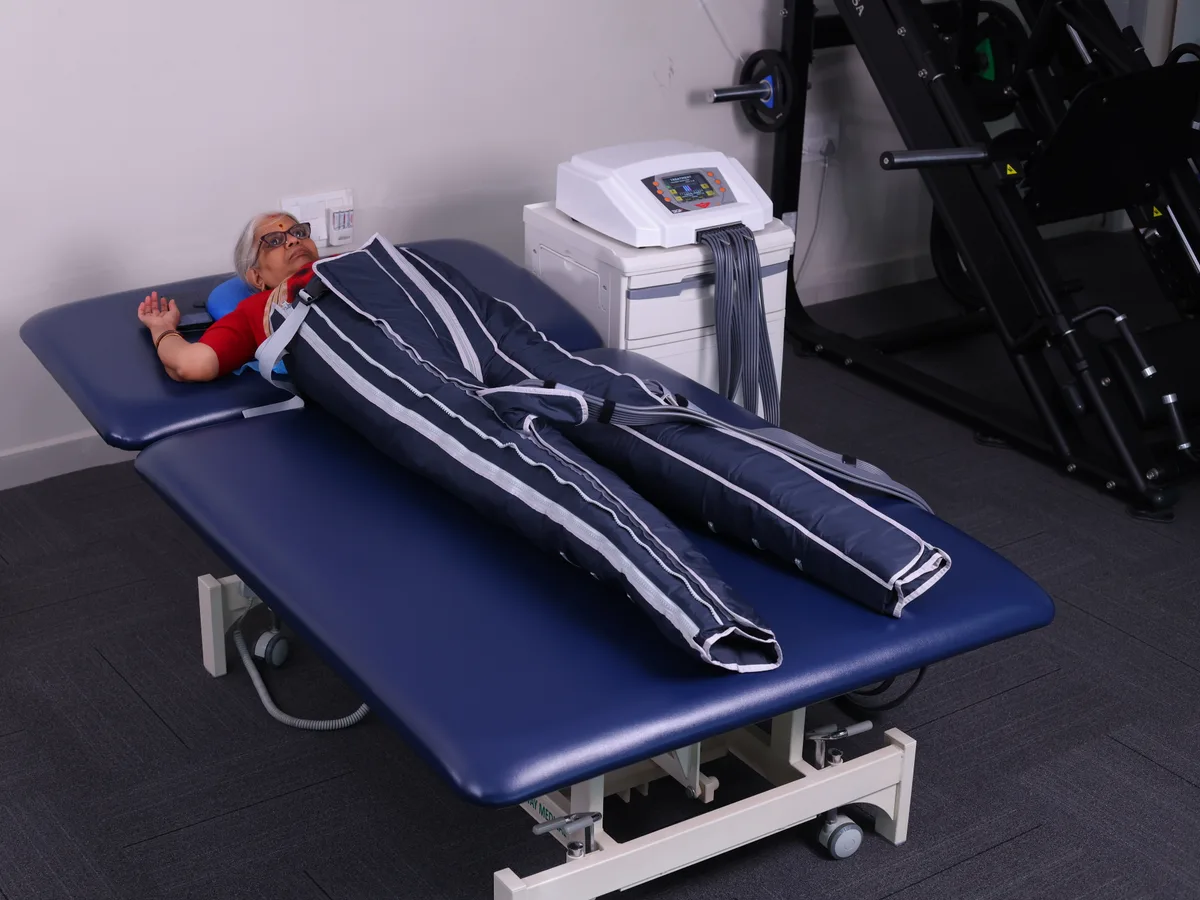
Manual Lymphatic Drainage (MLD) is a specialized, gentle pumping massage technique designed to stimulate lymph fluid flow. It is critical for managing lymphedema post-surgery or post-cancer treatment. MLD re-routes fluid from blocked areas to healthy lymphatic vessels, reducing heavy limb sensation and fibrosis risk. It also supports immune function by facilitating lymphocyte transport and toxin removal from interstitial spaces.
Personalised, technology-driven rehabilitation in Moosapet, Hyderabad.
Gentle stretching of lymphatic vessels stimulates their intrinsic pumping action, moving fluid toward functional nodes.
Strokes follow anatomical lymphatic pathways, rerouting fluid from congested areas to healthy drainage territories.
Gentle stretching of lymphatic vessels stimulates their intrinsic pumping action, moving fluid toward functional nodes.
Strokes follow anatomical lymphatic pathways, rerouting fluid from congested areas to healthy drainage territories.
Mobilized interstitial fluid enters lymphatic capillaries and returns to venous circulation, reducing limb volume and heaviness.
 Related condition
MLD is the cornerstone of lymphedema management — reducing limb volume, preventing fibrosis, and maintaining long-term fluid balance.
 Related condition
After lymph node dissection, cosmetic surgery, or joint replacement, MLD prevents acute swelling from becoming chronic lymphedema.
 Related condition
After mastectomy or lymph node removal, MLD re-routes fluid through alternative pathways — essential for preventing and managing lymphedema.
 Related condition
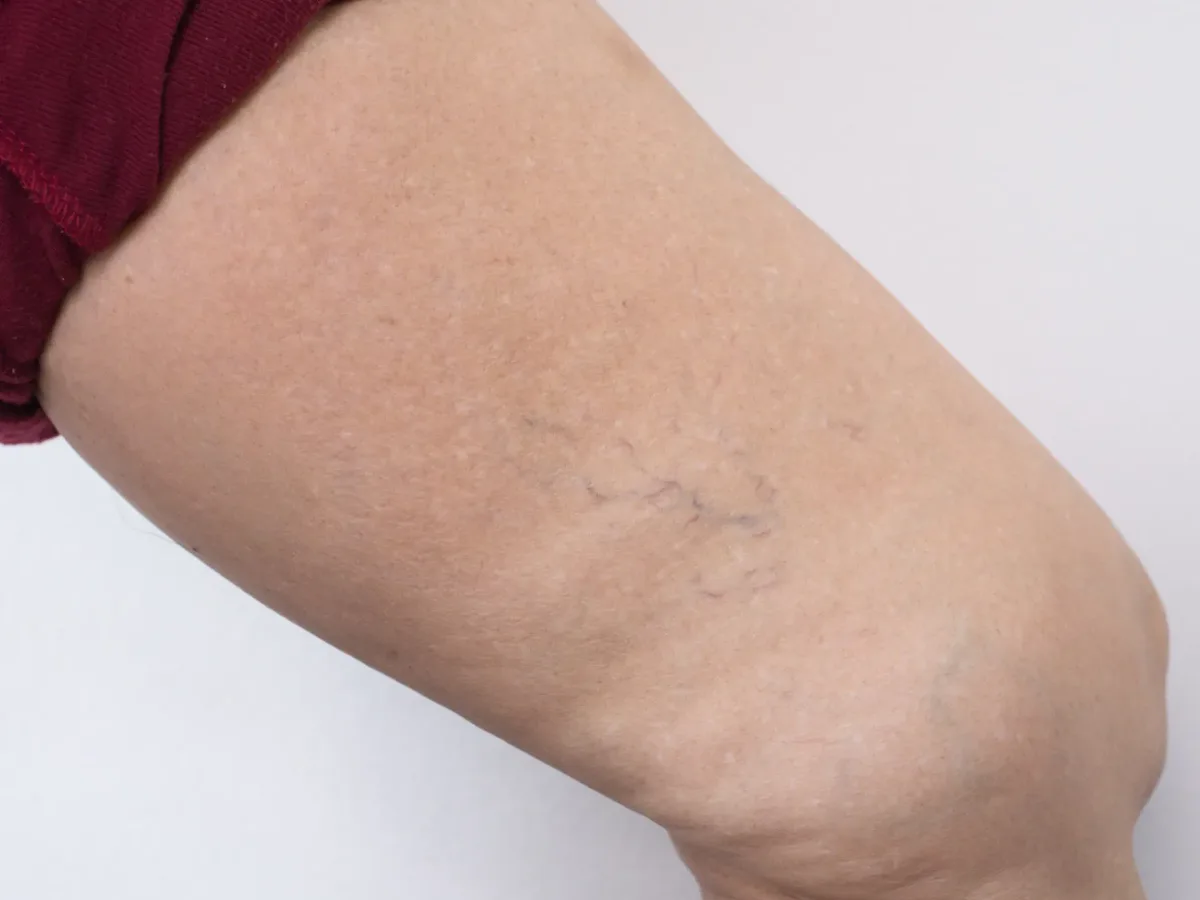
MLD reduces lower limb edema caused by venous valve dysfunction, relieving heaviness and preventing skin changes.
 Related condition
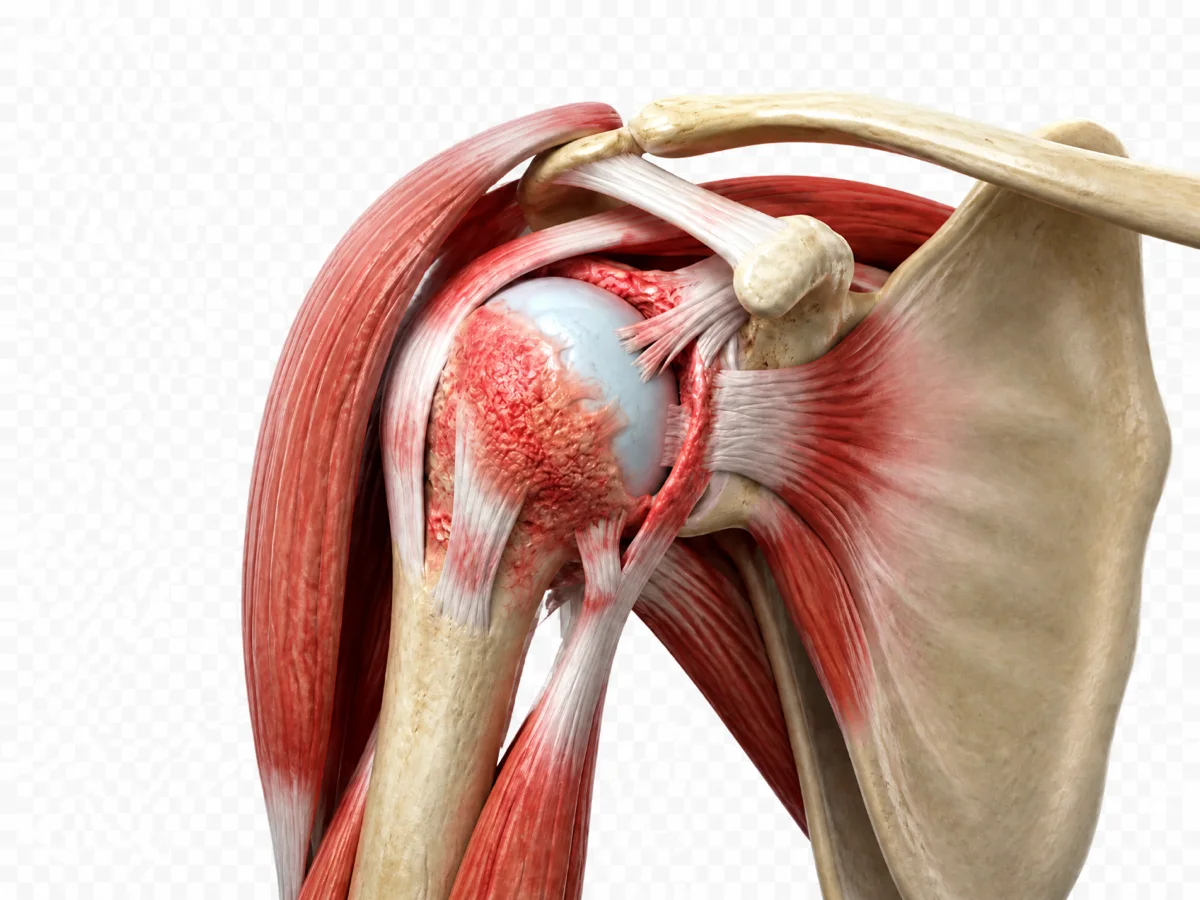
Early MLD after injury or surgery prevents protein accumulation and fibrotic tissue hardening that limits movement.
 Related condition
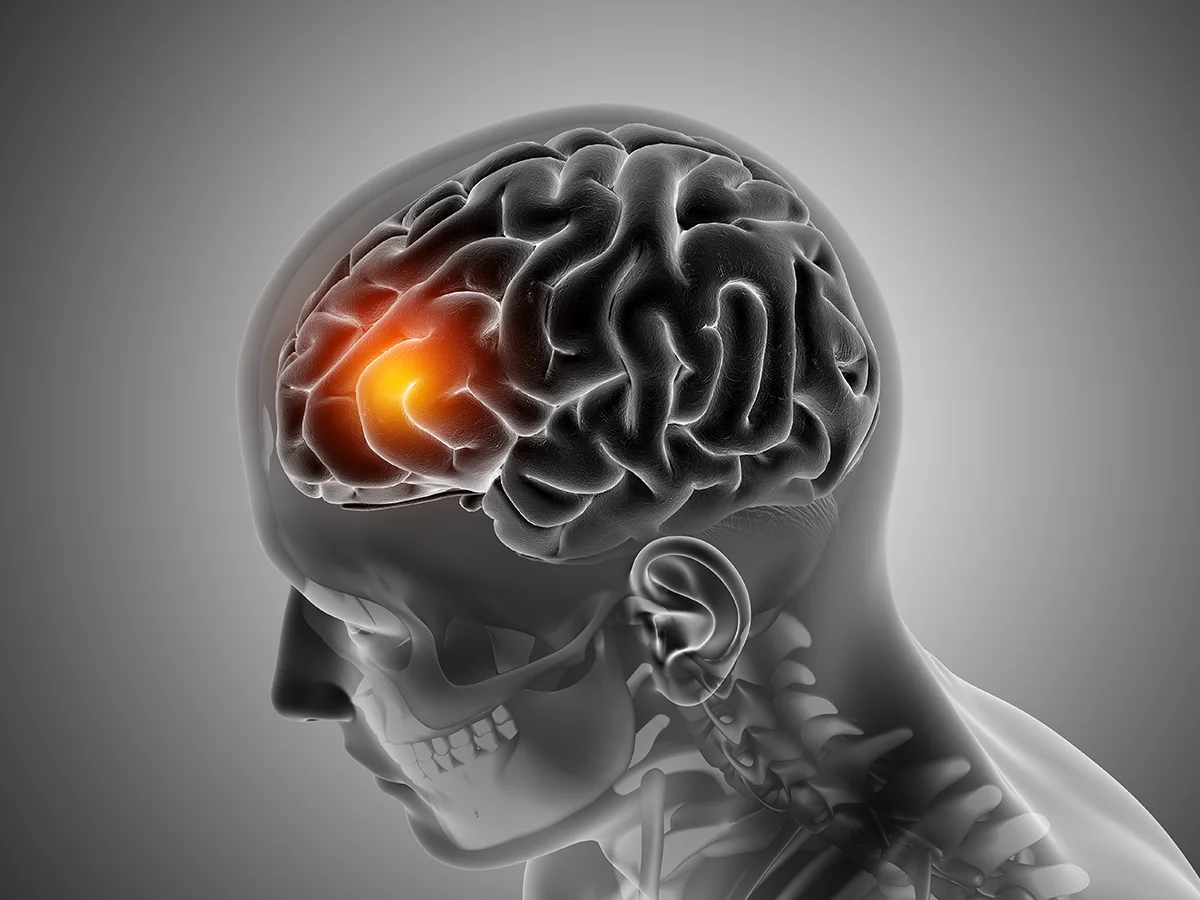
Enhanced lymph flow supports immune cell transport and removal of metabolic waste — beneficial during recovery from illness or fatigue.
MLD is essential for anyone with swelling, lymphedema risk, or compromised lymphatic circulation after surgery or trauma.
After any surgery involving lymph nodes or significant tissue disruption, early MLD prevents chronic swelling and accelerates healing.
Post-mastectomy and lymph node dissection patients benefit from MLD to prevent and manage lymphedema — a common but treatable complication.
If you experience persistent leg or arm heaviness, puffiness, or tightness — especially by end of day — MLD can significantly improve comfort and mobility.
Enhanced lymph flow supports immune cell transport. MLD is a gentle, non-invasive way to support immune function during recovery.
The lymphatic system lacks a central pump like the heart. It relies on muscle contraction, respiratory pressure changes, and manual stimulation to move fluid. MLD uses rhythmic, light-pressure strokes that stretch lymphatic vessel walls, opening lymphangions (one-way valves) and propelling fluid toward healthy drainage nodes.
Gentle stretching of lymphatic vessels stimulates their intrinsic pumping action, moving fluid toward functional nodes.
Strokes follow anatomical lymphatic pathways, rerouting fluid from congested areas to healthy drainage territories.
 DakshinRehab clinical pathway
Mobilized interstitial fluid enters lymphatic capillaries and is returned to venous circulation, reducing limb volume and heaviness.
Early MLD prevents protein accumulation and fibrotic tissue hardening in chronic lymphedema.
Clinical comparison
Regular massage uses deep pressure to release muscle tension. MLD uses extremely light pressure (5–40 mmHg) because lymphatic vessels lie just beneath the skin. Deep pressure collapses these delicate vessels, blocking flow rather than enhancing it. MLD also follows specific pathways toward functional lymph nodes, while massage is not directional. At DakshinRehab, our therapists are trained in certified MLD techniques including Vodder and Foldi methods.
Enhanced lymph flow transports lymphocytes and macrophages more efficiently, supporting immune surveillance.
DakshinRehab in Moosapet, Hyderabad offers certified Manual Lymphatic Drainage by therapists trained in Vodder and Foldi methods. We provide comprehensive lymphedema management including MLD, compression therapy, and patient education.
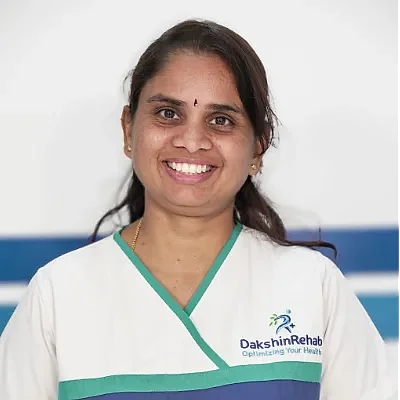
“The lymphatic system is your body's sanitation department. When it backs up, swelling, heaviness, and immune dysfunction follow. MLD is the gentle push that gets the system flowing again.”
An MLD Session at DakshinRehab
Baseline measurements and treatment plan established
Drainage pathway opened
Fluid mobilized toward functional drainage
Volume change documented; maintenance plan given
Certified lymphatic therapy for swelling and recovery
Clinically proven to reduce limb volume in primary and secondary lymphedema.
Essential after lymph node dissection, cosmetic surgery, and joint replacement to prevent chronic swelling.
Early intervention prevents tissue hardening and irreversible skin changes.
Extremely light pressure makes MLD suitable for elderly, post-surgical, and cancer patients.
Removes metabolic waste, cellular debris, and excess fluid from interstitial spaces.
MLD is very gentle, but certain conditions are contraindicated.
Acute bacterial infection (cellulitis, erysipelas)
Acute deep vein thrombosis
Untreated congestive heart failure
Active cancer in treatment area (relative — consult oncologist)
Acute renal failure
Severe arterial insufficiency
Open wounds or skin infection in treatment area
Find DakshinRehab on Google Maps to read reviews shared by patients.
Our expert physiotherapists and rehabilitation specialists at DakshinRehab bring decades of combined experience to your recovery.
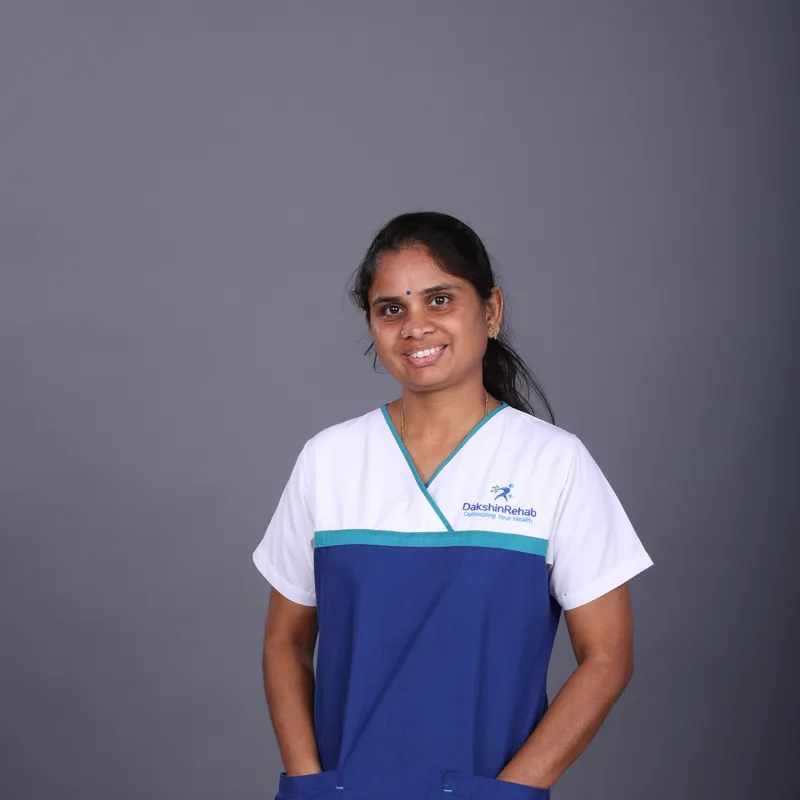
BPT, MPT, IAP Registered
Director, Human Movement Specialist, Physiotherapist
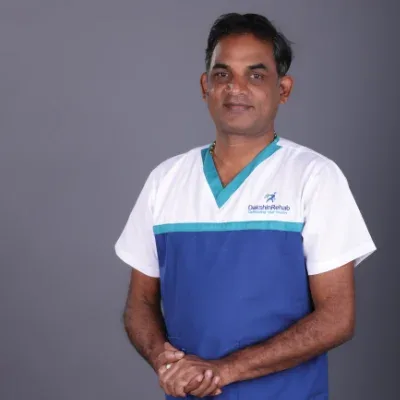
CPO
Consultant Rehabilitation Specialist, CPO | Founder, DakshinRehab
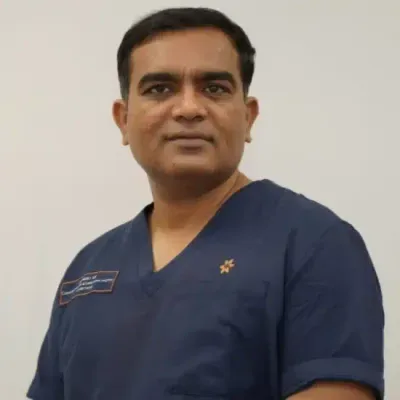
MS (General Surgery), DNB (Vascular Surgery)
Sr. Consultant Vascular & Endovascular Surgeon | Diabetic Foot & Wound Care
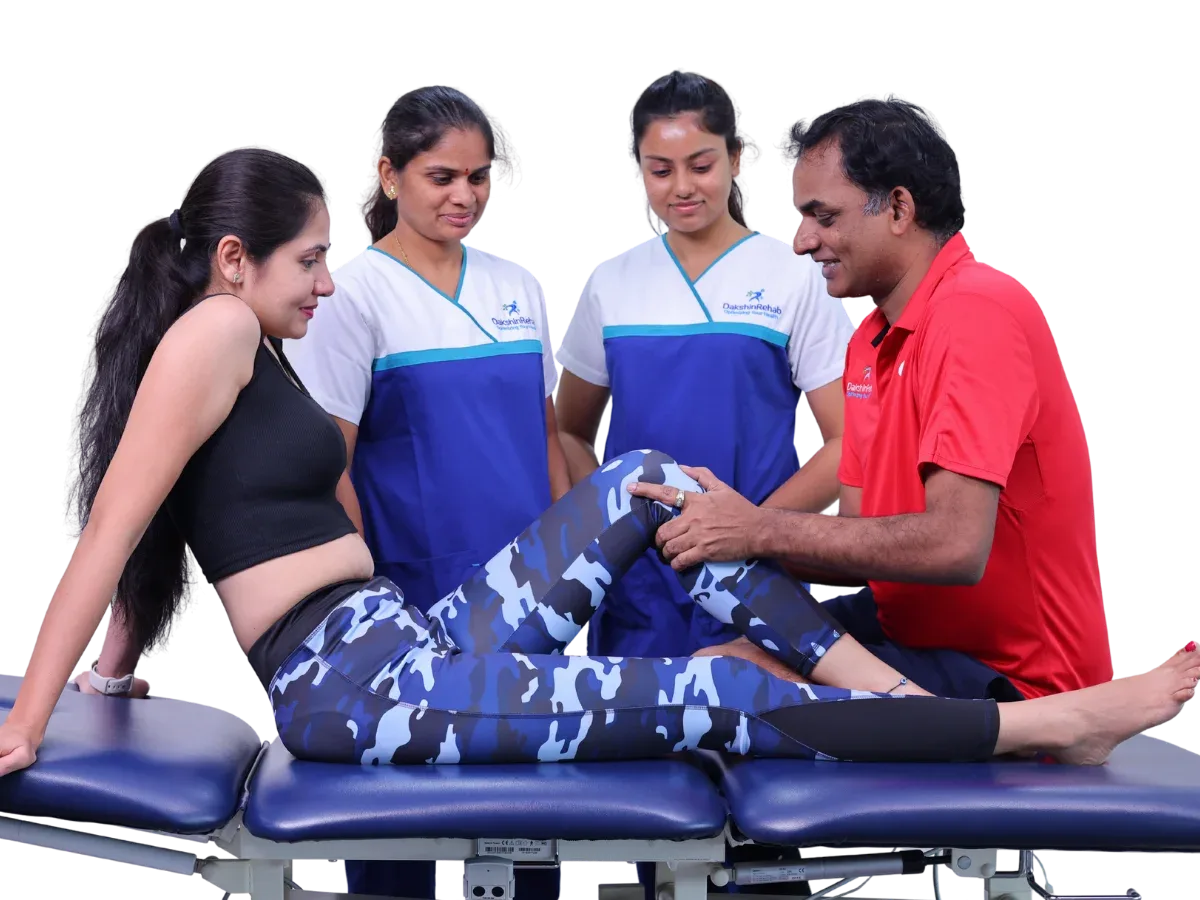
Your next step
We have treated approximately 20,000 patients. Your initial assessment is free only when you book an appointment online and attend your confirmed time slot. Treatment charges are explained before treatment begins.
Book an AppointmentHow specialized lymphatic therapy compares to conventional massage and swelling management
Regular massage uses deep pressure that collapses delicate lymphatic vessels. MLD uses extremely light pressure (5–40 mmHg) because lymphatics lie just beneath the skin. Deeper is not better for lymphatic work.
Learn MoreCompression garments manage swelling but do not actively move fluid. MLD actively propels lymph through vessels and redirects it toward functional drainage nodes — addressing the cause, not just the symptom.
Learn MoreDiuretics force fluid loss through kidneys but do not improve lymphatic transport and can cause electrolyte imbalance. MLD enhances natural lymphatic flow without medication side effects.
Learn More