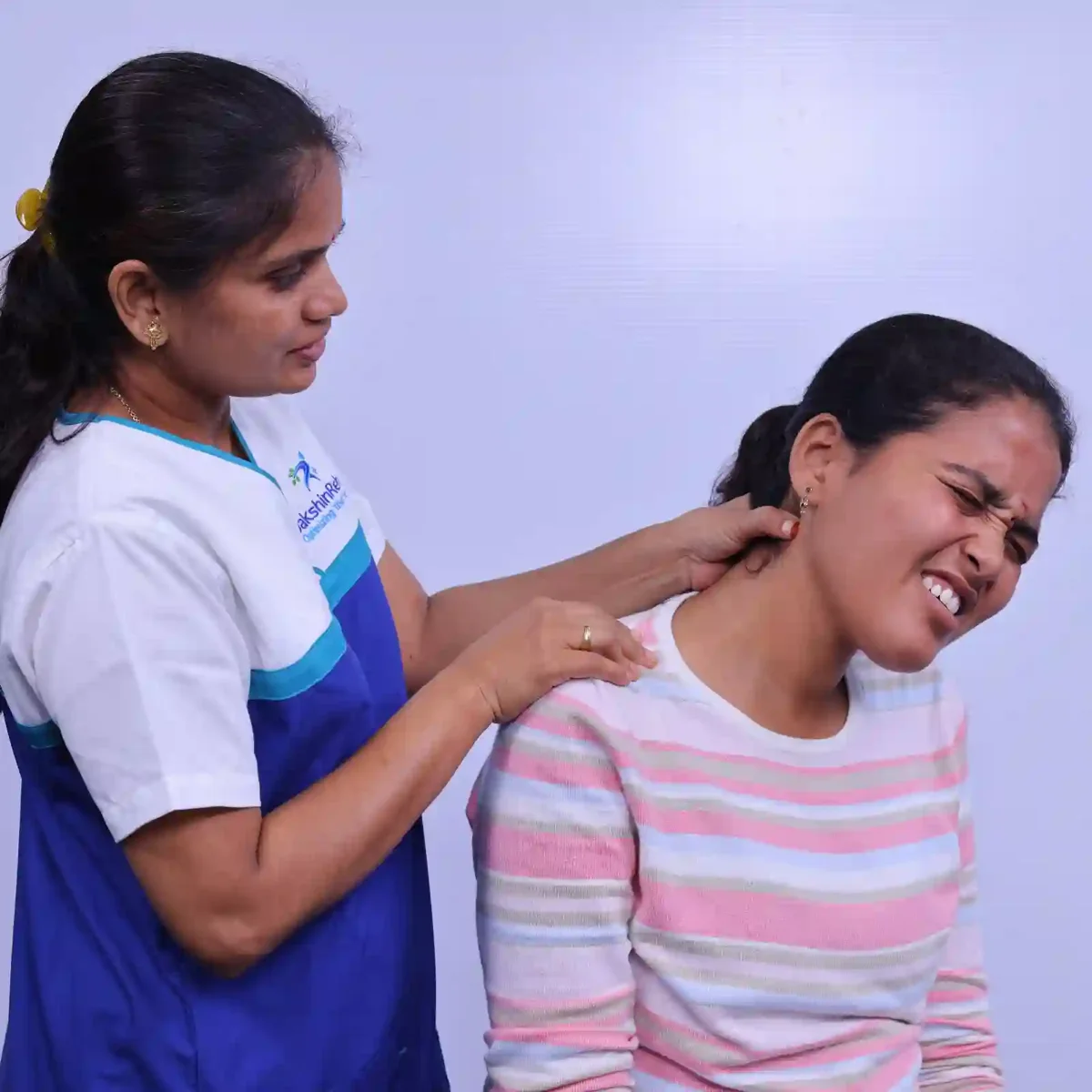
Cervical Lordosis
Tech Neck Correction
Restores the natural inward curve of the neck lost from prolonged screen use — reducing disc pressure and muscle strain.
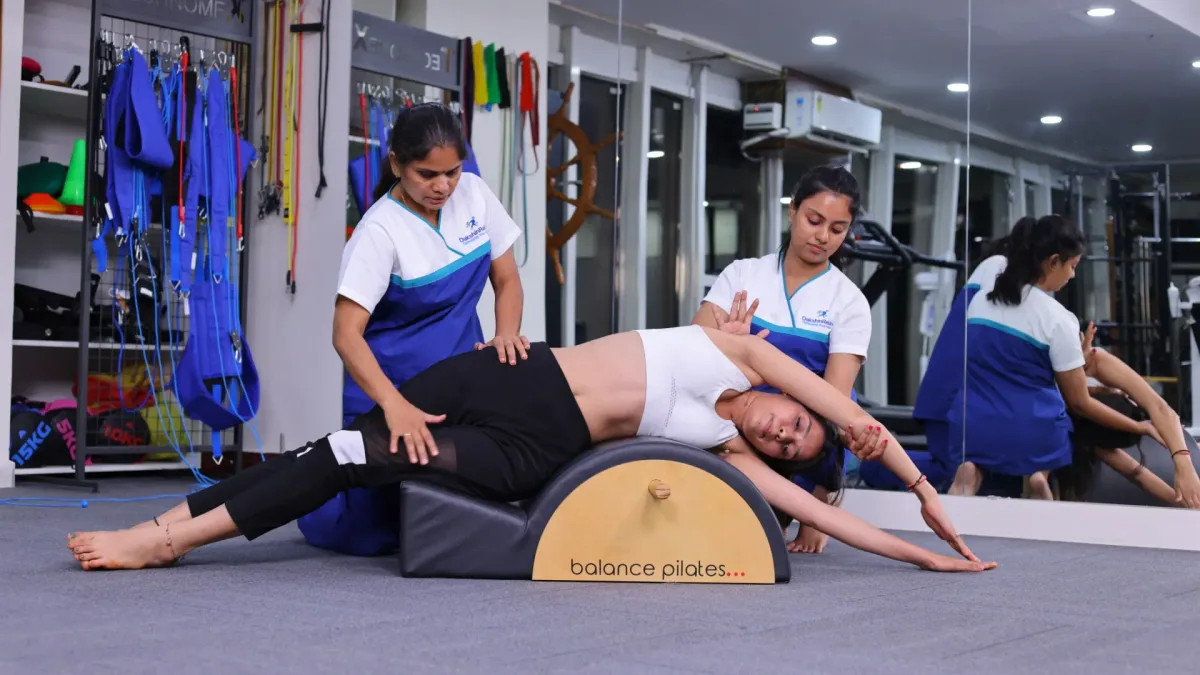
The Spine Curvator / Mobility Enhancer is a specialized tool designed to restore the natural lordotic and kyphotic curves of the vertebral column. In our modern sedentary lifestyle, spinal stiffness and loss of curvature are common — leading to "tech neck," forward head posture, and chronic back pain. This device provides safe, fulcrum-assisted mobilization to specific spinal segments, improving extension and reducing the hunched posture that compresses discs and strains muscles.
Personalised, technology-driven rehabilitation in Moosapet, Hyderabad.
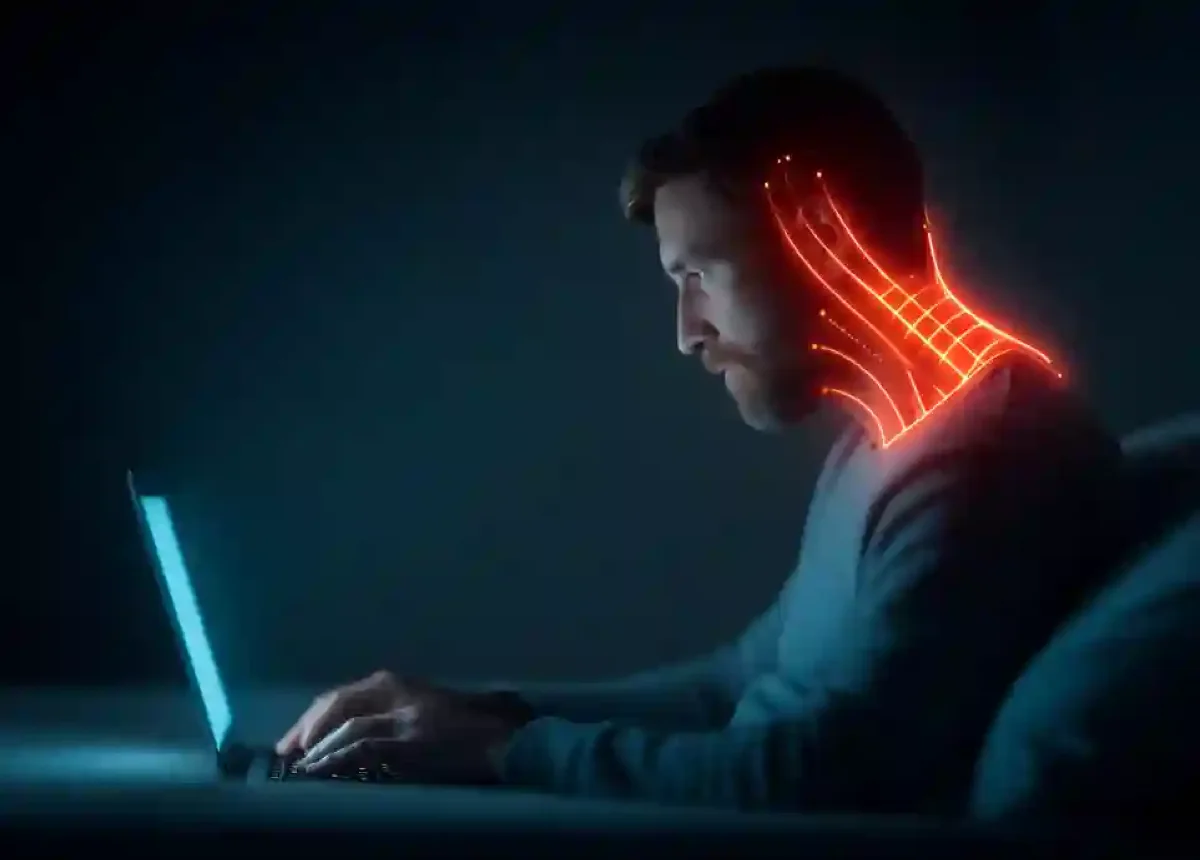
Restores the natural inward curve of the neck lost from prolonged screen use — reducing disc pressure and muscle strain.
Gently extends the mid-back, stretching shortened pectoral muscles and decompressing compressed thoracic discs.
Restores the natural inward curve of the neck lost from prolonged screen use — reducing disc pressure and muscle strain.
Gently extends the mid-back, stretching shortened pectoral muscles and decompressing compressed thoracic discs.
Restores the natural inward curve of the lower back, reducing strain on paraspinal muscles and improving load distribution.
 Related condition
Excessive mid-back rounding compresses discs and restricts breathing. Fulcrum-assisted extension gradually restores normal thoracic curvature.
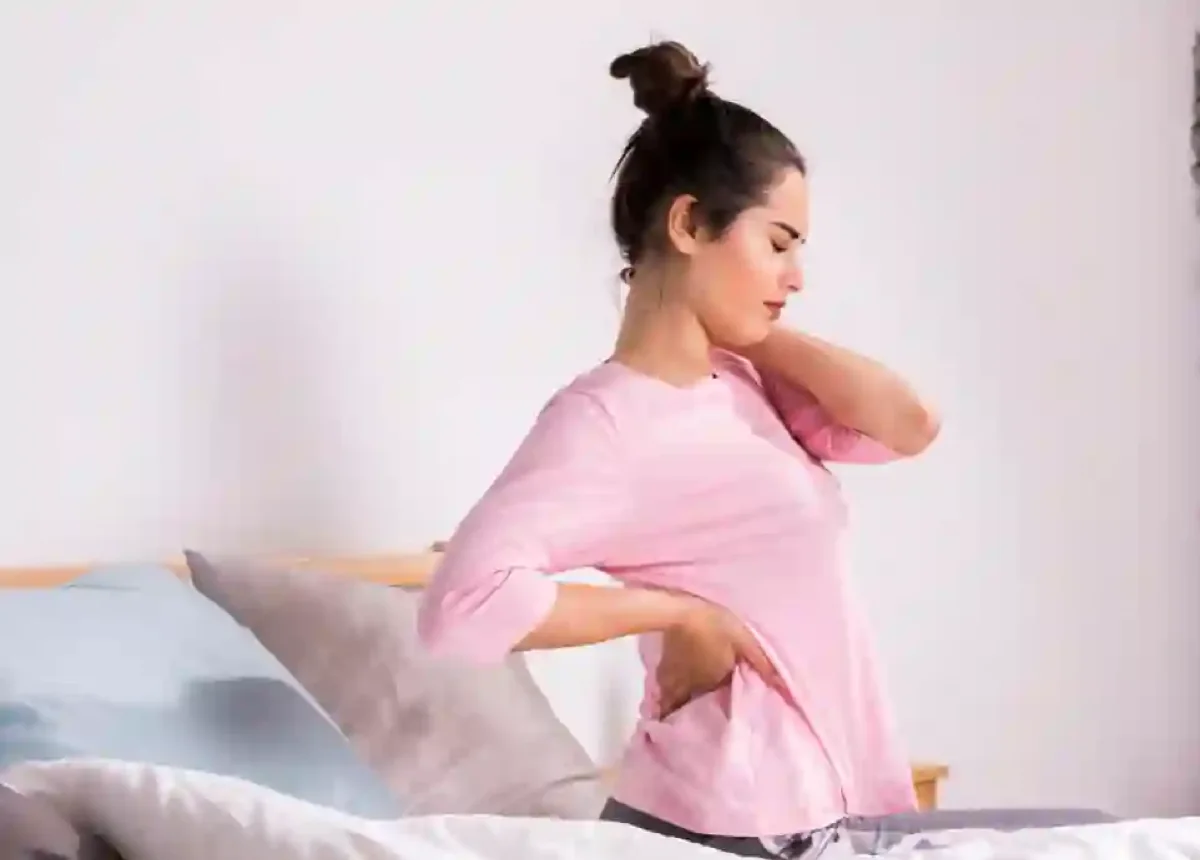 Related condition
Flattened lumbar lordosis increases disc pressure and paraspinal muscle strain. Restoring the natural curve reduces load and relieves pain.
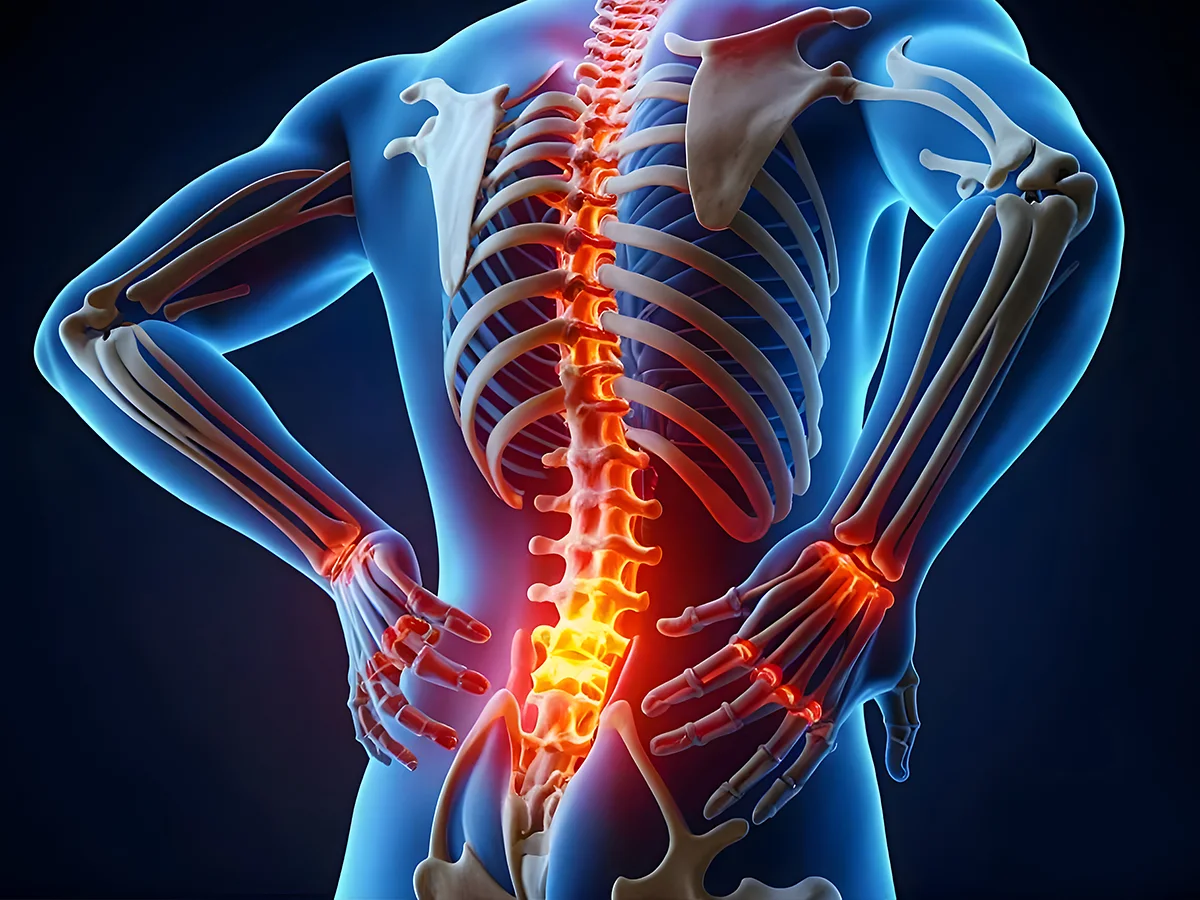 Related condition
Age-related and sedentary lifestyle-related spinal stiffness respond well to gentle, sustained fulcrum-assisted mobilization.
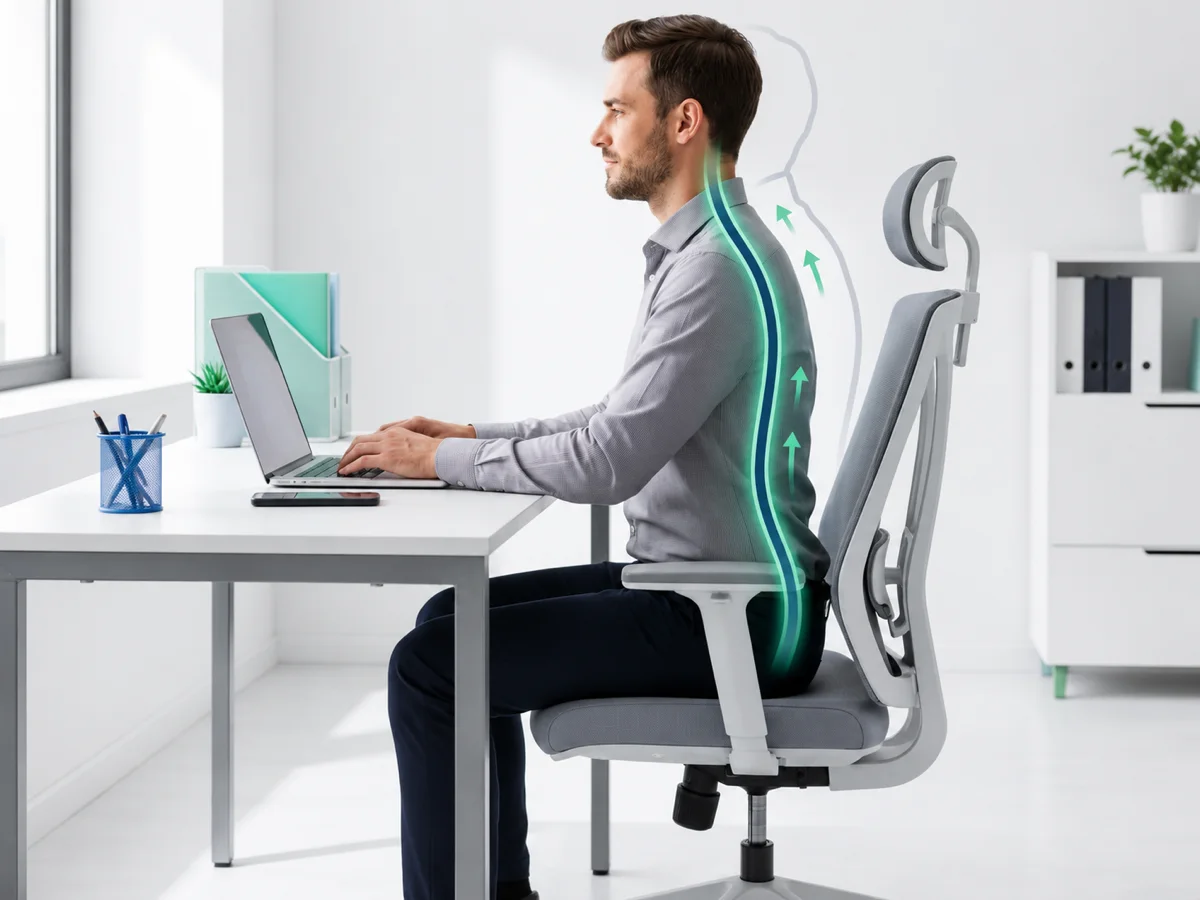 Related condition
Comprehensive postural correction addresses multiple spinal segments simultaneously — cervical, thoracic, and lumbar curves.
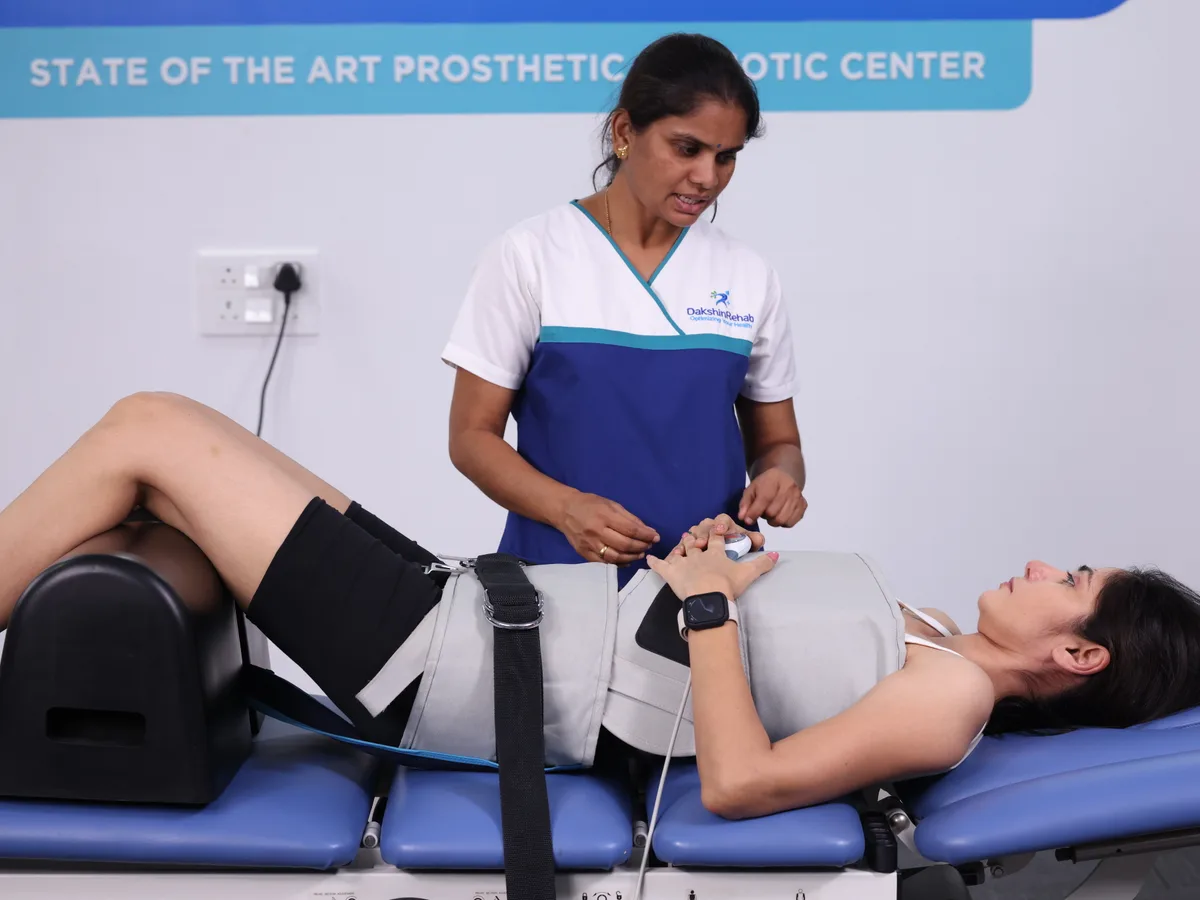 Related condition
Extension positioning reduces anterior disc pressure and can relieve nerve root compression in certain disc pathologies.
Anyone with postural pain, spinal stiffness, or flattened curves from modern sedentary habits benefits from gentle curve restoration.
Hours of hunching over screens flatten spinal curves. The Spine Curvator passively restores them — counteracting the daily postural damage of modern work.
When muscles, joints, and massage provide only temporary relief, restoring spinal curvature addresses the structural cause of persistent pain.
Age-related spinal stiffness and kyphosis improve with gentle, passive extension. The device requires no active effort — ideal for deconditioned patients.
Developing spines are highly responsive to postural correction. Early intervention prevents entrenched postural habits and associated pain.
The device uses a curved fulcrum that matches the natural spinal contour. When positioned under a specific spinal segment and the patient relaxes over it, gravity provides gentle, sustained extension force. This passively mobilizes facet joints, stretches anterior soft tissues, and encourages the spine to return to its physiological curvature.
Curved surface matches spinal anatomy, providing targeted mobilization to the exact segment needing extension.
Patient relaxes over the device; body weight provides gentle, sustained force without active effort or risk of overextension.
DakshinRehab clinical pathwayDifferent fulcrum positions target cervical, thoracic, or lumbar segments individually for precise correction.
Sustained extension stretches shortened pectoral, hip flexor, and anterior neck muscles that perpetuate flexed posture.
Clinical comparison
The spine is designed with three natural curves (cervical lordosis, thoracic kyphosis, lumbar lordosis) that function like a spring — absorbing shock, distributing load, and allowing upright posture with minimal muscle effort. When these curves flatten or reverse (common with prolonged sitting and screen use), the muscles must work overtime to hold you upright. Disc pressure increases by 40% in flexed postures. The Spine Curvator passively restores these curves, reducing muscle strain and disc compression.
Extension reduces anterior disc pressure and encourages posterior nucleus migration — relieving discogenic pain.
DakshinRehab in Moosapet, Hyderabad offers spine curvator therapy as part of comprehensive postural rehabilitation. Our physiotherapists assess your spinal curves and prescribe personalized fulcrum positioning for safe, effective correction.
“Every hour you spend hunched over a phone steals a degree of your cervical curve. The Spine Curvator does not just stretch your back — it reminds your spine what straight feels like.”
A Spine Curvator Session at DakshinRehab
Curvature deficit identified
Patient positioned safely over fulcrum
Spinal segment mobilized and extended
Home program established; progress tracked
Simple, effective spinal curve restoration
Targets the specific flattened segments causing postural dysfunction.
Cervical extension mobilization counteracts hours of forward head posture.
Patients can purchase a device for daily maintenance between clinic visits.
Prepares stiff spines for strengthening exercises by restoring mobility first.
Spinal extension devices require caution with certain conditions.
Acute disc herniation with neurological signs
Spinal fracture or instability
Severe osteoporosis
Ankylosing spondylitis with fused segments
Spondylolisthesis (grade II or higher)
Recent spinal surgery without clearance
Spinal stenosis with extension intolerance
Vertebral artery insufficiency (cervical extension caution)
Find DakshinRehab on Google Maps to read reviews shared by patients.
Our expert physiotherapists and rehabilitation specialists at DakshinRehab bring decades of combined experience to your recovery.

BPT, MPT, IAP Registered
Director, Human Movement Specialist, Physiotherapist
CPO
Consultant Rehabilitation Specialist, CPO | Founder, DakshinRehab
MS (General Surgery), DNB (Vascular Surgery)
Sr. Consultant Vascular & Endovascular Surgeon | Diabetic Foot & Wound Care
Your next step
We have treated approximately 20,000 patients. Your initial assessment is free only when you book an appointment online and attend your confirmed time slot. Treatment charges are explained before treatment begins.
Book an AppointmentHow fulcrum-assisted spinal mobilization compares to conventional postural treatments
Braces force external support, which weakens postural muscles. The Spine Curvator uses passive gravity loading to restore curves naturally — strengthening proprioception and muscle memory.
Learn MoreStretching alone cannot restore spinal curvature. The fulcrum provides sustained, targeted extension force at the exact segment that needs correction.
Learn MoreMedications mask postural pain temporarily. The Spine Curvator addresses the structural cause — flattened curves — producing lasting relief without drug dependence.
Learn More