

छिपे हुए प्रतिबंधों का पता लगाना
यह इस्पात उपकरण कंपन और खुरदरी संवेदनाओं को संचारित करता है जो प्रावरणी आसंजन, निशान ऊतक और 0.5 मिमी जितने छोटे ट्रिगर बिंदुओं को प्रकट करते हैं - जिन्हें स्पर्श द्वारा पता नहीं लगाया जा सकता है।

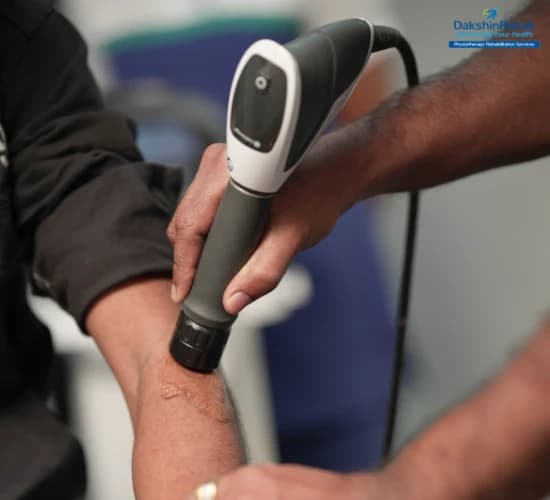
इंस्ट्रूमेंट असिस्टेड सॉफ्ट टिश्यू मोबिलाइज़ेशन (IASTM) में विशेष स्टेनलेस स्टील उपकरणों का उपयोग करके प्रावरणी अवरोधों, निशान ऊतक आसंजन और मायोफेशियल शिथिलता का पता लगाया जाता है और उनका उपचार किया जाता है। कठोर उपकरण चिकित्सकों को उन खुरदुरे रेशेदार बनावटों को महसूस करने की अनुमति देते हैं जिन्हें हाथ से महसूस नहीं किया जा सकता है, जबकि नियंत्रित सूक्ष्म आघात फाइब्रोब्लास्ट प्रसार और कोलेजन पुनर्निर्माण को उत्तेजित करता है। इससे ऊतक परतों के बीच फिसलने वाली सतहें बहाल हो जाती हैं, गतिशीलता में सुधार होता है और दर्द कम होता है।
Personalised, technology-driven rehabilitation in Moosapet, Hyderabad.
IASTM, फेशियल अवरोधों, निशान ऊतकों और मायोफेशियल डिसफंक्शन का पता लगाने और उनका इलाज करने के लिए विशेष बेवल वाले मेडिकल-ग्रेड स्टेनलेस स्टील उपकरणों का उपयोग करता है। इसे अपने फेशिया के लिए एक स्टेथोस्कोप की तरह समझें - यह कठोर उपकरण स्पर्शनीय प्रतिक्रिया को बढ़ाता है, जिससे मानव हाथ से अदृश्य खुरदुरे आसंजन प्रकट होते हैं, साथ ही उपचार को बढ़ावा देने के लिए सटीक कतरनी तनाव प्रदान करता है।
यह इस्पात उपकरण कंपन और खुरदरी संवेदनाओं को संचारित करता है जो प्रावरणी आसंजन, निशान ऊतक और 0.5 मिमी जितने छोटे ट्रिगर बिंदुओं को प्रकट करते हैं - जिन्हें स्पर्श द्वारा पता नहीं लगाया जा सकता है।

सटीक अपरूपण तनाव एक चिकित्सीय सूजन प्रतिक्रिया उत्पन्न करता है, जो फाइब्रोब्लास्ट को आकर्षित करता है और अत्यधिक ऊतक क्षति के बिना कोलेजन संश्लेषण को उत्तेजित करता है।

यह घाव के ऊतकों में अव्यवस्थित कोलेजन क्रॉस-लिंक को तोड़ता है, जिससे समानांतर फाइबर संरेखण और ऊतक की लचीलापन बहाल होती है और गति में सुधार होता है।

यह त्वचा, सतही प्रावरणी, गहरी प्रावरणी और मांसपेशियों जैसी प्रावरणी परतों के बीच फिसलन को बहाल करता है, जिससे दीर्घकालिक दर्द का कारण बनने वाला घर्षण समाप्त हो जाता है।
Not sure which type you have?
Book an Assessment — We'll Diagnose It in Your First Session
IASTM प्लांटर फेशिया और पिंडली की मांसपेशियों में होने वाले आसंजन को तोड़ता है, जिससे पैर की गतिशीलता बहाल होती है और सुबह होने वाले एड़ी के दर्द में कमी आती है।
Learn more

यह इलियोटिबिअल बैंड और टेंसर फेशिया लेटे के साथ प्रावरणी संबंधी प्रतिबंधों को दूर करता है, जिससे धावकों और साइकिल चालकों में घुटने के पार्श्व भाग के दर्द में कमी आती है।
Learn more

यह एक्सटेंसर और फ्लेक्सर टेंडन कंपार्टमेंट में आसंजन को तोड़ता है, जिससे अग्रबाहु की गतिशीलता बहाल होती है और एपिकॉन्डाइलर दर्द कम होता है।
Learn more

यह घाव के ऊतकों और अंतर्निहित प्रावरणी के बीच के आसंजन को तोड़कर सी-सेक्शन, घुटने के प्रतिस्थापन और कंधे की सर्जरी के निशानों को नया रूप देता है।
Learn more

यह थोराकोलुम्बर फेशिया की उन रुकावटों को दूर करता है जो मांसपेशियों और जोड़ों के असफल उपचार के बाद भी दीर्घकालिक पीठ दर्द को बनाए रखती हैं।
Learn more

यह बगल की मांसपेशियों और रोटेटर कफ प्रावरणी में आसंजन को तोड़ता है, जिससे गतिशीलता व्यायाम के साथ संयोजन करने पर पुनर्प्राप्ति में तेजी आती है।
Learn more
IASTM उन रोगियों के लिए आदर्श है जिन्हें लगातार नरम ऊतकों में जकड़न की समस्या है और जिन पर स्ट्रेचिंग, मालिश या सामान्य व्यायाम का कोई असर नहीं हुआ है।
शल्य चिकित्सा, आघात या बार-बार होने वाले तनाव के कारण बनने वाले घाव के ऊतकों में आसंजन (स्केयर एडहेसन) गति को सीमित करते हैं और दर्द का कारण बनते हैं। IASTM कोलेजन स्तर पर घाव के ऊतकों का पुनर्निर्माण करता है।
जब मांसपेशियों, जोड़ों और नसों का इलाज हो चुका हो लेकिन दर्द बना रहे, तो अक्सर प्रावरणी संबंधी रुकावटें ही इसका कारण होती हैं। IASTM इन्हें ढूंढकर ठीक करता है।
आईटी बैंड सिंड्रोम, प्लांटर फैसीआइटिस या टेंडोनाइटिस से पीड़ित धावकों, साइकिल चालकों और जिम के शौकीनों को आईएएसटीएम की अति प्रयोग किए गए ऊतकों को शिथिल करने की क्षमता से लाभ होता है।
सर्जरी के बाद, त्वचा के नीचे निशान ऊतक बन जाते हैं। IASTM उन आसंजनों को रोकता और उनका उपचार करता है जो गतिशीलता को सीमित करते हैं और क्षतिपूर्ति दर्द का कारण बनते हैं।
विशेष बेवल वाले स्टेनलेस स्टील के उपकरणों को नियंत्रित दबाव के साथ त्वचा पर चलाया जाता है। उपकरण की कठोरता स्पर्शनीय प्रतिक्रिया को बढ़ाती है, जिससे चिकित्सक सूक्ष्म प्रावरणी अवरोधों का पता लगा सकता है। नियंत्रित कतरनी तनाव चिकित्सीय सूक्ष्म आघात उत्पन्न करता है जो एक सूजन संबंधी उपचार प्रतिक्रिया को सक्रिय करता है।
इस उपकरण की कठोरता सूक्ष्म कंपन और खुरदरी संवेदनाओं को संचारित करती है जो प्रावरणी आसंजन, निशान ऊतक और ट्रिगर बिंदुओं को प्रकट करती हैं।
सटीक अपरूपण तनाव नियंत्रित सूजन पैदा करता है, जिससे फाइब्रोब्लास्ट प्रवास और कोलेजन संश्लेषण को बढ़ावा मिलता है।
यह घाव के ऊतकों में अव्यवस्थित कोलेजन क्रॉस-लिंक को तोड़ता है, जिससे समानांतर फाइबर संरेखण और ऊतक की लचीलापन बहाल होता है।
यह प्रावरणी परतों (त्वचा-सतही प्रावरणी-गहरी प्रावरणी-मांसपेशी) के बीच उस सहज गति को बहाल करता है जो प्रतिबंध के कारण बाधित होती है।
इस उपकरण की कठोरता सूक्ष्म कंपन और खुरदरी संवेदनाओं को संचारित करती है जो प्रावरणी आसंजन, निशान ऊतक और ट्रिगर बिंदुओं को प्रकट करती हैं।
सटीक अपरूपण तनाव नियंत्रित सूजन पैदा करता है, जिससे फाइब्रोब्लास्ट प्रवास और कोलेजन संश्लेषण को बढ़ावा मिलता है।
यह घाव के ऊतकों में अव्यवस्थित कोलेजन क्रॉस-लिंक को तोड़ता है, जिससे समानांतर फाइबर संरेखण और ऊतक की लचीलापन बहाल होता है।
यह प्रावरणी परतों (त्वचा-सतही प्रावरणी-गहरी प्रावरणी-मांसपेशी) के बीच उस सहज गति को बहाल करता है जो प्रतिबंध के कारण बाधित होती है।
मैनुअल मसाज से 2-3 मिमी से छोटे खुरदुरे रेशेदार ऊतकों का पता नहीं लगाया जा सकता। IASTM उपकरण स्पर्श संवेदनशीलता को 0.5 मिमी के रिज़ॉल्यूशन तक बढ़ा देते हैं। स्टील का किनारा अंगूठे या हथेली की तुलना में अधिक केंद्रित कतरनी तनाव प्रदान करता है, जिससे ऊतकों को अत्यधिक नुकसान पहुंचाए बिना फाइब्रोब्लास्ट गतिविधि को उत्तेजित करने के लिए आवश्यक सटीक सूक्ष्म आघात उत्पन्न होता है। शोध से पता चलता है कि IASTM को स्ट्रेचिंग के साथ मिलाकर उपयोग करने से केवल स्ट्रेचिंग की तुलना में ROM में अधिक सुधार होता है।
स्थानीय सूजन से रक्त प्रवाह बढ़ता है, जिससे वृद्धि कारक पहुंचते हैं और चयापचय अपशिष्ट दूर होते हैं।
DakshinRehab, Moosapet और Hyderabad में व्यापक पुनर्वास के हिस्से के रूप में IASTM थेरेपी उपलब्ध है। अस्पताल जाने की कोई आवश्यकता नहीं है — हमारे फिजियोथेरेपिस्ट उन्नत उपकरण-सहायता प्राप्त तकनीकों में प्रशिक्षित हैं।

“मेरे हाथ कुशल हैं, लेकिन कोमल हैं। इस्पात का यंत्र झूठ नहीं बोलता—यह उन अवरोधों को खोज निकालता है जिन्हें मैं महसूस नहीं कर सकता और उन आसंजनों को तोड़ता है जिन्हें मैं नहीं तोड़ सकता। इसीलिए जीएएसटीएम (IASTM) पुरानी प्रावरणी संबंधी समस्याओं के लिए आवश्यक है।”
DakshinRehab पर एक IASTM सत्र
→Outcome: उपचार मानचित्र स्थापित किया गया
→Outcome: उपकरण के फिसलने के लिए सतह तैयार की गई
→Outcome: प्रावरणी संबंधी प्रतिबंध हटा दिए गए
→Outcome: ऊतक की लंबाई में वृद्धि समेकित हुई
→Outcome: प्रगति का दस्तावेजीकरण किया गया; योजना अद्यतन की गई
मापने योग्य परिणामों के साथ सटीक फेशियल उपचार
ये उपकरण स्पर्श संबंधी प्रतिक्रिया को बढ़ाते हैं, जिससे स्पर्श द्वारा अदृश्य आसंजनों का पता चलता है।
यह शल्य चिकित्सा और आघातजन्य घावों के कारण बनने वाले उन आसंजनों को तोड़ता है जो गति को सीमित करते हैं और दर्द का कारण बनते हैं।
नैदानिक अध्ययनों से पता चलता है कि IASTM + स्ट्रेचिंग से केवल स्ट्रेचिंग की तुलना में ROM में अधिक लाभ होता है।
नियंत्रित सूक्ष्म आघात कोलेजन के पुनर्निर्माण और ऊतक पुनर्जनन को उत्तेजित करता है।
यह प्रावरणी की सहज गतिशीलता को बहाल करता है और उस घर्षण को समाप्त करता है जो मायोफेशियल दर्द को बढ़ाता है।
यह प्रतिबंधों को हटाता है जिससे मजबूती देने वाले व्यायाम पूरी सीमा तक किए जा सकते हैं।

IASTM आमतौर पर सुरक्षित है लेकिन इसके कुछ विशिष्ट दुष्प्रभाव भी हैं।
खुले घाव, न भरे हुए चीरे या संक्रमित त्वचा
तीव्र सूजन संबंधी स्थितियाँ (पहले 48-72 घंटे)
एंटीकोएगुलेंट थेरेपी या रक्तस्राव विकार
हड्डी के उभारों पर ऑस्टियोपोरोसिस
उपचार क्षेत्र में सक्रिय कैंसर
थ्रोम्बोफ्लेबिटिस या डीवीटी
अति संवेदनशील त्वचा की स्थितियाँ (एक्जिमा, सोरायसिस का प्रकोप)
हाल ही में हुआ फ्रैक्चर (6 सप्ताह से कम समय पहले)
DakshinRehab में हमारे विशेषज्ञ फिजियोथेरेपिस्ट और पुनर्वास विशेषज्ञ आपके स्वास्थ्य लाभ के लिए दशकों का संयुक्त अनुभव लेकर आते हैं।
निदेशक, मानव गति विशेषज्ञ | ऑर्थो न्यूरो फिजियोथेरेपिस्ट | स्ट्रोक और रीढ़ पुनर्वास विशेषज्ञ

सलाहकार नैदानिक पुनर्वास सेवाएं
संस्थापक एवं मुख्य कृत्रिम अंग विशेषज्ञ | अंग विच्छेदन पीड़ितों के पुनर्वास विशेषज्ञ

एमएस, एमसीएच (वैस्कुलर सर्जरी)
सलाहकार संवहनी सर्जन | मधुमेह संबंधी पैर एवं घाव देखभाल
हमारी विशेषज्ञ टीम से इस स्थिति और उपचार के विकल्पों के बारे में अधिक जानें।

This week only · Free assessment · ₹500 off
Join 20,000 से अधिक ऐसे मरीज़ों से जुड़ें जो दर्द से मुक्त हो चुके हैं। इस सप्ताह बुकिंग करें और पहले सेशन पर ₹500 की बचत करें।
अपॉइंटमेंट बुक करेंप्रिसिजन इंस्ट्रूमेंट थेरेपी की तुलना पारंपरिक सॉफ्ट टिश्यू उपचारों से कैसे की जाती है?
मालिश व्यापक संपीड़न के माध्यम से अस्थायी राहत प्रदान करती है, लेकिन यह गहरी प्रावरणी आसंजनों का पता नहीं लगा सकती या उन्हें तोड़ नहीं सकती। IASTM उपकरण हाथों से अदृश्य अवरोधों का पता लगाते हैं और केंद्रित कतरनी तनाव प्रदान करते हैं जो ऊतकों में स्थायी परिवर्तन उत्पन्न करता है।
Learn Moreखिंचाव से आसंजनों को तोड़ा या निशान वाले ऊतकों को पुनर्निर्मित नहीं किया जा सकता है। IASTM निष्क्रिय ऊतकों को शारीरिक रूप से बाधित करता है, जिससे खिंचाव के माध्यम से गति की नई सीमा को बनाए रखने और उसमें सुधार करने में मदद मिलती है।
Learn Moreव्यायाम और मैनुअल थेरेपी मूलभूत हैं, लेकिन जब प्रावरणी संबंधी अवरोध गति को बाधित करते हैं, तो मजबूती सीमित हो जाती है। IASTM इस अवरोध को दूर करता है, जिससे प्रत्येक बाद का व्यायाम अधिक प्रभावी हो जाता है।
Learn More
