
Swing Phase
Foot Drop Support
The orthosis helps keep the foot from catching the floor, reducing compensations such as hip hiking, circumduction or unsafe toe drag.
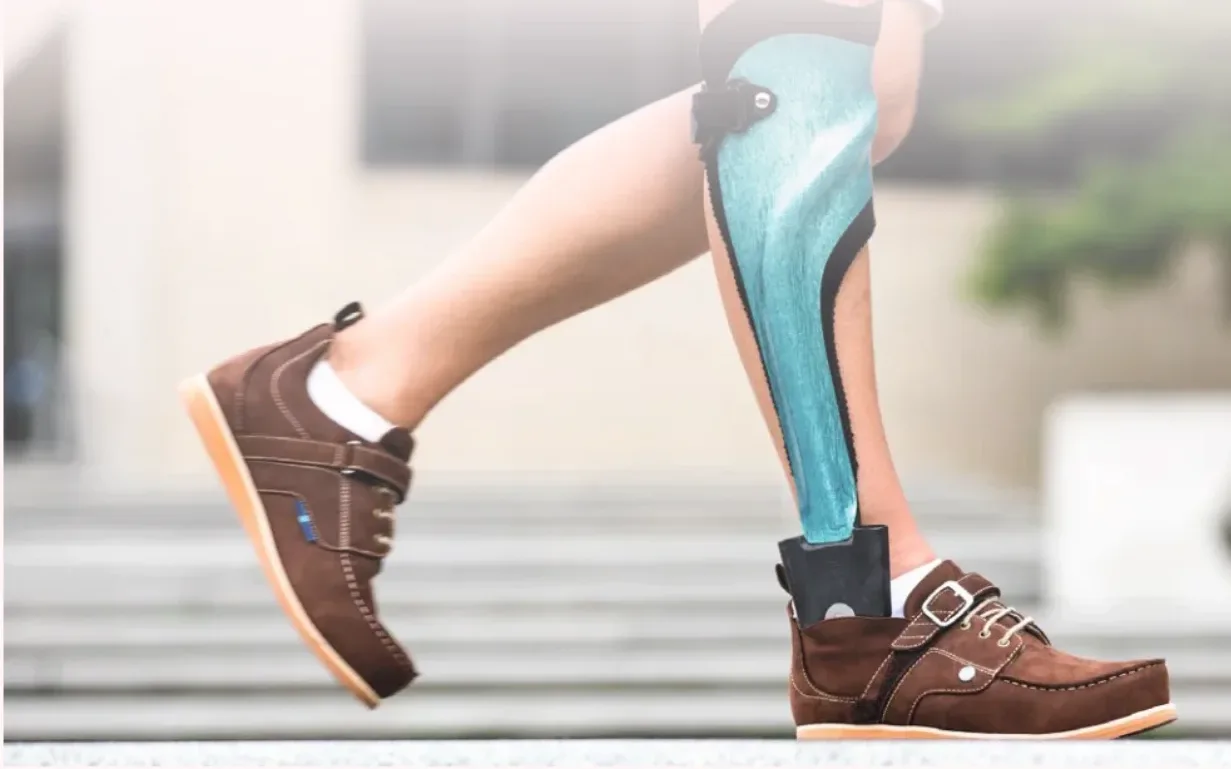
If walking still feels unsafe after a stroke, the problem is often not only weakness. The foot may catch the floor, the ankle may roll, or the knee may snap back or bend too much during stance. At DakshinRehab in Moosapet, Hyderabad, our physiotherapy and prosthetics-orthotics team assesses the full gait pattern, recommends the right ankle-foot orthosis (AFO), and integrates it with stance, balance and walking retraining.
Personalised, technology-driven rehabilitation in Moosapet, Hyderabad.
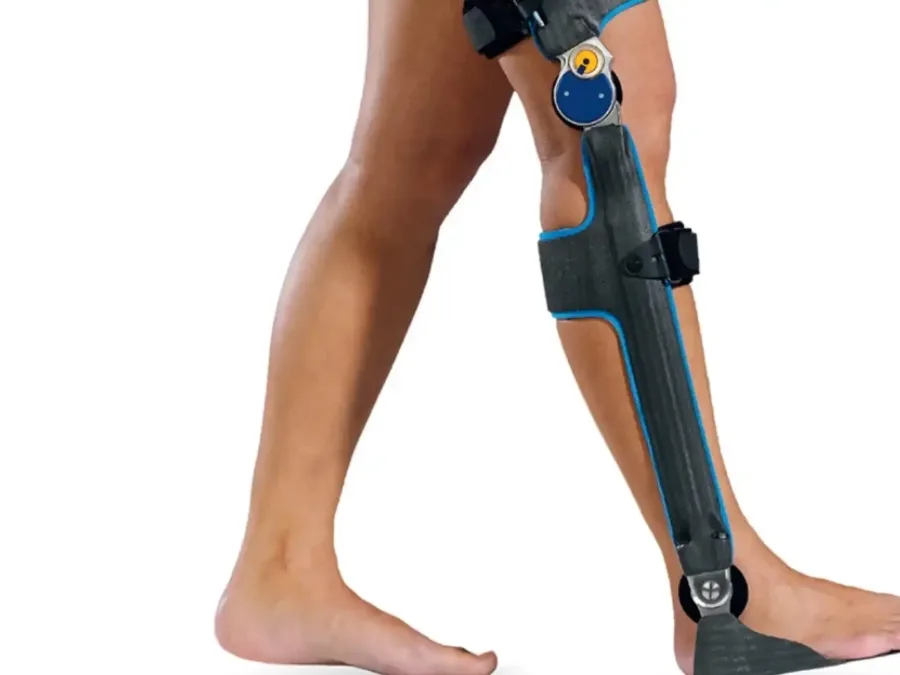
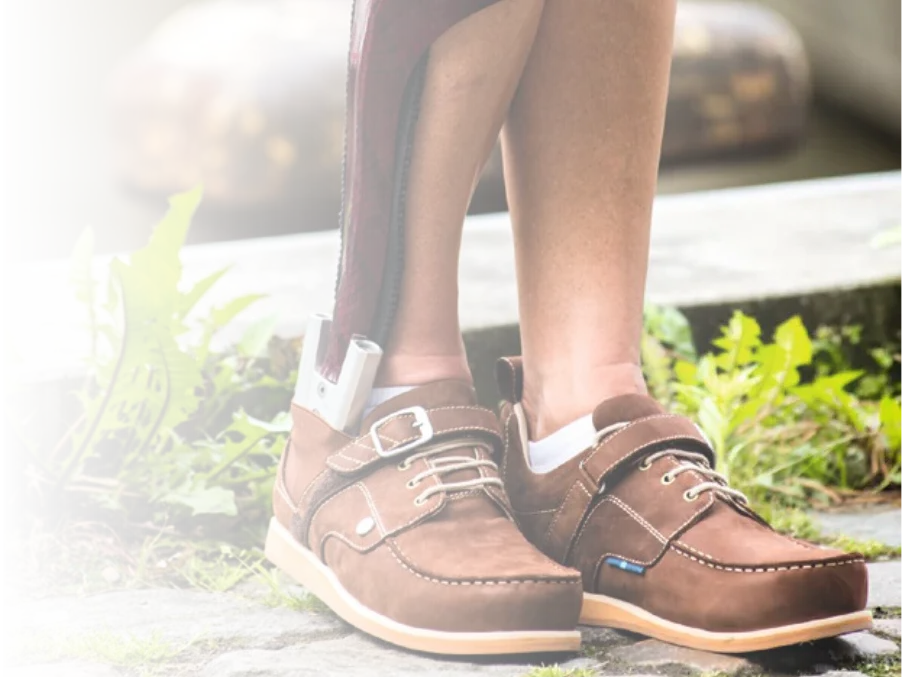
The orthosis helps keep the foot from catching the floor, reducing compensations such as hip hiking, circumduction or unsafe toe drag.
A tuned AFO can influence the knee during stance, supporting people whose knee snaps back, bends too much or feels unreliable while taking weight.
The orthosis helps keep the foot from catching the floor, reducing compensations such as hip hiking, circumduction or unsafe toe drag.
A tuned AFO can influence the knee during stance, supporting people whose knee snaps back, bends too much or feels unreliable while taking weight.
Supported standing gives the patient a safer base for weight shifting, verticalisation and early walking practice under therapist guidance.
 Related condition
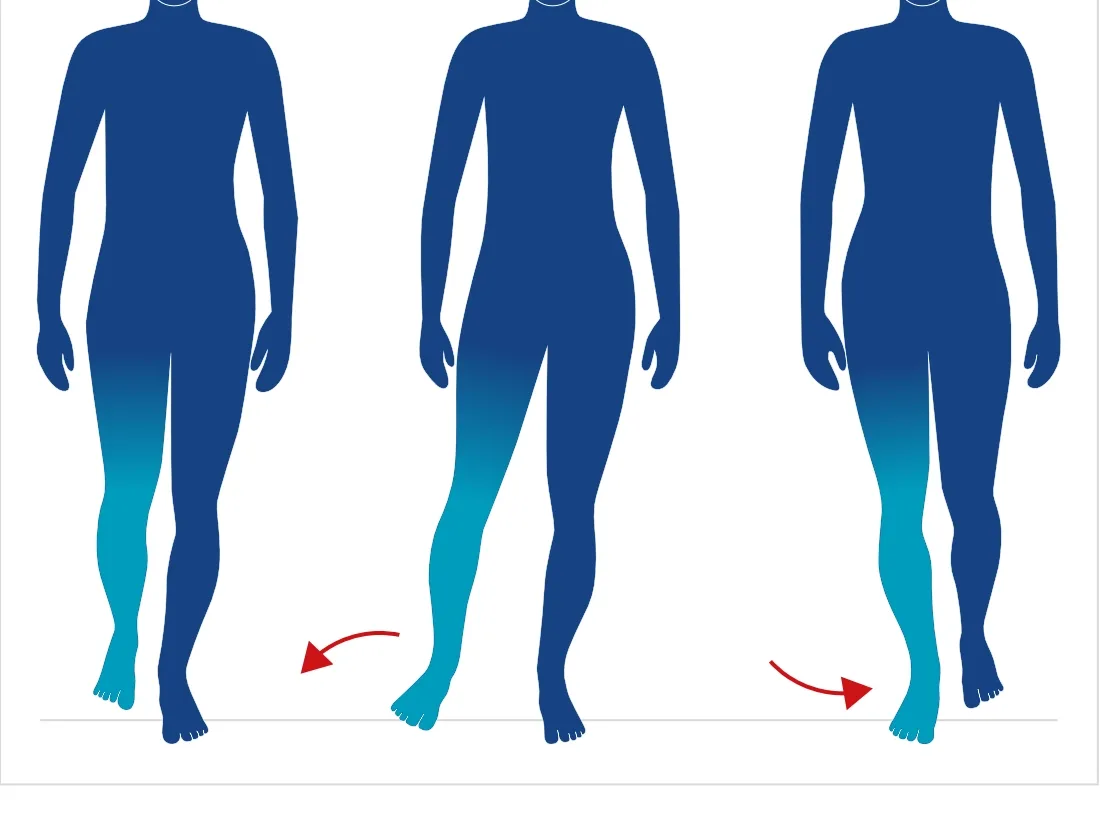
Foot drop after stroke can make the toes catch the floor during swing. AFO support can improve clearance and help the heel contact the ground first.
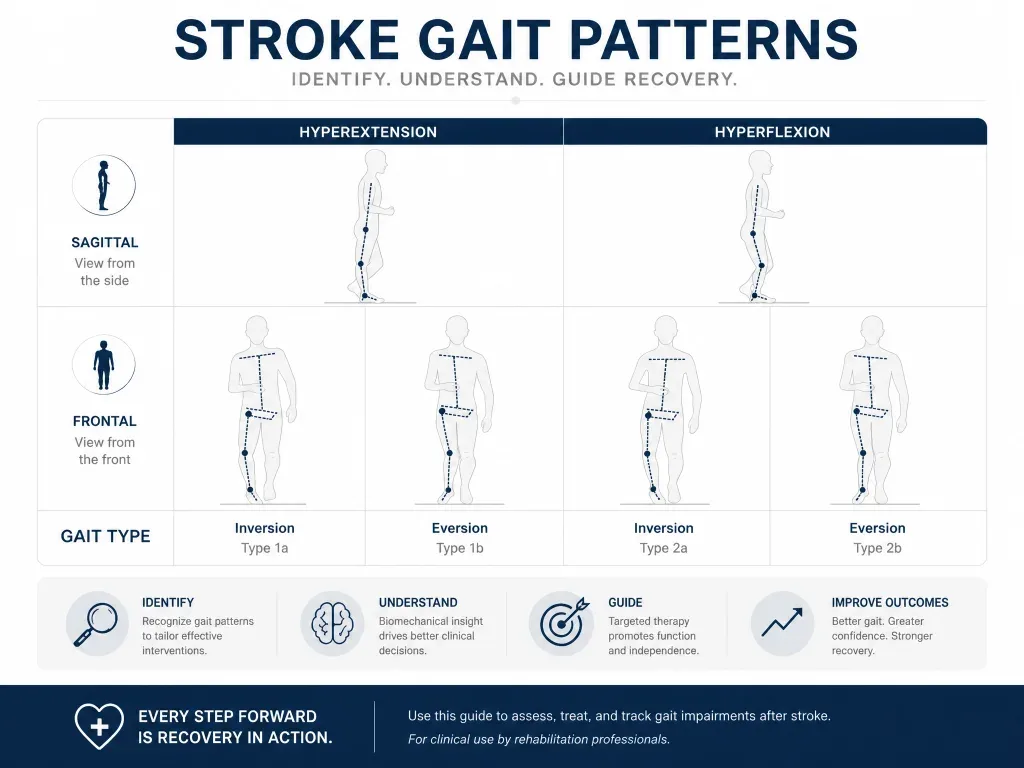
Related conditionKnee hyperextension during stance may appear when the ankle, calf and thigh cannot control body weight smoothly. Orthotic tuning can help influence the knee position.
Related conditionSome patients bend too much at the knee during stance and feel the leg may give way. The brace choice must account for strength, tone, balance and ankle motion.
 Related condition
Inversion or eversion after stroke can load the foot and knee incorrectly. AFO design, insole elements and footwear can be combined to improve alignment.
Related conditionSpasticity can increase when a patient feels unsafe. The goal is controlled support that reduces threat while preserving useful movement for retraining.
Related conditionCompensations such as hip hiking, trunk lean or dragging the affected leg can make walking exhausting. Orthotic support should reduce unnecessary effort where possible.
We recommend orthotic support only after examining the patient's gait, tone, range of motion, skin safety, footwear and rehabilitation goals.
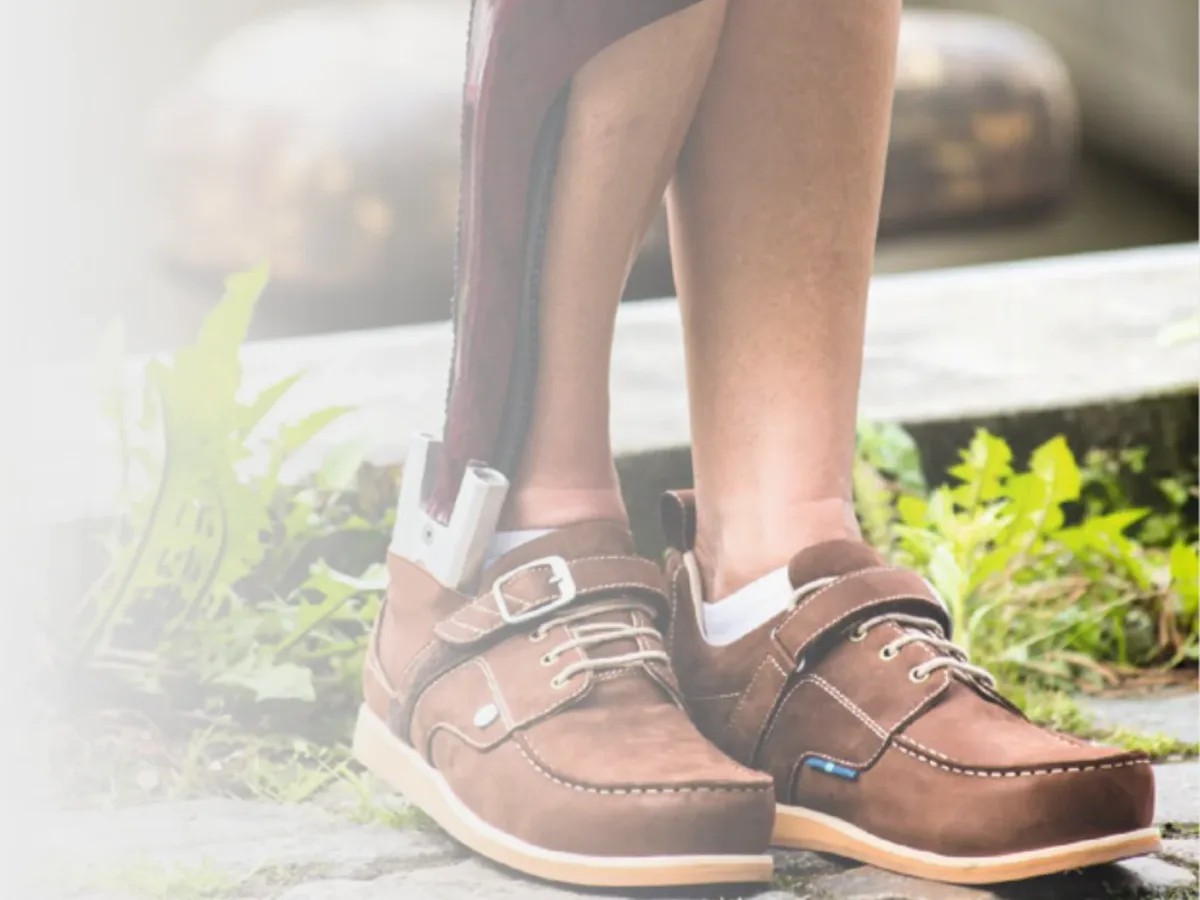
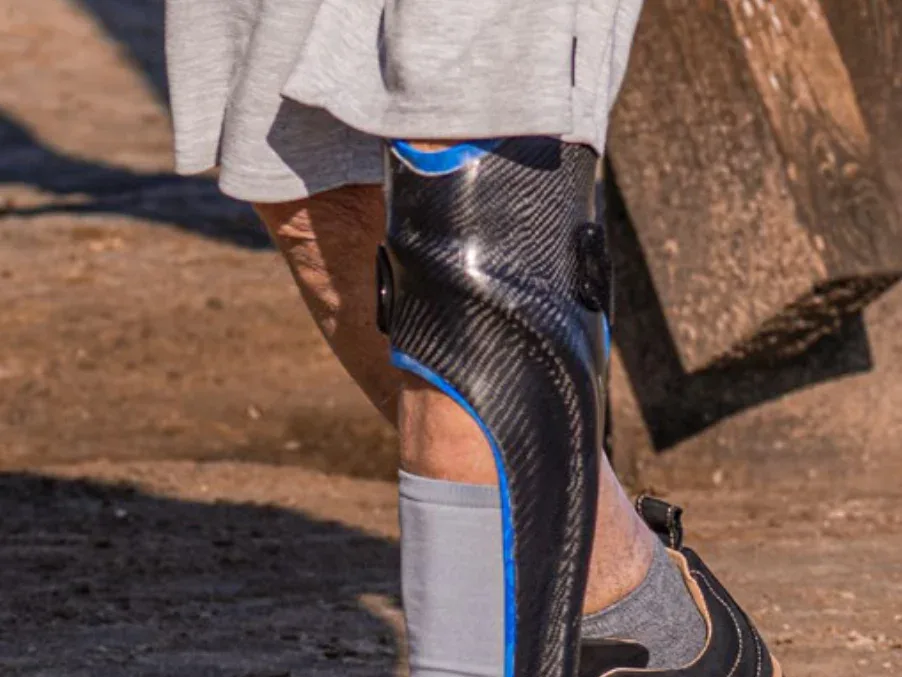
We observe foot clearance, heel contact, knee position in stance, trunk compensation and walking speed before choosing the brace style. This helps avoid a brace that lifts the foot but worsens the knee.
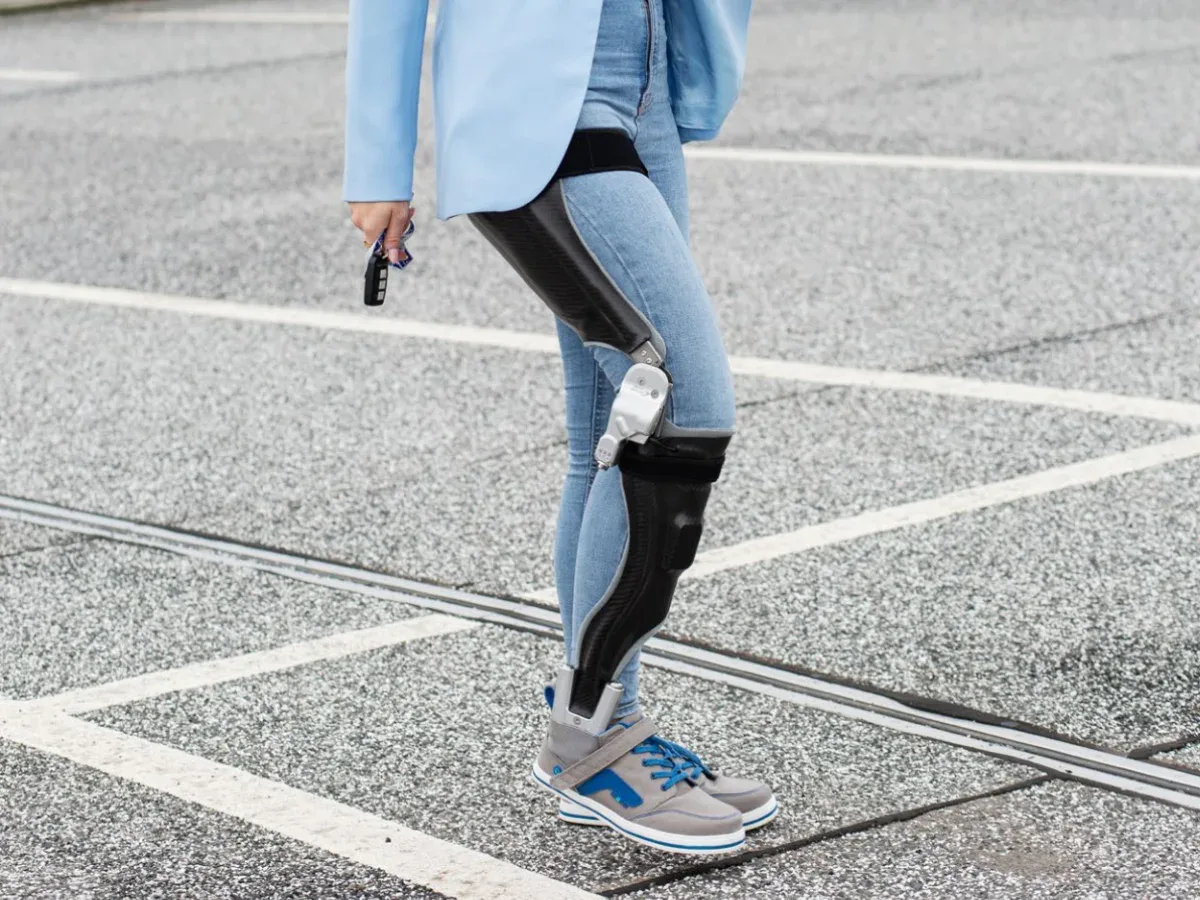
A dynamic AFO can be tuned for alignment, range of motion and spring resistance. These settings can influence heel rocker, tibial progression, push-off and swing clearance.
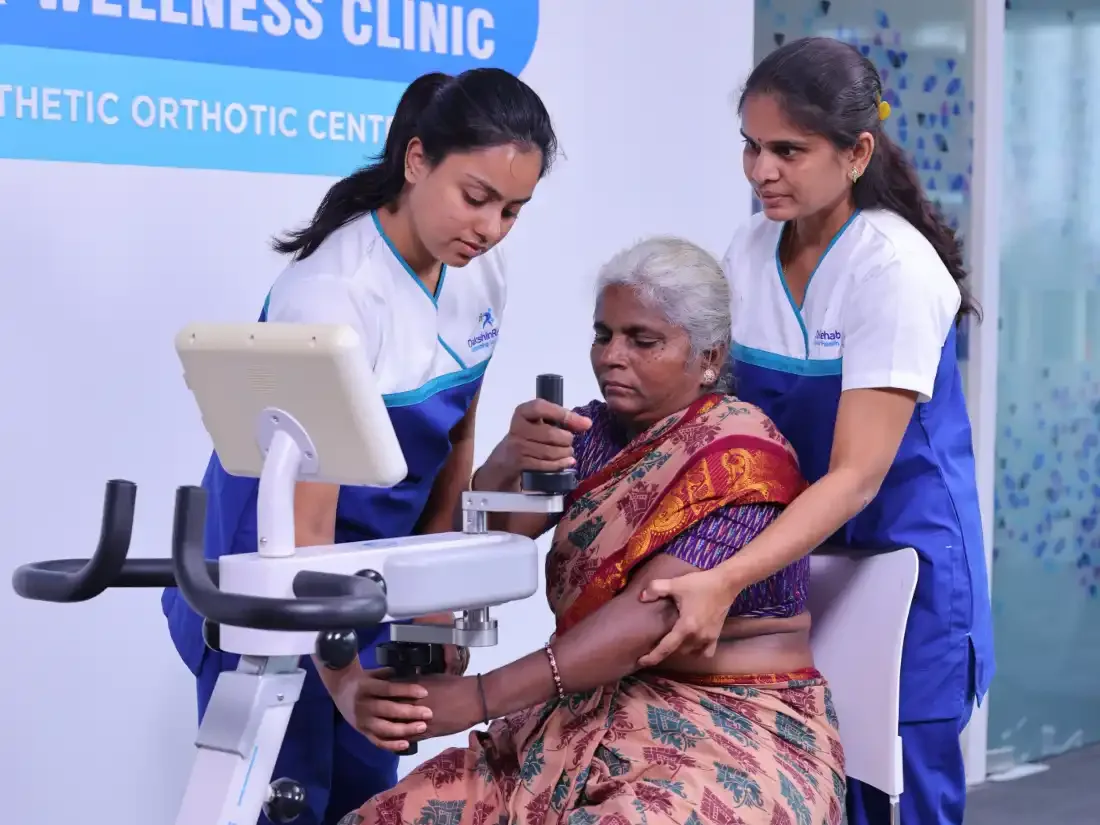
The orthosis is fitted into the physiotherapy plan: supported standing, weight shift, stepping, push-off practice, stairs, footwear education and pressure checks.
+91 80 19 299 888A well-planned post-stroke AFO is not just a foot-lifter. It changes how the foot, ankle and knee share load during stance and swing.
Dorsiflexion support helps keep the foot near neutral during swing so the toes are less likely to catch the floor.
Controlled foot position supports heel contact, which is important for safer loading response and smoother walking practice.
DakshinRehab clinical pathwayThe AFO's ankle resistance can influence whether the knee snaps back, bends too much or moves forward at the wrong time.
Better ankle-foot stability can reduce perceived insecurity, which may help the patient practise standing and stepping more confidently.
Clinical comparison
Two patients can both say 'my foot drops', but one may also lock the knee backward while another collapses into knee flexion. Adjustable alignment, range of motion and spring force help the orthotist and physiotherapist match the AFO to the actual gait pattern instead of using one brace style for every stroke patient.
Changing spring resistance can adjust heel rocker, tibial progression, heel lift and push-off support as gait changes during rehabilitation.
DakshinRehab in Moosapet combines gait assessment, orthotics and neuro physiotherapy for Hyderabad and Gulf patients in one clinic pathway.
“For post-stroke gait, the question is not only whether the foot lifts. We need to know what the ankle and knee do when the patient accepts body weight.”
Your post-stroke orthotics and gait assessment journey at DakshinRehab Moosapet.
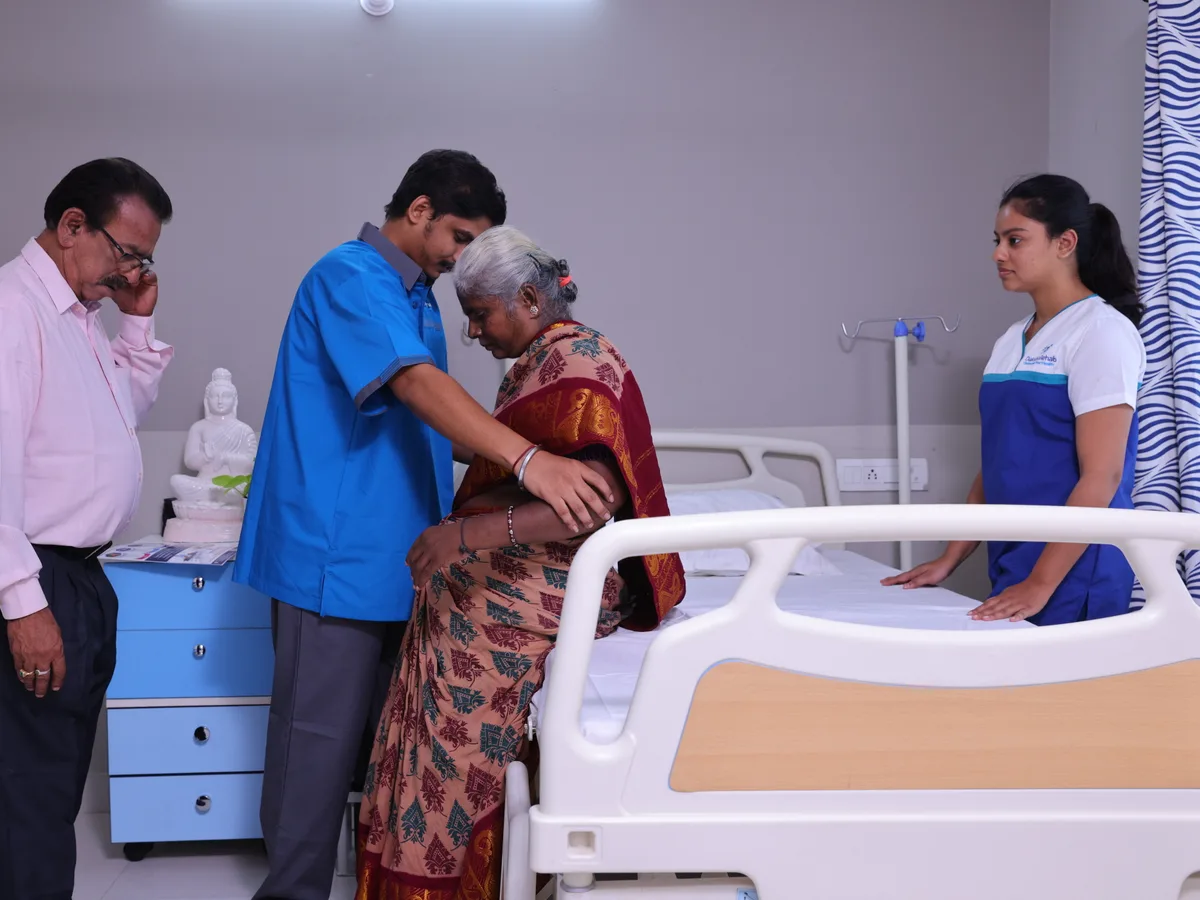
A clear picture of the patient's practical walking problem
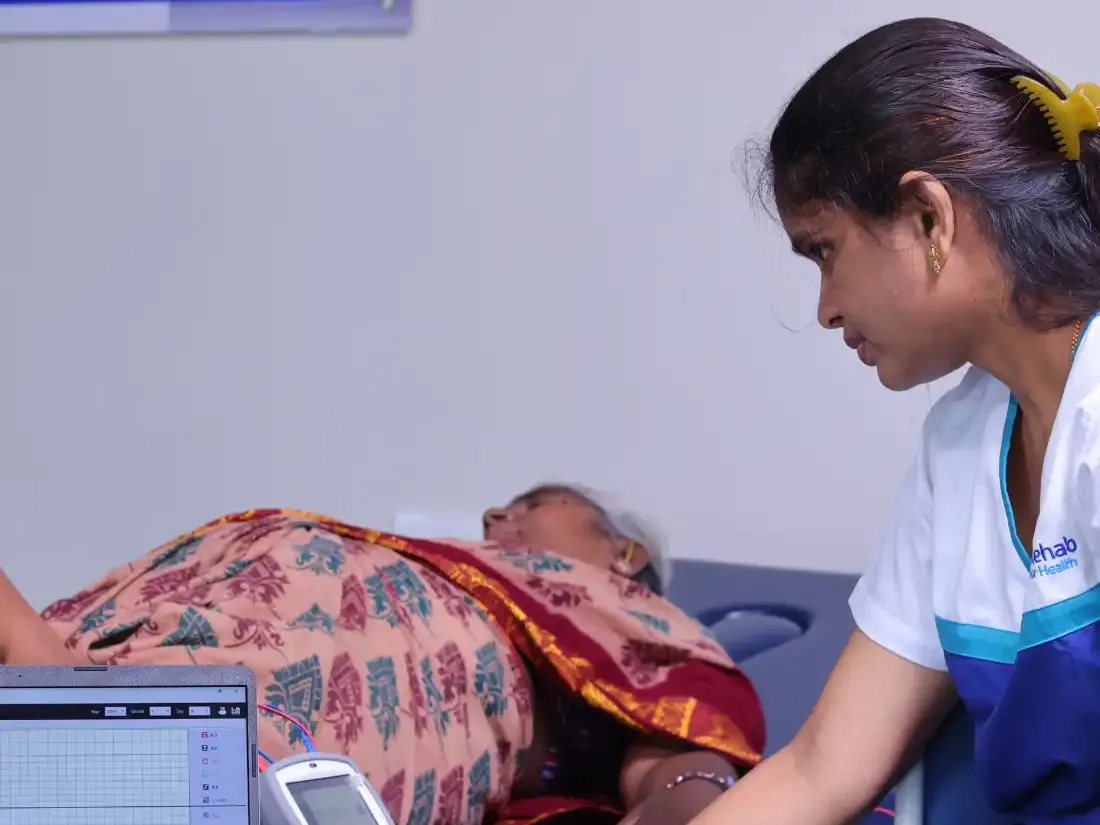
Safety requirements before any brace recommendation
A gait-based orthotic strategy instead of a generic brace
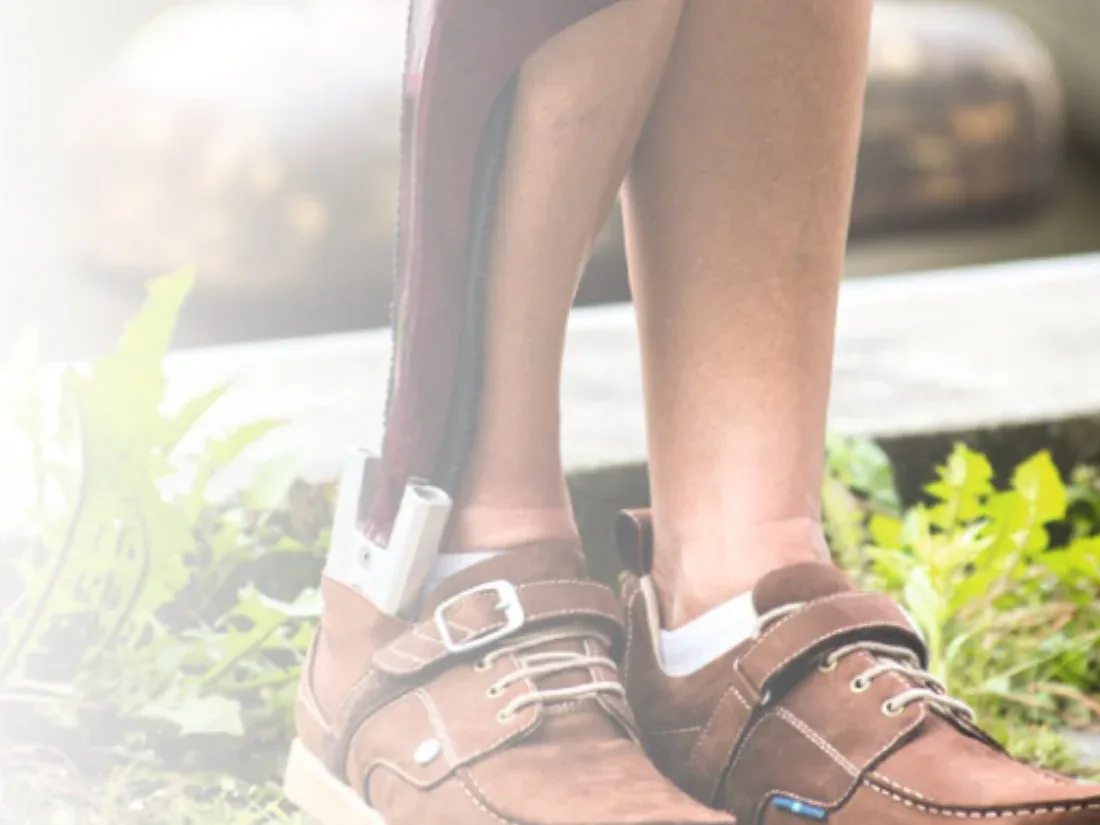
A custom orthotic pathway with patient and caregiver education
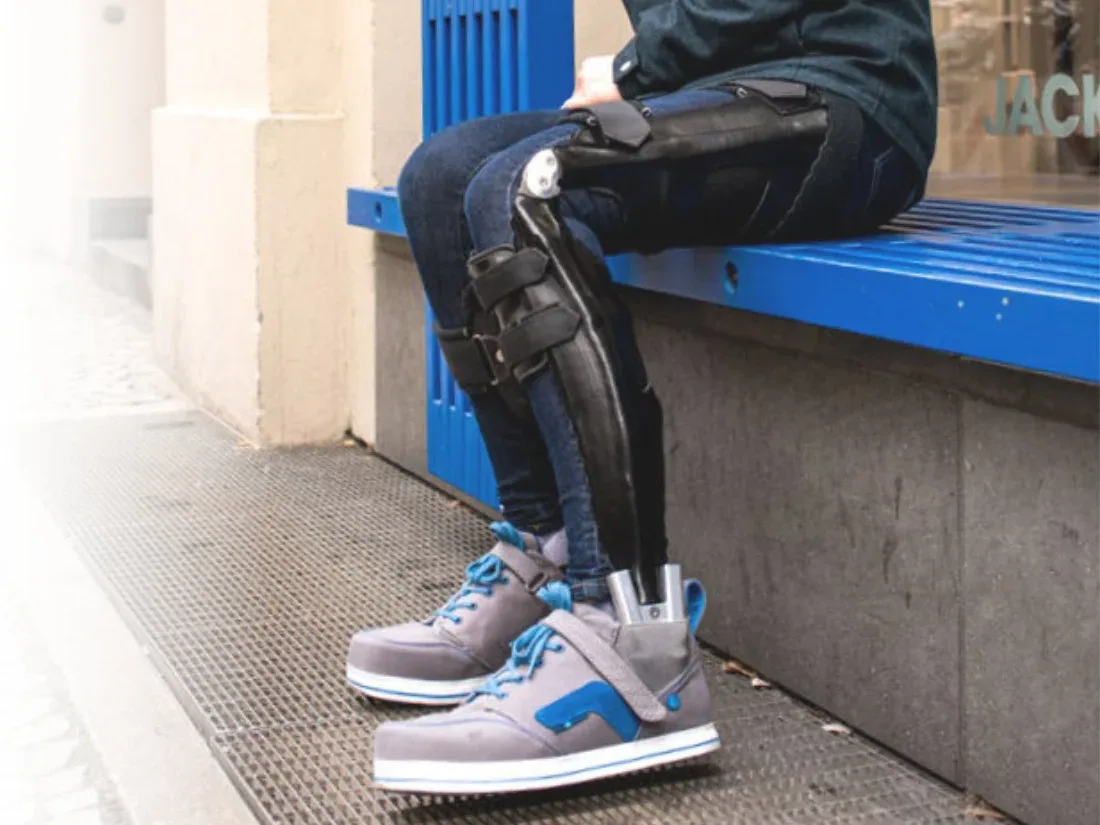
AFO support matched to comfort, skin safety and walking mechanics
The brace becomes part of rehab, not a substitute for rehab
Post-stroke orthotic care changes as the patient's tone, strength, balance, endurance and confidence change. Follow-up tuning is part of the treatment plan.
We map the gait problem, identify skin and pressure risks, review footwear, and decide whether dynamic AFO support is appropriate.
The orthotics plan is finalised with patient goals, brace design, footwear advice and the first physiotherapy integration plan.
We check comfort, pressure marks, toe clearance, heel contact and knee response during supported standing and walking.
Alignment, support and exercise progression are reviewed as the patient gains strength, confidence and walking tolerance.
The goal is practical walking safety and better movement quality, not a promise of cure. Every plan depends on the patient's neurological recovery, skin safety and training consistency.
AFO support can make early standing, weight shift and step practice feel more secure when the affected ankle and knee are unreliable.
Dorsiflexion support helps reduce foot drop during swing, which may reduce trips and compensatory hip hiking.
A carefully selected and tuned AFO may help influence knee hyperextension or excessive knee flexion during stance.
When the limb is better supported, therapy can focus on weight transfer, push-off, stairs and real-life walking tasks.

A brace should never hide a medical emergency, skin injury or unsafe walking pattern. Get medical help or a clinical review if any of these apply.
Sudden facial droop, arm weakness, speech difficulty, confusion, severe headache or new stroke-like symptoms need emergency care immediately.
New wounds, pressure marks, blisters, skin colour change, severe pain or numbness under the AFO require stopping use and review.
Rapidly increasing swelling, calf pain, fever, infection signs or unexplained shortness of breath must be medically assessed.
Severe fixed ankle deformity, uncontrolled spasticity or absent protective sensation may need a different orthotic plan.
Repeated falls, new knee buckling or worse toe drag after using a brace means the fit or tuning must be rechecked.
Children, older adults and patients travelling from abroad should not use a borrowed or generic AFO without proper fitting.
The brace must support the patient's exact gait problem and must stay comfortable enough to use consistently.
Human Movement Specialist, Physiotherapist
“After stroke, an AFO should not be chosen only because the foot drops. We check how the knee behaves when the patient accepts body weight, how the ankle moves, and whether the brace can support therapy without creating new pressure or compensation.”
Dr. Swapnagandhi, Human Movement Specialist, Physiotherapist
Reviewed by Dr. Swapnagandhi, Human Movement Specialist, Physiotherapist · Last reviewed: · Next review:
Find DakshinRehab on Google Maps to read reviews shared by patients.
Direct answers for patients and families looking for AFO, foot drop and post-stroke walking support in Hyderabad.
Still have questions?
Our expert physiotherapists and rehabilitation specialists at DakshinRehab bring decades of combined experience to your recovery.
BPT, MPT, IAP Registered
Director, Human Movement Specialist, Physiotherapist
CPO
Consultant Rehabilitation Specialist, CPO | Founder, DakshinRehab
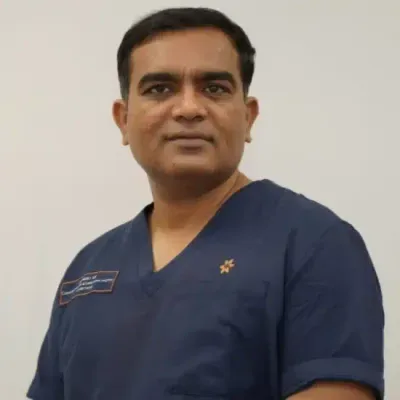
MS (General Surgery), DNB (Vascular Surgery)
Sr. Consultant Vascular & Endovascular Surgeon | Diabetic Foot & Wound Care
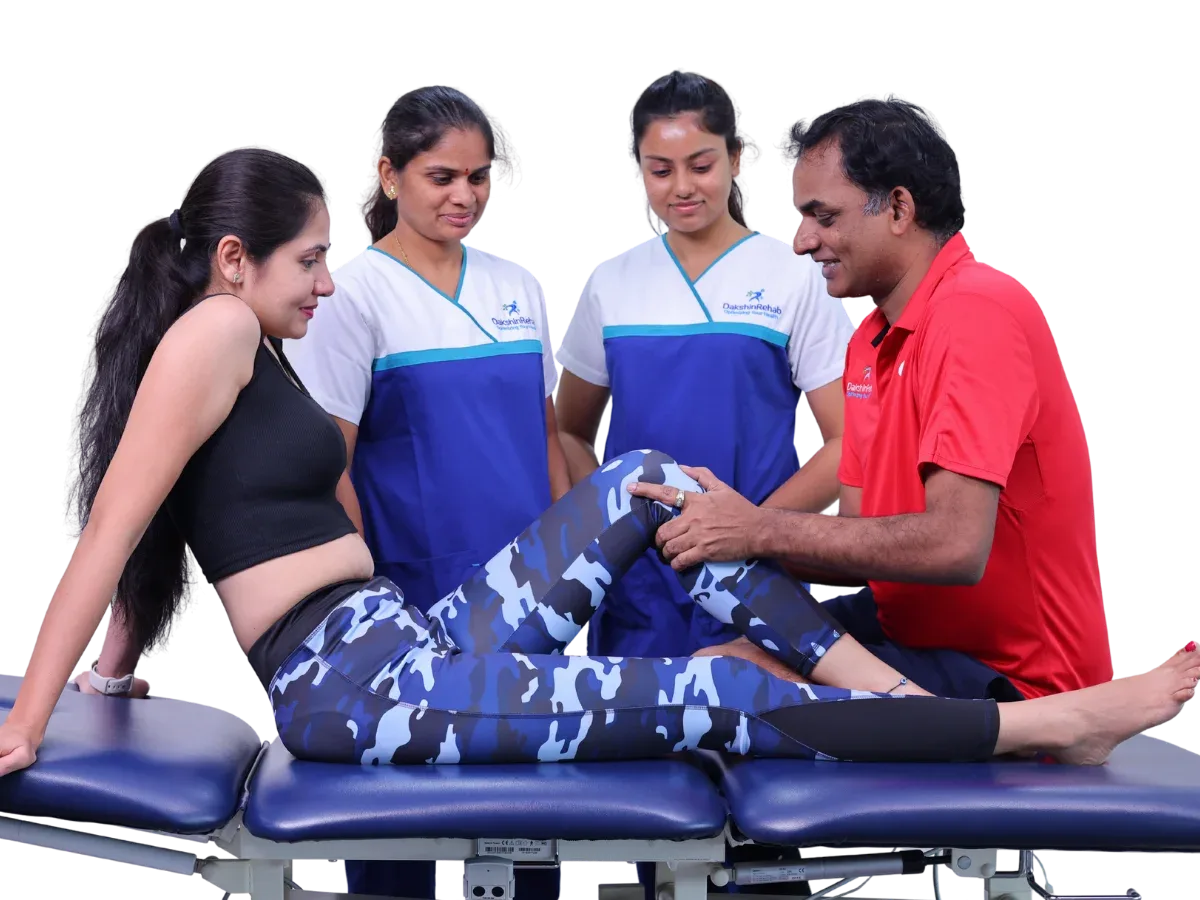
Your next step
We have treated approximately 20,000 patients. Your initial assessment is free only when you book an appointment online and attend your confirmed time slot. Treatment charges are explained before treatment begins.
Book an AppointmentExplore connected rehabilitation services if the walking problem is part of a broader neuro, orthotic or mobility challenge.
Neuro rehabilitation for post-stroke hemiplegia, gait training, spasticity management and functional recovery.
View Stroke RehabCustom AFO, KAFO, spinal braces, foot orthoses and diabetic foot orthotic solutions at DakshinRehab.
View OrthoticsObjective strength and gait assessment to guide rehabilitation decisions when visual observation is not enough.
View Assessment Tools