Cloud-Based Progress Tracking
Measurz app stores trend graphs across milestones. See your progress over weeks and months. Share PDF reports with surgeons and referring doctors.
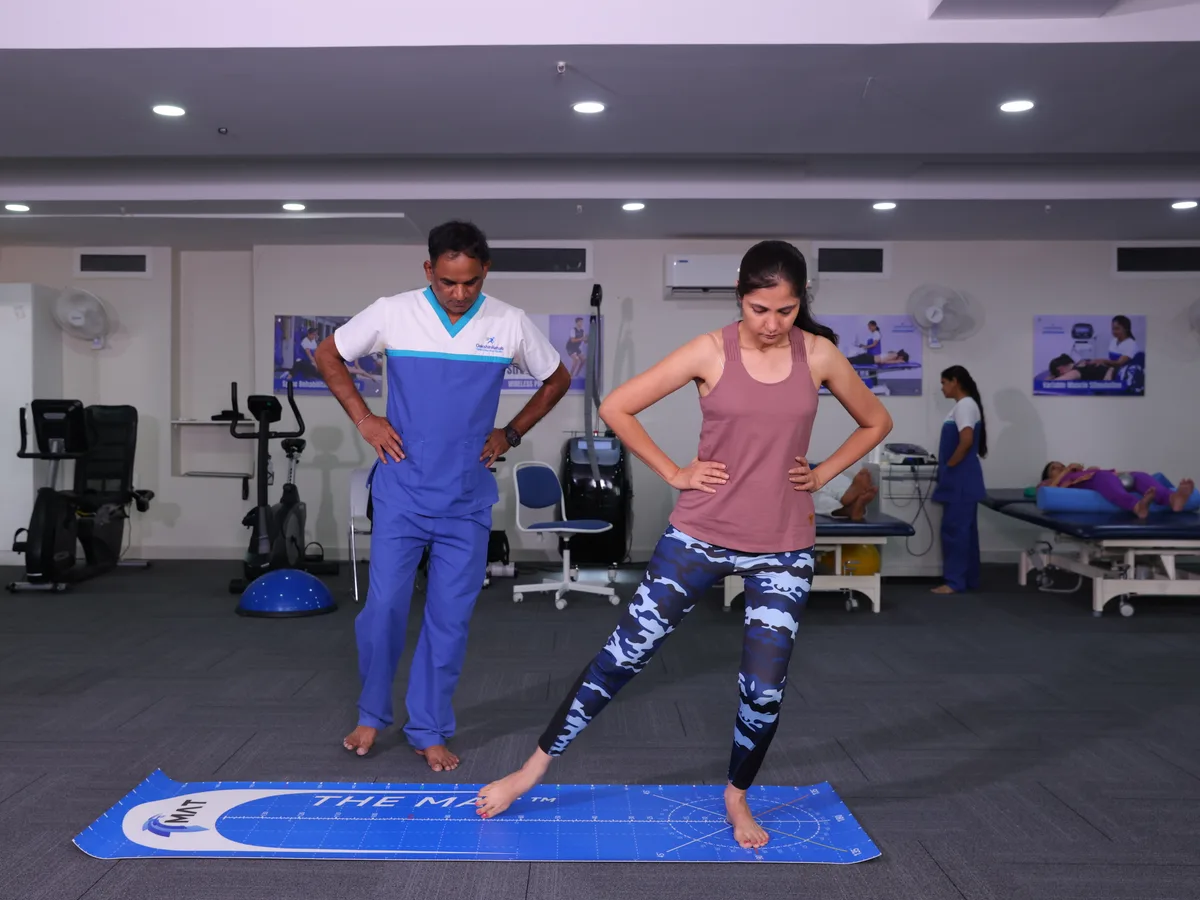
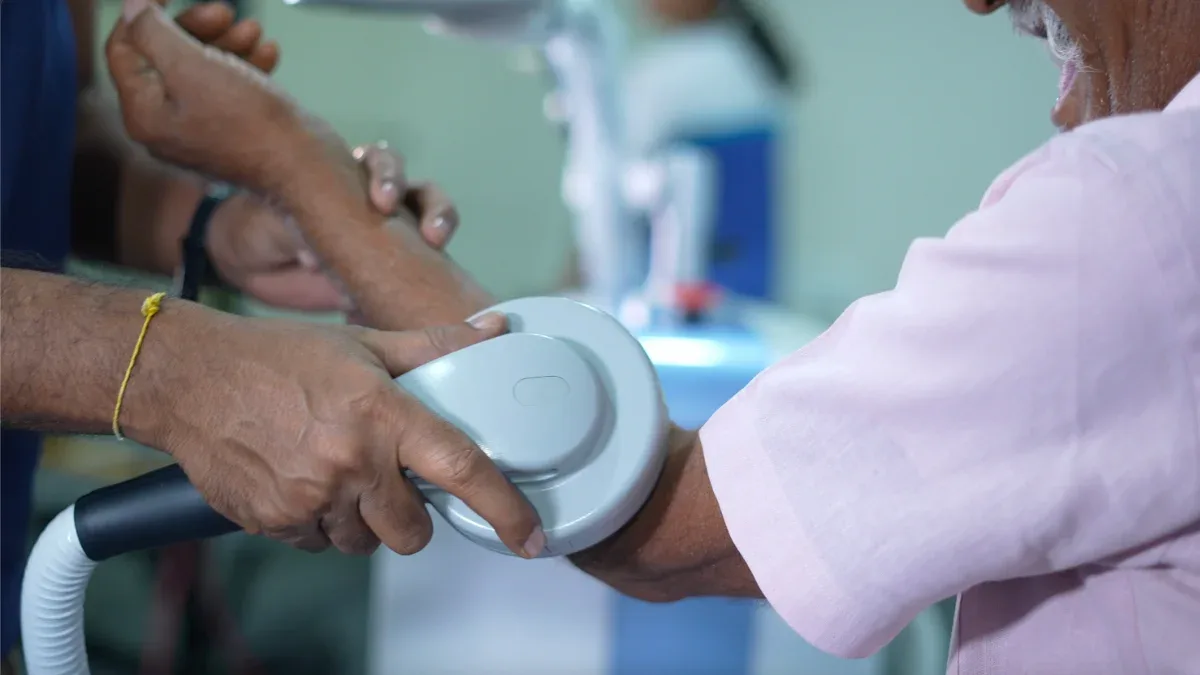
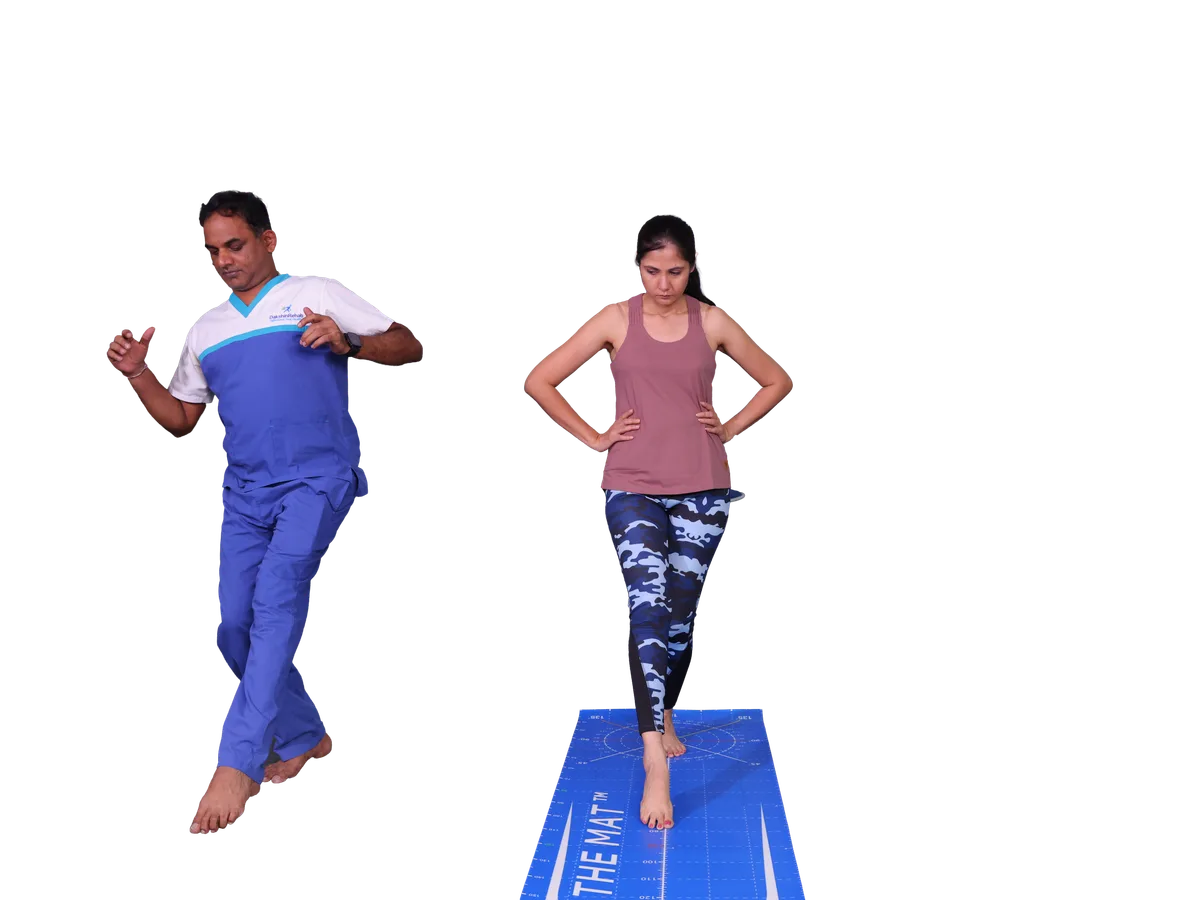
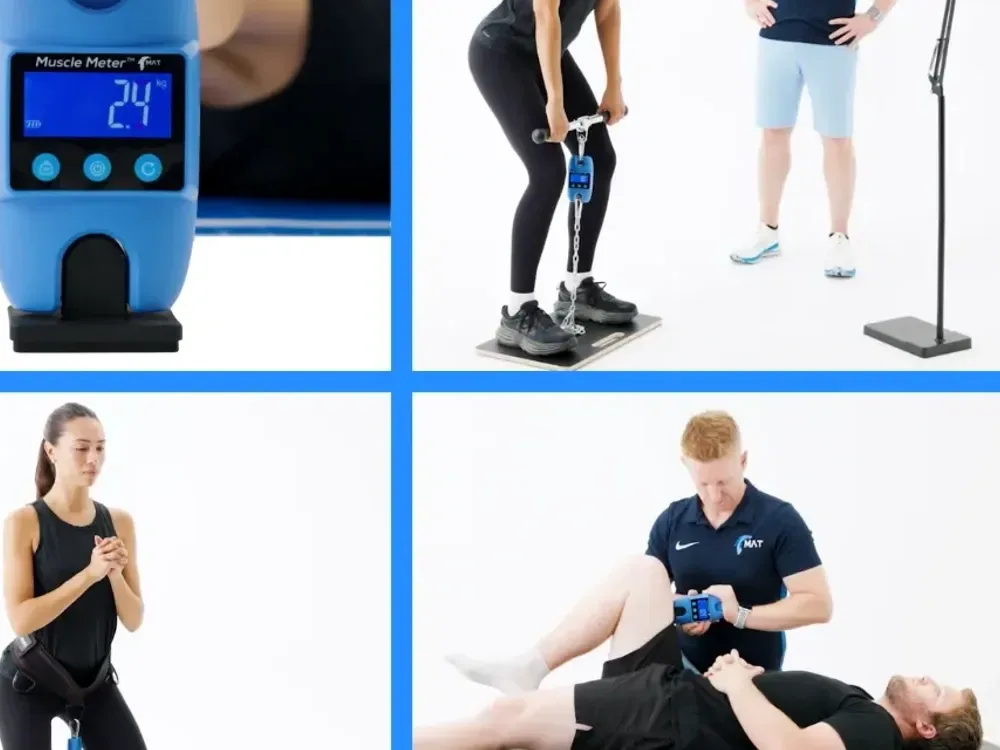
At DakshinRehab, we use Movement Assessment Technologies (MAT) — the Muscle Meter handheld dynamometer and GaitOn 3D gait analysis system — to measure your exact muscle strength in kilograms, track your recovery with the Measurz app, and make return-to-sport decisions based on data, not opinion.
Personalised, technology-driven rehabilitation in Moosapet, Hyderabad.
Manual muscle testing uses subjective grades 1–5. MAT assessment replaces that with exact kilogram measurements — so you and your surgeon can make return-to-sport decisions based on data.
Exact kilogram measurements replace subjective grades 1–5. The Muscle Meter records peak force, rate of force development, and endurance — so you know exactly where you stand.
Compares operated vs healthy leg strength. LSI ≥ 90% is the standard for return-to-sport clearance after ACL reconstruction. MAT gives you the number — not a guess.
 DakshinRehab clinical pathway
Catches 'strong but slow' patients — those who pass static strength tests but lack explosive power. RFD testing identifies hidden re-injury risk before you return to sport.
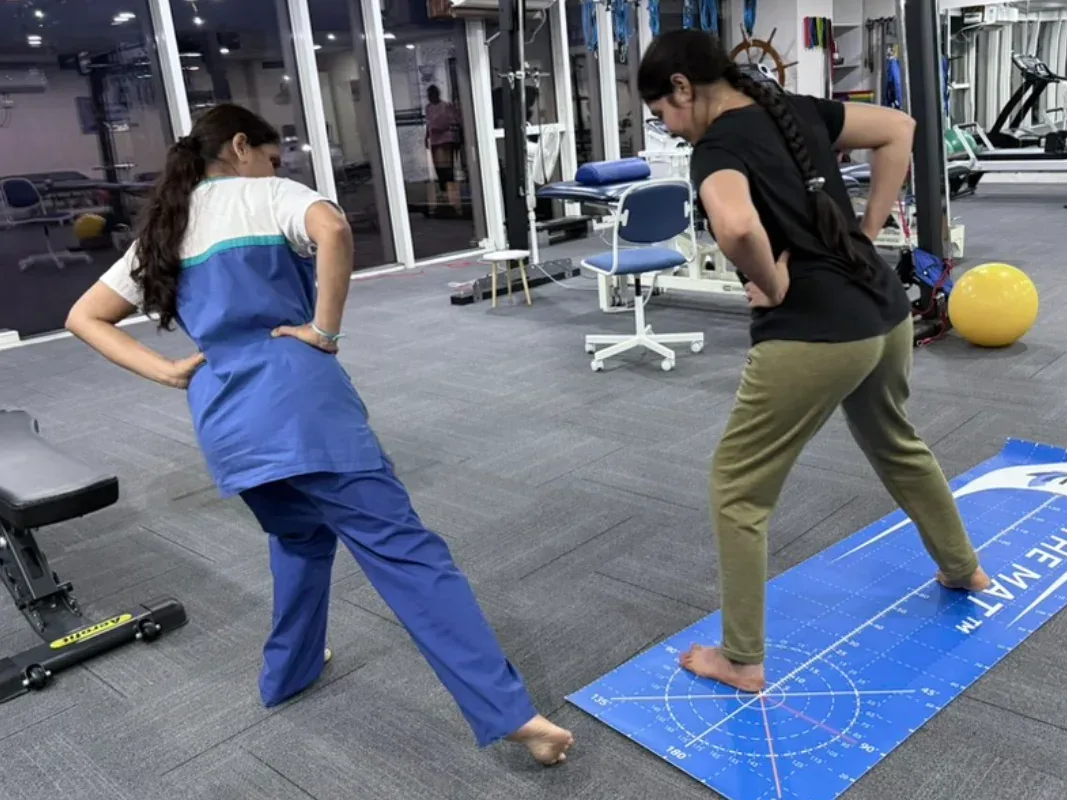
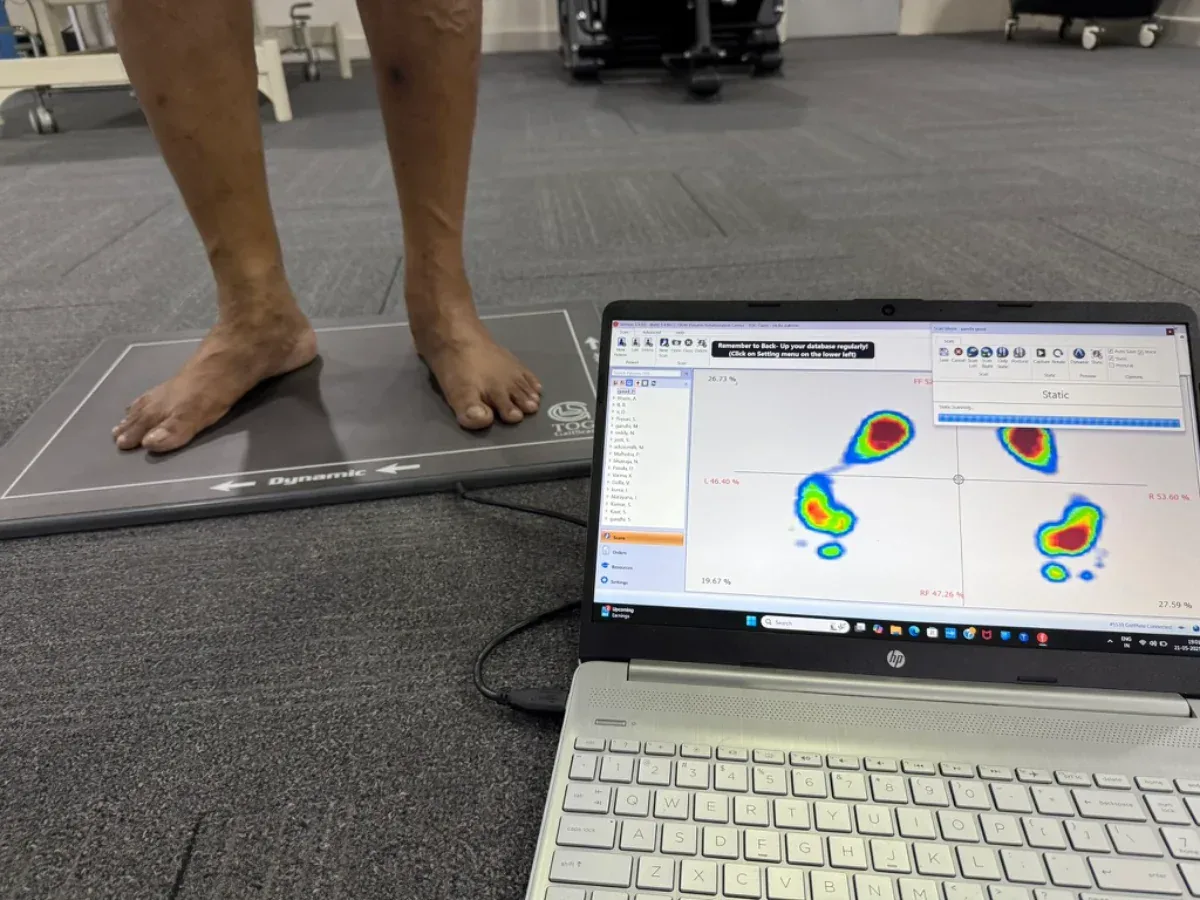
GaitOn 3D detects compensatory patterns invisible to the eye. Asymmetries in walking or running can delay recovery — and MAT assessment finds them early.
Clinical comparison
Traditional manual muscle testing uses grades 1–5. Two clinicians can grade the same patient differently. MAT assessment uses the Muscle Meter to measure exact force in kilograms. A quadriceps reading of 45 kg on the operated leg vs 50 kg on the healthy leg gives a Limb Symmetry Index of 90% — a clear, objective number for return-to-sport clearance. Surgeons and referring doctors receive PDF reports with trend graphs — not subjective notes.
Measurz app stores trend graphs across milestones. See your progress over weeks and months. Share PDF reports with surgeons and referring doctors.
PDF export with normative data comparison. Medicolegal documentation for return-to-sport clearance and insurance claims.
“The question is not whether you feel strong — it is whether your leg is strong enough. Numbers remove the guesswork.”
A MAT Assessment Session
Ready for testing
Baseline strength and LSI calculated
RFD score compared to normative data
Endurance capacity documented
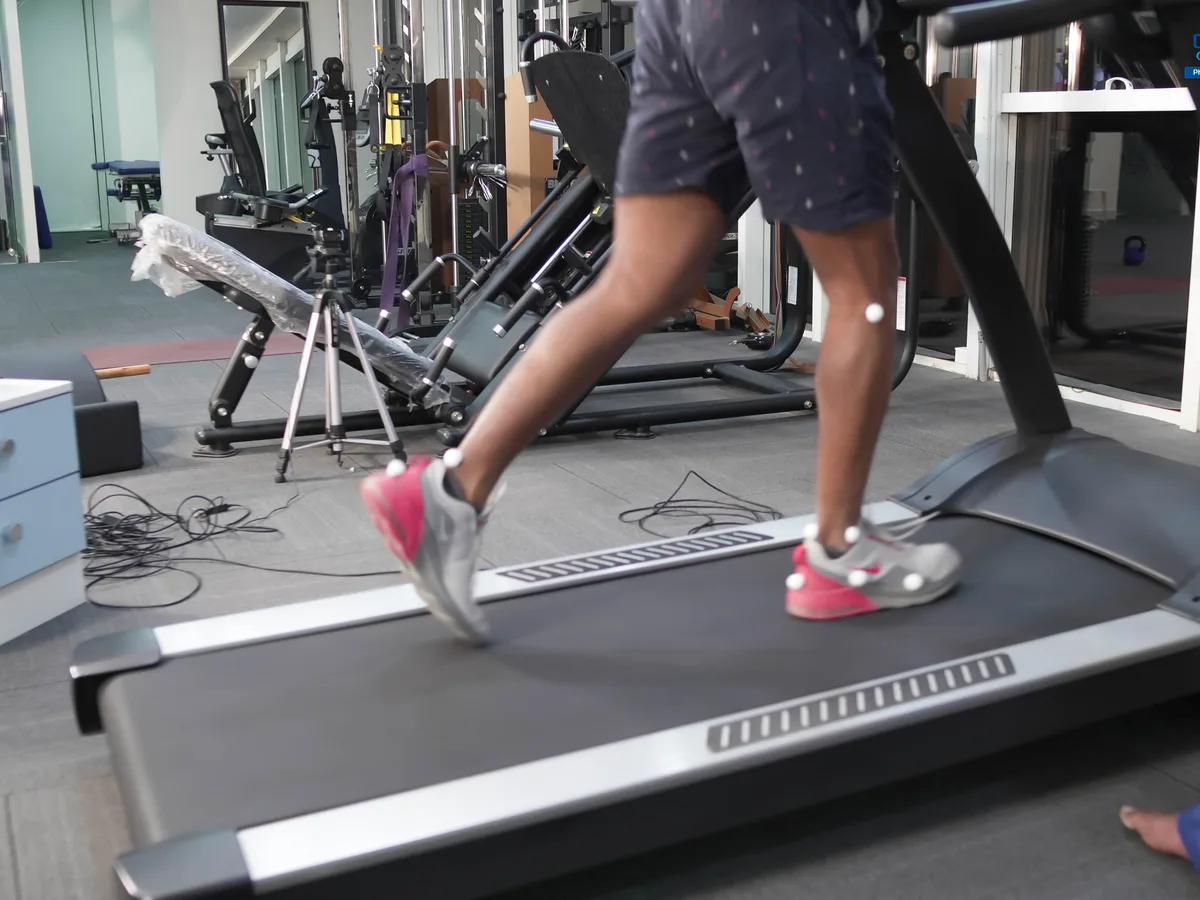
Gait report with biomechanical insights
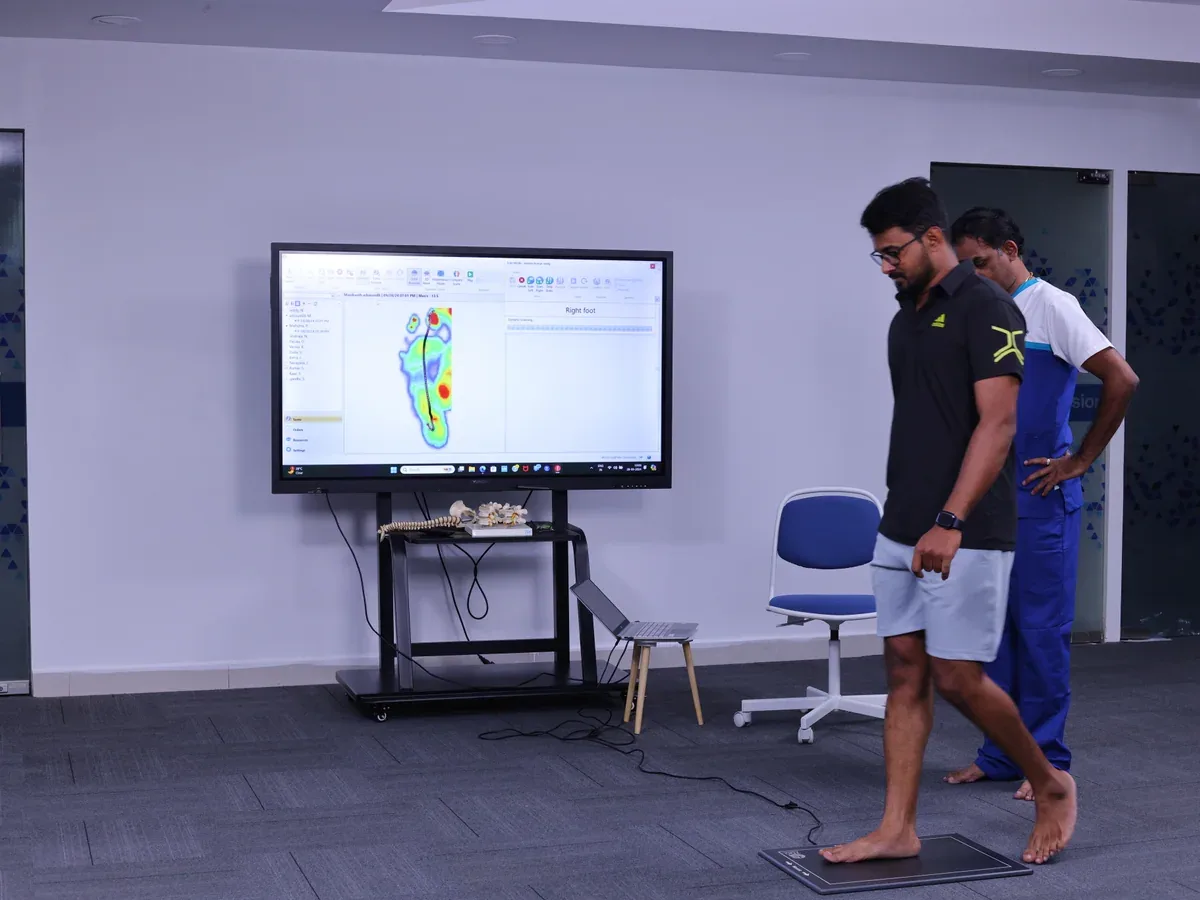
Clear plan and PDF report if requested
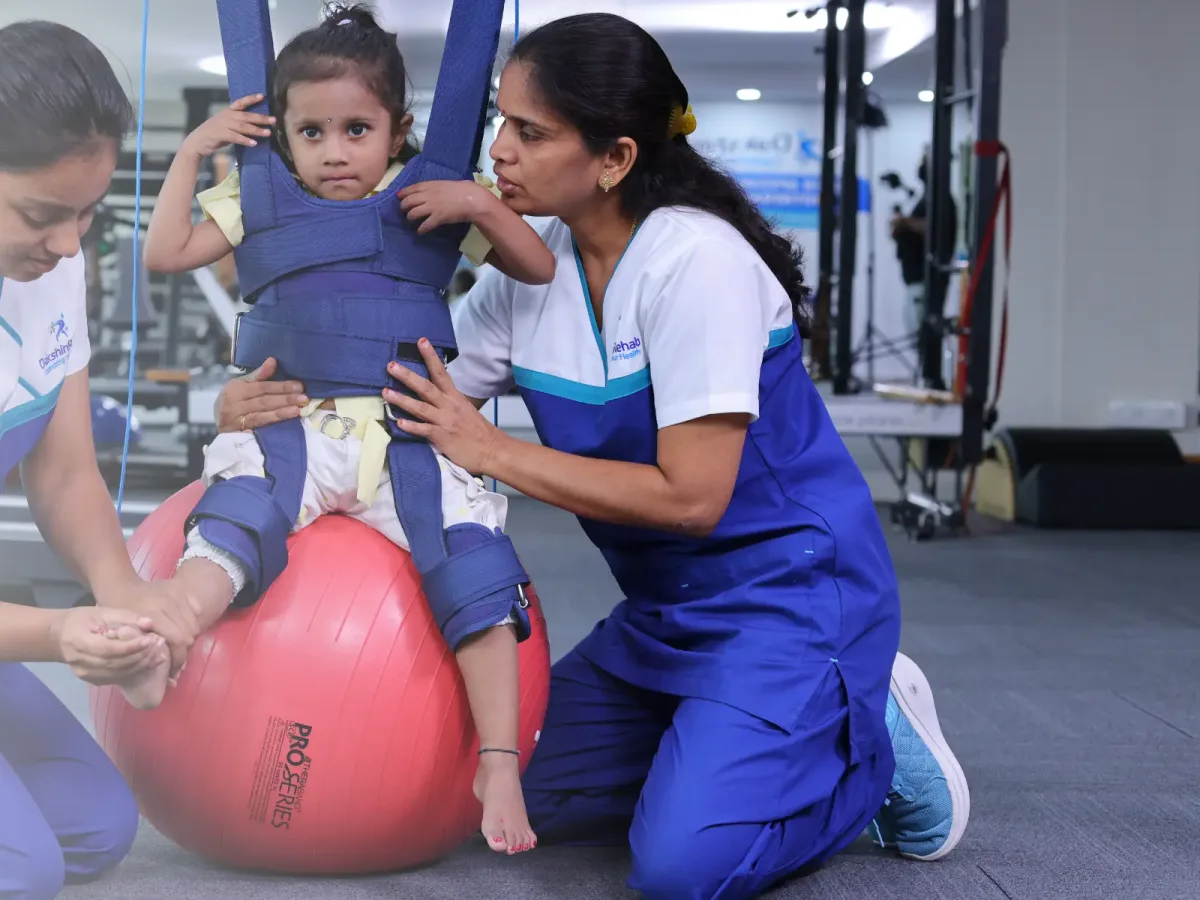
Strength and gait testing is safe and non-invasive for most people, but both tests ask for real effort. Where a structure is still healing or a symptom is unstable, we postpone the measurement rather than risk it — and we tell you when to come back.
Acute fracture, suspected fracture or stress fracture in the limb to be tested — no maximal loading until imaging and healing are confirmed.
Recent surgery or a repaired tendon, ligament or muscle still inside the surgeon's protected phase — we test only within the loading limits your surgeon has set in writing.
Acute muscle tear, tendon rupture or an inflammatory arthritis flare in the muscle group being measured — testing is deferred until the acute phase settles.
Uncontrolled high blood pressure or an unstable cardiac condition — maximal isometric effort raises blood pressure sharply, so we need medical clearance first.
Inability to bear weight comfortably, or an unhealed wound, skin graft or incision where the sensor or gait markers sit — the site must be settled before testing.
Severe cardiovascular or respiratory limitation that prevents sustained treadmill walking, or a high falls risk without support — we use an alternative assessment instead.
Recent concussion with ongoing symptoms, active dizziness or vestibular symptoms, or a high-risk pregnancy — treadmill gait capture is postponed.
Pain severe enough that you cannot give a genuine maximal effort — the number produced would be misleading rather than merely uncomfortable, so we treat the pain first and measure afterwards.
Find DakshinRehab on Google Maps to read reviews shared by patients.
Clear answers about objective strength testing, Limb Symmetry Index, RFD, and gait analysis at DakshinRehab Moosapet.
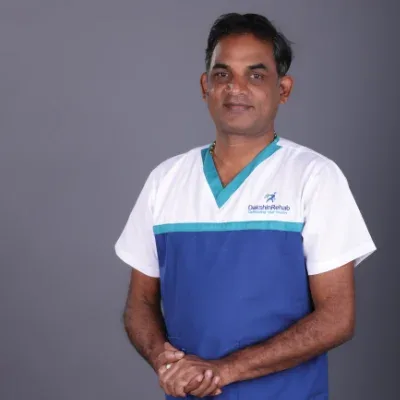
Our expert physiotherapists and rehabilitation specialists at DakshinRehab bring decades of combined experience to your recovery.
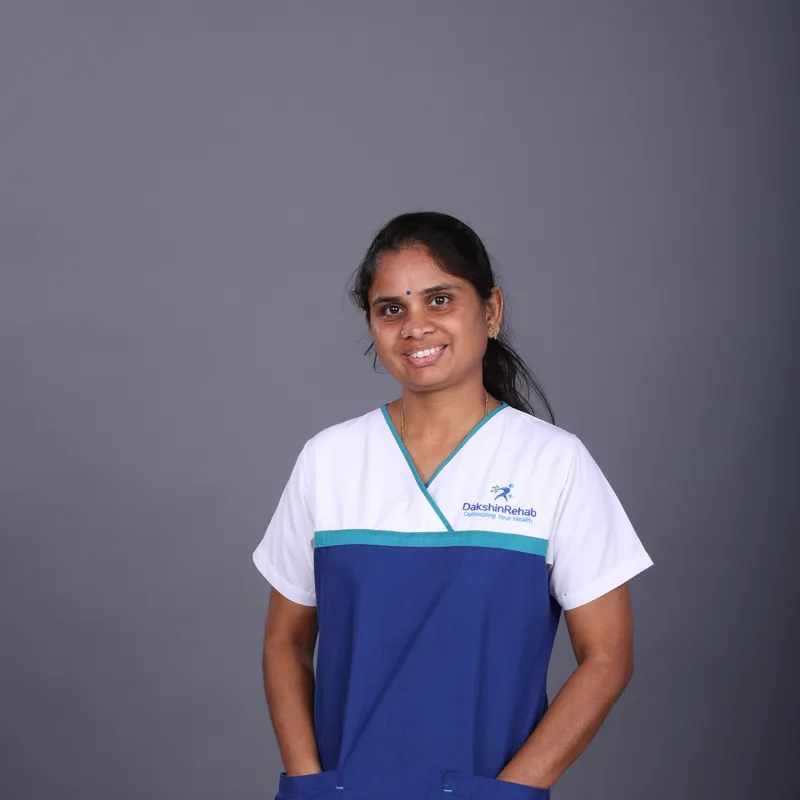
BPT, MPT, IAP Registered
Director, Human Movement Specialist, Physiotherapist
CPO
Consultant Rehabilitation Specialist, CPO | Founder, DakshinRehab
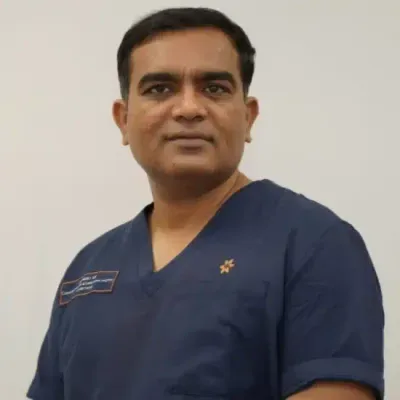
MS (General Surgery), DNB (Vascular Surgery)
Sr. Consultant Vascular & Endovascular Surgeon | Diabetic Foot & Wound Care
Learn more about this condition and treatment options from our expert team.
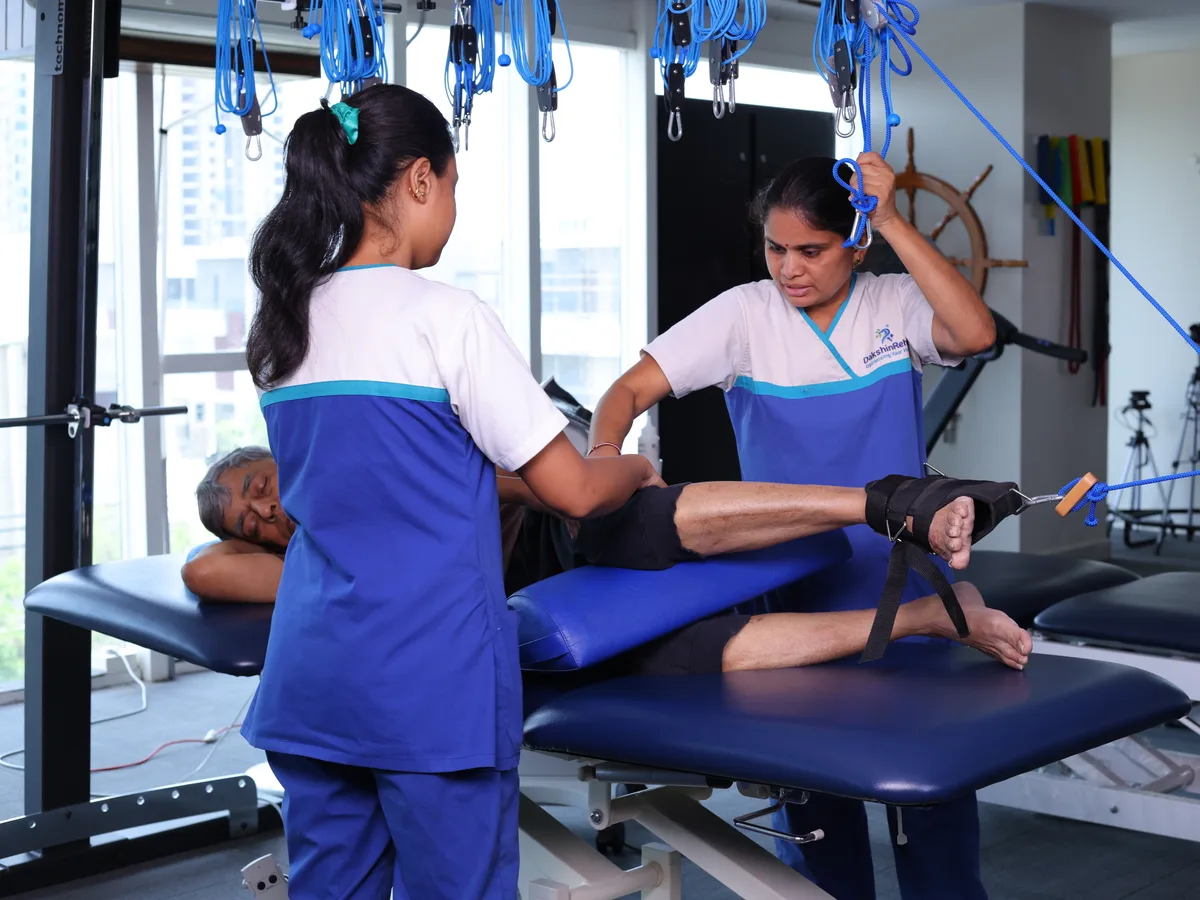 Joint Care
July 3, 2026
How long does recovery after total knee replacement really take, and why does physiotherapy decide the outcome? A week-by-week guide to the recovery timeline, the technology that reverses muscle inhibition, and the warning signs to watch — from DakshinRehab Moosapet, Hyderabad.
Read More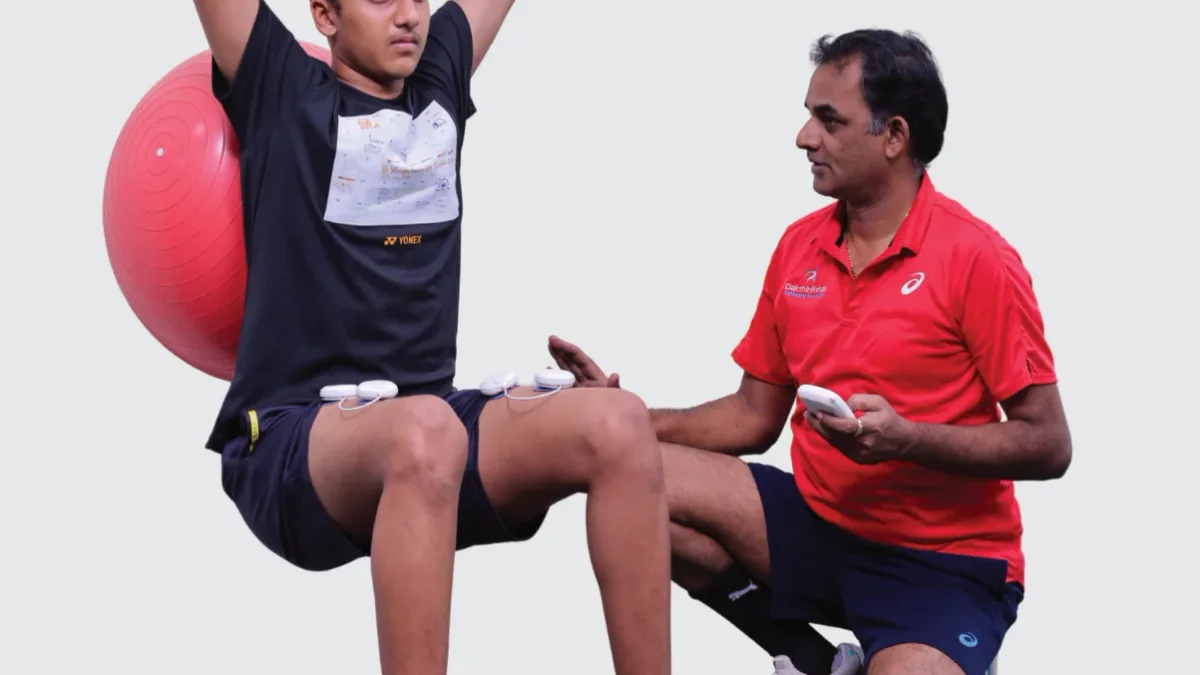 Knee Pain
June 12, 2026
Why your quadriceps stops contracting properly after a knee injury or surgery — arthrogenic muscle inhibition — and how clinician-led wireless NMES at DakshinRehab Moosapet supports quadriceps re-activation within a full rehab programme.
Read More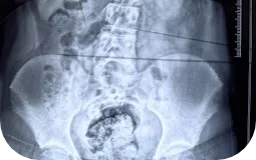 Scoliosis Care
June 9, 2026
A scoliosis brace does not correct because of a scanner or fancy software. It corrects because of clinical judgement: assessment, expert cast rectification, in-brace X-ray verification and scoliosis-specific physiotherapy. Here is exactly how DakshinRehab Moosapet builds one.
Read More
Your next step
We have treated approximately 20,000 patients. Your initial assessment is free only when you book an appointment online and attend your confirmed time slot. Treatment charges are explained before treatment begins.
Book an Appointment