Pelvic Floor Rehabilitation in Moosapet, Hyderabad
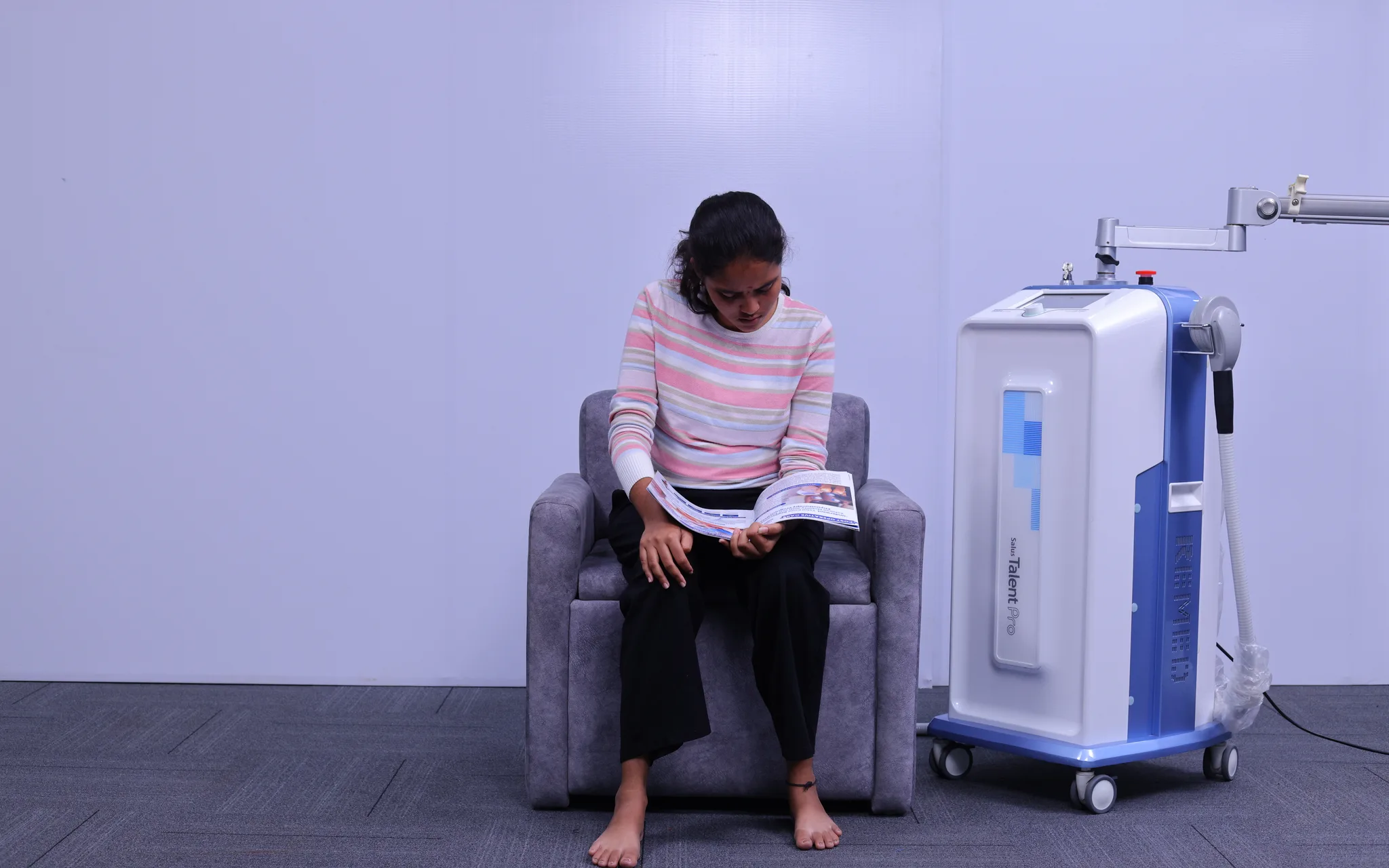
At DakshinRehab in Moosapet, we treat urinary incontinence, chronic pelvic pain syndrome (CPPS), post-prostate-surgery leakage, postpartum weakness and pelvic organ prolapse — for both men and women — using the 3-Tesla EMTT chair, sEMG biofeedback and guided rehabilitation. No undressing, no internal examinations, no guesswork.
Approach — Fully clothed at every stage — no undressing, no internal examination
Outcome — 88% improve within 6 weeks — progress tracked with objective muscle data
ADVANCED PELVIC HEALTH & WELLNESS SUITE
Pelvic Floor Rehabilitationin Moosapet, Hyderabad
At DakshinRehab in Moosapet, we treat urinary incontinence, chronic pelvic pain syndrome (CPPS), post-prostate-surgery leakage, postpartum weakness and pelvic organ prolapse — for both men and women — using the 3-Tesla EMTT chair, sEMG biofeedback and guided rehabilitation. No undressing, no internal examinations, no guesswork.
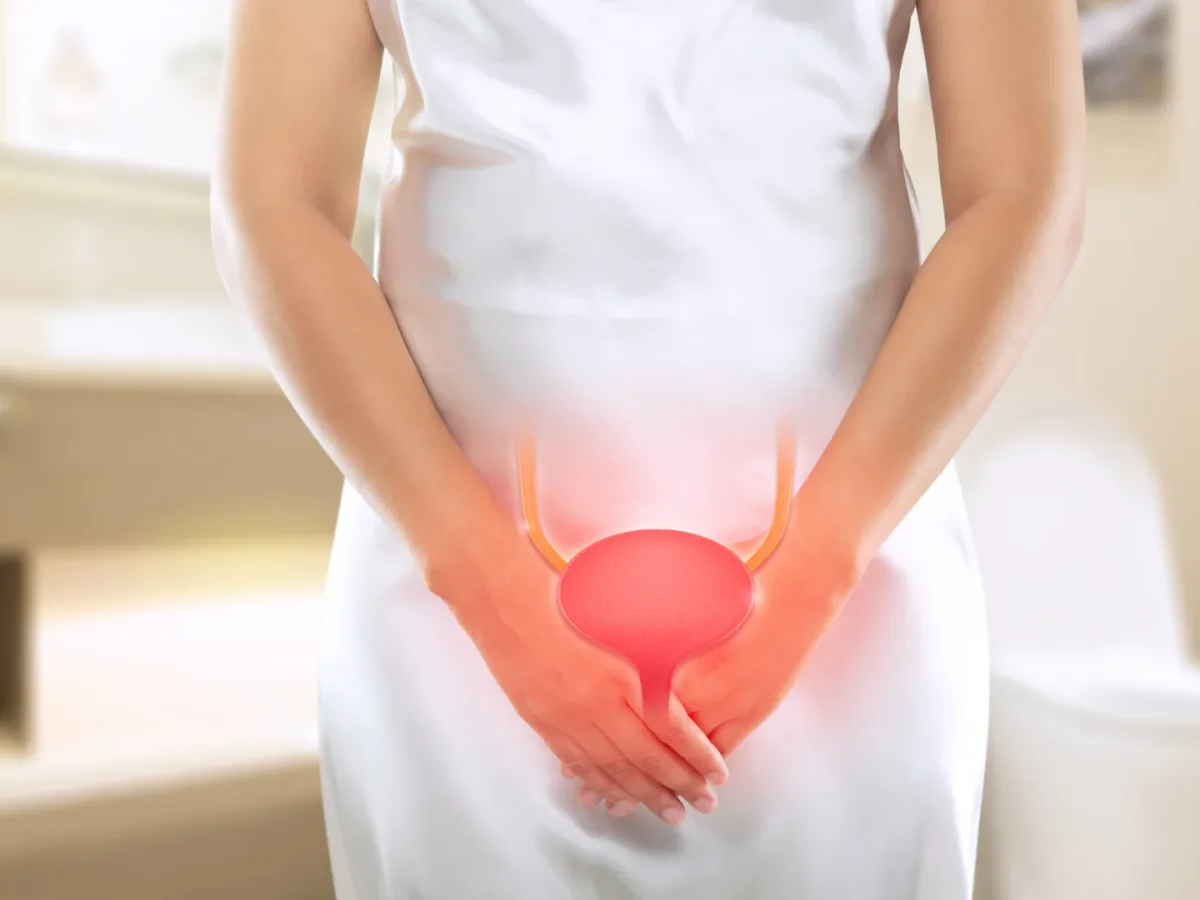
Leaking with coughing, laughing or running — or persistent leakage after prostate surgery.
Chronic Pelvic Pain Syndrome (CPPS)
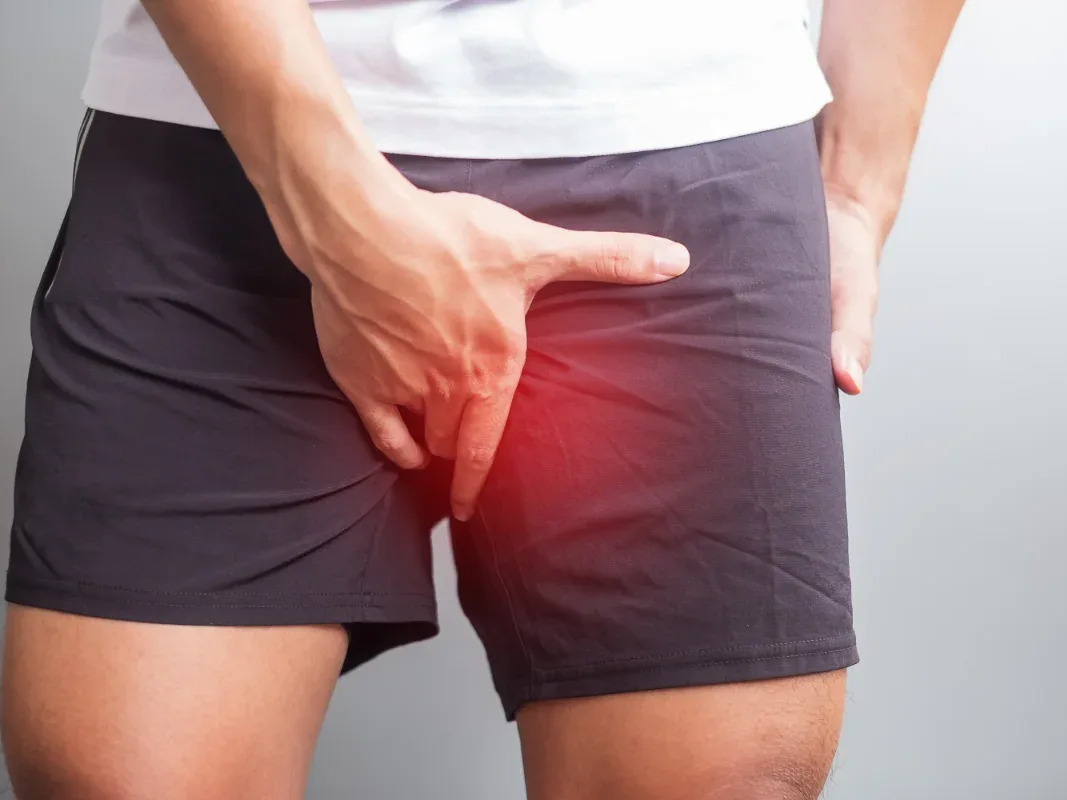
A pelvic floor locked in constant spasm can compress nerves and restrict blood flow — causing deep aching, burning and pain with sitting that antibiotics never fix.
Leaking with coughing, laughing or running — or persistent leakage after prostate surgery. We rebuild the strength and speed of the muscles that keep the bladder closed, with thousands of chair-delivered contractions per session.
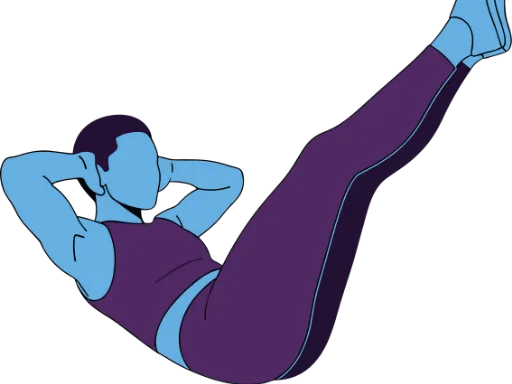
Pelvic Floor Muscles
Chronic Pelvic Pain Syndrome (CPPS)
A pelvic floor locked in constant spasm can compress nerves and restrict blood flow — causing deep aching, burning and pain with sitting that antibiotics never fix. We map the overactive muscles and teach them to release.
Postpartum & Core
Prolapse, Postpartum Weakness & Diastasis Recti
Pregnancy and childbirth stretch the pelvic floor and can separate the abdominal wall. Heaviness, bulging or a dragging sensation signals lost support — we rebuild the muscular shelf and the core above it, layer by layer.
Do These Sound Familiar?
Signs Your Pelvic Floor Needs Professional Help
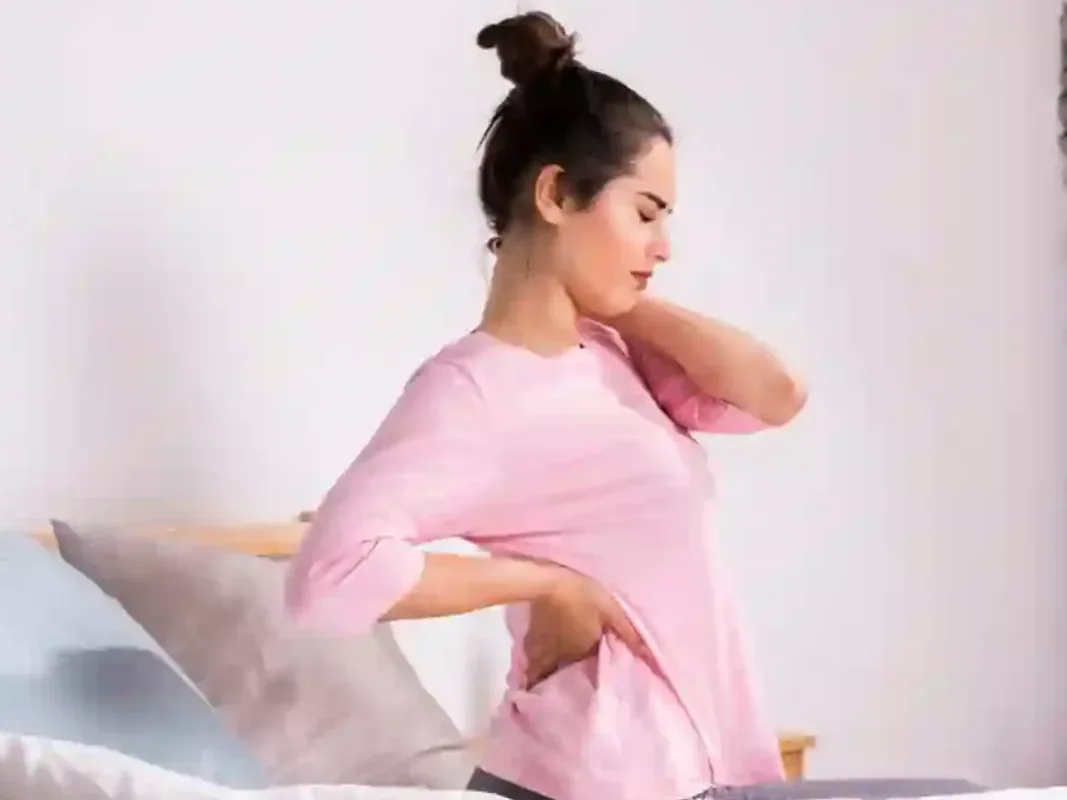
These symptoms are common — but they are not something you simply have to live with. Each one points to a specific, treatable pattern of pelvic floor dysfunction we assess and address at DakshinRehab Moosapet.
Deep Pelvic Ache or Burning
A persistent, hard-to-locate ache or burning deep in the pelvis that antibiotics and prostate treatments have not resolved.
Pain That Worsens With Sitting
Long hours at a desk or behind the wheel become unbearable — a classic sign of an overactive, non-relaxing pelvic floor.
Leakage on Coughing, Sneezing or Exercise
Stress incontinence during everyday movements, or persistent leakage after childbirth or prostate surgery, signals a weakened closing mechanism.
Constant Urgency & Frequent Bathroom Trips
Needing the toilet far too often, or rushing with little warning, often traces back to pelvic floor muscle dysfunction — not just the bladder.
Heaviness or Dragging Sensation
A feeling of pressure, bulging or "something coming down" — especially late in the day — can indicate pelvic organ prolapse.
Pain With Intimacy or Tailbone Pressure
Discomfort during intimacy, or pain around the tailbone and perineum, frequently stems from pelvic muscle guarding that can be released.
Measure first, treat precisely, graduate on data — private and fully clothed at every step.
Step01
The Confidential Pelvic Audit
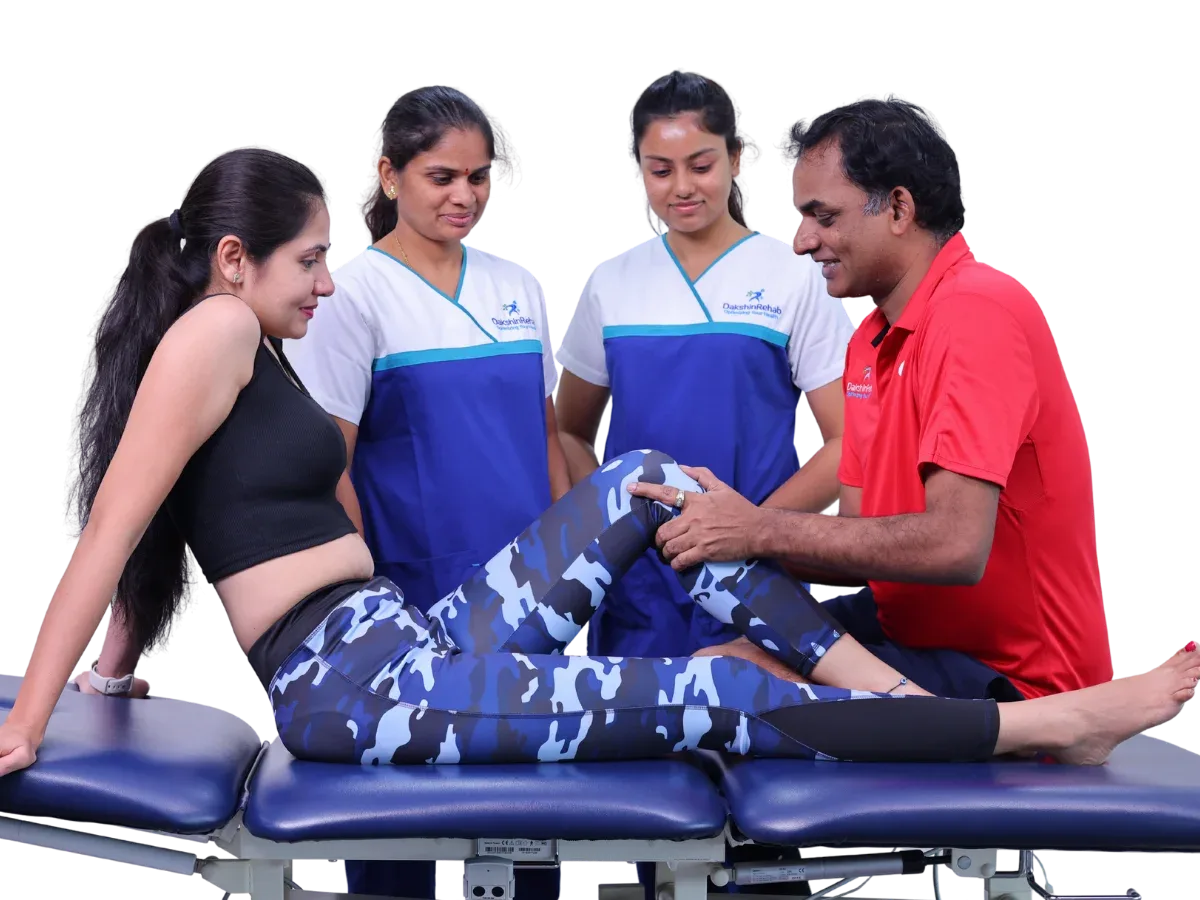
Before any treatment, we map your pelvis objectively in a private consultation room — muscle-balance analysis, movement and breathing assessment, posture and gait tracking, and external sEMG sensors that measure how your pelvic floor rests, contracts and relaxes. No internal examination, fully clothed throughout.
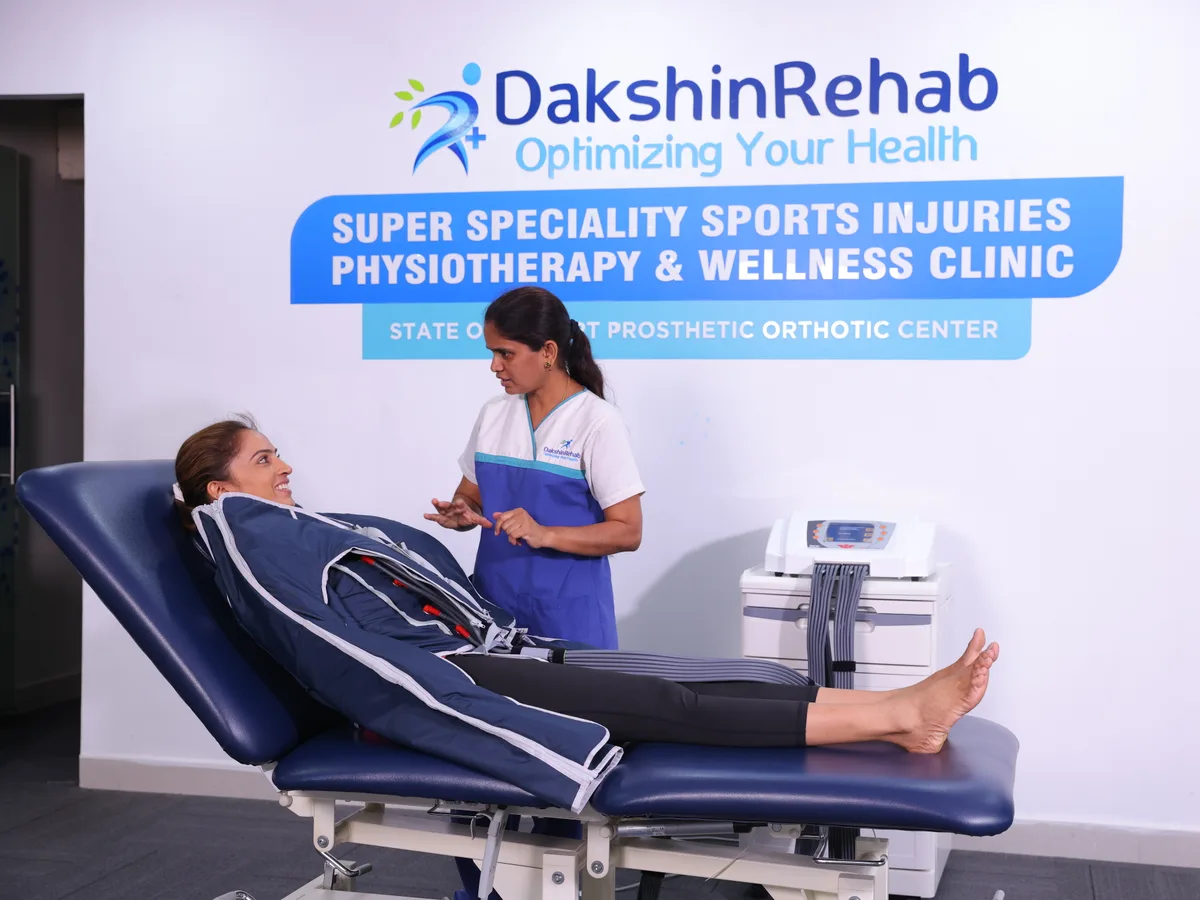
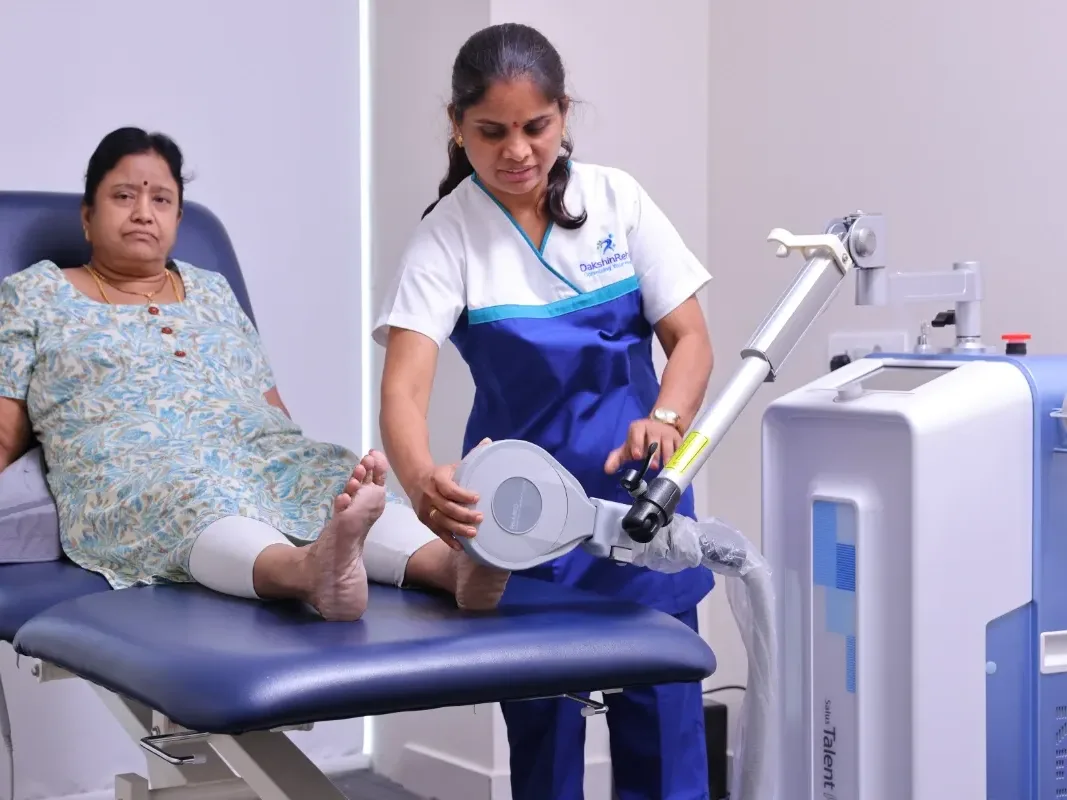
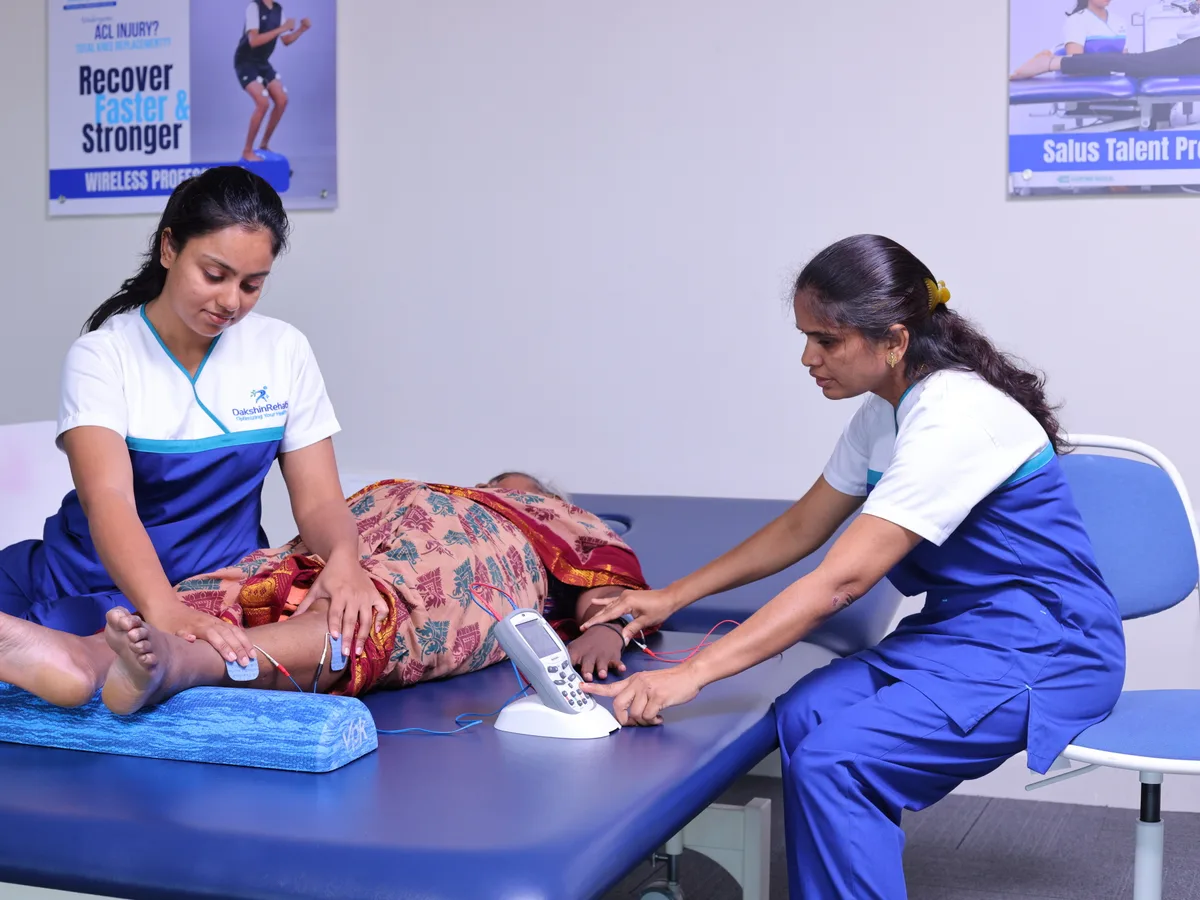
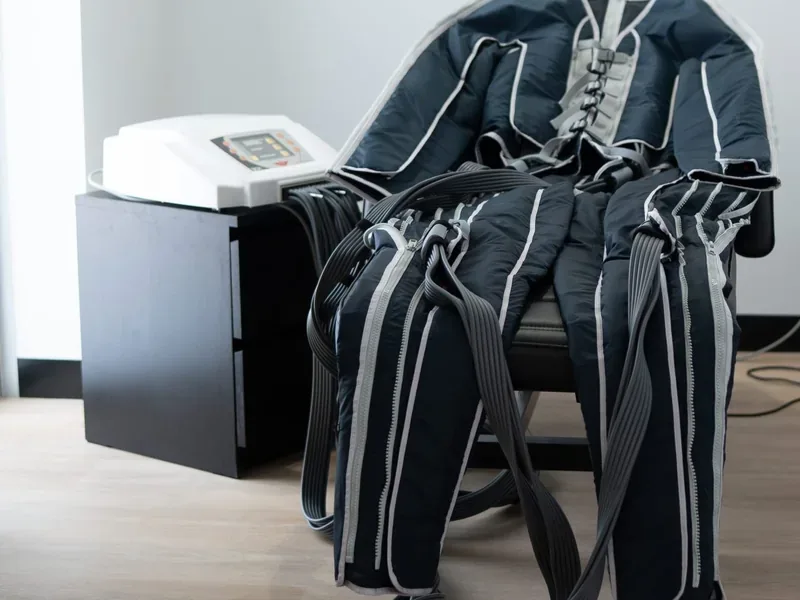
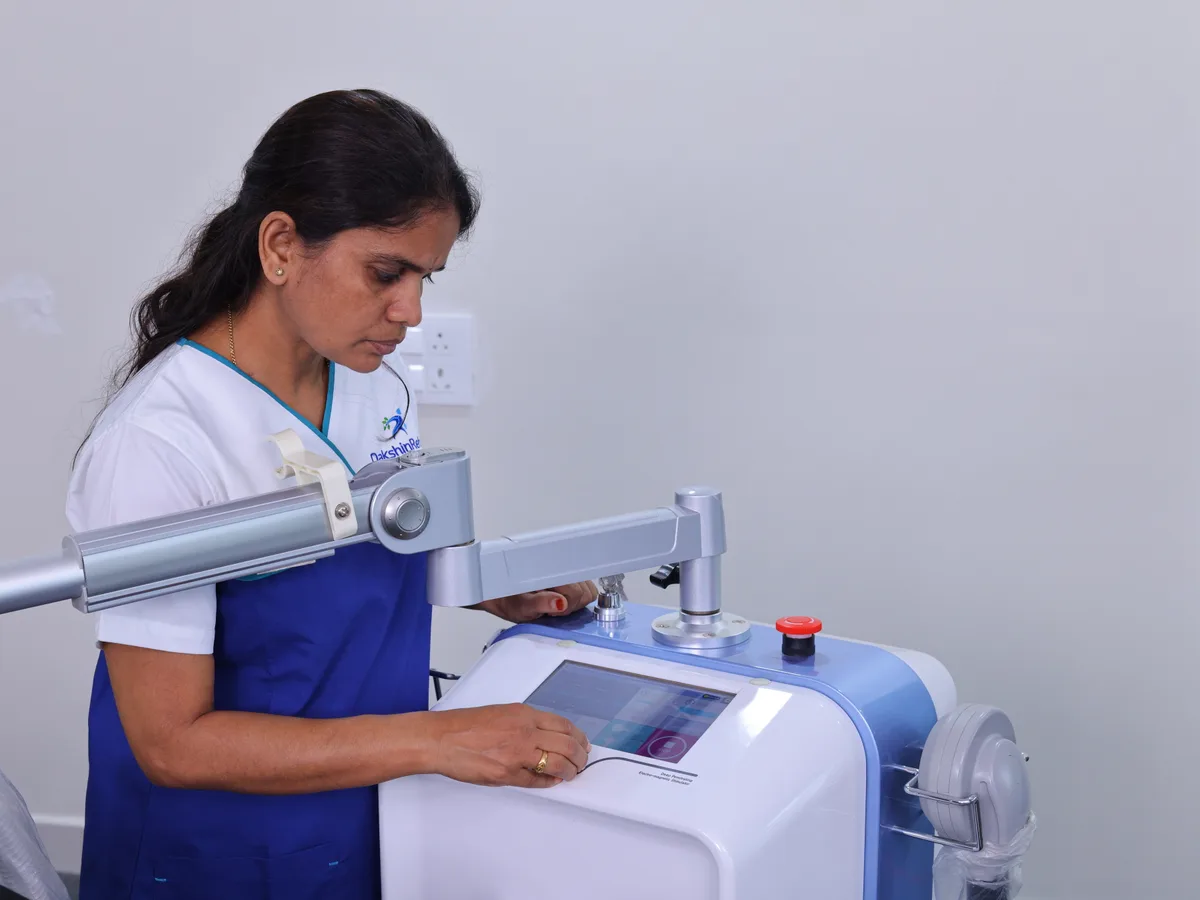
Depending on what the audit shows, we calm an overactive pelvic floor or rebuild a weak one — using the Salus Talent Pro 3-Tesla EMTT chair, BOA Max 2 pressotherapy to clear pelvic congestion, and NeuroTrac sEMG biofeedback so you can see your muscles respond on screen.
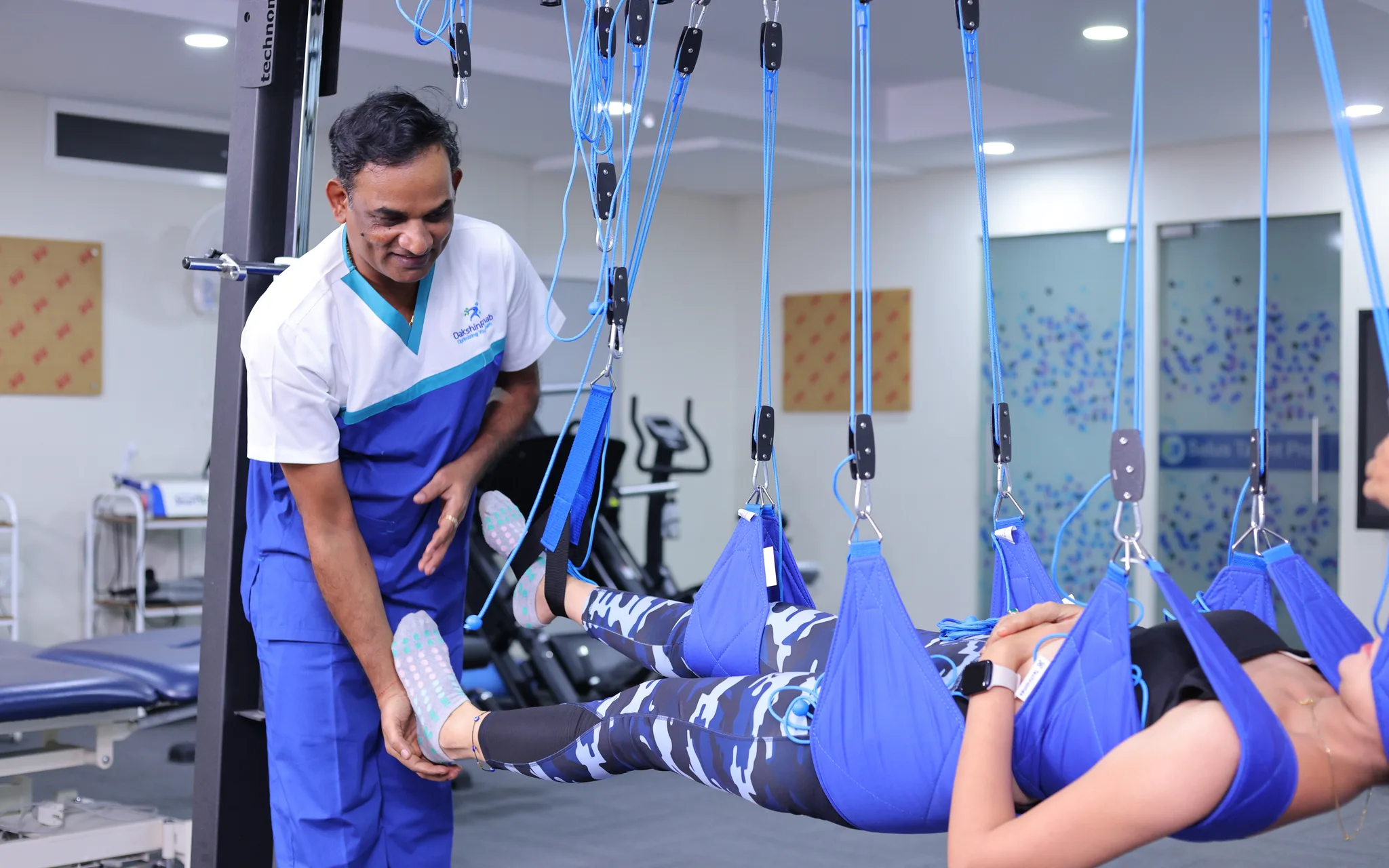
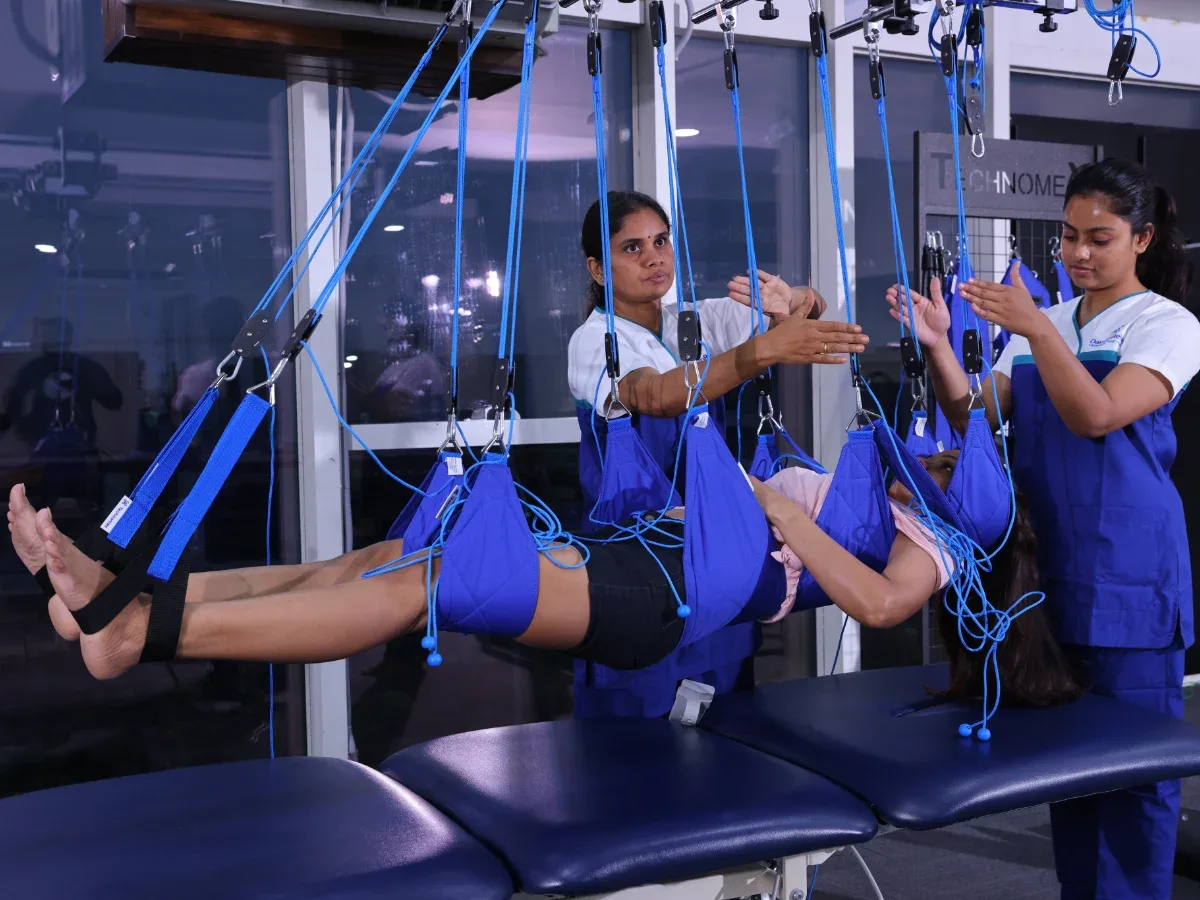
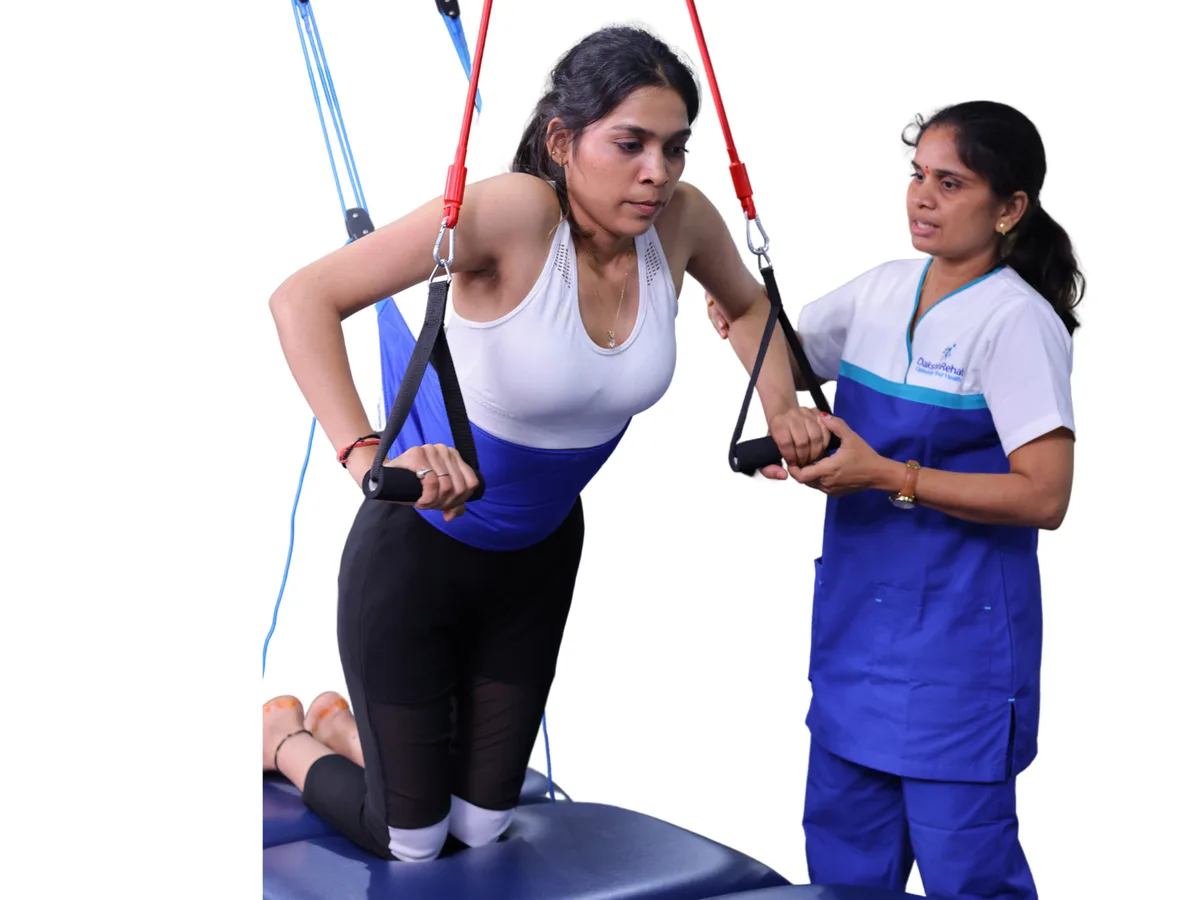
The final phase trains your pelvic floor to fire automatically during lifting, twisting, coughing, running and exercise — using suspension-based and functional training. You graduate only when objective measurements confirm control, not when a calendar says so.
Pelvic symptoms are easy to postpone — they feel private, and many patients are told nothing more can be done. These are the situations where a structured assessment within the next week or two genuinely changes the outcome.
Pelvic pain lasting more than six weeks
Aching, burning or pressure that persists beyond six weeks has usually developed a muscular component that medication alone will not resolve.
"Prostatitis" that antibiotics never fix
Repeated antibiotic courses with no lasting relief strongly suggest chronic pelvic pain syndrome driven by muscle overactivity — a physiotherapy problem, not an infection.
Leakage months after childbirth or prostate surgery
Some early leakage is normal after delivery or prostatectomy. If it persists past three months, the pelvic floor needs targeted retraining to take over bladder control.
Sitting has become something you avoid
Planning your day around not sitting — at work, while driving, in the cinema — is a hallmark of a hypertonic pelvic floor that responds well to treatment.
Heaviness or bulging that worsens through the day
Early prolapse symptoms respond far better to strengthening when addressed promptly, before supporting tissues stretch further.
Kegels are making things worse, not better
If pelvic floor exercises increase your pain or urgency, your muscles may be overactive — they need to learn to relax before they strengthen.
Kegel exercises alone fail most people — an overactive pelvic floor gets worse with more squeezing, and most patients can't isolate the right muscles anyway. At DakshinRehab Moosapet, technology does what willpower cannot: it relaxes, activates and measures the muscles you can't see.
3-Tesla EMTT Chair
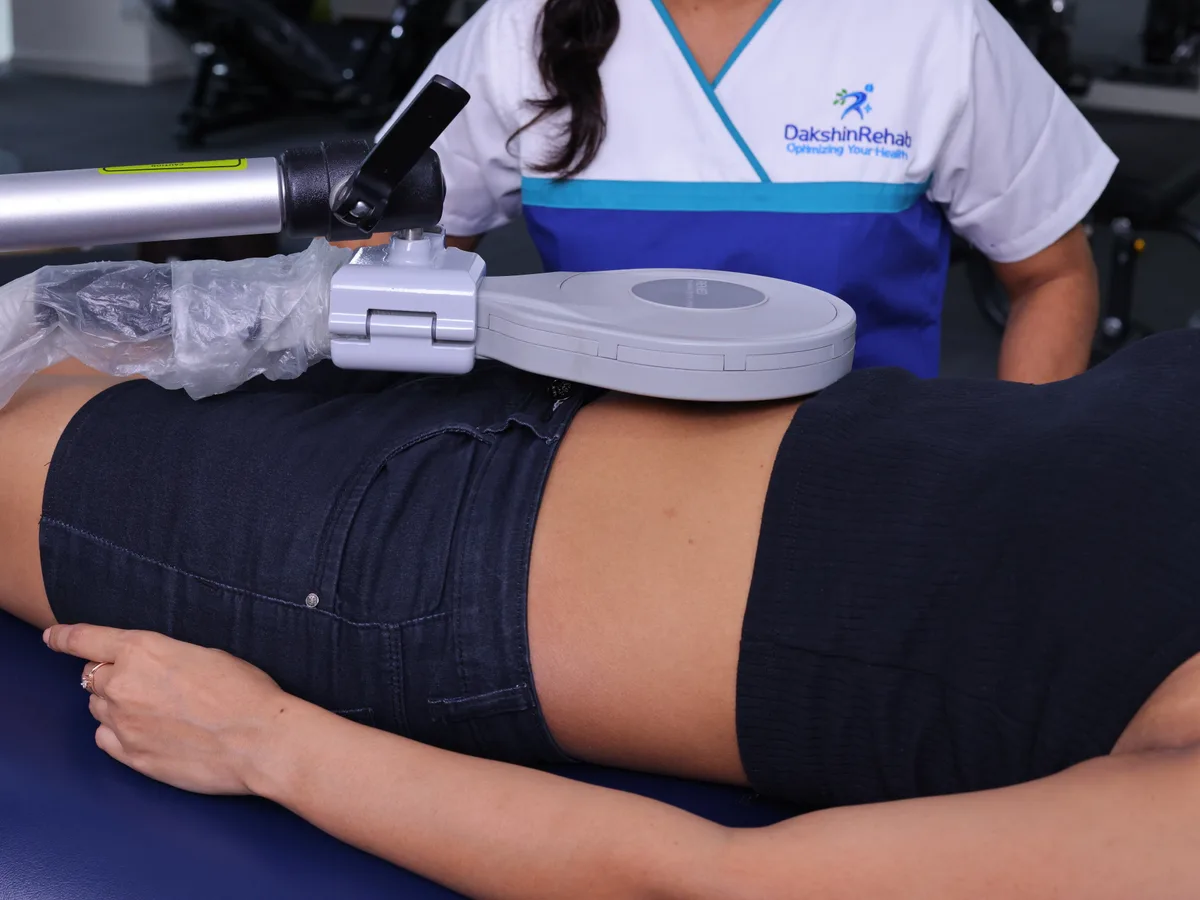
You sit fully clothed while deep magnetic pulses trigger thousands of perfect pelvic floor contractions per session — resetting tone in overactive muscles and rebuilding strength in weak ones.
NeuroTrac sEMG Biofeedback
External sensors show your pelvic floor firing in real time, so you learn to contract, hold and — just as importantly — fully relax on command.
DakshinRehab clinical pathway
BOA Max 2 Pressotherapy
Sequential compression therapy flushes the pelvic congestion and fluid stagnation that keep chronic pelvic pain throbbing.
Reformer & Suspension Training
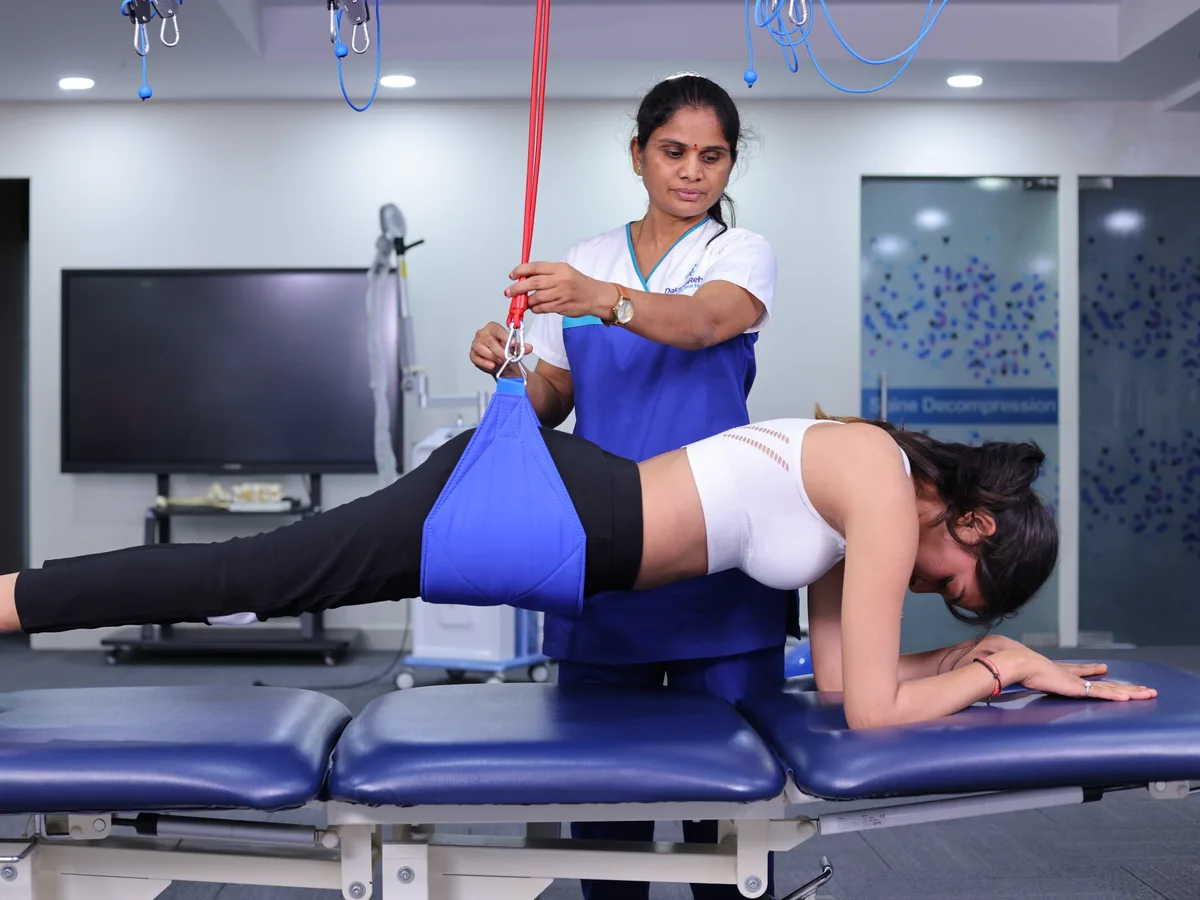
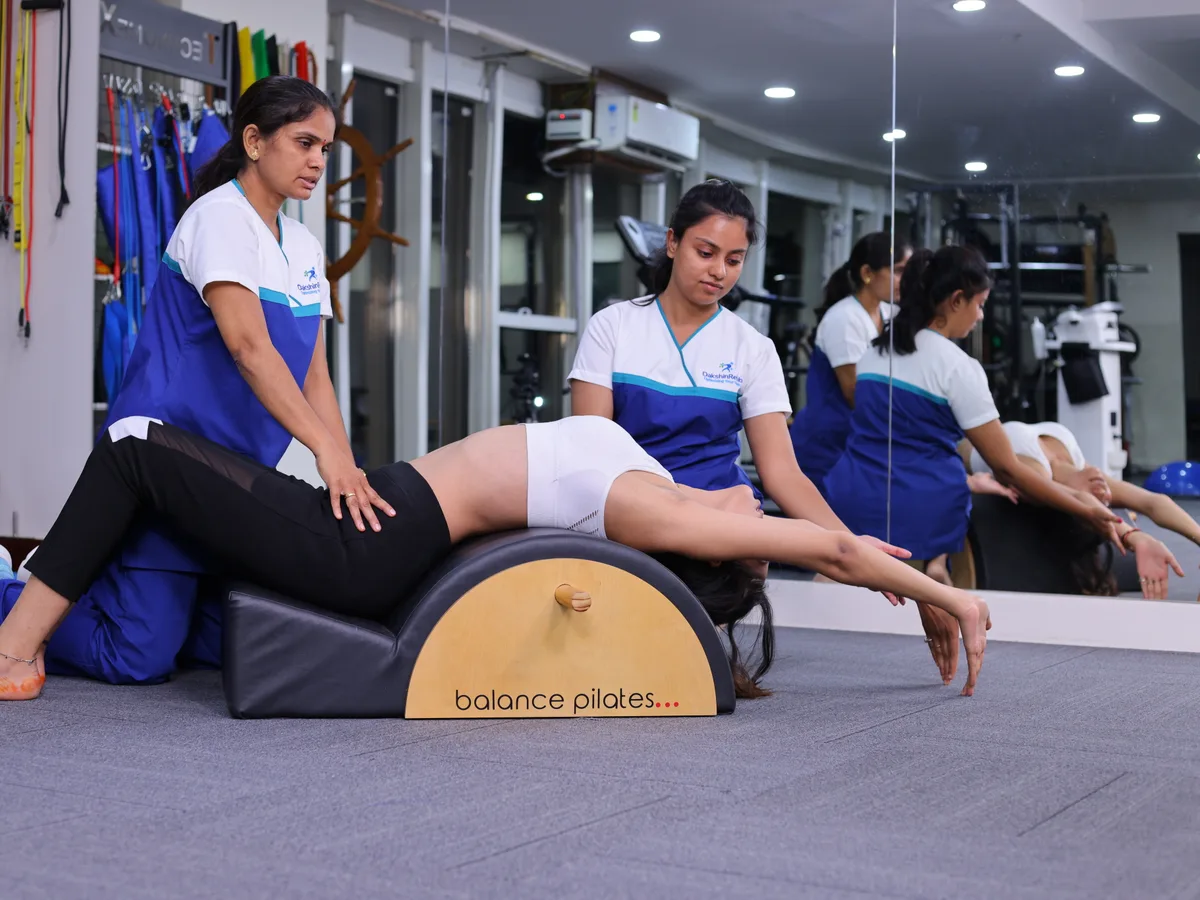
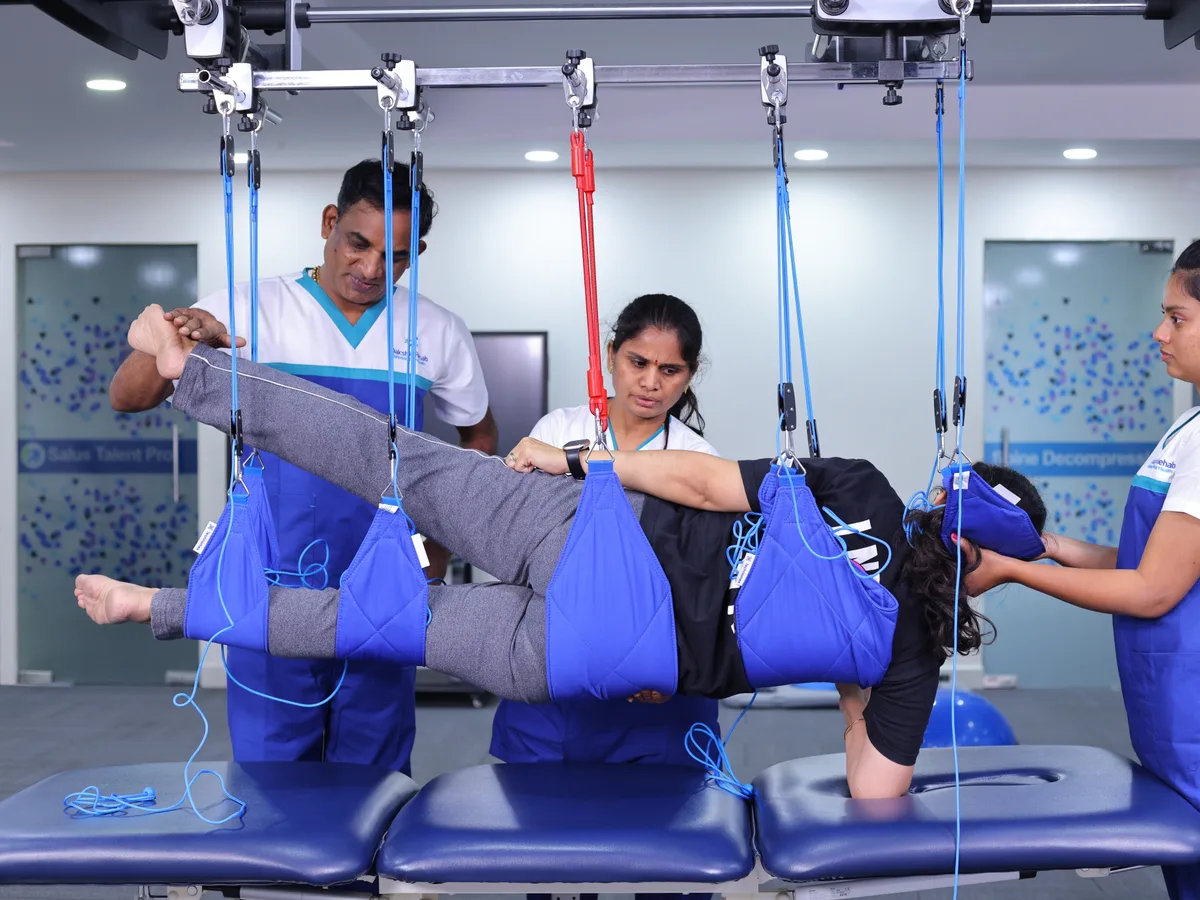
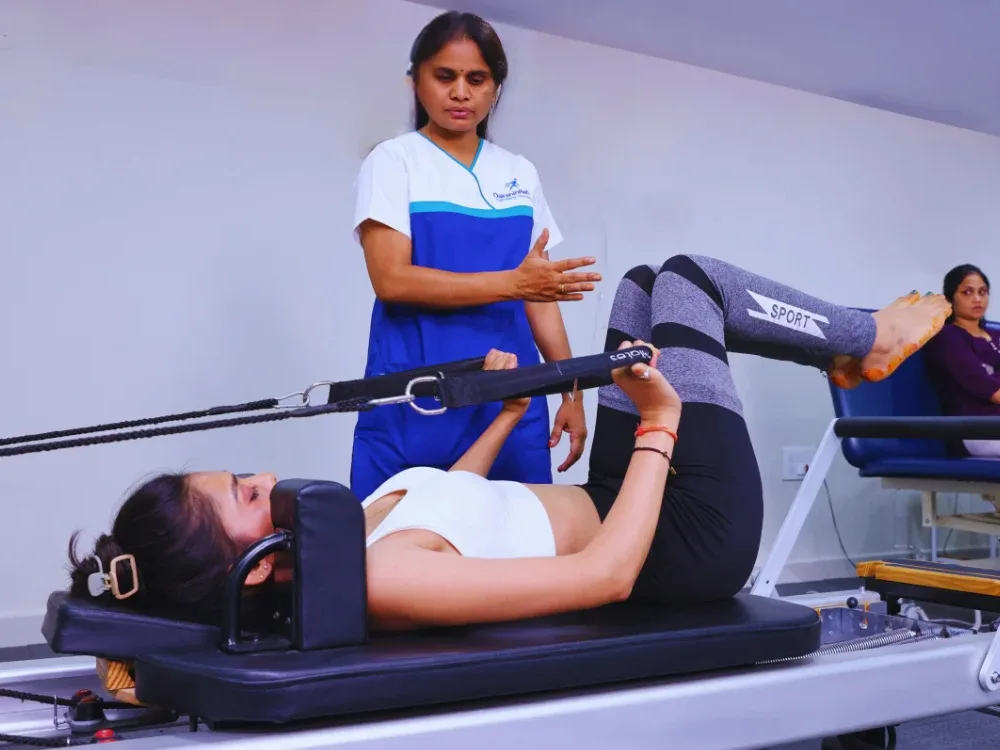
Clinical Reformer and Levitas suspension work integrate your pelvic floor with the deep core — first gravity-assisted, then under real-world load.
Clinical comparison
Measured Recovery vs. Guesswork
Your pelvic floor activity is measured in microvolts on sEMG biofeedback — so we can prove an overactive muscle has truly relaxed and a weak one has genuinely strengthened. Every session updates your numbers; you graduate when the data says you are ready, not when a session package runs out.
Insight 1
Data-Verified Graduation
88% of patients avoid surgery or long-term medication — and discharge is earned with objective numbers: relaxed resting tone, strong contraction, confirmed on screen.
Insight 2
Local & Accessible
Located in Moosapet, Hyderabad — serving Kukatpally, KPHB, Miyapur, and Gachibowli.
“The pelvic floor is the only muscle group patients are asked to train without ever seeing it work. Biofeedback changes that — the moment patients watch their own muscle respond on screen, recovery stops being abstract.”
Thousands of involuntary contractions reset muscle tone
BOA Max 2 pressotherapy clears deep pelvic congestion
Sitting, sleep, fluid and bladder-habit coaching
40-50% reduction in leakage and pain episodes for most patients
WEEKS 4-8
See Your Muscles Learn(2 sessions/week)
NeuroTrac sEMG biofeedback — watch your pelvic floor respond on screen
Train precise contraction, hold and full relaxation
Clinical Reformer work builds deep core support without joint strain
Functional tasks — cough, squat, lift — with muscle activation
Reliable, conscious control over contraction and release
WEEKS 9-12
Real-World Integration(1-2 sessions/week)
Levitas suspension training synchronises pelvic floor, deep abdominals and back
Progressive impact training — jumping, running, lifting
Intimacy readiness coaching, if relevant to your goals
Confidence to cough, lift, run and travel without fear
GRADUATION
Data-Verified Discharge & Maintenance(Month 3+)
Final sEMG re-test confirms relaxed resting tone and strong contraction
Personalised home programme to protect your gains
Optional check-ins, pregnancy or surgery preparation if needed
Discharged on objective numbers, with a plan to stay well
Safety First
Who Should Not Use Magnetic Pelvic Therapy
The 3-Tesla chair and pressotherapy are non-invasive and well tolerated, but strong magnetic fields and compression therapy are not suitable for everyone. Tell us about any of the following during your assessment — in most cases we can adapt your programme using biofeedback and exercise-based methods instead.
Bring a list of implants, devices and surgeries to your first visit
Tell us if you are, or may be, pregnant
Mention any cancer history in the pelvic or abdominal region
Disclose blood-clotting disorders or current anticoagulant use
Clinical clearance
Medical History
Tell us about major illness, hospitalisation, surgery, blood pressure, kidney concerns, or swelling changes.
Skin allergy, wounds, infection, reduced sensation, fragile skin, severe anxiety, or difficulty tolerating devices can change how treatment is delivered.
Reviewed by Dr. Swapnagandhi, Human Movement Specialist, Physiotherapist · July 2026. If magnetic therapy is not suitable for you, your programme is built around sEMG biofeedback, Reformer and suspension-based training — the assessment and outcome tracking stay exactly the same.
When to Act Fast
Pelvic Symptoms That Need a Doctor Before Physiotherapy
Physiotherapy is the right treatment for most pelvic floor dysfunction — but a small number of symptoms need urgent medical evaluation first. If any of these apply, see your doctor or an emergency department today, then visit DakshinRehab in Moosapet once you are cleared.
Complete Urinary Retention — unable to pass urine despite urgency; needs emergency care, not rehabilitation.
Saddle Numbness with Bladder or Bowel Changes — possible cauda equina compression; go to hospital today.
Fever or Chills with Pelvic Pain — may indicate acute infection, pelvic inflammatory disease or abscess.
Blood in Urine, Semen or Stool — requires urological or gastroenterological investigation first.
Sudden or Severe Prolapse — organs bulging with tissue ulceration or bleeding needs surgical review before strengthening.
Bowel/Bladder Changes After Trauma — after a fall or accident, especially with numbness, rule out structural injury.
Pelvic floor dysfunction rarely exists in isolation. If your symptoms cross into any of these areas, we treat the full picture under one roof at DakshinRehab Moosapet.
Every device in the pelvic health pathway has a specific job — calming, activating, measuring or integrating your pelvic floor. Explore how each one works.
“Every treatment page should help patients understand what is safe, what is urgent, and what care path fits their condition. Clinical review keeps that advice practical and trustworthy.”
The clinical content on this page is written and independently reviewed by qualified physiotherapists at DakshinRehab, Moosapet, Hyderabad.
Pelvic Health FAQs
Your Most Private Questions, Answered with Respect
Honest, compassionate answers from the pelvic health specialists at DakshinRehab Moosapet — including the questions patients often feel too embarrassed to ask.
Why hasn't my pelvic pain responded to antibiotics or prostate treatment?
Because in many cases the cause is not an infection. Chronic pelvic pain syndrome (CPPS) is usually driven by an overactive pelvic floor — muscles locked in a permanent, painful cramp that squeezes nearby nerves and blood vessels. Antibiotics cannot release a muscle spasm. At DakshinRehab Moosapet, we map these overactive muscles with sEMG biofeedback and use deep magnetic stimulation to break the spasm loop and restore normal, pain-free relaxation.
Do I have to undress or have an internal examination?
How can sitting on a chair stop urine leakage after prostate surgery?
Can I do pelvic floor rehab during or after pregnancy?
How do you actually measure whether my pelvic floor is improving?
How long until I stop leaking or the pain settles?
What does the programme cost, and is it covered by insurance?
Where is the clinic, and is the consultation private?