Step 1
Identify the Silent Muscle
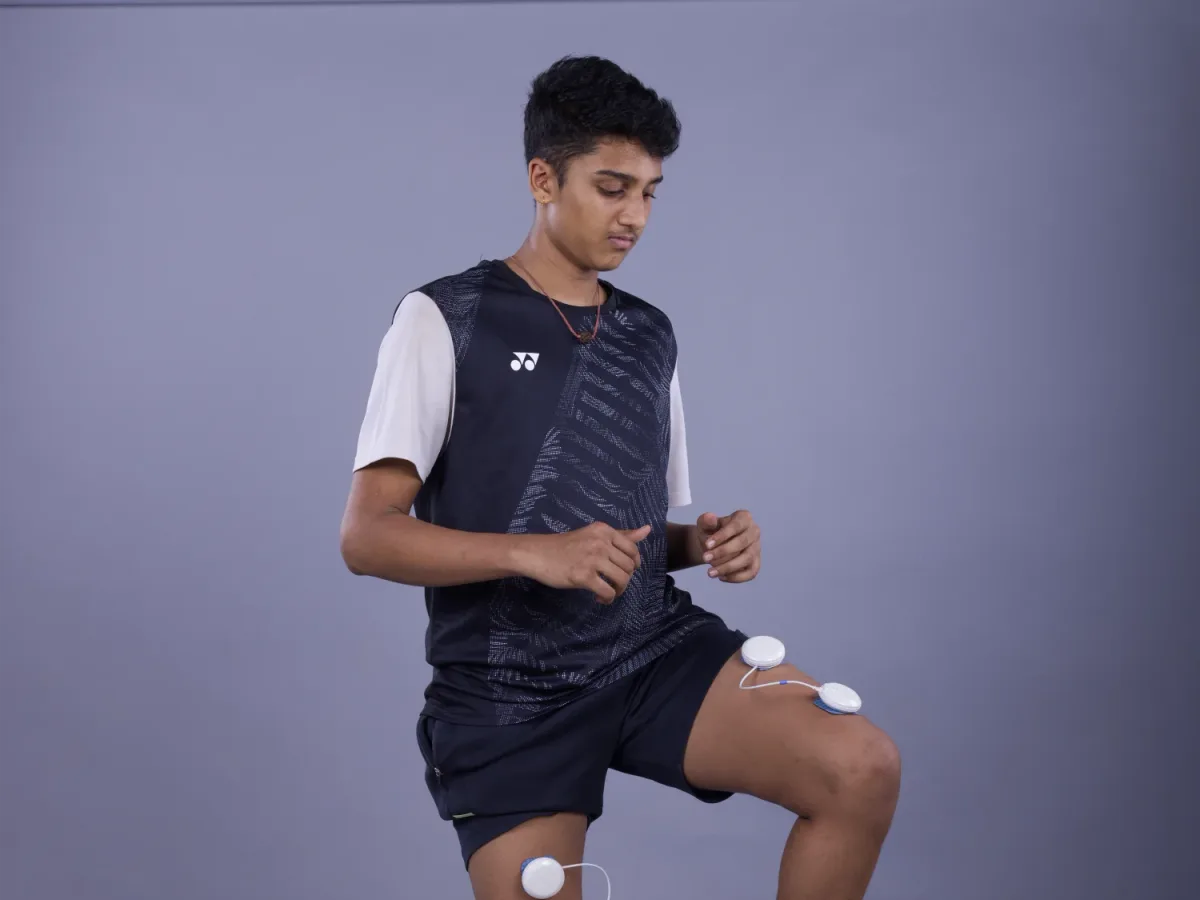
We test voluntary contraction, timing and movement quality to confirm whether the quadriceps, rotator cuff or another muscle needs stimulation support.
When pain or injury causes a muscle to shut down, even the best exercises can fall flat. At DakshinRehab in Moosapet, Hyderabad, we use the Chattanooga Wireless Professional — a wireless TENS, NMES and FES unit whose Mi-Scan calibration reads how your muscle actually responds and sets the stimulation to it, rather than applying fixed settings by landmark. We use it for knee work (ACL reconstruction, strengthening after knee replacement, osteoarthritis), shoulder rehabilitation (impingement, rotator cuff), and with athletes rebuilding strength and endurance. It works alongside active exercise and movement practice. Serving Kukatpally, KPHB, Miyapur & Gachibowli.
Personalised, technology-driven rehabilitation in Moosapet, Hyderabad.
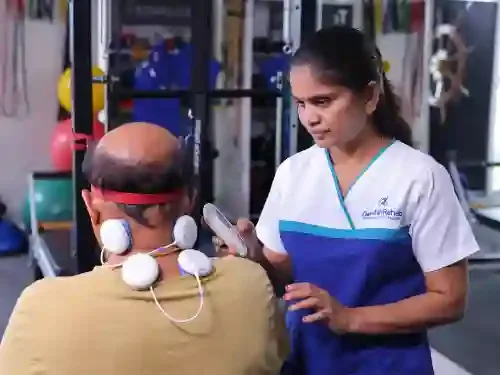
We confirm which muscle is inhibited — often the quadriceps after knee surgery or the rotator cuff in a stiff shoulder — then stimulate it while you exercise. The device prompts the contraction; your effort does the rest.
Many feel the muscle "wake up" within a few sessions, but lasting strength comes from weeks of exercise. We taper the stimulation as your own control returns — the device is a bridge, not the destination.
We test voluntary contraction, timing and movement quality to confirm whether the quadriceps, rotator cuff or another muscle needs stimulation support.
TENS, NMES or FES is selected based on the goal: pain control, muscle activation or stimulation timed with a functional movement.
As the muscle fires more reliably, stimulation is reduced and the programme shifts toward strength, gait, stairs or sport-specific loading.
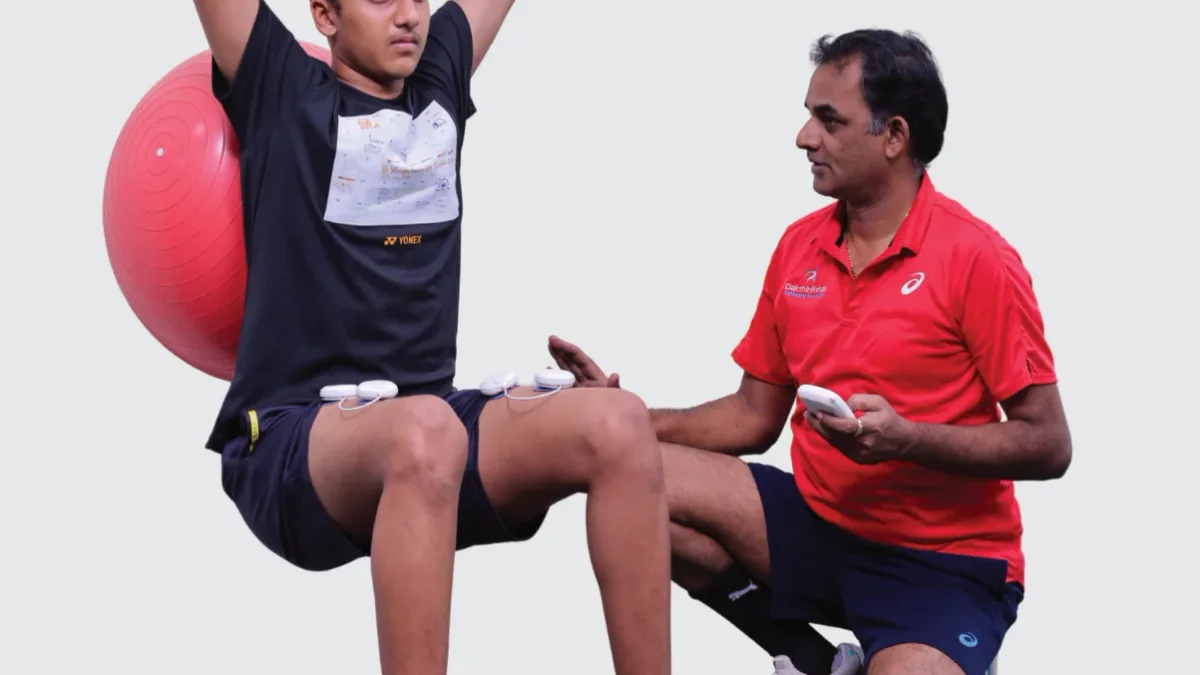
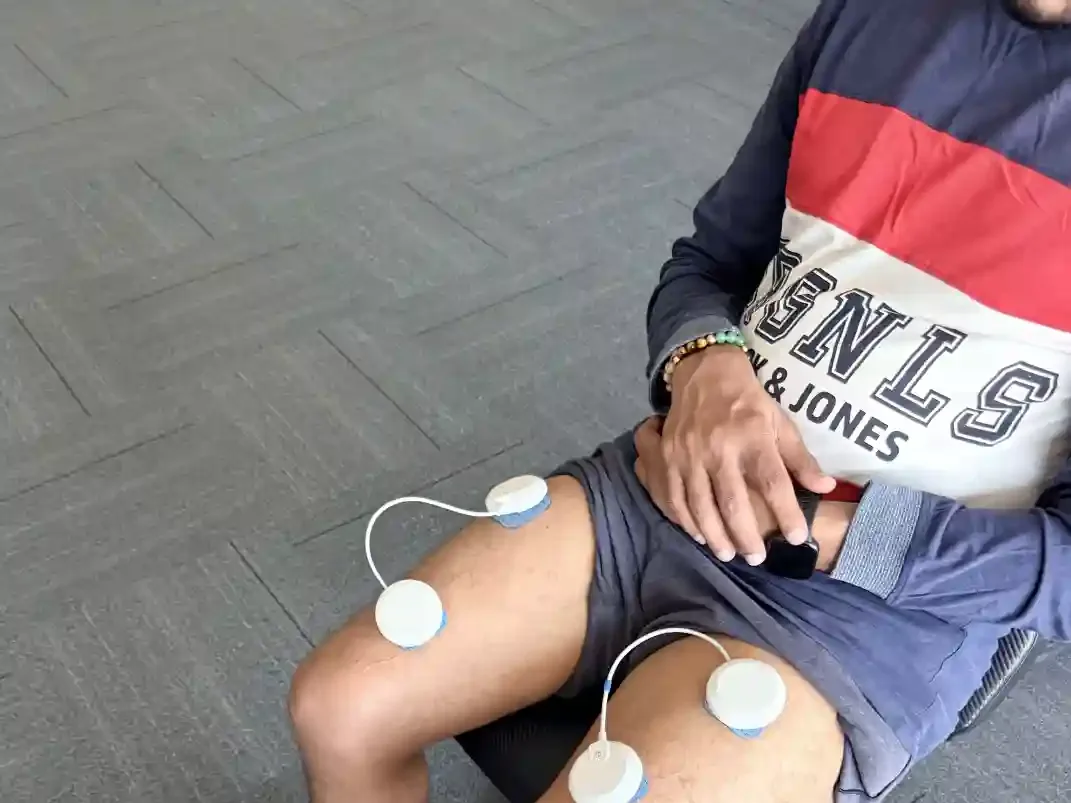
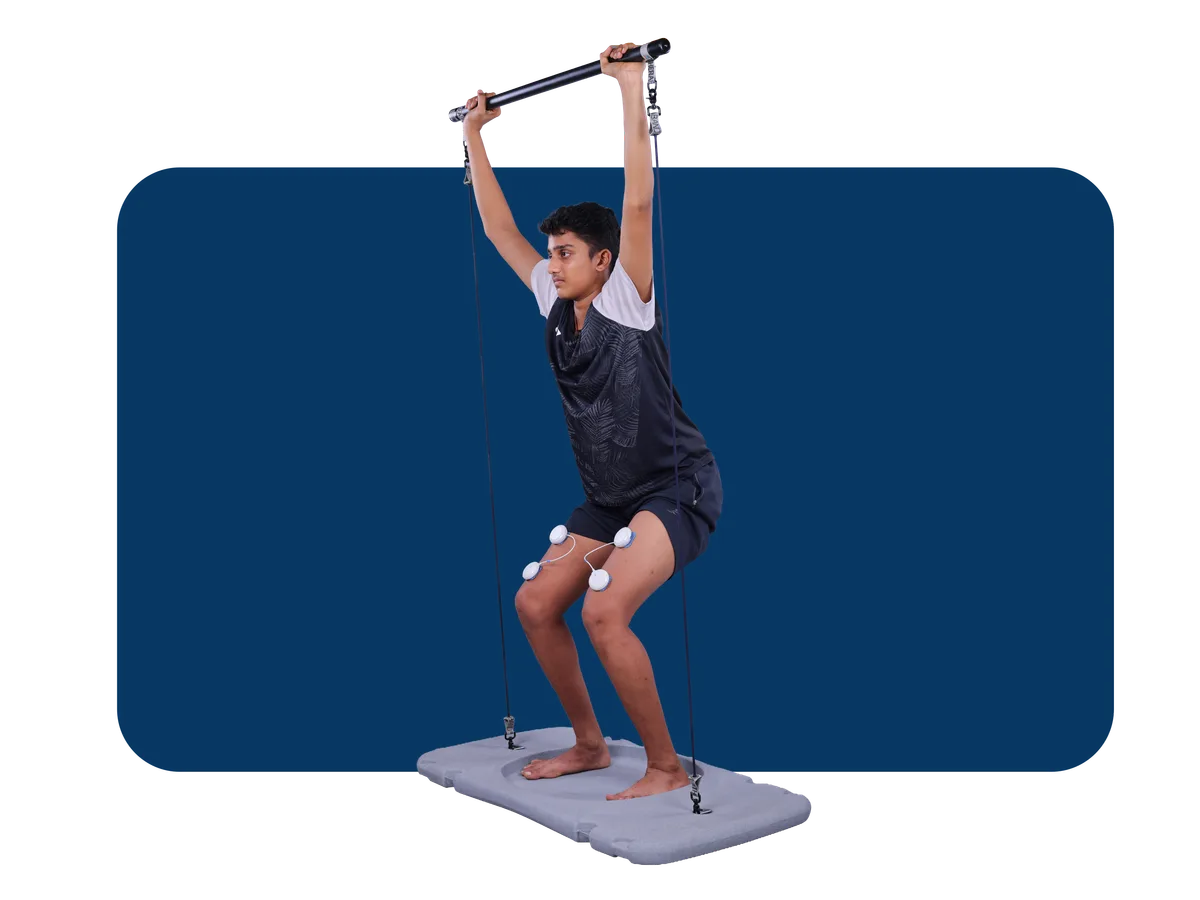
Related conditionAfter an ACL tear or reconstruction the quadriceps — especially the VMO — often loses the ability to contract fully. NMES is applied to the quadriceps while you perform knee extension and mini-squats, helping recruit motor units voluntary effort cannot yet reach, which can slow muscle loss while the graft heals.
 Related condition
After total knee replacement, the incision and post-operative pain inhibit quadriceps activation. NMES, combined with early mobilisation, supports re-activation and gait retraining. We never start without surgical clearance.
FES is a powerful tool for anyone whose muscles need re-education, strengthening, or functional support. Our team assesses every candidate for safety and suitability.
If you have foot drop, hemiplegic gait, or muscle weakness after stroke, FES retrains movement patterns while preventing disuse atrophy. Best started within 3–6 months post-stroke.
After ACL reconstruction or knee surgery, the quadriceps often shuts down (arthrogenic muscle inhibition). NMES recruits these muscles when voluntary contraction is impossible.
Wireless freedom lets athletes perform sport-specific movements while receiving stimulation — bridging the gap between rehab and return-to-play faster than bed-based recovery.
Bedridden patients, immobilized limbs, or post-surgical cases where loading is restricted benefit from NMES to maintain muscle mass and circulation.
The device delivers impulses through electrodes placed over the target muscle. NMES bypasses the inhibited neural pathway and triggers the motor neurons directly, so the muscle contracts even when voluntary effort cannot yet reach it. Because the unit is wireless, you can move during stimulation — which more closely mirrors everyday activity and supports motor learning.
A comfortable tingling sensation that can reduce pain signals travelling to the brain. Often used in the early phase after injury or surgery to make corrective exercise easier.
Impulses that trigger a visible muscle contraction, helping re-activate muscles that have lost their connection to the nervous system — such as an inhibited quadriceps or rotator cuff.
 DakshinRehab clinical pathway
Similar to NMES, but timed to support a specific movement, such as activating the quadriceps during the stance phase of walking to improve gait symmetry.
Our team sets pulse width, frequency, intensity and duty cycle based on your condition, pain level and goals. Wrong settings or electrode placement can be ineffective or uncomfortable.
Clinical comparison
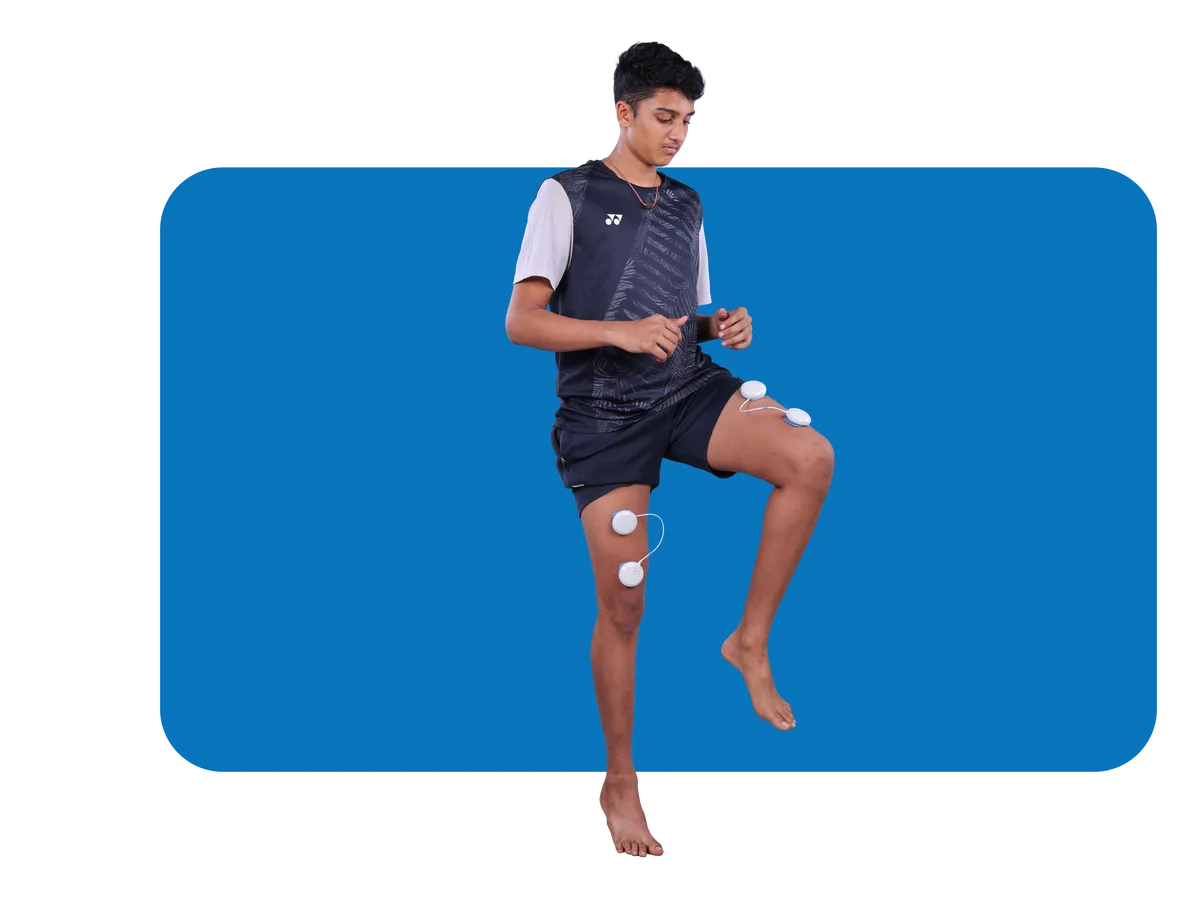
Wired stimulators keep you in one place while a preset programme runs. Removing the cable changes that. You can wear the electrodes under clothing and move freely — walk, squat, step, perform your rehab exercises — while the stimulation is active. Pairing stimulation with real movement more closely mirrors everyday activity and supports motor learning in a way passive stimulation alone does not. The unit is compact and rechargeable. None of these modes are standalone treatments — the device supports a hands-on, exercise-based programme designed by your physiotherapist, explained in our guide on why the quad switches off after knee injury (/blog/quad-muscle-inhibition-wireless-nmes-knee-rehab).
Quadriceps and VMO re-activation after ACL reconstruction, total knee replacement and in early-grade knee osteoarthritis, applied while you perform knee extension and mini-squats.
Rotator cuff activation over the supraspinatus or infraspinatus, plus scapular re-patterning of the lower trapezius and serratus anterior to support better scapular position in impingement.
“The device is a bridge, not a destination. It helps re-activate the muscle — lasting strength comes from the active programme we build around it.”
A Wireless Professional Session at DakshinRehab
Clear picture of whether stimulation is appropriate
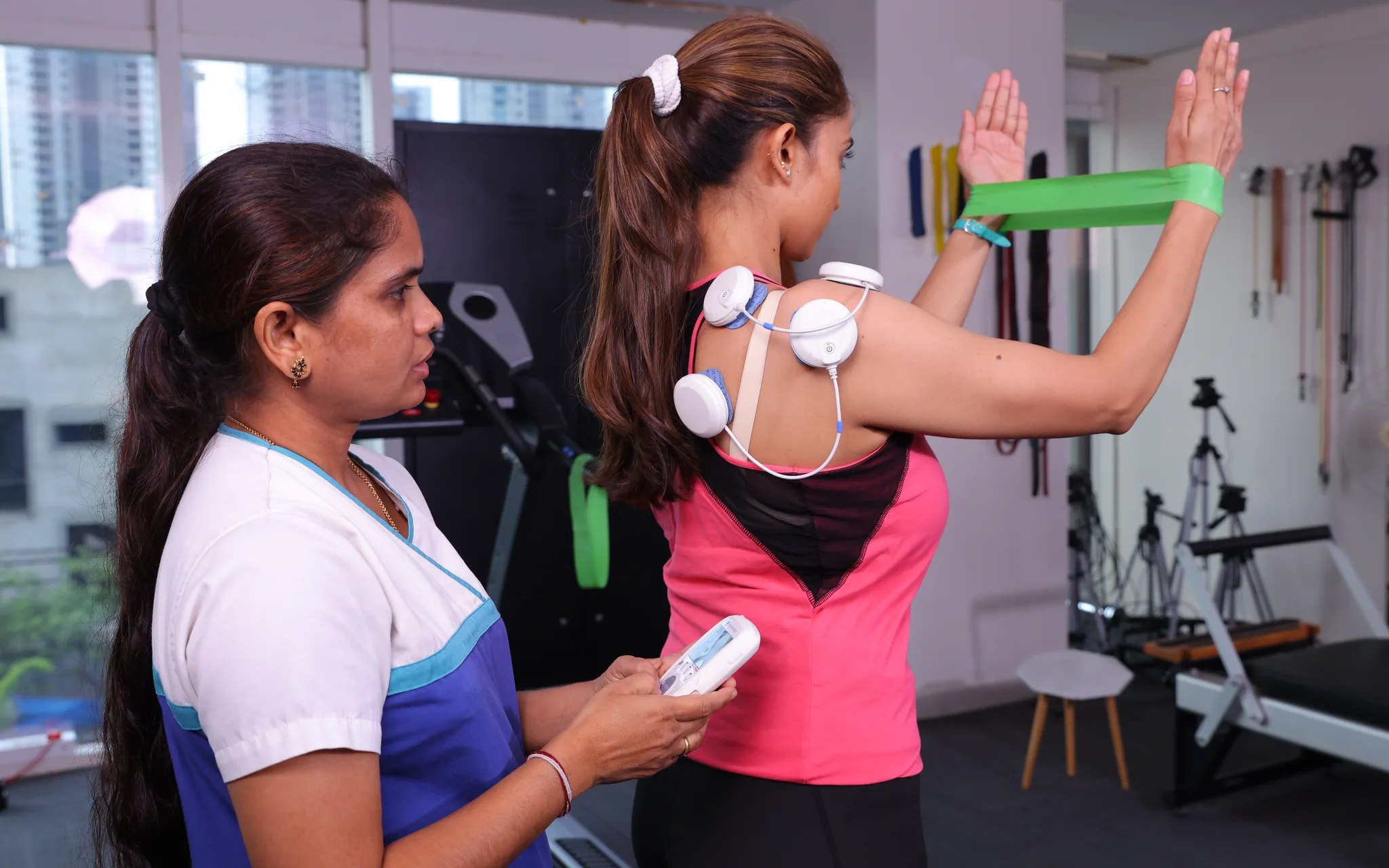
Personalised, comfortable settings
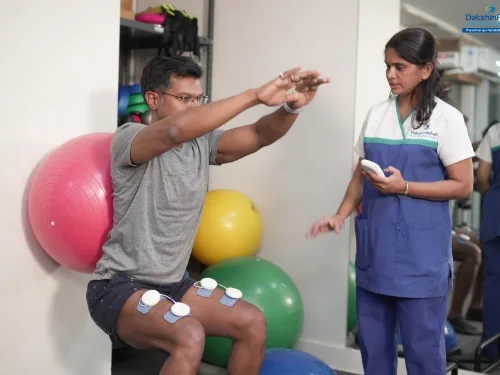
Stimulation paired with real movement
Safe, independent home programme
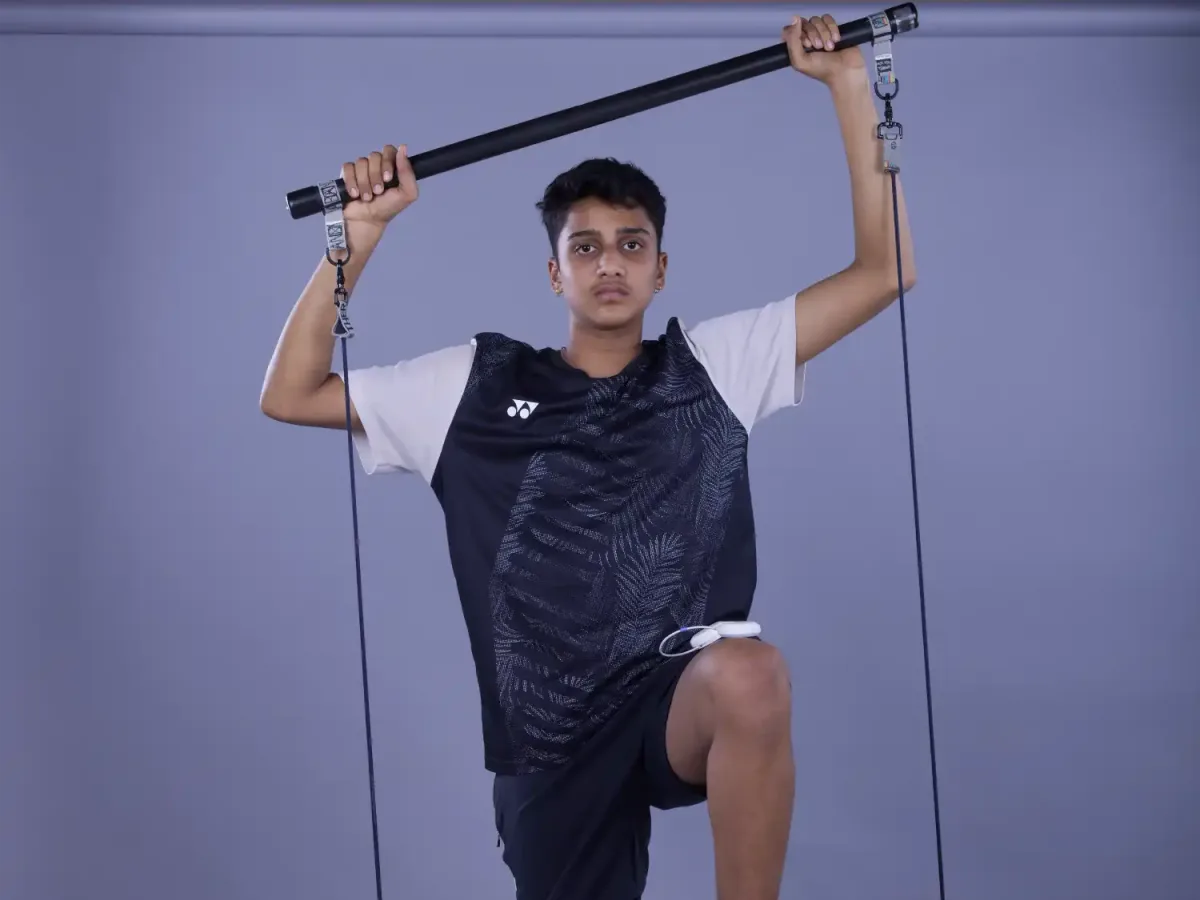
A clear path off the device
Chattanooga Wireless Professional with Mi-Scan — the unit reads how your muscle actually responds and calibrates the stimulation to it, then lets you keep moving while it works
No cables means unrestricted movement. Walk, run, squat, and reach while receiving stimulation — bridging the gap between clinic and real life.
Auto-calibration ensures every patient gets personalized, optimal stimulation parameters — not one-size-fits-all presets.
Active movement + stimulation engages motor learning circuits in the brain, producing lasting functional improvements.
FES, NMES, and TENS on 4 independent channels. Treat pain, strengthen muscle, and retrain gait simultaneously.
Built-in clinical programs for neurology, ACL rehab, pain relief, vascular conditioning, and sports performance.
Patients typically show measurable strength and gait improvements within 2–4 weeks of consistent FES training.
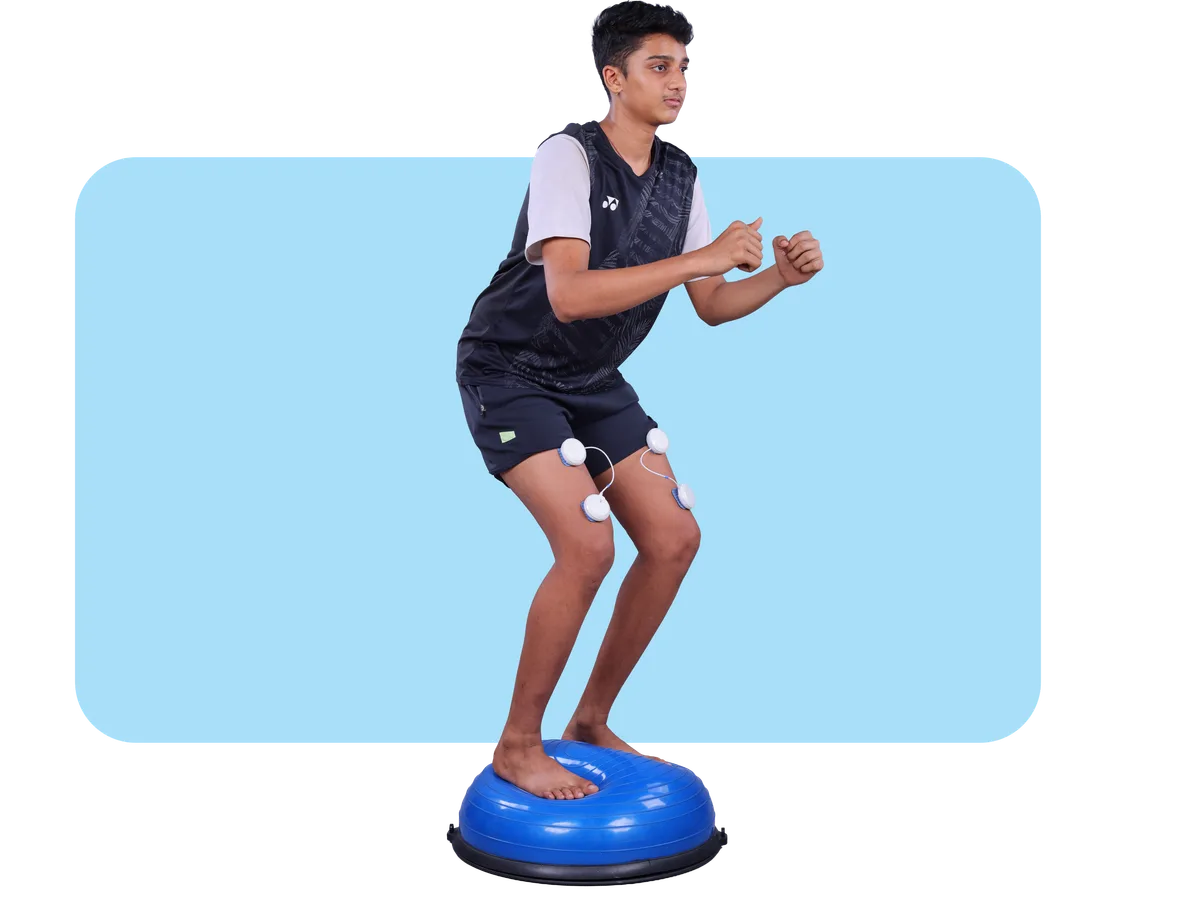
Our physiotherapists check your medical history and device-specific precautions before FES, then explain whether stimulation is suitable for your rehabilitation plan.
Cardiac pacemakers, ICDs, or implanted electrical devices
Epilepsy or seizure disorders
Active cancer or malignancy in the treatment area
Pregnancy (especially over abdomen/pelvis)
Acute injury with active bleeding or hemorrhage
Thrombosis or blood clot in the treatment limb
Infection or open wounds at electrode sites
Lower motor neuron lesions with denervated muscle (relative)
Find DakshinRehab on Google Maps to read reviews shared by patients.
Clear answers about TENS, NMES and FES, how the device fits a rehab programme, and when it is and is not appropriate at DakshinRehab Moosapet.
Still have questions?
Our expert physiotherapists and rehabilitation specialists at DakshinRehab bring decades of combined experience to your recovery.
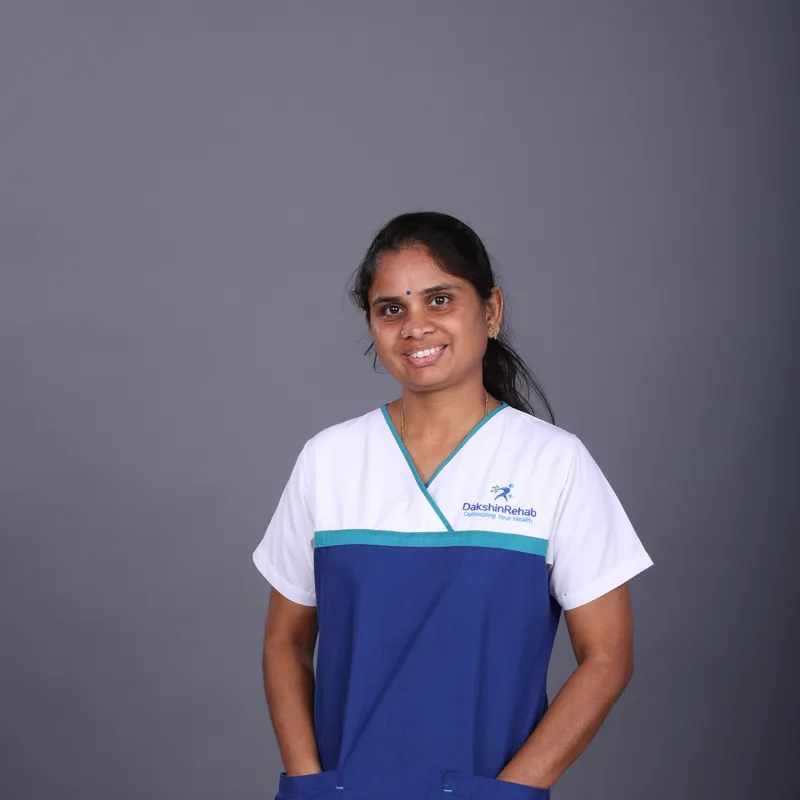
BPT, MPT, IAP Registered
Director, Human Movement Specialist, Physiotherapist
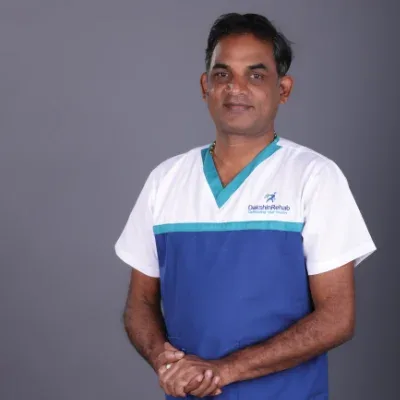
CPO
Consultant Rehabilitation Specialist, CPO | Founder, DakshinRehab
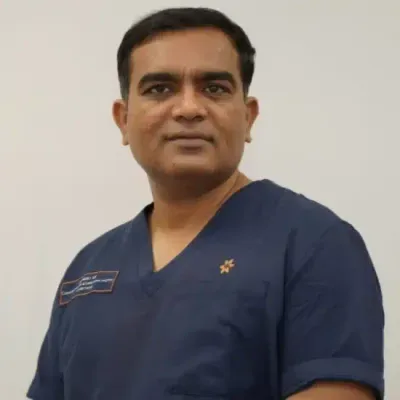
MS (General Surgery), DNB (Vascular Surgery)
Sr. Consultant Vascular & Endovascular Surgeon | Diabetic Foot & Wound Care
Learn more about this condition and treatment options from our expert team.
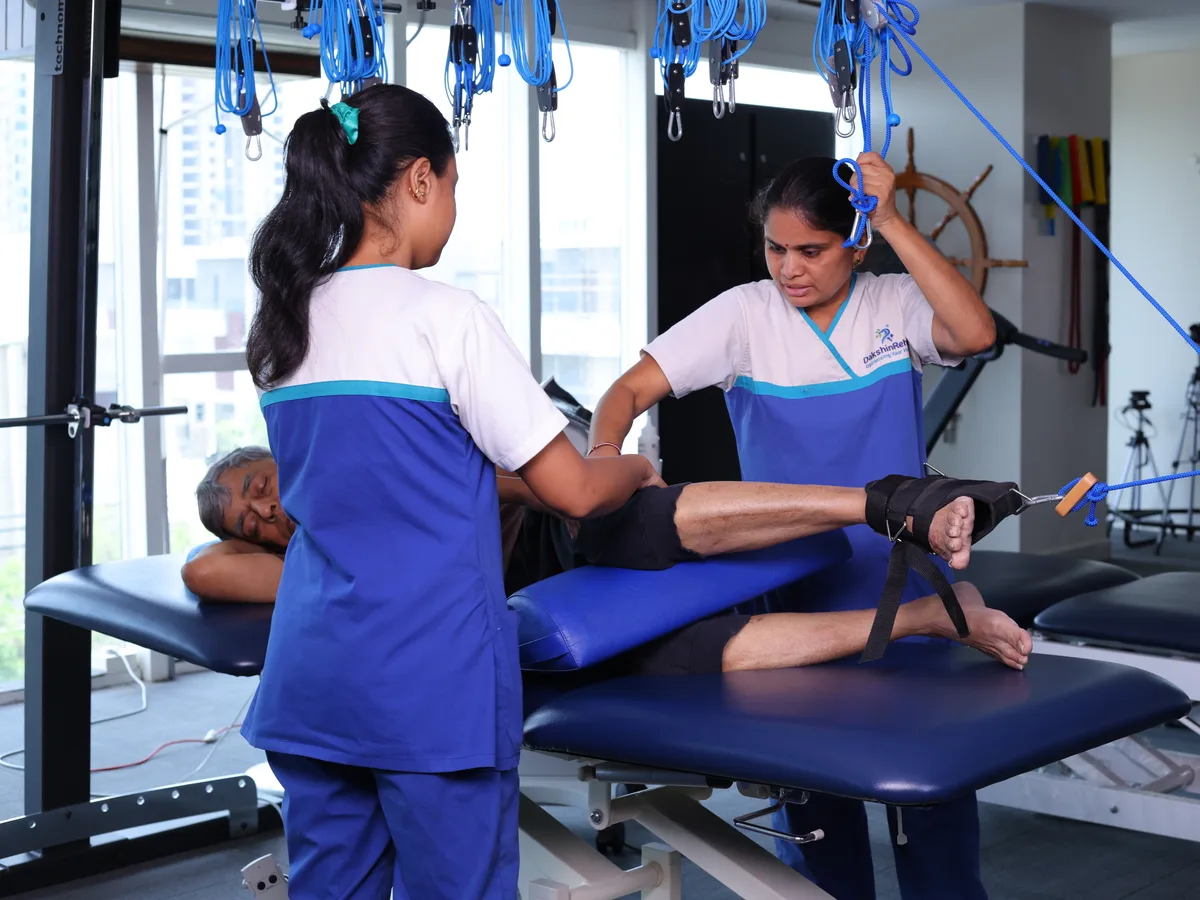 Joint Care
July 3, 2026
How long does recovery after total knee replacement really take, and why does physiotherapy decide the outcome? A week-by-week guide to the recovery timeline, the technology that reverses muscle inhibition, and the warning signs to watch — from DakshinRehab Moosapet, Hyderabad.
Read MoreKnee PainJune 12, 2026
Why your quadriceps stops contracting properly after a knee injury or surgery — arthrogenic muscle inhibition — and how clinician-led wireless NMES at DakshinRehab Moosapet supports quadriceps re-activation within a full rehab programme.
Read More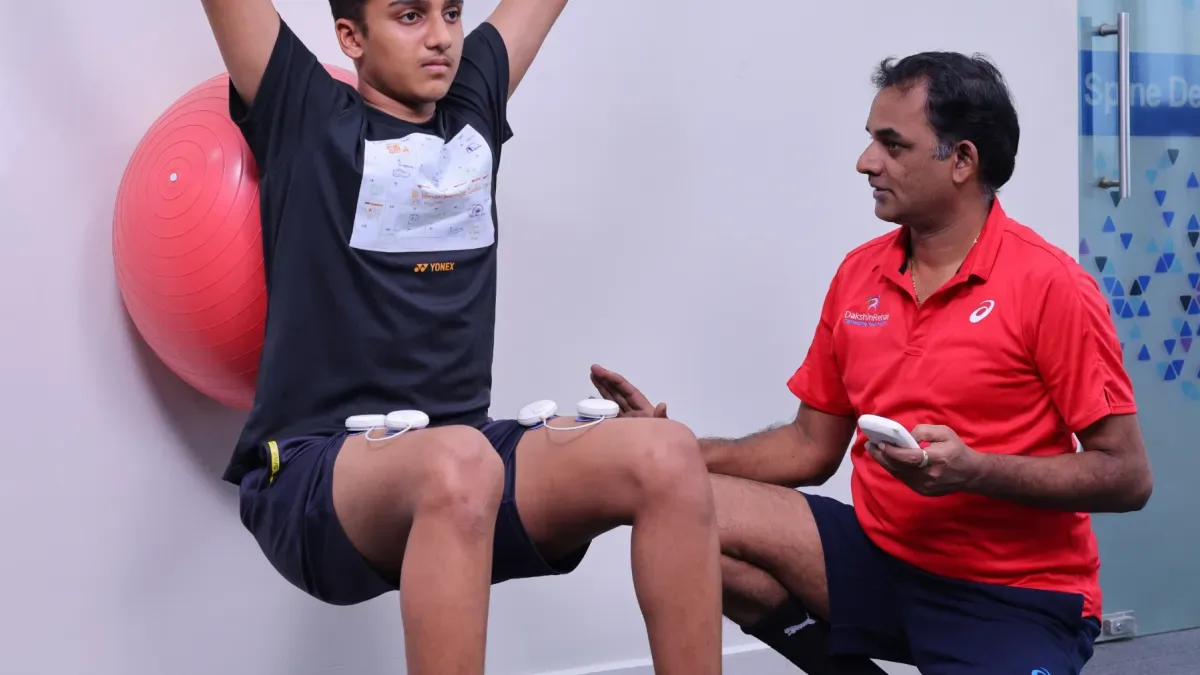 Sports Injuries
March 10, 2024
Why most ACL re-injuries happen because patients return to sport too early — and how DakshinRehab Moosapet uses 9 to 12 month criterion-based protocols, EMG biofeedback, Redcord Neurac and limb symmetry testing to get cricketers, footballers and weekend athletes back to sport without the second tear.
Read More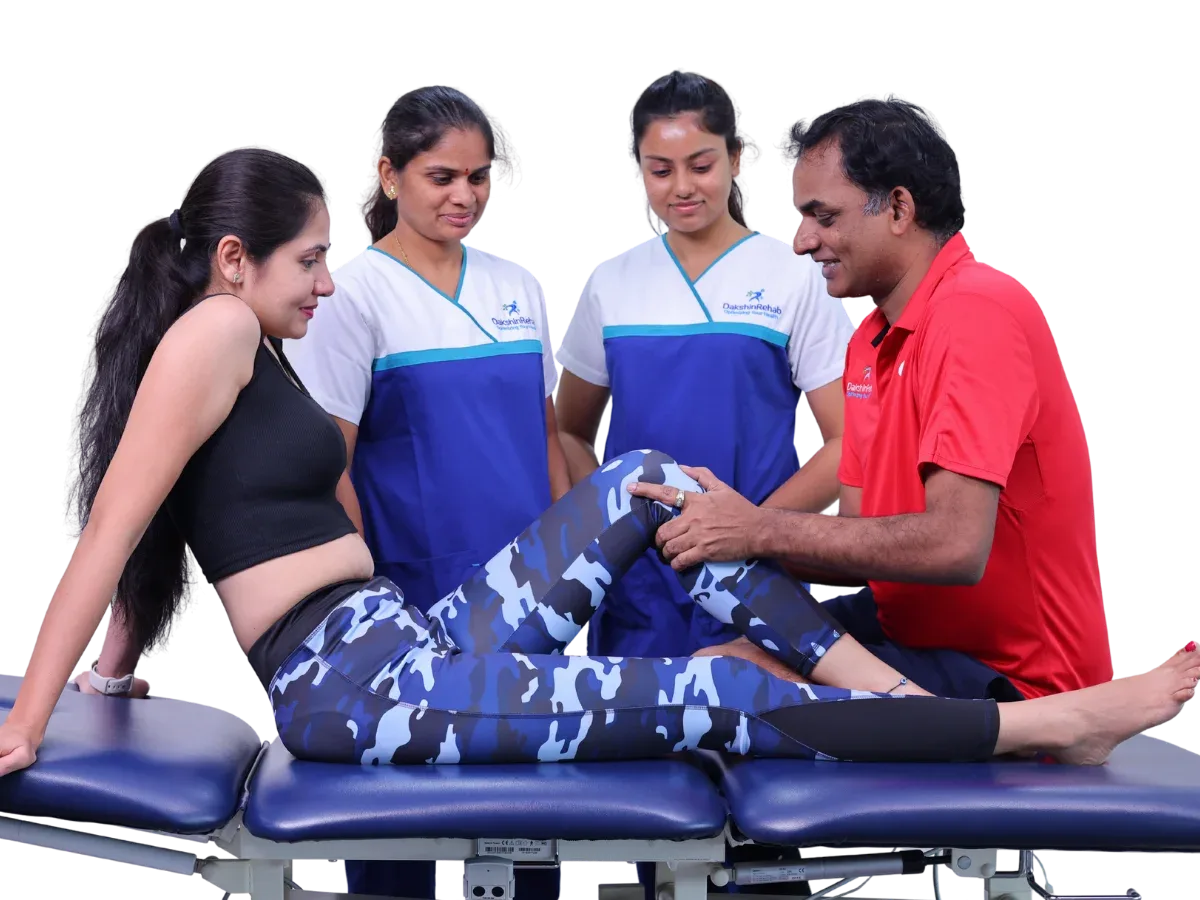
Your next step
We have treated approximately 20,000 patients. Your initial assessment is free only when you book an appointment online and attend your confirmed time slot. Treatment charges are explained before treatment begins.
Book an AppointmentHow clinical-grade functional electrical stimulation compares to conventional recovery approaches
Rest alone leads to muscle atrophy, joint stiffness, and delayed recovery. FES keeps muscles active and circulation flowing even when you cannot move voluntarily — preventing the downward spiral of deconditioning.
Learn MoreTraditional wired units tether patients to a machine, limiting movement to passive contractions. Wireless Pro enables functional training — walking, squatting, reaching — which engages neuroplasticity and produces real-world carryover.
Learn MoreExercise therapy is essential, but when muscles are inhibited by pain or nerve damage, they cannot generate enough force to adapt. FES provides the missing contraction, making every rep count from day one.
Learn More