
Spinal Curvature
Lordosis & Kyphosis
Measures cervical lordosis, thoracic kyphosis, and lumbar lordosis — comparing to age-matched norms to identify excessive or reduced curves.
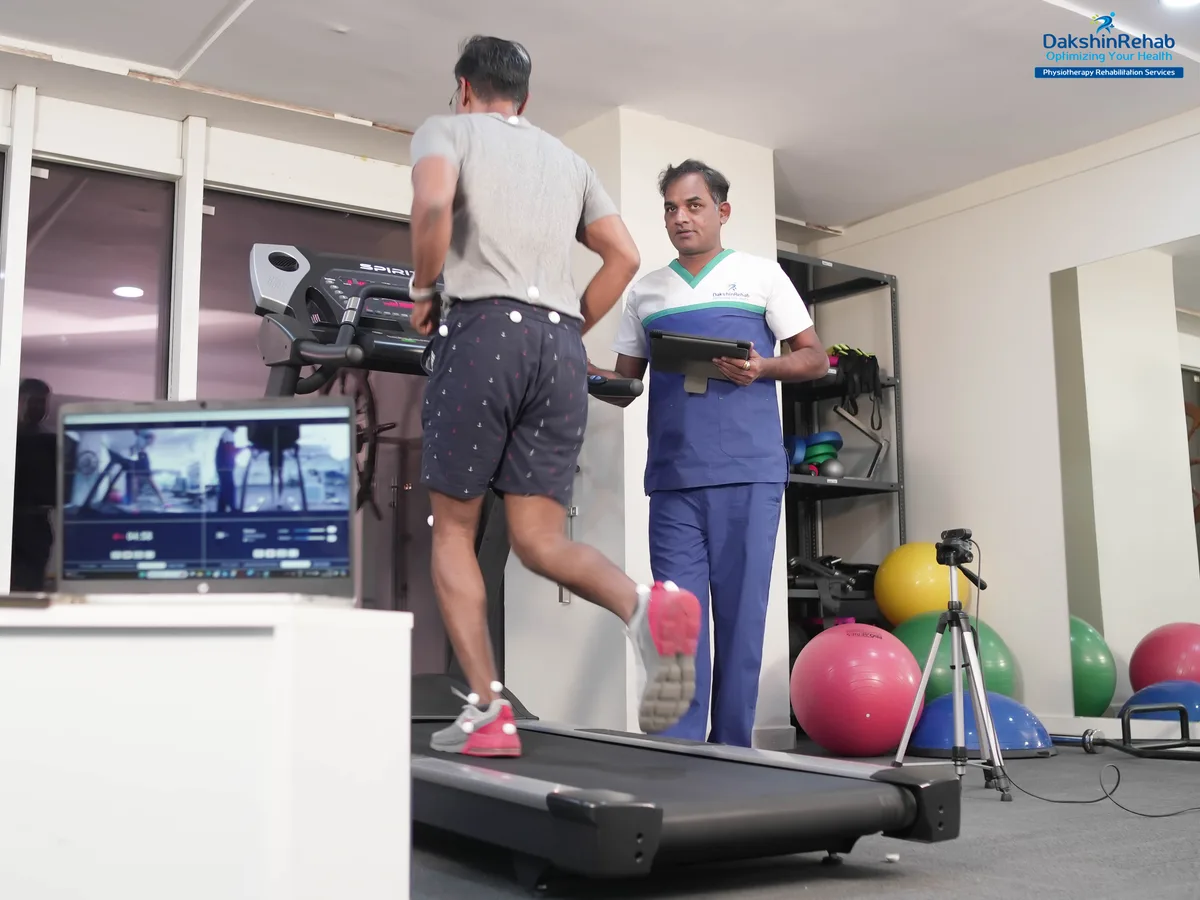
Our Computerized 3D Posture Analysis digitally maps key anatomical landmarks to quantify spinal curvature, pelvic tilt, forward head posture, and scapular position with millimeter precision. Poor posture is often the hidden root cause of chronic neck pain, headaches, back fatigue, and even breathing dysfunction. This technology transforms vague "sit up straight" advice into a data-driven corrective program.
Personalised, technology-driven rehabilitation in Moosapet, Hyderabad.
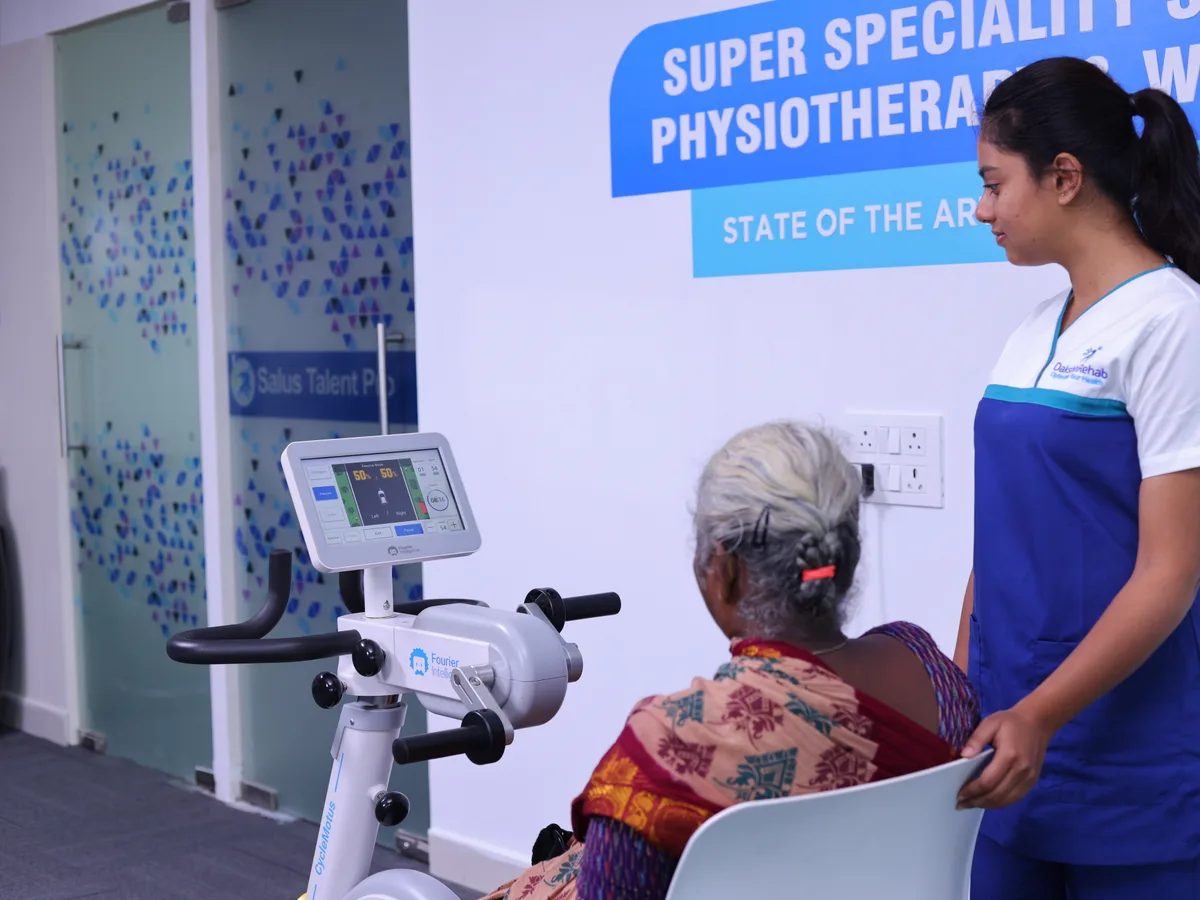
Measures cervical lordosis, thoracic kyphosis, and lumbar lordosis — comparing to age-matched norms to identify excessive or reduced curves.
Detects pelvic orientation deviations that compress lumbar discs, inhibit glutes, and alter lower extremity mechanics.
Measures cervical lordosis, thoracic kyphosis, and lumbar lordosis — comparing to age-matched norms to identify excessive or reduced curves.
Detects pelvic orientation deviations that compress lumbar discs, inhibit glutes, and alter lower extremity mechanics.
Identifies shoulder blade deviations that contribute to impingement, neck tension, and rotator cuff dysfunction.
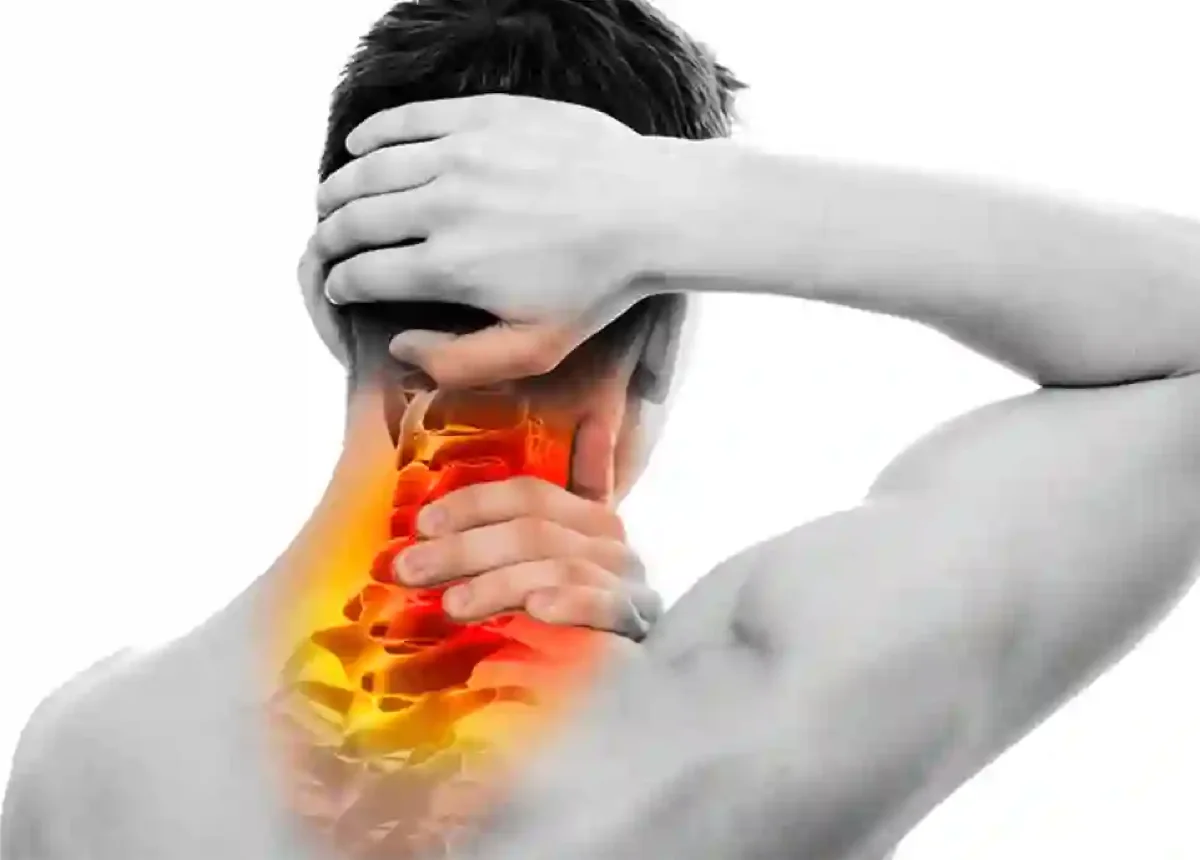 Related condition
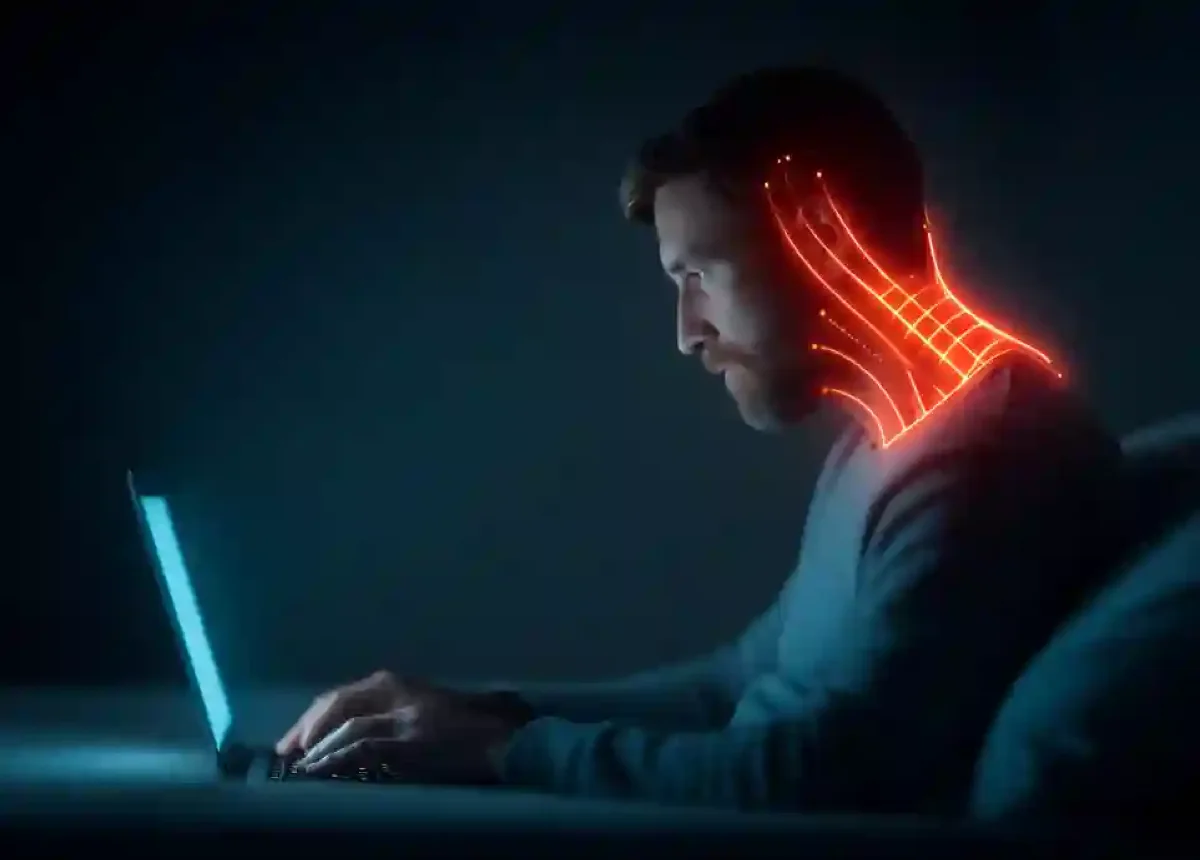
Forward head posture and rounded shoulders increase neck muscle load and compress occipital nerves — a primary cause of tension headaches.
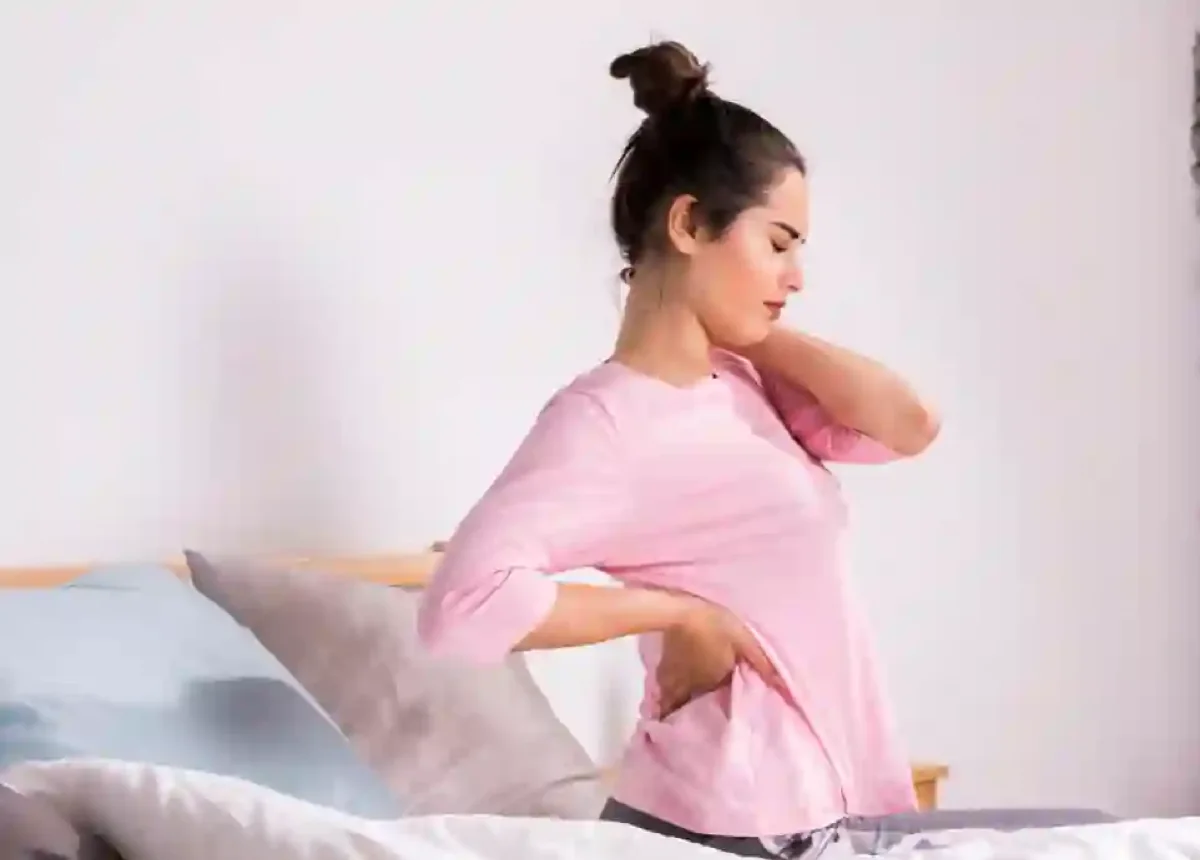 Related condition
Anterior pelvic tilt and excessive lumbar lordosis compress discs and inhibit core stability. 3D analysis quantifies these deviations precisely.
 Related condition
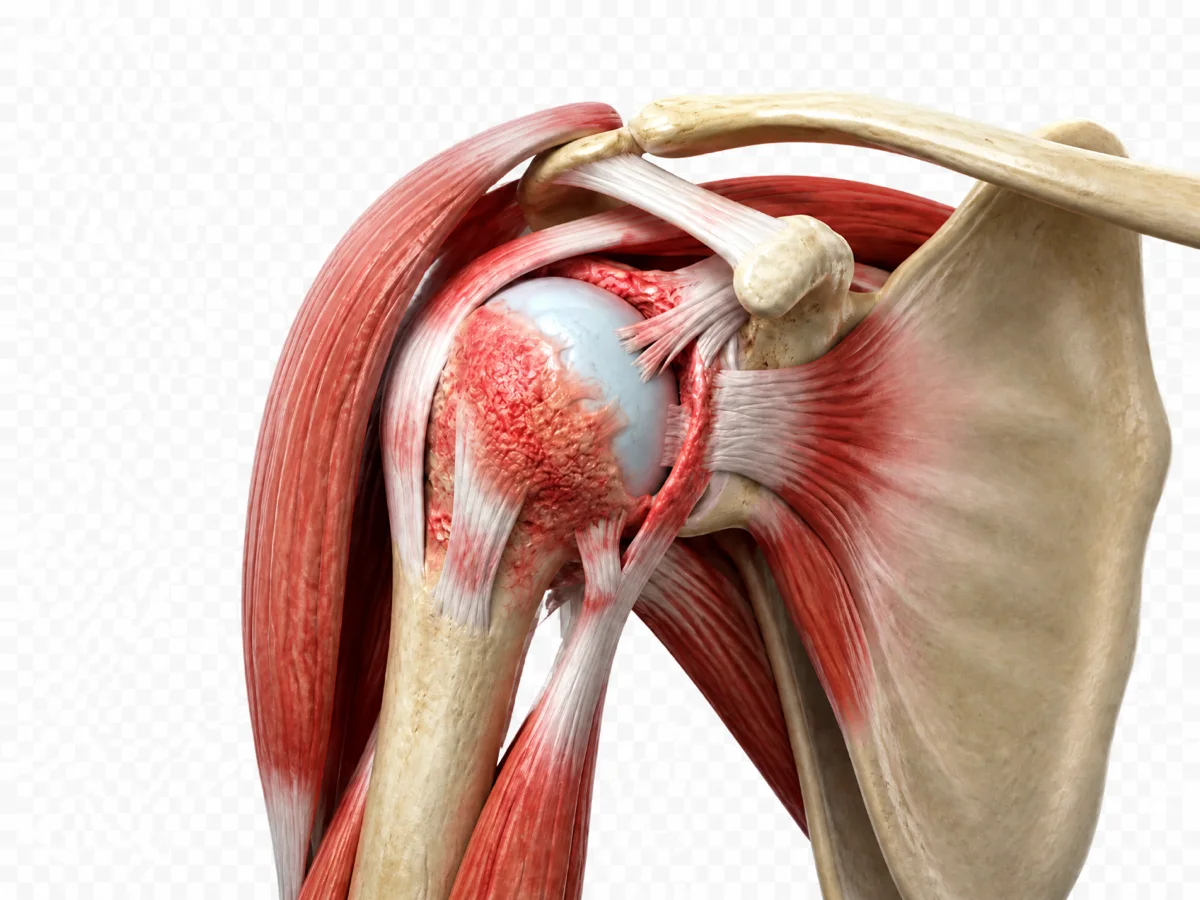
Protracted and winged scapulae narrow the subacromial space, contributing to impingement and chronic upper trapezius tension.
 Related condition
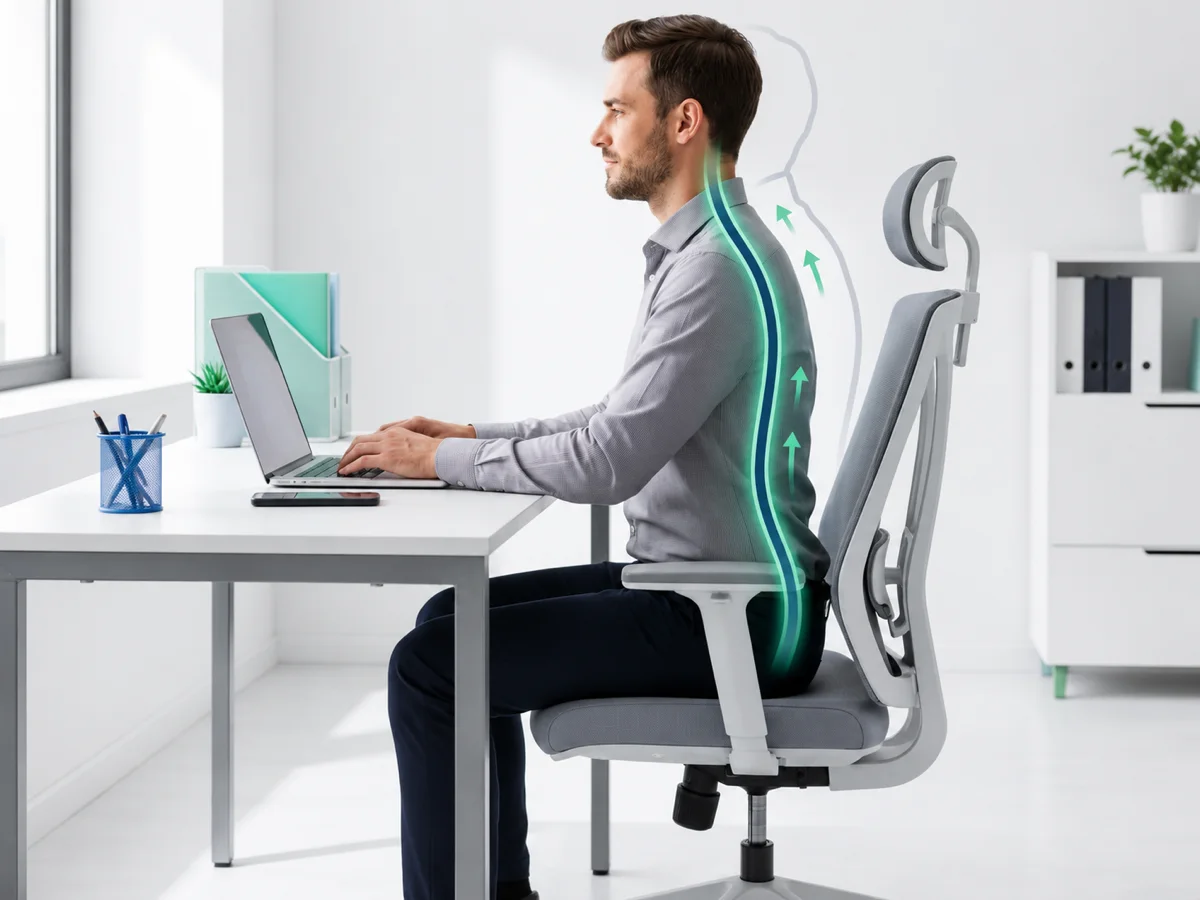
Thoracic kyphosis and rounded shoulders restrict rib expansion, reducing lung capacity by up to 30% and causing persistent fatigue.
 Related condition
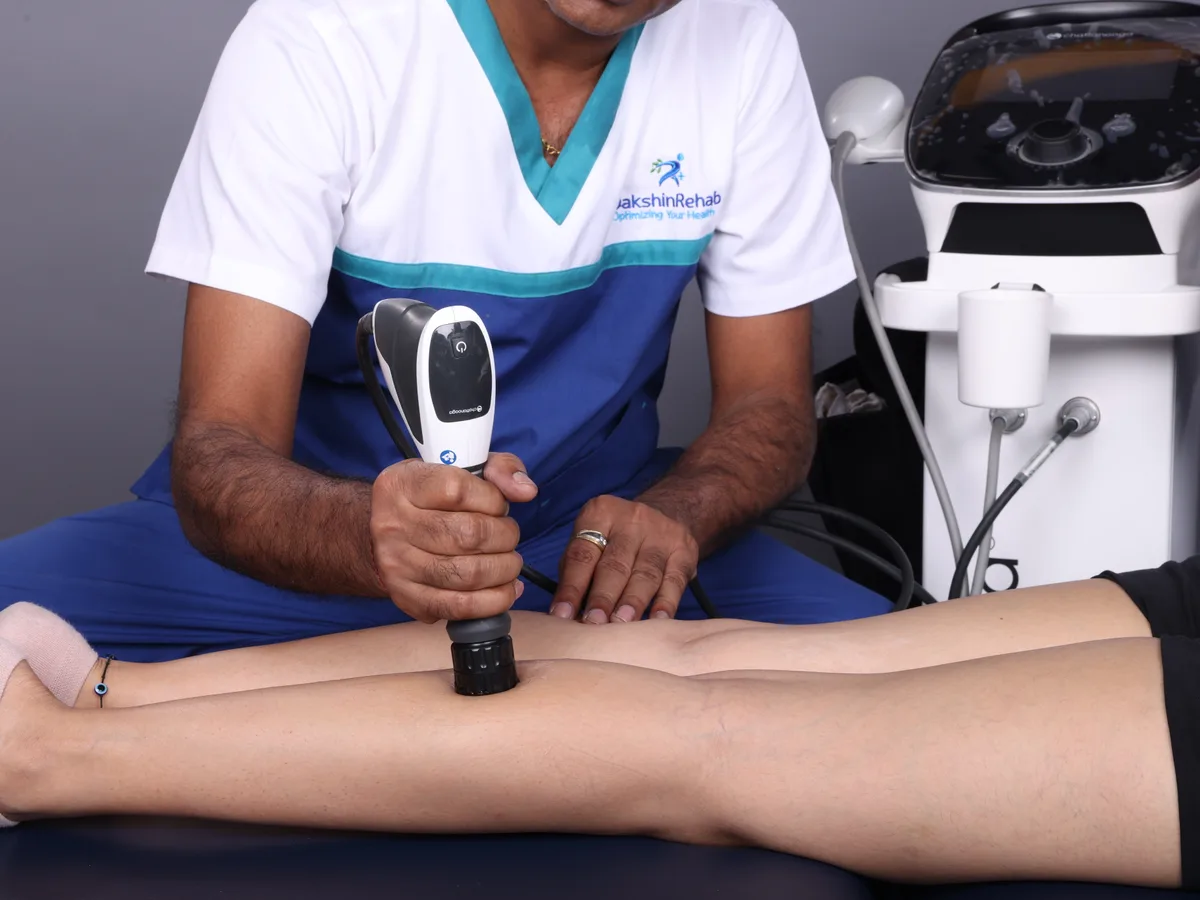
Postural asymmetries reduce power output, increase injury risk, and limit range of motion in sports-specific movements.
 Related condition
3D analysis detects and quantifies scoliotic curves, kyphosis, and lordosis — enabling early intervention and monitoring progression.
Anyone with chronic pain, recurrent injuries, or postural concerns benefits from objective, data-driven alignment assessment.
If you have persistent neck, back, or shoulder pain that returns despite treatment, postural deviations are likely the root cause. 3D analysis finds them.
Prolonged sitting creates forward head posture, rounded shoulders, and pelvic tilt. Early analysis prevents these from becoming chronic pain conditions.
Postural asymmetries increase injury risk and reduce performance. 3D analysis identifies hidden deviations before they cause symptoms.
Adolescent posture screening detects scoliosis, kyphosis, and poor habits before they become entrenched — enabling early, non-surgical correction.
The system uses calibrated cameras and reflective markers (or markerless photogrammetry) to reconstruct a 3D model of the patient's posture. Software calculates angles and distances between anatomical landmarks, comparing them to normative databases.
Software identifies C7, T12, L5, PSIS, ASIS, acromion, and tragus positions to calculate spinal angles and pelvic orientation.
Measures cervical lordosis, thoracic kyphosis, and lumbar lordosis — comparing to age-matched norms.
DakshinRehab clinical pathwayDetects anterior, posterior, or rotational pelvic tilt — a primary driver of lower back and hip pain.
Identifies protraction, winging, and asymmetry that contribute to shoulder impingement and neck tension.
Clinical comparison
Forward head posture increases cervical spine load by 4.5 kg for every 2.5 cm of protrusion. Anterior pelvic tilt compresses lumbar discs and inhibits glute activation. Rounded shoulders restrict thoracic expansion, reducing lung capacity by up to 30%. 3D posture analysis identifies these quantifiable deviations and tracks correction progress over time — turning posture from an aesthetic concern into a measurable health metric.
Quantifies head protrusion from the vertical plumb line — directly correlated with cervical disc load and headache frequency.
DakshinRehab in Moosapet, Hyderabad offers clinical-grade 3D posture analysis with physiotherapist interpretation and personalized correction plans. No referral needed — book directly and receive objective data about your alignment.

“Posture is not about looking good. It is about loading your joints correctly. Every degree of deviation is a tax on your spine, paid in pain and degeneration over decades.”
A 3D Posture Analysis at DakshinRehab
Contextual factors identified
3D postural dataset captured
Quantified postural report generated
Personalized correction plan delivered
Objective progress validation scheduled
Measure what matters; correct what counts
No more guessing. Precise angles and distances replace subjective visual assessment.
Identify the postural deviations driving chronic neck, back, and shoulder pain.
Data-driven workstation and sleep position recommendations based on your specific alignment.
Re-scanning quantifies improvement, keeping patients motivated and programs accountable.
Correcting thoracic kyphosis and rounded shoulders can increase lung capacity and reduce fatigue.
Postural asymmetries predict future injury risk. Correction now prevents pain later.
Posture analysis is very safe, but severe conditions may require medical stabilization first.
Severe acute spinal pain preventing standing
Unstable fracture or recent spinal surgery
Severe vestibular dysfunction preventing upright stance
Inability to stand unassisted for 2 minutes
Find DakshinRehab on Google Maps to read reviews shared by patients.
Our expert physiotherapists and rehabilitation specialists at DakshinRehab bring decades of combined experience to your recovery.

BPT, MPT, IAP Registered
Director, Human Movement Specialist, Physiotherapist
CPO
Consultant Rehabilitation Specialist, CPO | Founder, DakshinRehab

MS (General Surgery), DNB (Vascular Surgery)
Sr. Consultant Vascular & Endovascular Surgeon | Diabetic Foot & Wound Care
Learn more about this condition and treatment options from our expert team.
 Scoliosis Care
June 8, 2026
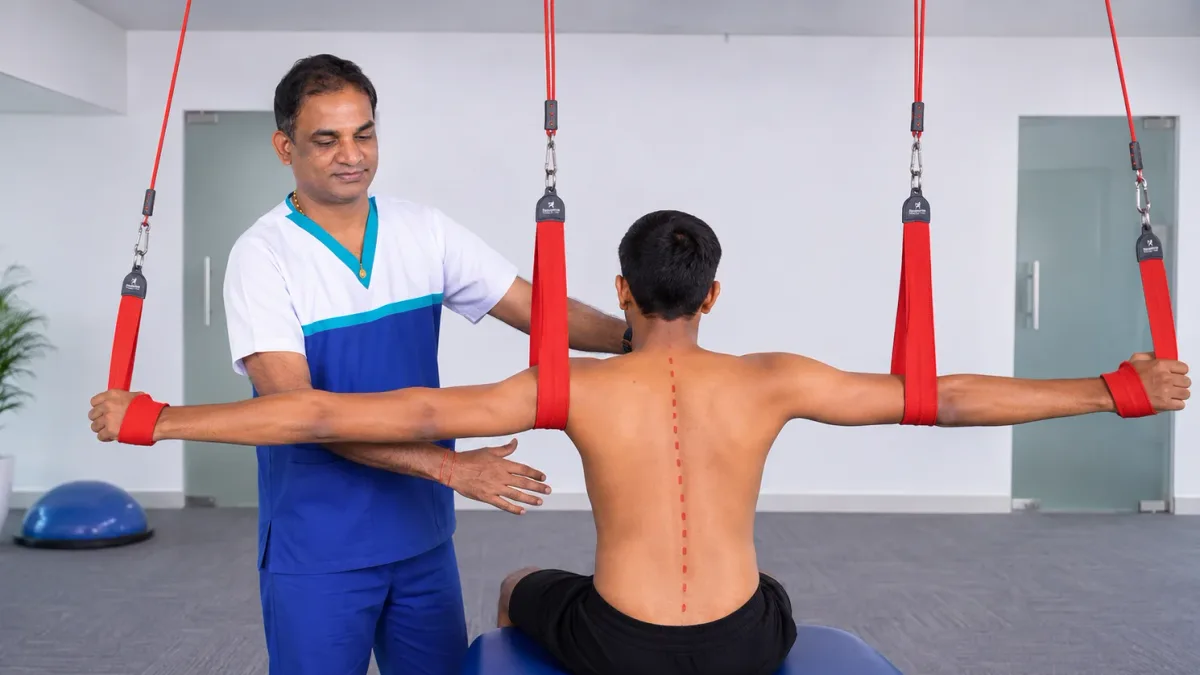
Scoliosis is a three-dimensional problem of the spine — and of the deep stabilising muscles that should hold it upright. Discover how Redcord NEURAC suspension therapy at DakshinRehab Moosapet wakes up the multifidus and transversus abdominis to make bracing and Schroth work better, in children and adults.
Read More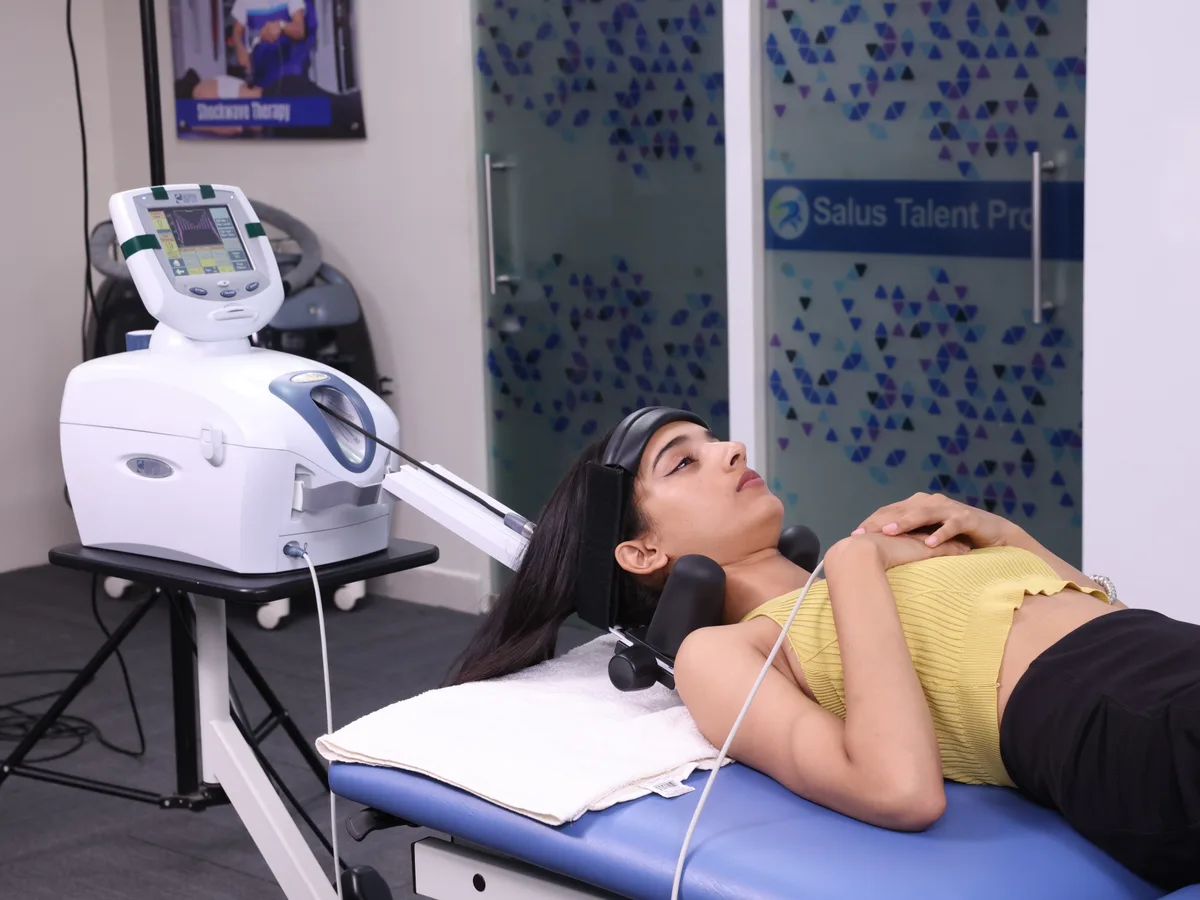 Spine Care
February 27, 2026
Why 5 cm of forward head posture adds 22 kg of daily load to your cervical spine — and how DakshinRehab Moosapet uses cervical decompression, 3-Tesla EMTT, TECAR and Redcord Neurac to fix tech neck, cervical spondylosis and disc herniation without surgery.
Read More
Your next step
We have treated approximately 20,000 patients. Your initial assessment is free only when you book an appointment online and attend your confirmed time slot. Treatment charges are explained before treatment begins.
Book an AppointmentHow digital posturology compares to conventional postural assessment and treatment
Visual posture checks by therapists or trainers are subjective and miss subtle deviations. 3D analysis measures angles with millimeter precision, eliminating guesswork.
Learn MoreYouTube posture exercises are one-size-fits-all. 3D analysis identifies YOUR specific deviations and prescribes targeted corrective exercises — maximizing efficiency and results.
Learn MoreMedications mask postural pain temporarily. 3D analysis identifies the structural cause — enabling correction that eliminates pain at its source without ongoing medication.
Learn More