Immersive Environments
Multisensory Feedback
Visual, auditory, and sometimes haptic feedback create a rich sensory experience that engages multiple brain regions simultaneously for enhanced motor learning.
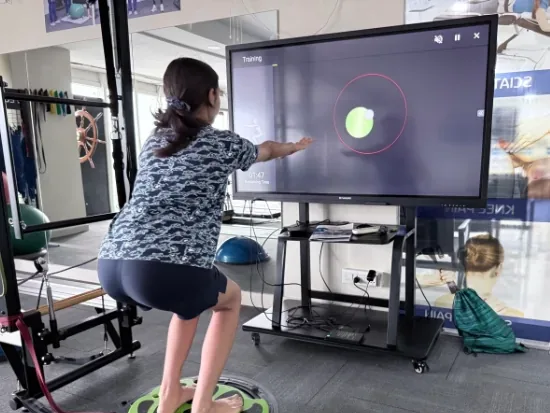
Our Virtual Rehabilitation Lab uses immersive VR environments and motion sensors to transform repetitive physiotherapy exercises into engaging, interactive experiences. Patients reach, step, and balance within virtual worlds while the system tracks range of motion, accuracy, and progress in real time. Meta-analyses confirm VR-based exercise produces significantly greater improvements in balance and motor function than conventional therapy alone.
Personalised, technology-driven rehabilitation in Moosapet, Hyderabad.
Visual, auditory, and sometimes haptic feedback create a rich sensory experience that engages multiple brain regions simultaneously for enhanced motor learning.
Scores, levels, and achievements transform repetitive drills into engaging challenges, supporting sustained engagement during therapy.
Visual, auditory, and sometimes haptic feedback create a rich sensory experience that engages multiple brain regions simultaneously for enhanced motor learning.
Scores, levels, and achievements transform repetitive drills into engaging challenges, supporting sustained engagement during therapy.
Watching an avatar perform correct movements activates the same motor cortical areas as physically performing the movement — priming the brain for motor learning.
Related conditionMeta-analyses show VR-based balance training significantly improves Berg Balance Scale scores and Timed Up and Go performance in stroke survivors.
Related conditionVR reaching and grasping tasks improve Fugl-Meyer upper extremity scores by engaging action observation networks and providing high-repetition practice.
 Related condition
Rhythmic visual cues and dual-task training in VR reduce freezing of gait and improve stride length in Parkinson's patients.
 Related condition
VR distraction reduces pain perception and movement anxiety, allowing patients with chronic pain to perform exercises they would otherwise avoid.
 Related condition
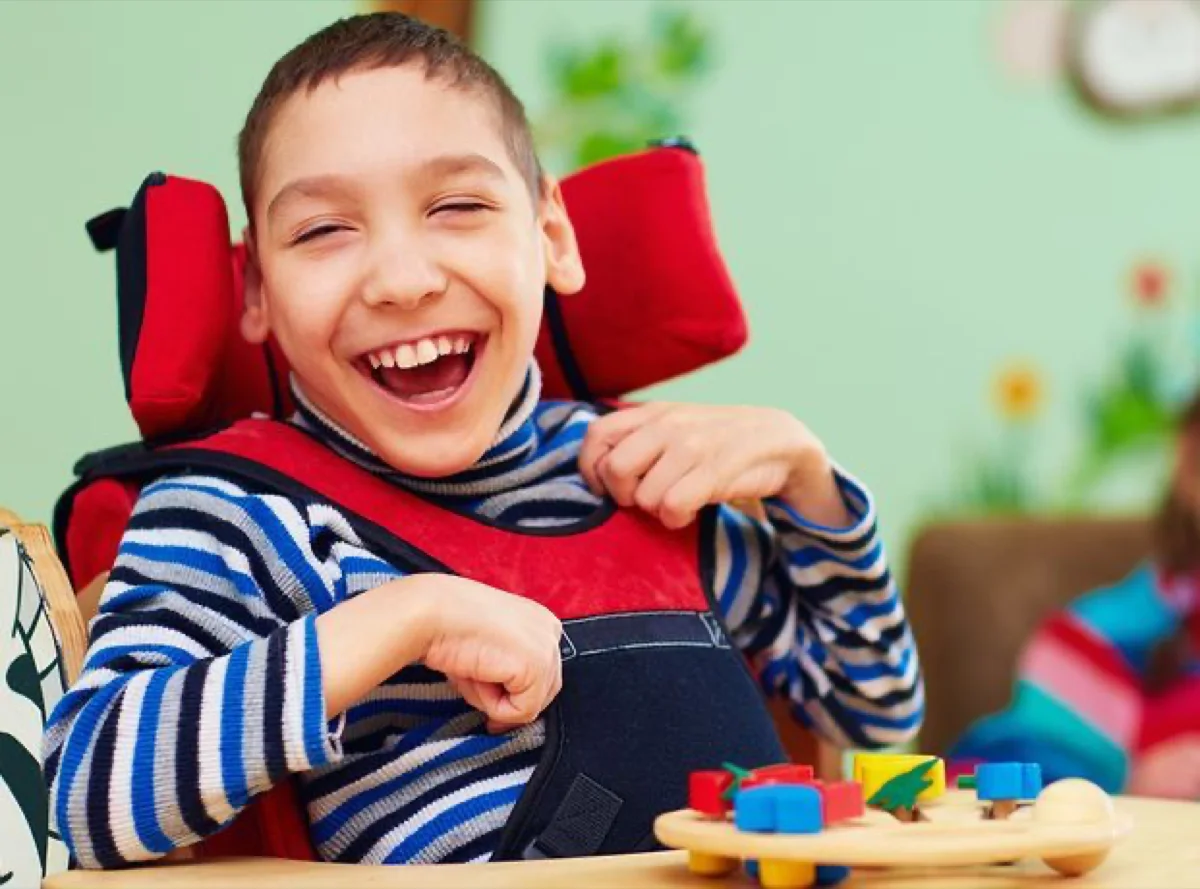
Children engage more readily with game-based therapy. VR provides the repetition essential for motor learning in cerebral palsy and developmental delay.
 Related condition
VR environments challenge patients to balance or reach while performing cognitive tasks — critical for fall prevention and real-world functional independence.
VR rehab is ideal for patients who need intensive, engaging motor training but struggle with motivation or kinesiophobia during conventional therapy.
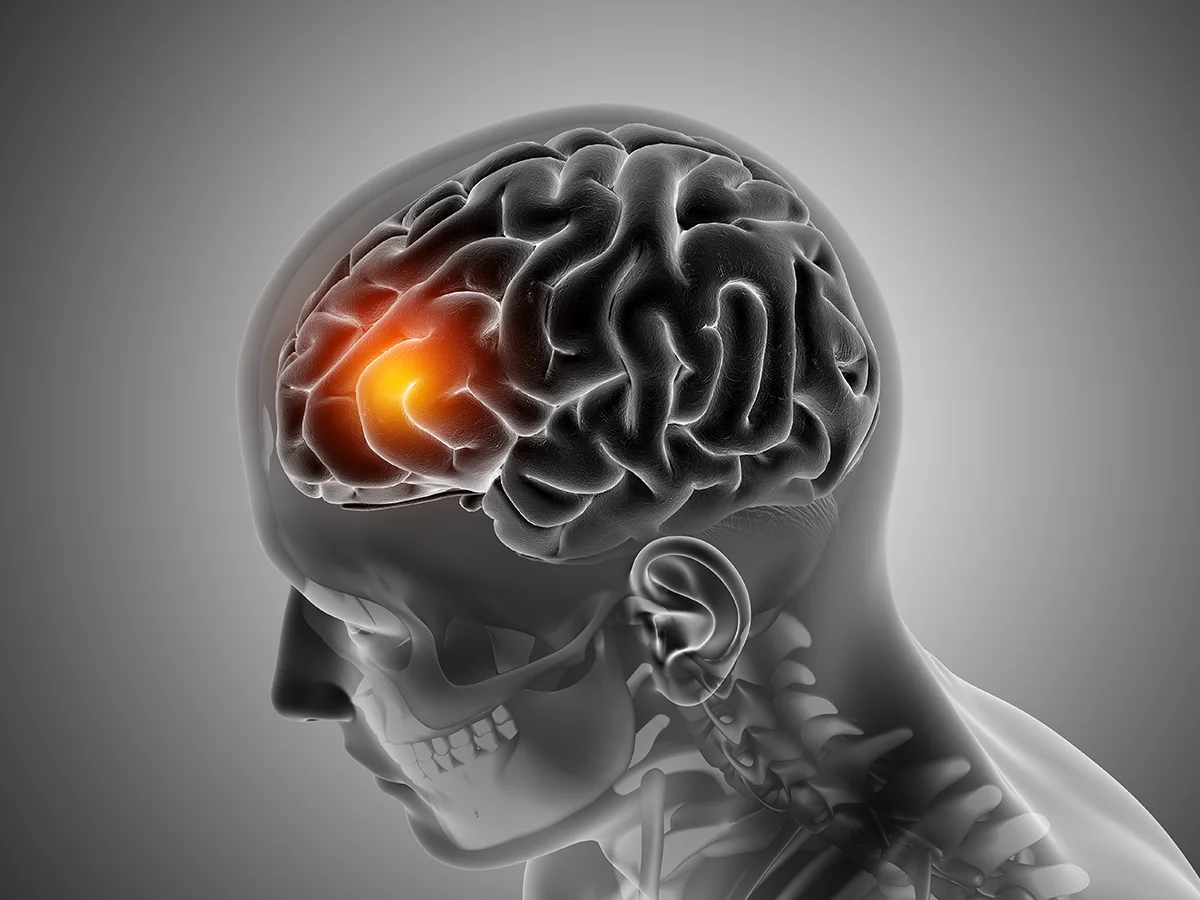
VR gamification increases repetition volume and engagement — both critical for neuroplasticity. Ideal for upper limb, balance, and gait recovery after stroke and brain injury.
VR balance training in a safe virtual environment reduces fall anxiety while challenging the vestibular and proprioceptive systems more effectively than standard exercises.
Pediatric patients who resist traditional exercises often thrive in VR environments. Gamified tasks feel like play while delivering therapeutic movement doses.
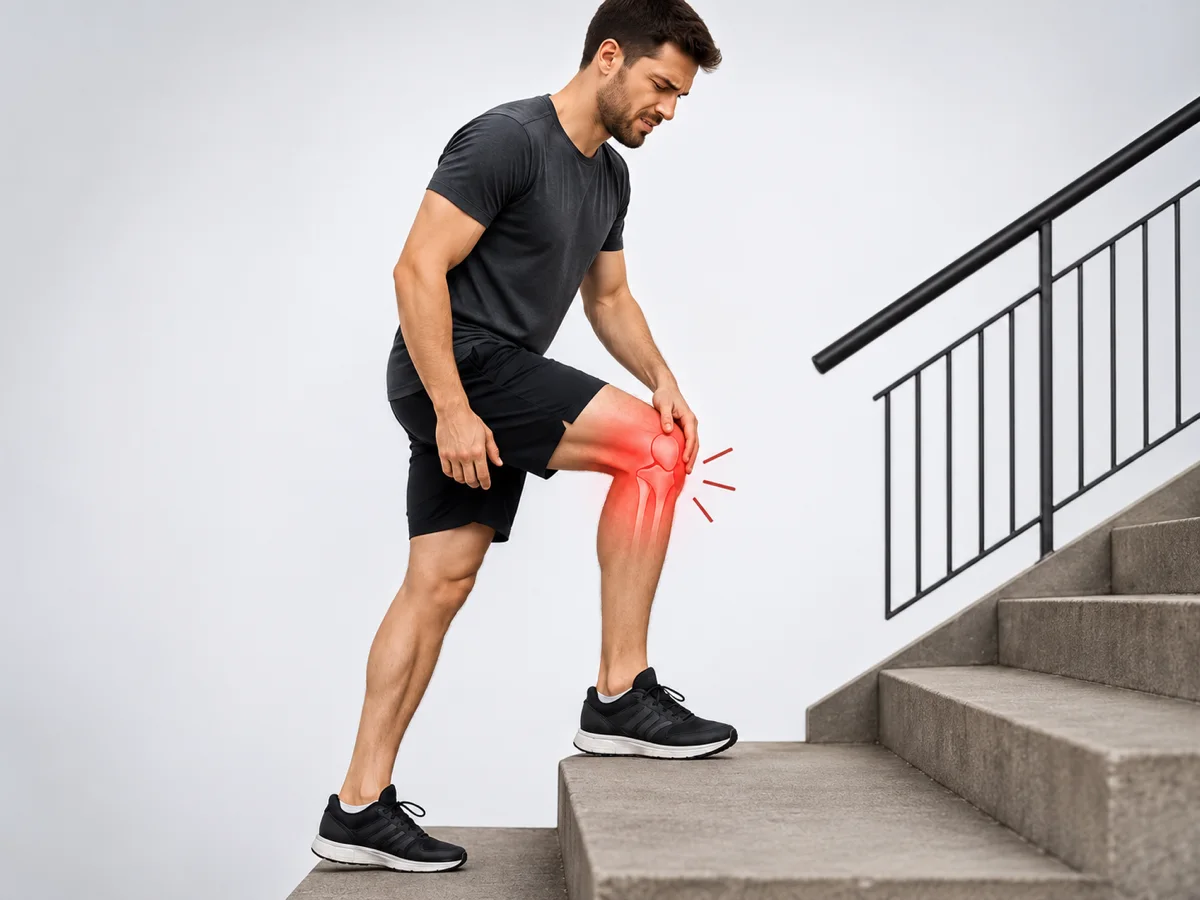
VR distraction reduces pain perception and kinesiophobia, allowing patients to perform therapeutic movements they would otherwise avoid due to fear of pain.
Virtual rehabilitation works through three convergent mechanisms: (1) multisensory feedback enhances motor learning, (2) gamification increases repetition volume and compliance, and (3) action observation primes cortical motor networks for neuroplastic change.
Visual, auditory, and proprioceptive feedback converge to create a rich learning environment that strengthens motor cortex reorganization more than unimodal training.
Observing an avatar perform correct movements activates the premotor cortex and inferior parietal lobule — priming the motor system for physical execution.
DakshinRehab clinical pathwayPatients complete significantly more repetitions when exercises are framed as games with scores and levels — directly translating to greater neuroplastic drive.
Immersive VR reduces kinesiophobia and pain perception by competing for attentional resources — allowing therapeutic exercises that would otherwise be avoided.
Clinical comparison
Conventional therapy struggles with patient motivation and adherence, especially for chronic conditions requiring months of rehabilitation. A 2023 meta-analysis of 14 RCTs (423 stroke patients) found VR-based exercise produced statistically significant improvements in Berg Balance Scale (MD 1.35), Timed Up and Go (MD -0.81), and functional reach. The key differentiator is not the technology itself — it is the 30–50% increase in repetition volume that engagement produces. At DakshinRehab, we integrate VR as one component of our multimodal neuro-rehab program.
Instant visual feedback on movement accuracy and balance helps patients self-correct immediately, accelerating motor learning through continuous error-based adaptation.
DakshinRehab in Moosapet, Hyderabad offers immersive VR rehabilitation as part of our neuro-rehab and balance training programs. No special referral needed — walk in for assessment.

“The best therapy is the therapy the patient actually does. VR does not just treat the body — it convinces the mind to show up, day after day, repetition after repetition.”
A Virtual Rehabilitation Session at DakshinRehab
Personalized VR program selected
System calibrated to patient dimensions
High-repetition, engaging motor practice completed
Functional and cognitive skills challenged simultaneously
Objective progress recorded; plan updated
Where guided technology supports clinical rehabilitation
Multiple meta-analyses confirm VR training significantly improves balance, upper limb function, and ADL performance in stroke and neurological patients.
Gamification transforms therapy from a chore into an experience. Patients complete more repetitions with higher enthusiasm and better adherence.
Immersive distraction reduces both pain perception and kinesiophobia, enabling therapeutic exercises that were previously too uncomfortable.
Every movement is measured automatically — no subjective scoring. This data drives clinical decisions and satisfies insurance documentation requirements.
From severely impaired patients performing simple reaches to athletes doing complex balance challenges — VR adapts to every ability level.
Virtual tasks remove real-world fall risk while still training balance and coordination. Ideal for patients with severe balance deficits.
VR rehabilitation is safe for most patients, but certain conditions require caution or medical clearance.
Severe motion sickness or vestibular disorders
Uncontrolled epilepsy (flashing visuals may trigger seizures)
Severe cognitive impairment preventing task comprehension
Acute vertigo or severe balance instability without support
Recent eye surgery or severe visual impairment
Severe osteoporosis with high fracture risk (for weight-bearing tasks)
Cardiovascular instability during exertion
Severe anxiety or phobia related to immersive environments
Find DakshinRehab on Google Maps to read reviews shared by patients.
Our expert physiotherapists and rehabilitation specialists at DakshinRehab bring decades of combined experience to your recovery.

BPT, MPT, IAP Registered
Director, Human Movement Specialist, Physiotherapist

CPO
Consultant Rehabilitation Specialist, CPO | Founder, DakshinRehab

MS (General Surgery), DNB (Vascular Surgery)
Sr. Consultant Vascular & Endovascular Surgeon | Diabetic Foot & Wound Care
Learn more about this condition and treatment options from our expert team.
 Neuro Rehabilitation
April 24, 2026
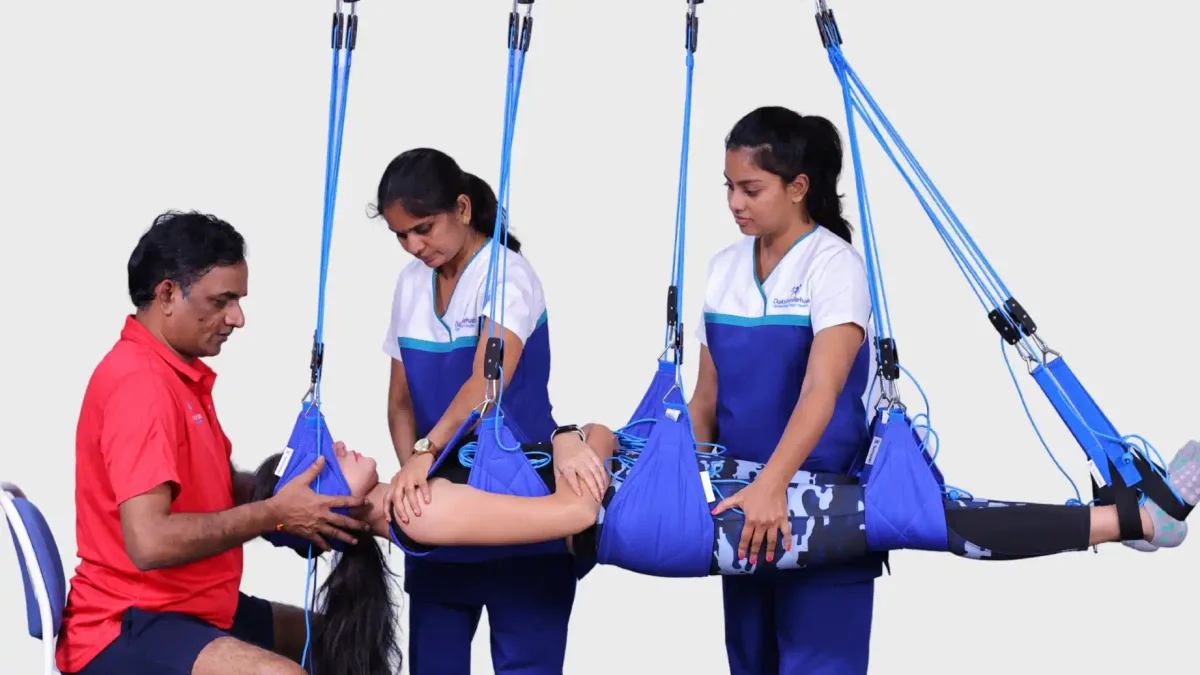
Why the first 3–6 months after a stroke matter most — and how Redcord Neurac suspension therapy at DakshinRehab Moosapet uses graded unloading, vibration and closed-chain instability to drive the neuroplasticity that accelerates arm, leg and gait recovery.
Read More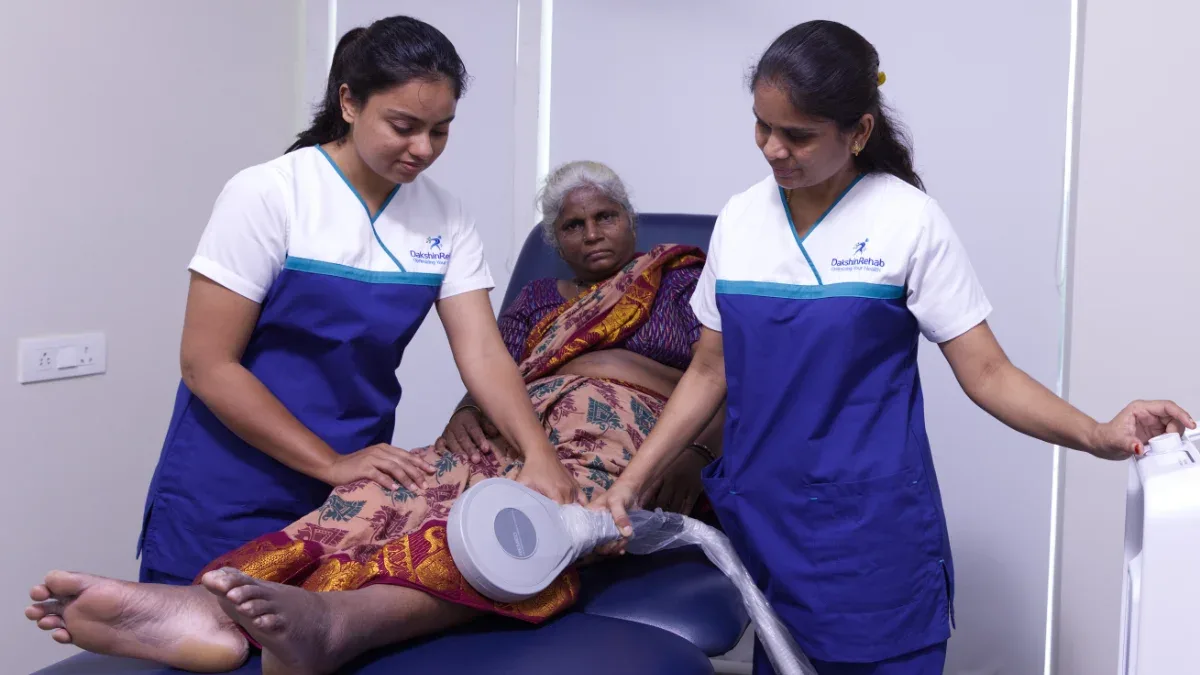 Neuro Rehabilitation
March 15, 2024
Why the first 6 months after a stroke matter most — and how DakshinRehab Moosapet phases neuro-physiotherapy, robotic gait, Redcord Neurac and EMG biofeedback across the acute, sub-acute and chronic stages to drive durable recovery of arm, leg, gait and independence.
Read More
Your next step
We have treated approximately 20,000 patients. Your initial assessment is free only when you book an appointment online and attend your confirmed time slot. Treatment charges are explained before treatment begins.
Book an AppointmentHow immersive VR therapy compares to conventional rehabilitation approaches
Conventional exercises are repetitive and boring, leading to poor compliance. VR gamification increases engagement and repetition volume — both essential for neuroplastic change.
Learn MoreStandard balance exercises lack real-time feedback on weight distribution and symmetry. VR provides instant visual feedback, accelerating motor learning and correction.
Learn MoreAnxiety medications mask fear but do not rebuild confidence. VR safely exposes patients to challenging movements in a controlled environment, gradually eliminating fear through successful experience.
Learn More