

إعادة تأهيل الحركة الوظيفية
يُوفر تحفيزًا دقيق التوقيت أثناء المشي أو التمرين لإعادة تدريب أنماط الحركة. وهو ضروري لتدلي القدم، والمشي المصحوب بشلل نصفي، والتعافي من إصابة الرباط الصليبي الأمامي.

جهاز تشاتانوغا اللاسلكي الاحترافي هو جهاز تحفيز لاسلكي رباعي القنوات يوفر التحفيز الكهربائي الوظيفي (FES) والتحفيز الكهربائي العصبي العضلي (NMES) أثناء أداء التمارين. على عكس الأجهزة السلكية التي تُقيدك بجهاز، يمنحك الجهاز اللاسلكي الاحترافي حرية حركة كاملة، وهو أمر ضروري لإعادة تأهيل المشي، وإعادة التأهيل الرياضي، والتعافي العصبي.
Personalised, technology-driven rehabilitation in Moosapet, Hyderabad.
يستخدم التحفيز الكهربائي الوظيفي (FES) نبضات كهربائية منخفضة الطاقة لتنشيط الأعصاب والعضلات، مما يُحدث حركات وظيفية مثل ثني القدم لأعلى (لتصحيح تدلي القدم) أو انقباض عضلات الفخذ الرباعية (لتحسين ثبات الركبة). ويُضيف جهاز Chattanooga Wireless Pro ميزة الاتصال اللاسلكي، والمعايرة التلقائية الذكية للعضلات، وإدارة الجلسات المتعددة.
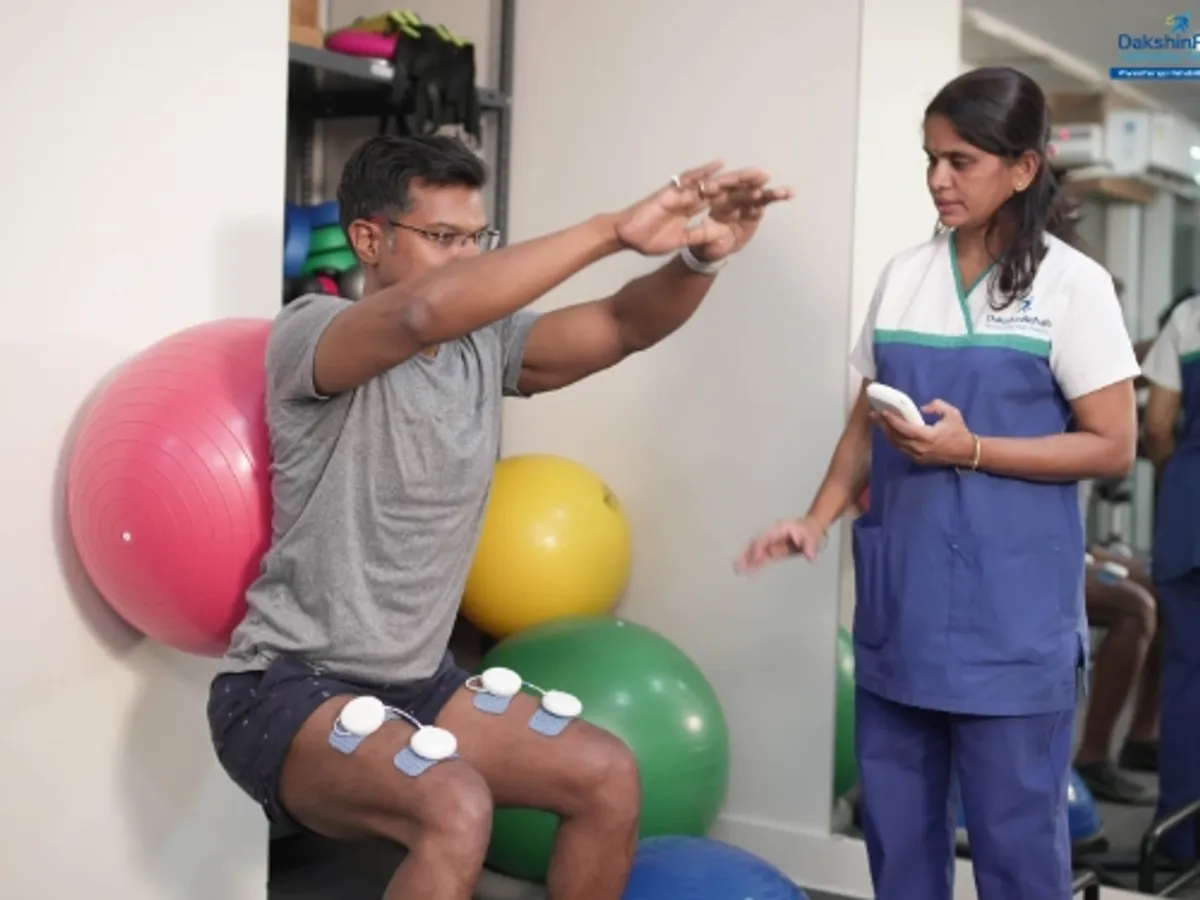
يُوفر تحفيزًا دقيق التوقيت أثناء المشي أو التمرين لإعادة تدريب أنماط الحركة. وهو ضروري لتدلي القدم، والمشي المصحوب بشلل نصفي، والتعافي من إصابة الرباط الصليبي الأمامي.

يعمل على تقلص العضلات لمنع ضمورها، وزيادة قوتها، وتحسين نطاق حركتها. يُستخدم بعد العمليات الجراحية وفي الحالات العصبية.

يحجب إشارات الألم عبر نظرية التحكم بالبوابة ويحفز إفراز الإندورفين. يمكن تشغيله بالتزامن مع التحفيز الكهربائي العصبي العضلي على قنوات منفصلة.

يقوم نظام Muscle Intelligence بمسح استجابة عضلاتك ويضبط تلقائيًا عرض النبضة وترددها وشدتها للحصول على تحفيز مثالي وشخصي.
Not sure which type you have?
Book an Assessment — We'll Diagnose It in Your First Session
يؤدي التحفيز الكهربائي الوظيفي للعصب الشظوي المشترك والعضلة الظنبوبية الأمامية إلى ثني القدم لأعلى أثناء مرحلة التأرجح من المشي - مما يؤدي إلى تصحيح تدلي القدم بعد السكتة الدماغية أو إصابة العصب.
Learn more
يمنع التحفيز الكهربائي العصبي العضلي (NMES) ضمور الأطراف المصابة بالشلل نتيجة عدم الاستخدام، بينما يعيد التحفيز الكهربائي الوظيفي (FES) تدريب أنماط الحركة الوظيفية. وهو أمر بالغ الأهمية خلال الأشهر الثلاثة إلى الستة الأولى بعد السكتة الدماغية.
Learn more

إعادة تأهيل عضلات الفخذ الرباعية بعد إعادة بناء الرباط الصليبي الأمامي. يعمل التحفيز الكهربائي العصبي العضلي على تنشيط العضلة المتسعة الإنسية والعضلة المستقيمة الفخذية عندما يتم تثبيط التنشيط الإرادي بسبب الألم والتورم.
Learn more

يمنع ويعكس ضمور العضلات في الأطراف غير المثبتة، والمرضى طريحي الفراش، والحالات ما بعد الجراحة حيث يكون التحميل محدودًا.
Learn more

يمكن للتثبيط المتبادل عبر التحفيز الكهربائي الوظيفي أن يقلل من التشنج في العضلات المضادة مع تقوية العضلات المحركة - مما يؤدي إلى استعادة التحكم المتوازن في المفاصل.
Learn more

تتيح الحرية اللاسلكية للرياضيين أداء التدريبات الخاصة برياضتهم أثناء تلقي التحفيز - مما يسرع من جداول العودة إلى اللعب.
Learn more
يُعدّ التحفيز الكهربائي الوظيفي أداة فعّالة لكل من يحتاج إلى إعادة تأهيل عضلاته أو تقويتها أو دعمها وظيفيًا. يقوم فريقنا بتقييم كل مرشح للتأكد من سلامته وملاءمته.
إذا كنت تعاني من تدلي القدم، أو مشية الشلل النصفي، أو ضعف العضلات بعد السكتة الدماغية، فإن التحفيز الكهربائي الوظيفي (FES) يعيد تدريب أنماط الحركة ويمنع ضمور العضلات الناتج عن عدم الاستخدام. يُفضل البدء به خلال 3-6 أشهر بعد السكتة الدماغية.
بعد إعادة بناء الرباط الصليبي الأمامي أو جراحة الركبة، غالباً ما تتوقف عضلات الفخذ الرباعية عن العمل (تثبيط العضلات الناتج عن التهاب المفاصل). يعمل التحفيز الكهربائي العصبي العضلي على تنشيط هذه العضلات عندما يكون الانقباض الإرادي مستحيلاً.
تتيح الحرية اللاسلكية للرياضيين أداء حركات خاصة بالرياضة أثناء تلقي التحفيز - مما يسد الفجوة بين إعادة التأهيل والعودة إلى اللعب بشكل أسرع من التعافي في السرير.
يستفيد المرضى طريحي الفراش، والأطراف غير المثبتة، أو الحالات التي تلي العمليات الجراحية حيث يكون التحميل محدودًا، من التحفيز الكهربائي العصبي العضلي للحفاظ على كتلة العضلات والدورة الدموية.
تعمل النبضات الكهربائية التي تُنقل عبر أقطاب سطحية على إزالة استقطاب الأعصاب الحركية، مما يؤدي إلى انقباض العضلات. يستخدم جهاز Wireless Pro نبضات مستطيلة ثنائية الطور مُعوضة (30-400 ميكروثانية، 1-150 هرتز) لتحفيز آمن ومريح وفعال.
تعمل النبضات ثنائية الطور على إزالة استقطاب محاور الأعصاب الحركية، مما يؤدي إلى إطلاق كمونات عمل تنتشر إلى الوصلة العصبية العضلية وتنتج انقباض العضلات.
يقوم الجهاز بمسح استثارة العضلات ويضبط تلقائيًا معايير النبض المثلى - مما يلغي التخمين ويضمن تحديد الجرعة المناسبة لكل مريض.
يقوم المعالج أو المريض بتنشيط التحفيز عند الطلب عبر زر التشغيل - وهو مثالي لتدريب المشي حيث يكون توقيت الانثناء الظهري أمرًا بالغ الأهمية.
تقوم محطة الإرساء الذكية بمزامنة ما يصل إلى 4 وحدات لاسلكية، مما يتيح علاج مناطق متعددة من الجسم أو مرضى متعددين في وقت واحد.
تعمل النبضات ثنائية الطور على إزالة استقطاب محاور الأعصاب الحركية، مما يؤدي إلى إطلاق كمونات عمل تنتشر إلى الوصلة العصبية العضلية وتنتج انقباض العضلات.
يقوم الجهاز بمسح استثارة العضلات ويضبط تلقائيًا معايير النبض المثلى - مما يلغي التخمين ويضمن تحديد الجرعة المناسبة لكل مريض.
يقوم المعالج أو المريض بتنشيط التحفيز عند الطلب عبر زر التشغيل - وهو مثالي لتدريب المشي حيث يكون توقيت الانثناء الظهري أمرًا بالغ الأهمية.
تقوم محطة الإرساء الذكية بمزامنة ما يصل إلى 4 وحدات لاسلكية، مما يتيح علاج مناطق متعددة من الجسم أو مرضى متعددين في وقت واحد.
تُقيّد أجهزة التحفيز السلكية التقليدية المرضى بسرير أو كرسي العلاج. أما جهاز تشاتانوغا اللاسلكي برو، فيُزيل الأسلاك تمامًا، حيث يُمكن للمرضى المشي والجلوس والوصول إلى أطرافهم وأداء مهام وظيفية أثناء تلقيهم التحفيز. هذا يُحوّل التحفيز الكهربائي العصبي العضلي السلبي إلى تحفيز كهربائي وظيفي نشط، مما يُفعّل دوائر التعلم الحركي في الدماغ ويُحسّن الحركة في الحياة اليومية. تُشير الدراسات السريرية إلى أن التحفيز الكهربائي الوظيفي المُوجّه لمهام مُحددة يُحقق مكاسب وظيفية أكبر من التحفيز السلبي وحده.
قم بتشغيل جهاز التحفيز الكهربائي للأعصاب عبر الجلد (TENS) على قناة واحدة لتخفيف الألم، بينما قم بتشغيل جهاز التحفيز الكهربائي العصبي العضلي (NMES) على قناة أخرى لتقوية العضلات - كل ذلك أثناء ممارسة التمارين الرياضية النشطة.
يُعد مركز DakshinRehab في Moosapet, Hyderabad أحد المراكز القليلة التي تُقدم تقنية التحفيز الكهربائي الوظيفي اللاسلكي مع تقنية ذكاء العضلات. تفضلوا بزيارتنا لإجراء التقييم دون الحاجة إلى تحويل من المستشفى.

“غيّر جهاز Wireless Pro طريقة علاجي لتدلي القدم. فبدلاً من تحفيز العضلة على السرير، نقوم بتحفيزها أثناء مشي المريض في الغرفة. هذا هو الفرق بين تحريك العضلة وتعلم المشي من جديد.”
جلسة احترافية لاسلكية في مجال التحفيز الكهربائي الوظيفي في DakshinRehab
→Outcome: أهداف وظيفية واضحة وخطة تحفيز آمنة
→Outcome: تم إنشاء ملف تعريف تحفيز شخصي
→Outcome: إعادة تدريب نمط الحركة الوظيفية بدعم خارجي
→Outcome: المريض يُظهر تحسناً في التحكم الحركي الإرادي
→Outcome: تم تتبع التقدم؛ تم التخطيط للجلسة التالية
العيادة الوحيدة في Moosapet التي تقدم التحفيز الوظيفي اللاسلكي بتقنية الذكاء العضلي
عدم وجود كابلات يعني حرية الحركة الكاملة. يمكنك المشي والجري والجلوس القرفصاء والوصول إلى الأشياء أثناء تلقي التحفيز - مما يسد الفجوة بين العيادة والحياة الواقعية.
تضمن المعايرة التلقائية حصول كل مريض على معايير تحفيز مثالية ومخصصة له - وليس إعدادات مسبقة تناسب الجميع.
الحركة النشطة + التحفيز تُفعّل دوائر التعلم الحركي في الدماغ، مما ينتج عنه تحسينات وظيفية دائمة.
التحفيز الكهربائي الوظيفي (FES)، والتحفيز الكهربائي العصبي العضلي (NMES)، والتحفيز الكهربائي للأعصاب عبر الجلد (TENS) على 4 قنوات مستقلة. يعالج الألم، ويقوي العضلات، ويعيد تدريب المشي في وقت واحد.
برامج سريرية مدمجة لأمراض الأعصاب، وإعادة تأهيل الرباط الصليبي الأمامي، وتسكين الألم، وتكييف الأوعية الدموية، والأداء الرياضي.
عادةً ما يُظهر المرضى تحسناً ملحوظاً في القوة والمشي في غضون 2-4 أسابيع من التدريب المنتظم باستخدام التحفيز الكهربائي الوظيفي.
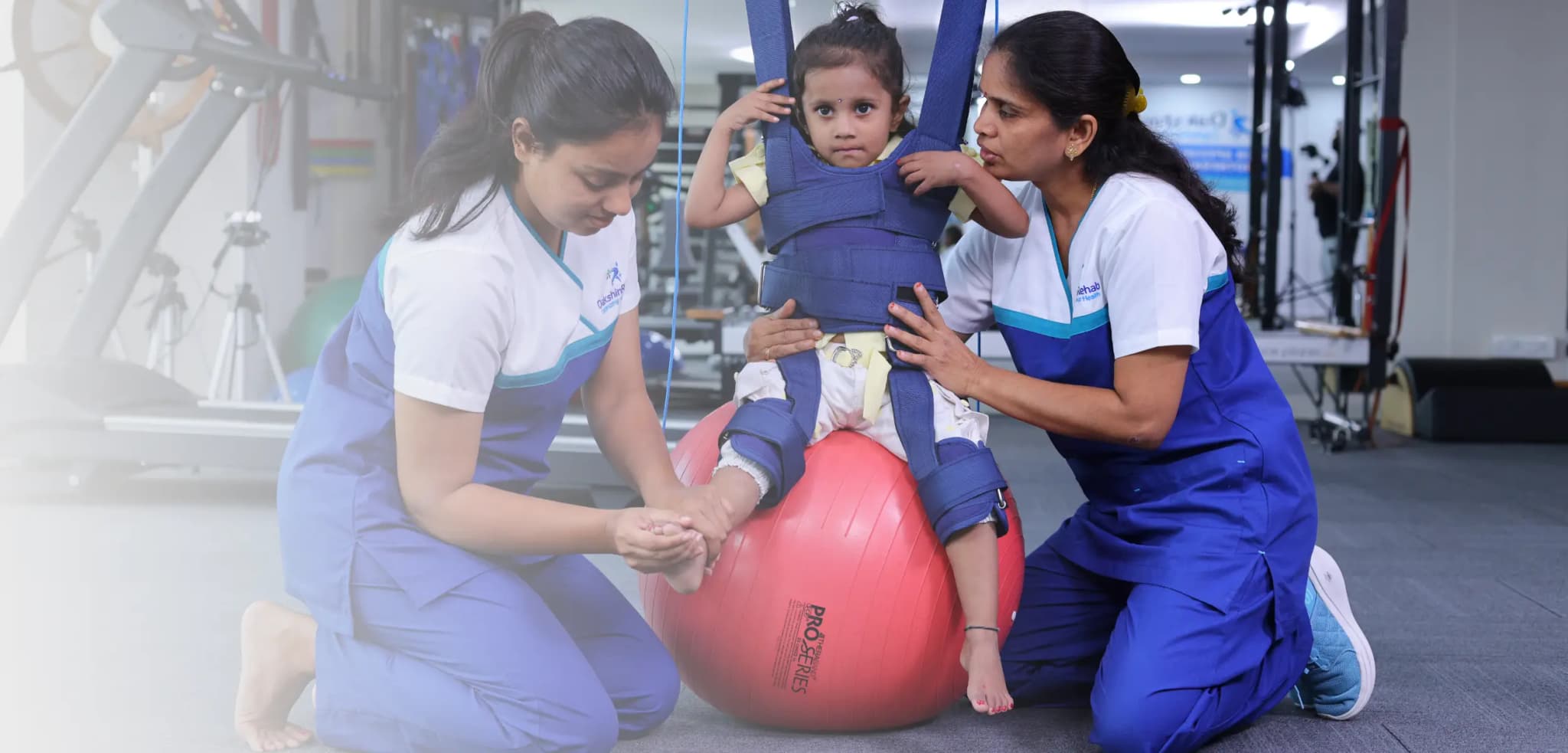
يُعدّ التحفيز الكهربائي فعالاً، لكنه لا يناسب الجميع. يقوم أخصائيو العلاج الطبيعي لدينا بإجراء فحص شامل قبل كل جلسة من جلسات التحفيز الكهربائي الوظيفي.
أجهزة تنظيم ضربات القلب، أو أجهزة تنظيم ضربات القلب القابلة للزرع، أو الأجهزة الكهربائية المزروعة
الصرع أو اضطرابات النوبات
سرطان نشط أو ورم خبيث في منطقة العلاج
الحمل (خاصة فوق البطن/الحوض)
إصابة حادة مصحوبة بنزيف أو نزف نشط
تجلط الدم أو الخثرة الدموية في الطرف المعالج
العدوى أو الجروح المفتوحة في مواقع الأقطاب الكهربائية
آفات الخلايا العصبية الحركية السفلية مع فقدان تعصيب العضلات (نسبياً)
يقدم أخصائيو العلاج الطبيعي وإعادة التأهيل الخبراء لدينا في DakshinRehab عقودًا من الخبرة المشتركة لتعافيك.
مدير، أخصائي حركة بشرية، أخصائي علاج طبيعي للعظام والأعصاب | أخصائي إعادة تأهيل السكتة الدماغية والعمود الفقري

خدمات استشارية لإعادة التأهيل السريري
المؤسس وكبير أخصائيي الأطراف الاصطناعية | خبير في إعادة تأهيل مبتوري الأطراف

ماجستير العلوم، ماجستير الجراحة (جراحة الأوعية الدموية)
استشاري جراحة الأوعية الدموية | العناية بالقدم السكرية والجروح
تعرف على المزيد حول هذه الحالة وخيارات العلاج من فريق الخبراء لدينا.
 Sports Injuries
March 10, 2024
Why most ACL re-injuries happen because patients return to sport too early — and how DakshinRehab Moosapet uses 9 to 12 month criterion-based protocols, EMG biofeedback, Redcord Neurac and limb symmetry testing to get cricketers, footballers and weekend athletes back to sport without the second tear.
Read More Neuro Rehabilitation
February 15, 2024
Spinal cord injury rehabilitation guide: comprehensive rehab, technology, multidisciplinary care. Expert guidance from Hyderabad.
Read More Rehabilitation
February 27, 2026
Why surgery fixes anatomy but cannot fix movement — and how DakshinRehab Moosapet uses EMG biofeedback, Redcord Neurac, FES and objective limb-symmetry testing to deliver post-surgical recovery that the operating theatre alone cannot.
Read More
This week only · Free assessment · ₹500 off
Join انضم إلى أكثر من 20,000 مريض تخلصوا من الألم تمامًا. احجز هذا الأسبوع ووفر 500 روبية على جلستك الأولى.
حجز موعدمقارنة بين التحفيز الكهربائي الوظيفي ذي الجودة السريرية وأساليب التعافي التقليدية
الراحة وحدها تؤدي إلى ضمور العضلات وتيبس المفاصل وتأخر التعافي. يحافظ التحفيز الكهربائي الوظيفي على نشاط العضلات وتدفق الدورة الدموية حتى عندما لا تستطيع الحركة بإرادتك، مما يمنع تدهور الحالة البدنية.
Learn Moreتُقيّد الوحدات السلكية التقليدية المرضى بالجهاز، مما يحدّ من حركتهم إلى انقباضات سلبية. أما تقنية Wireless Pro فتتيح التدريب الوظيفي - كالمشي والجلوس القرفصاء والوصول - مما يُحفّز المرونة العصبية ويُحسّن الأداء في الحياة اليومية.
Learn Moreيُعد العلاج بالتمارين الرياضية ضروريًا، ولكن عندما تُعيق العضلات بسبب الألم أو تلف الأعصاب، فإنها لا تستطيع توليد القوة الكافية للتكيف. يوفر التحفيز الكهربائي الوظيفي الانقباض المفقود، مما يجعل كل تكرار ذا قيمة من اليوم الأول.
Learn More