Degenerative Disc Disease Treatment in Moosapet, Hyderabad
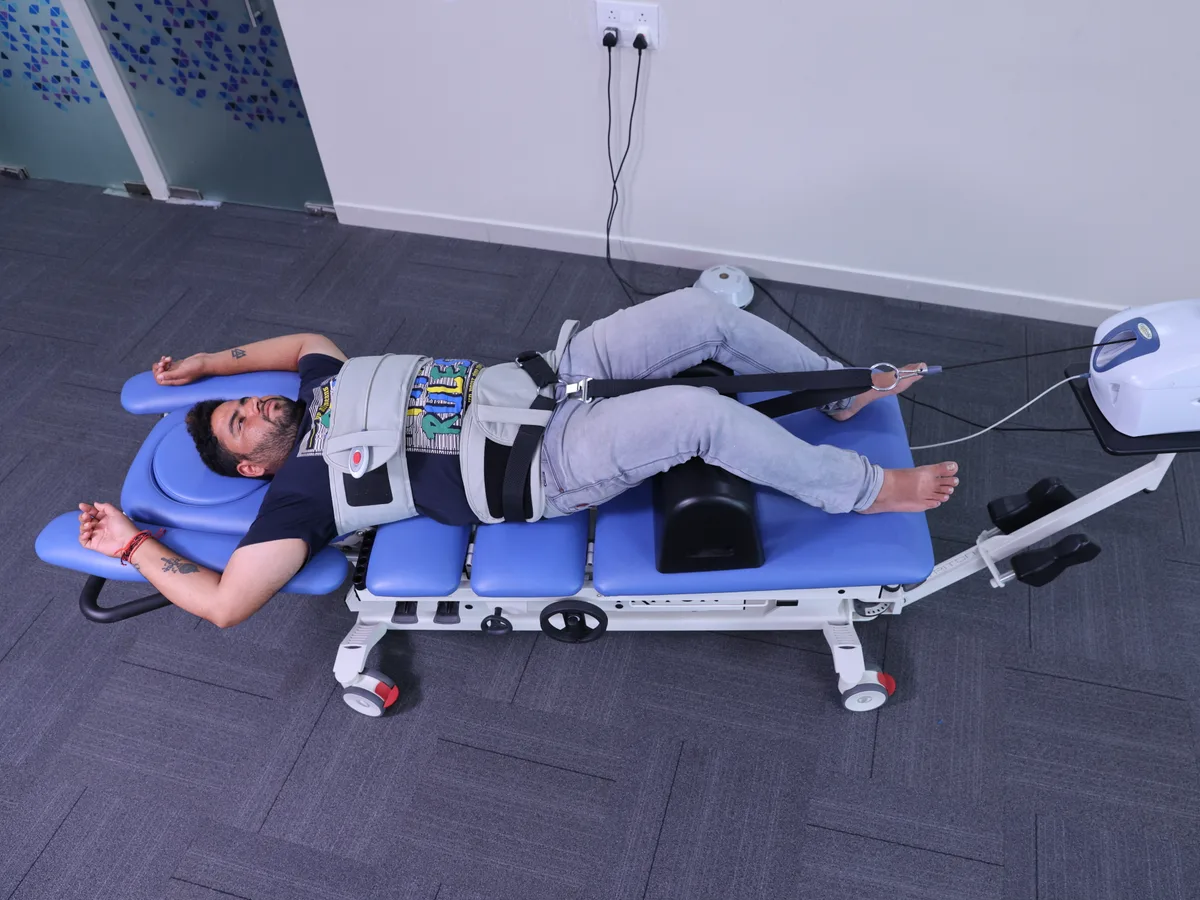
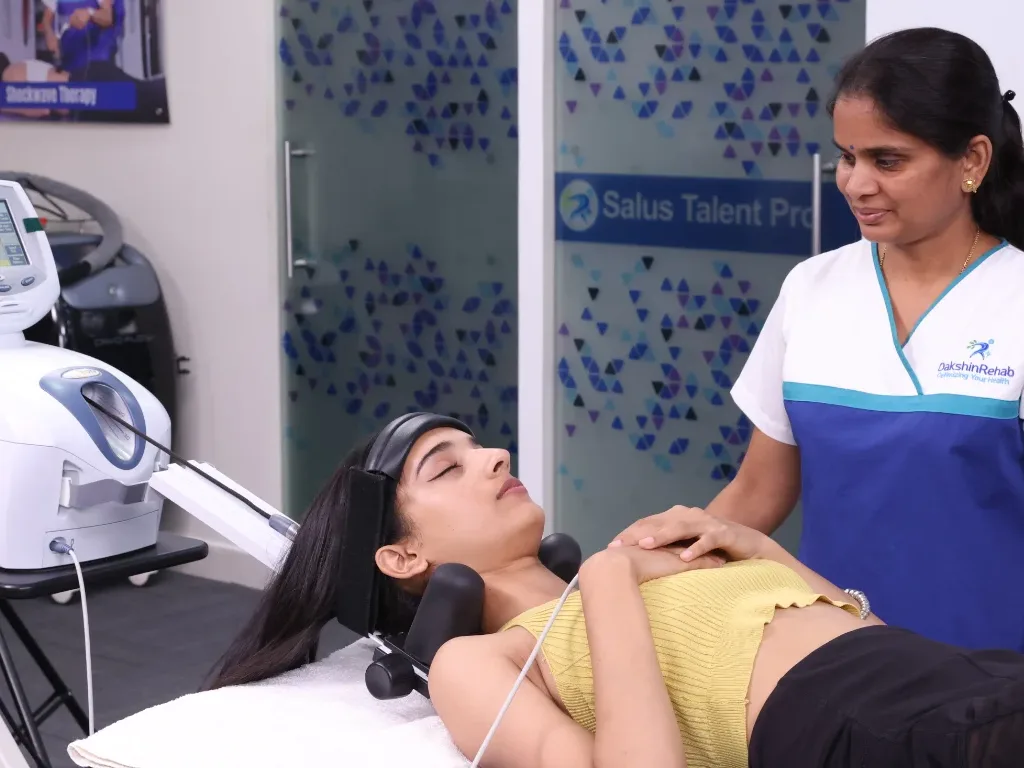
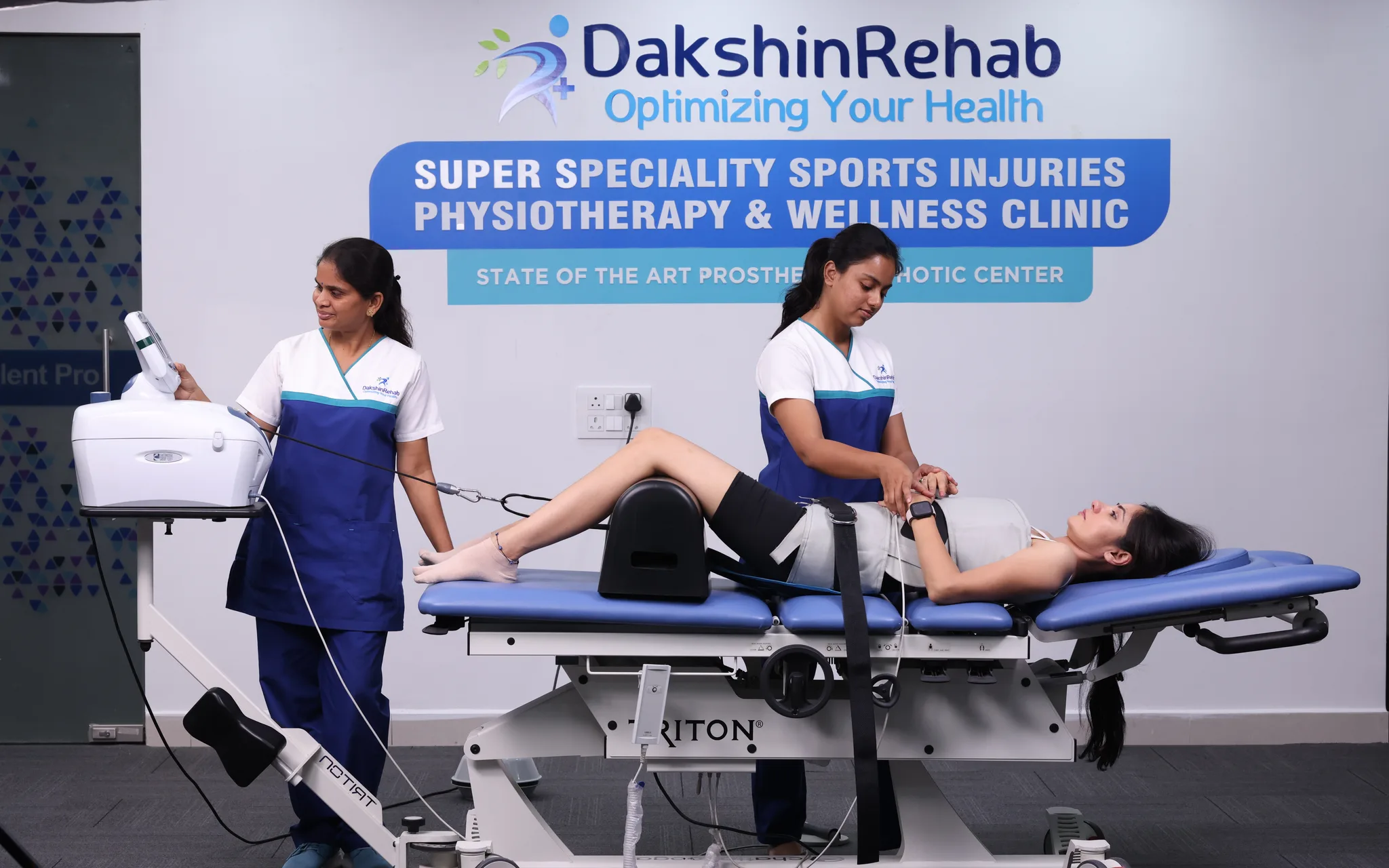
At DakshinRehab in Moosapet — a 5-minute walk from Moosapet Metro, serving Kukatpally, KPHB, Miyapur and Gachibowli — Dr. Swapnagandhi and our spine team treat symptomatic degenerative disc disease through individualised, age-appropriate non-surgical rehabilitation. We combine FDA-cleared spinal decompression to support disc hydration and nutrient diffusion, TECAR therapy, 3-Tesla EMTT, and progressive low-impact core and mobility work. Treatment is paced for the older spine — strong enough to make a difference, gentle enough to be safe. We serve patients across Hyderabad and from the Gulf region.
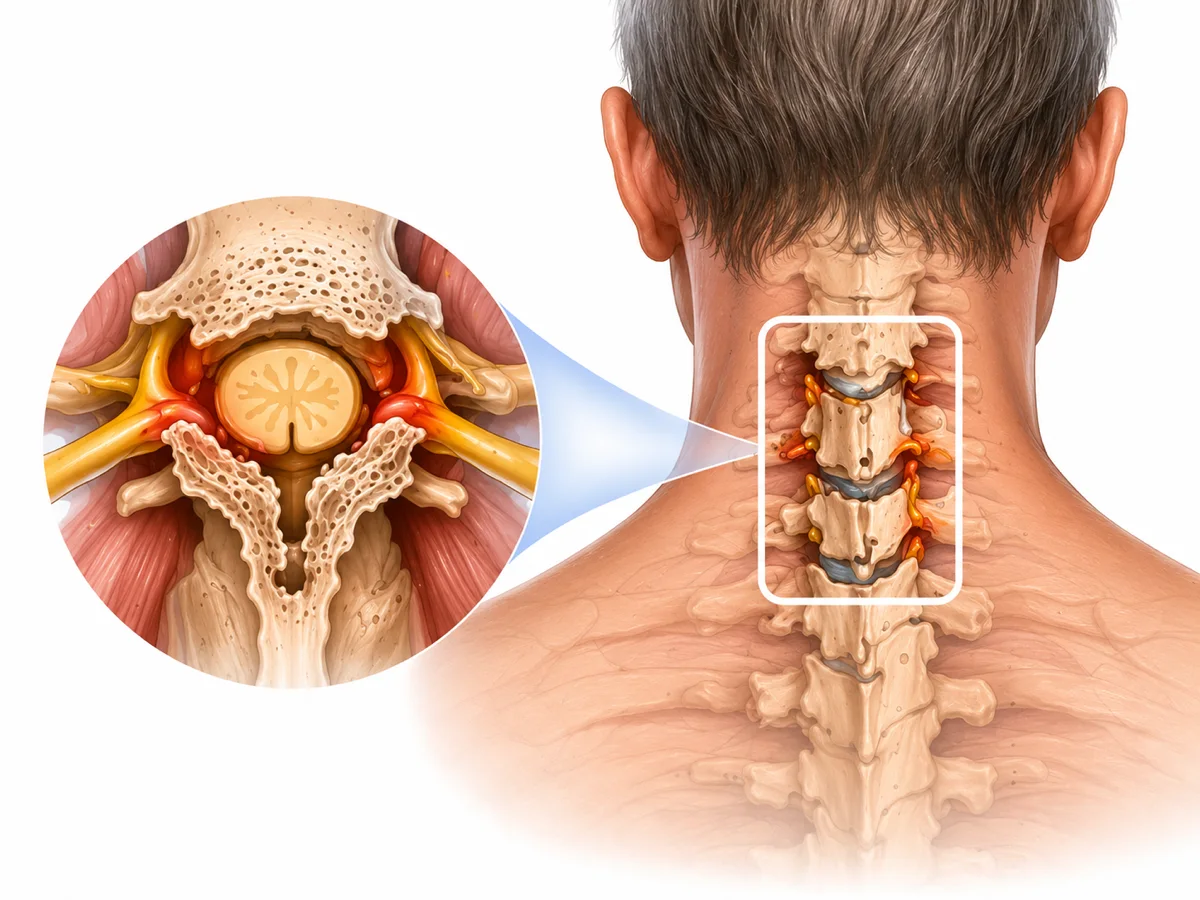
Discs lose water content with age, becoming thinner and less shock-absorbing. This is universal — but only sometimes painful. Spinal decompression supports nutrient and water diffusion into the disc, helping the local environment for healing even when the imaging finding does not "reverse".
Facet Joints — Secondary Load
Facet Joint Overload from Disc Collapse
When discs lose height, the small facet joints behind them take more load and often become inflamed and stiff. This produces sharp, often one-sided pain that worsens with backward bending. Manual therapy combined with TECAR settles the facet pattern.
Modic & Endplate Changes
Modic Endplate Changes
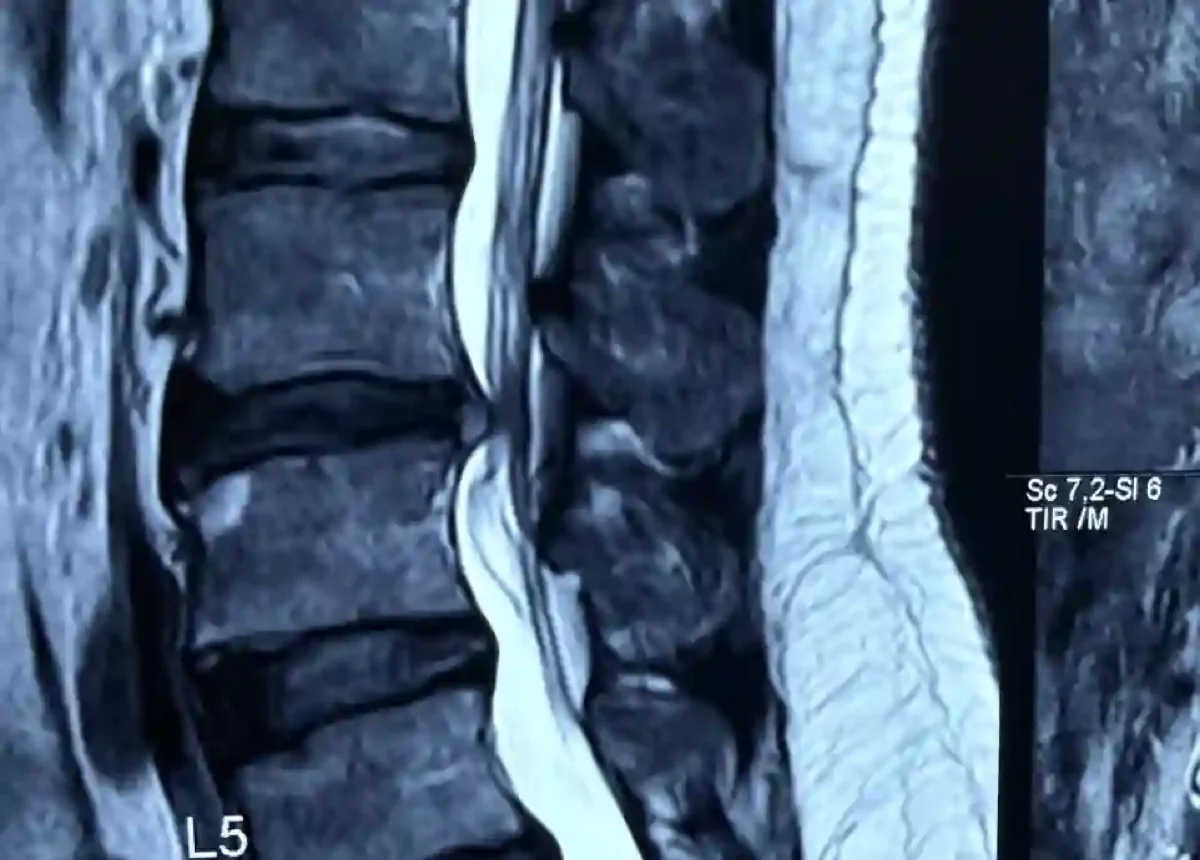
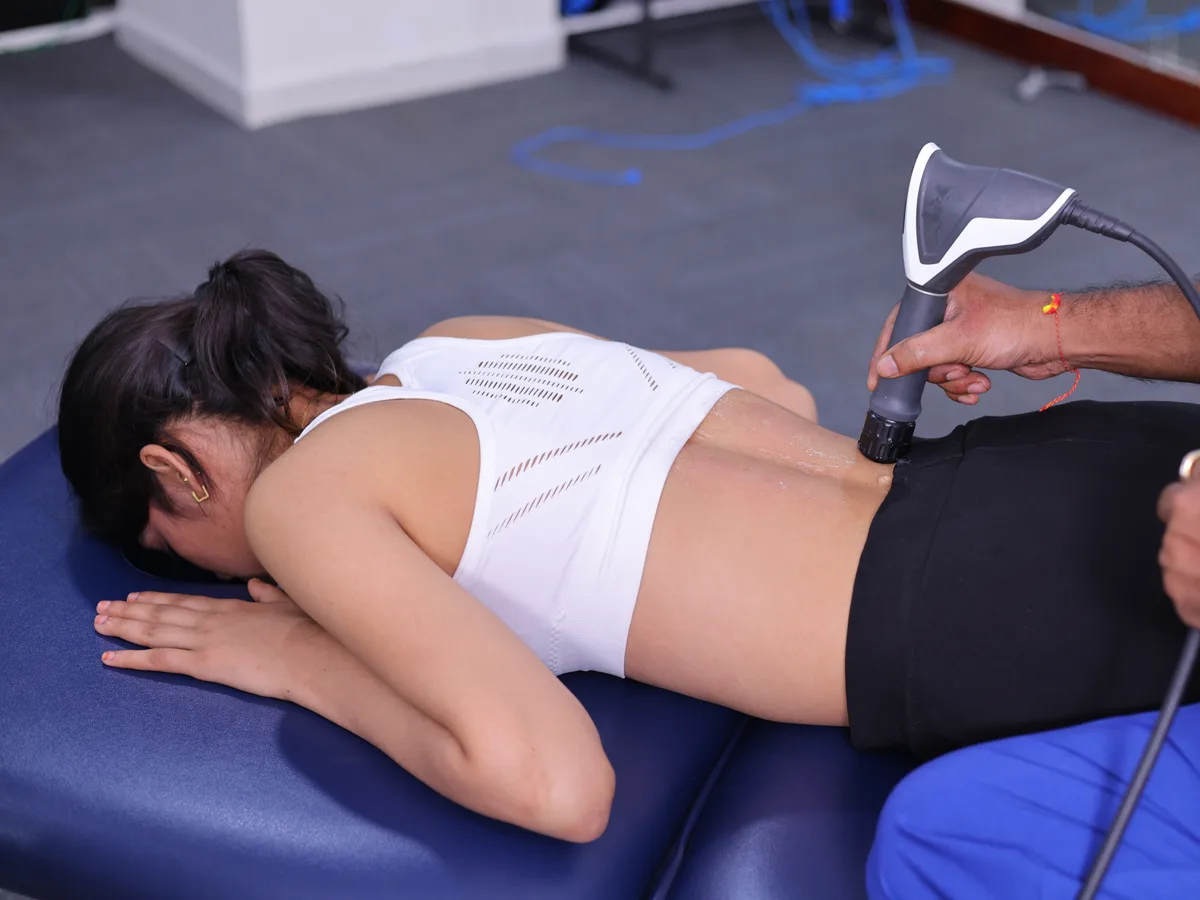
Modic changes on MRI are signal changes in the vertebral endplates next to a degenerated disc. They often explain why some DDD patients have severe pain disproportionate to the visible disc damage. Settling the inflammatory pattern (3-Tesla EMTT, TECAR) is part of the rehab plan.
Degenerative Disc Symptoms
How Degenerative Disc Disease Feels
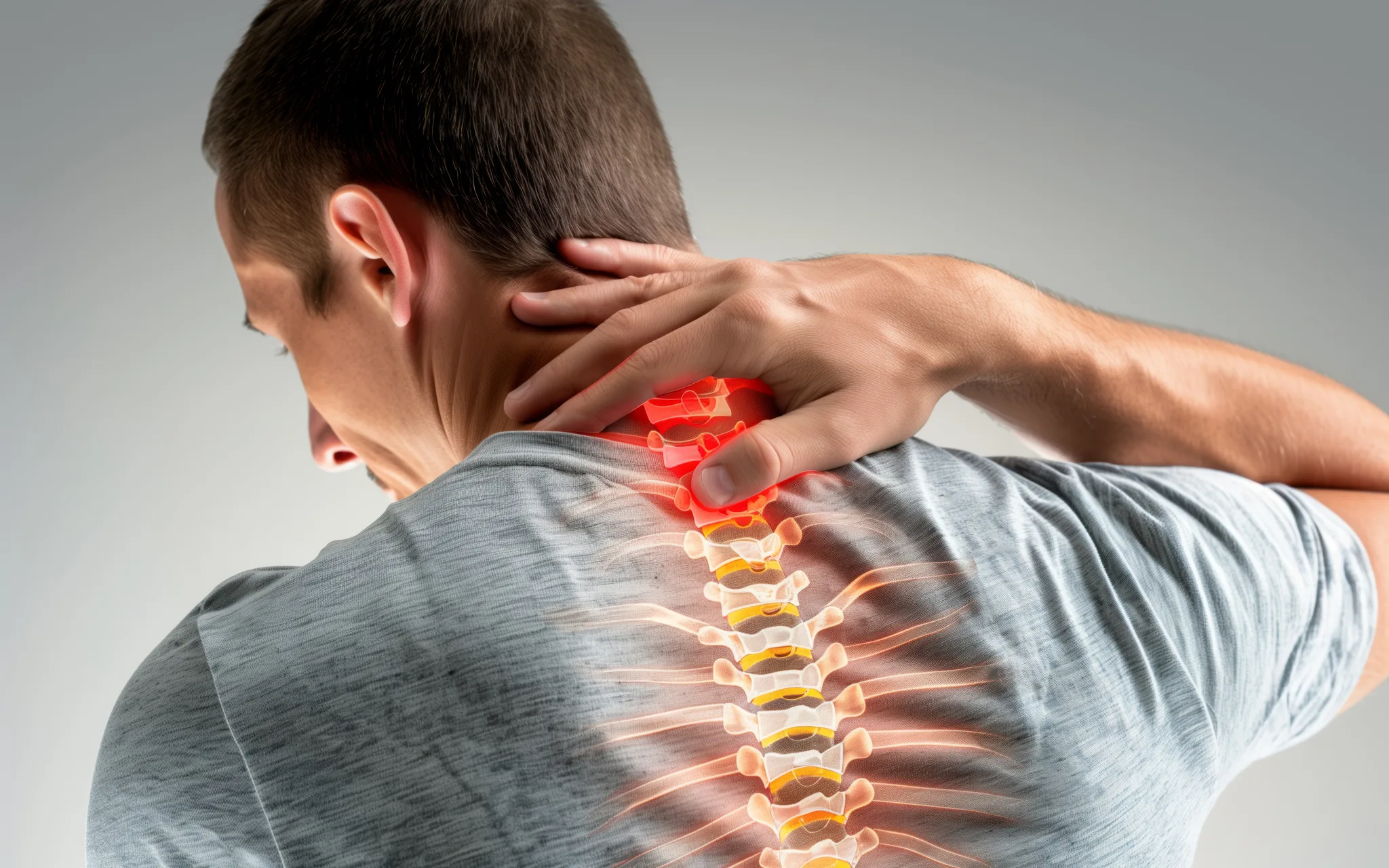
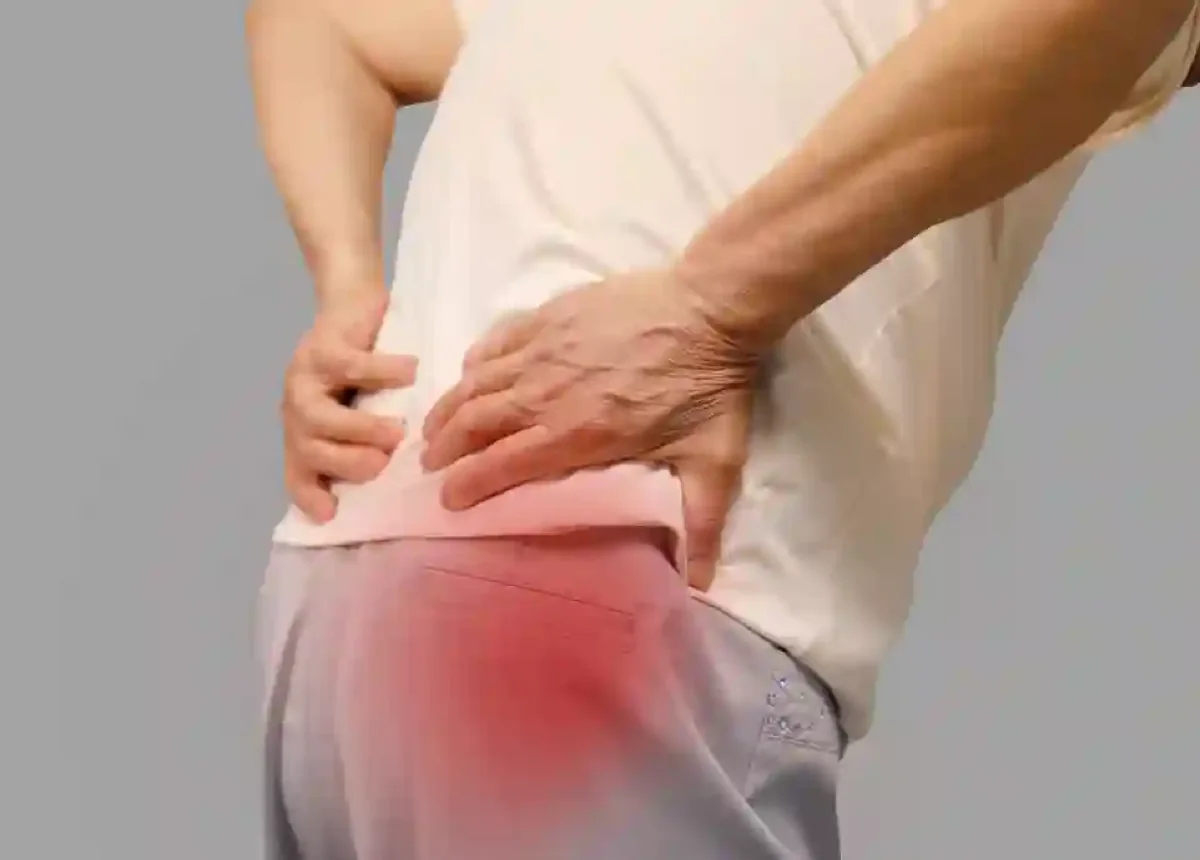
Disc degeneration is a normal part of ageing, and many changes seen on a scan never cause pain. When symptoms do appear, they tend to follow a recognisable, fluctuating pattern. These are the signs DakshinRehab Moosapet patients most often describe — and they are usually very manageable.
A chronic low-grade ache that flares up
A background ache in the back or neck that stays manageable most days, then flares into a sharper episode for a few days or weeks before settling again — the classic "good days and bad days" pattern.
Worse with prolonged sitting or standing
Holding one position for a long time — a long drive, a desk shift, or standing to cook — tends to build the ache, because the affected segment does not tolerate sustained load well.
Eases when you move or change position
Getting up, walking around or shifting position often settles the discomfort. Gentle movement usually helps more than long rest, which is reassuring news for treatment.
Stiffness, especially first thing in the morning
A stiff, reluctant back or neck on waking that loosens as you get going through the morning is a common feature of disc-related change.
Flares triggered by bending, lifting or twisting
A specific movement — bending to lift, twisting to reach — can set off a flare. Learning to load the spine well is a core part of keeping these episodes shorter and less frequent.
Occasional pain into the buttock or leg
Some flares refer pain into the buttock or leg. Persistent or worsening leg symptoms should be assessed, but they are often part of a manageable flare rather than a sign of damage.
When to See a Physiotherapist for Degenerative Disc Disease
A scan showing disc degeneration is not a reason to worry on its own — but if flares are getting in the way of daily life, a plan helps. These are the signs it is worth an assessment at DakshinRehab Moosapet.
Flares are more frequent or lasting longer
If episodes are coming more often, taking longer to settle, or hitting harder than they used to, targeted rehab can help make them shorter and less disruptive.
The ache is limiting daily activity
When back or neck discomfort starts shaping what you will and won't do — work, driving, sleep, exercise — it is time for a structured plan rather than working around it.
A scan looks worse than you feel — and it worries you
MRI reports of "degeneration", "disc height loss" or "modic changes" sound alarming. An assessment puts the scan in context and shows what actually needs addressing.
Morning stiffness is slowing you down
Stiffness that limits how you move first thing, or after sitting, responds well to a tailored mobility and strengthening programme.
The same episodes keep coming back
Recurring flares usually mean the way the spine is loaded during daily tasks has not been addressed — the most effective time to change that is between flares, not only during one.
Rest and medication only help briefly
If pain relief and rest settle a flare but it keeps returning, the underlying strength, mobility and movement habits need attention through physiotherapy.
Direct, clinician-reviewed answers to the questions our older patients with disc degeneration actually ask out loud.
Is degenerative disc disease serious?
Despite its alarming name, degenerative disc disease is not actually a disease — it's a description of normal age-related wear of the spinal discs. It is found on imaging in most adults over 50 and is often painless. It becomes a clinical problem only when it correlates with symptoms or causes secondary issues like nerve compression. At DakshinRehab we treat the symptomatic patient, not the imaging finding.
Can disc degeneration be reversed?
The structural changes of disc degeneration — height loss, dehydration, endplate changes — generally do not reverse. That is the honest answer. What does change, often substantially, is the pain and function. With targeted decompression, manual therapy and age-appropriate core retraining, most symptomatic degenerative spines become considerably more comfortable and functional.
Why does my back hurt if my MRI just shows degeneration?
Pain from degenerative discs often comes from secondary effects rather than the disc itself — facet joints overloaded by disc height loss, inflamed endplates, deconditioned deep stabilisers, and muscle guarding patterns. At DakshinRehab we map all the contributors at your initial assessment rather than treating the imaging in isolation.
I am over 60 — can my spine still benefit from rehabilitation?
Absolutely. Age does not exclude effective rehabilitation — it changes the pace and emphasis. At DakshinRehab we routinely care for patients in their 60s, 70s and beyond. The protocol is age-appropriate: gentler progression, more attention to bone density and balance, modified exercises, longer warm-up.
SPINAL DISC TECHNOLOGY
Advanced Tech for Aging Spines
You cannot stop aging, but you CAN stop the pain associated with it. DakshinRehab uses technologies that mechanically reverse the compressive forces crushing your discs, while drastically improving the metabolic healing rate of the surrounding spinal joints.
Spinal Decompression Therapy
Advanced mechanical traction carefully controlled by computer to specifically target the flattened disc level, creating microscopic space to relieve nerve pressure.
TECAR Therapy
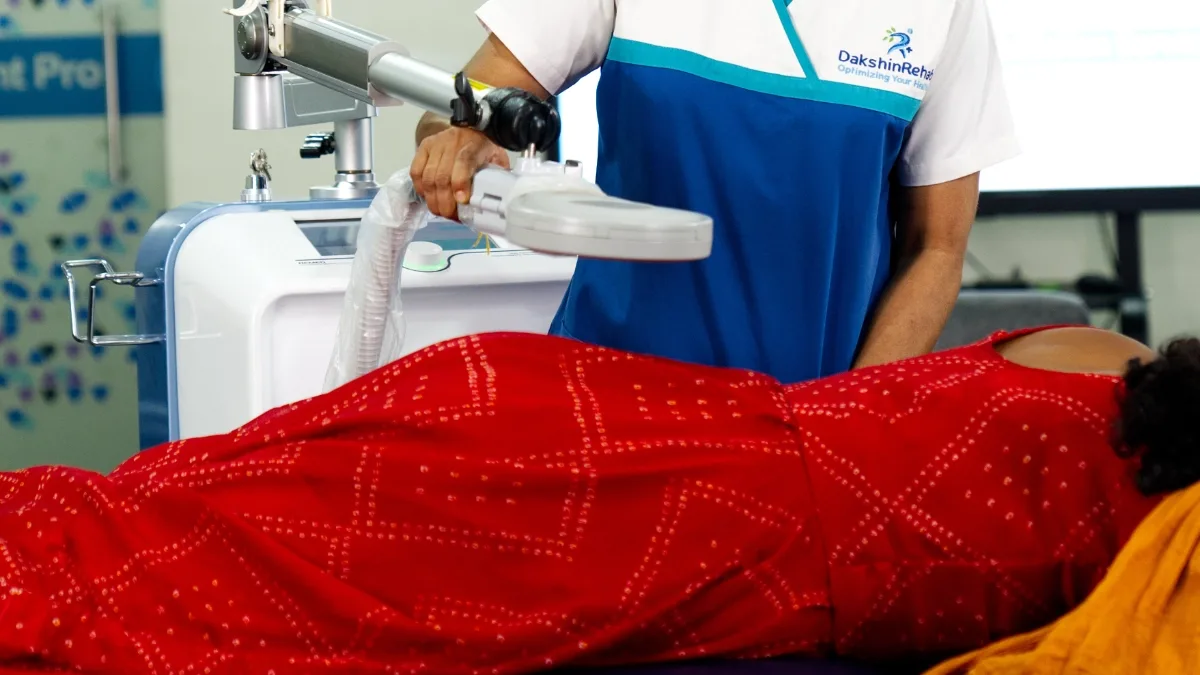
Deep, soothing Radiofrequency heat that penetrates the massively tight "guardian" spasms in the lower back, instantly restoring your ability to bend forward safely.
DakshinRehab clinical pathway
McKenzie Method (MDT)
Specific directional preference exercises customized to your exact MRI presentation to centralize your pain and push bulging disc material away from the nerve root.
Core Stabilization Training
Teaching your brain how to fire the Transversus Abdominis and Multifidus muscles, which act as a permanent, internal back brace to fight gravity.
Clinical comparison
Pills vs. Spinal Loading
Anti-inflammatory pills just mask the joint arthritis. Your discs don't have their own blood supply. The ONLY way they get oxygen and hydration is by acting like a sponge—squeezing out old fluid and sucking in new fluid when you move. We use advanced decompression and specific, safe movement therapies to manually 'pump' your discs back to health.
Insight 1
Joint Mobilization
Precise manual therapy applied by our senior physiotherapists to the facet joints, breaking down the rusty arthritis and instantly restoring spinal glide.
Insight 2
Local & Accessible
Located in Moosapet, Hyderabad — offering ground-level, stair-free access for patients from Kukatpally, KPHB, Miyapur, and Gachibowli.
“Degeneration on an MRI is completely normal after age 40. It's not a death sentence for your back. You hurt because your spine is stiff and weak, not just because the disc is thin.”
Injections vs Surgery vs Physiotherapy - Choosing the Right Path for Spine Pain
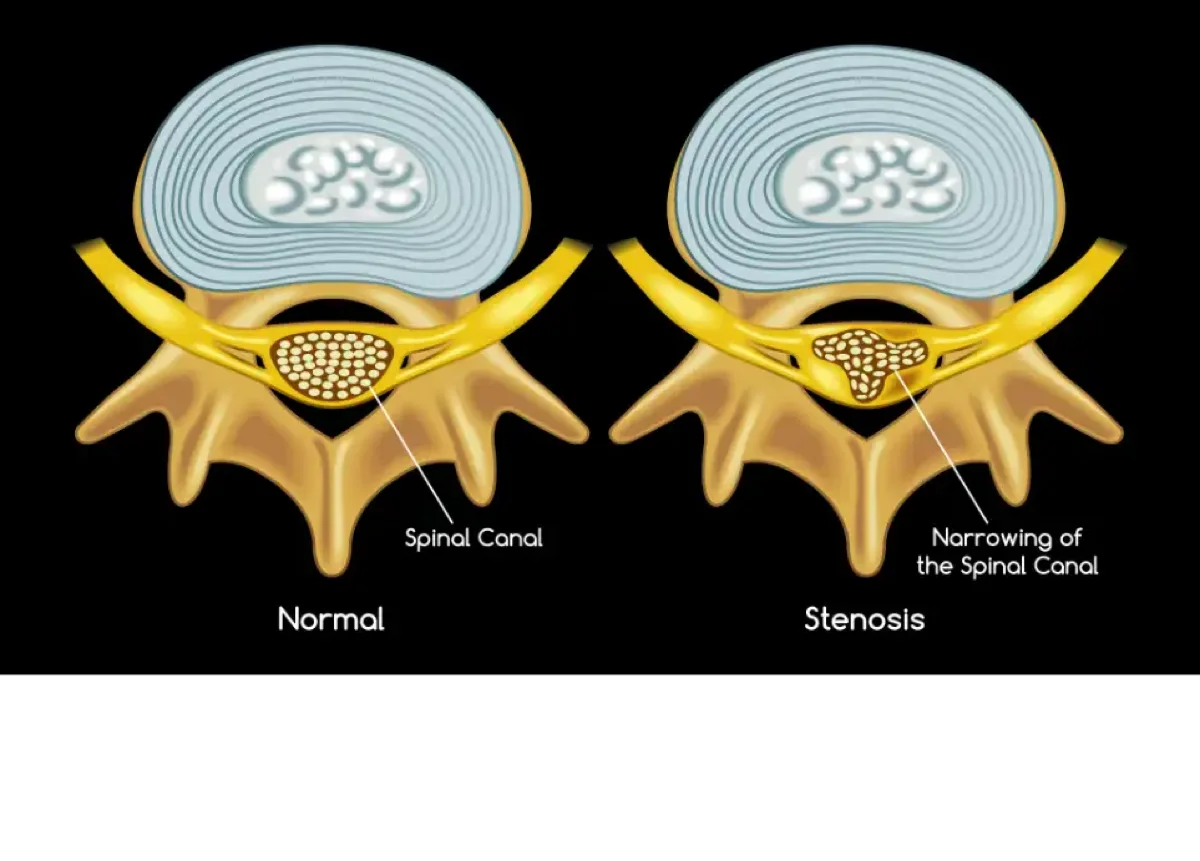
Spine pain can come from disc irritation, nerve compression, stenosis, posture-related overload, or movement sensitivity. Injections and surgery have specific indications, especially when symptoms and imaging match. For most patients, a root-cause physiotherapy assessment helps decide whether decompression, graded movement, strengthening, or medical referral is the safest next step.
“Spine treatment should not be chosen from an MRI alone. It should be chosen from the full picture - symptoms, movement, strength, nerve signs, and daily function.”
Your Degenerative Disc Management Journey at DakshinRehab
Disc degeneration is a normal part of ageing — the goal is not to reverse your MRI, but to build a spine that moves well, hurts less and lets you stay active for the long term.
PHASE 1
Spine & Movement Assessment(Day 1 (60-90 min))
Segment-by-segment mobility testing to find which levels are stiff and which are overworking
MRI review in plain language — what the degeneration actually means for you, and what it doesn't
Posture, walking and daily-activity screening paced for the older spine
Baseline measures of pain pattern, sitting and standing tolerance
A realistic, written management plan — and reassurance about what your scan does and doesn't mean.
Graded core and back strengthening — low-impact, carefully progressed loading
Functional patterns: safe lifting, floor-to-stand, stairs and carrying
Balance and leg-strength work to protect the spine in daily life
Session pacing adjusted to how your spine responds week by week
A stronger, better-supported spine that tolerates real daily demands, not just clinic exercises.
PHASE 5
Your Flare-Up Self-Management Plan(Week 11-12 (1-2 sessions/week))
A written flare-up plan: which exercises to scale back, which positions calm things down
Clear guidance on when a flare is normal — and which warning signs need prompt review
Activity pacing strategies for travel, long sitting and festival or family demands
Independent home routine rehearsed until you can run it without supervision
Flare-ups stop being frightening — you know exactly what to do and when to seek help.
PHASE 6
Long-Term Spine Care(Ongoing (periodic reviews))
A short, sustainable home programme of core and mobility work several times a week
Periodic review visits to re-test strength, mobility and update the plan as you age
Lifestyle guidance — activity, weight management and bone-health referrals where relevant
WhatsApp access for quick triage whenever your back behaves unexpectedly
Degeneration managed, not feared — an active life with a plan you can maintain for years.
When to Get Immediate Help
Watch for Severe Neurological Failure
A "degenerative" disc simply means it is getting older and flatter. But if that old, brittle disc suddenly bursts open completely (a severe herniation), it can strangle the spinal cord. Look out for these surgical emergencies.
Total Loss of Bowel or Bladder Function — The absolute most severe red flag. If you cannot initiate urination or become suddenly incontinent, go to the Emergency Room IMMEDIATELY (Cauda Equina Syndrome).
Saddle Anesthesia — A profound, terrifying numbness anywhere your body would touch a bicycle seat (groin, inner thighs, genitals).
Sudden "Foot Drop" — You physically lose the ability to lift your toes or ankle upward, causing your foot to loudly slap the ground or trip you when walking.
Legs Giving Way Completely — Your knees suddenly buckle without warning because the major motor nerves in your spine have been completely shut down.
Unrelenting Pain Despite Opioids — If you are writhing on the floor in agony and heavy prescription painkillers provide absolutely zero relief.
New High Fever with Severe Back Pain — A sudden, aggressive spike in temperature combined with new, deep back pain could indicate a life-threatening spinal infection, not just disc degneration.
Condition-relevant recovery stories from patients with different ages, jobs, family support and treatment goals — selected for this page while verified Google review imports are prepared.
Morning stiffness no longer decides my whole day
I was frightened by the word degenerative on my scan and had stopped walking outside. The team explained what the MRI meant, then started gentle decompression, heat-based pain control and balance-safe strengthening. I now walk to the temple, cook without repeated chair breaks and know exactly which exercises settle a flare.
Retired school teacherFemaleFamily-supported
VN
Vasanthi Natarajan
Kukatpally · 68 years
Driving the daily commute again after 8 weeks of sciatica
Sharp pain ran from my lower back into my right calf, and I kept stopping during my Miyapur to Madhapur commute. My programme combined MRI review, decompression sessions, nerve-glide work and graded core training. By week eight, I could drive both ways and sit through client calls without the leg pain taking over.
IT project managerMaleCautious, report-led
SC
Sandeep Challa
Miyapur · 42 years
Standing tolerance improved enough for site rounds
I could walk only a few minutes before heaviness spread into both legs. The plan focused on flexion-biased exercise, hip mobility, walking intervals and safe conditioning instead of forcing painful extension. I still respect my limits, but I can complete garage rounds and evening shopping without hunting for a chair every few minutes.
Clear, clinician-reviewed answers to the questions our older patients with disc degeneration in Hyderabad and the Gulf region most often ask.
Is degenerative disc disease serious?
Despite its alarming name, degenerative disc disease is not actually a disease — it's a description of normal age-related wear of the spinal discs. It is found on imaging in most adults over 50 and is often painless. It becomes a clinical problem only when it correlates with symptoms or causes secondary issues like nerve compression. At DakshinRehab we treat the symptomatic patient, not the imaging finding.
Can disc degeneration be reversed?
Why does my back hurt if my MRI just shows degeneration?
What is the best treatment for degenerative disc disease?
I am over 60 — can my spine still benefit from rehabilitation?
Can spinal decompression help degenerative discs?
What activities should I avoid with degenerative disc disease?
Does degenerative disc disease eventually require surgery?
How is DDD different from a herniated disc?
How long does DDD rehabilitation take?
How much does DDD treatment cost at DakshinRehab?
Do you treat older international patients with DDD?