Insurance for rehabilitation in India depends on what you need and where you receive it. At DakshinRehab in Moosapet, Hyderabad, a family planning an artificial limb, a course of post-surgery physiotherapy or a transfer for inpatient rehabilitation may have to check three different benefits. Some patients qualify through a private or employer policy; others have access to a public hospital package or a government device programme. A prescription helps explain why you need care, but does not establish who will pay. This guide shows you where to look, what to ask in writing and what documents to collect. If you are planning a purchase or a non-urgent admission, check the exact service and provider before making a deposit.
What benefit should you look for first?
If you need an artificial limb or an orthotic brace, look for a named external device benefit or a disability-aid programme. If you are going home after each physiotherapy visit, check for outpatient (OPD) cover or a benefit tied to an eligible hospital stay. If you need to stay overnight at a rehabilitation centre, check whether your policy accepts that facility and that admission for active treatment. These services may all appear on one rehabilitation plan, but the payer can assess them separately. Ask the treating team to separate the costs for the device, clinical sessions and room or nursing charges, so you can get a specific answer for each.
How can private insurance help with prosthetics and orthotics?
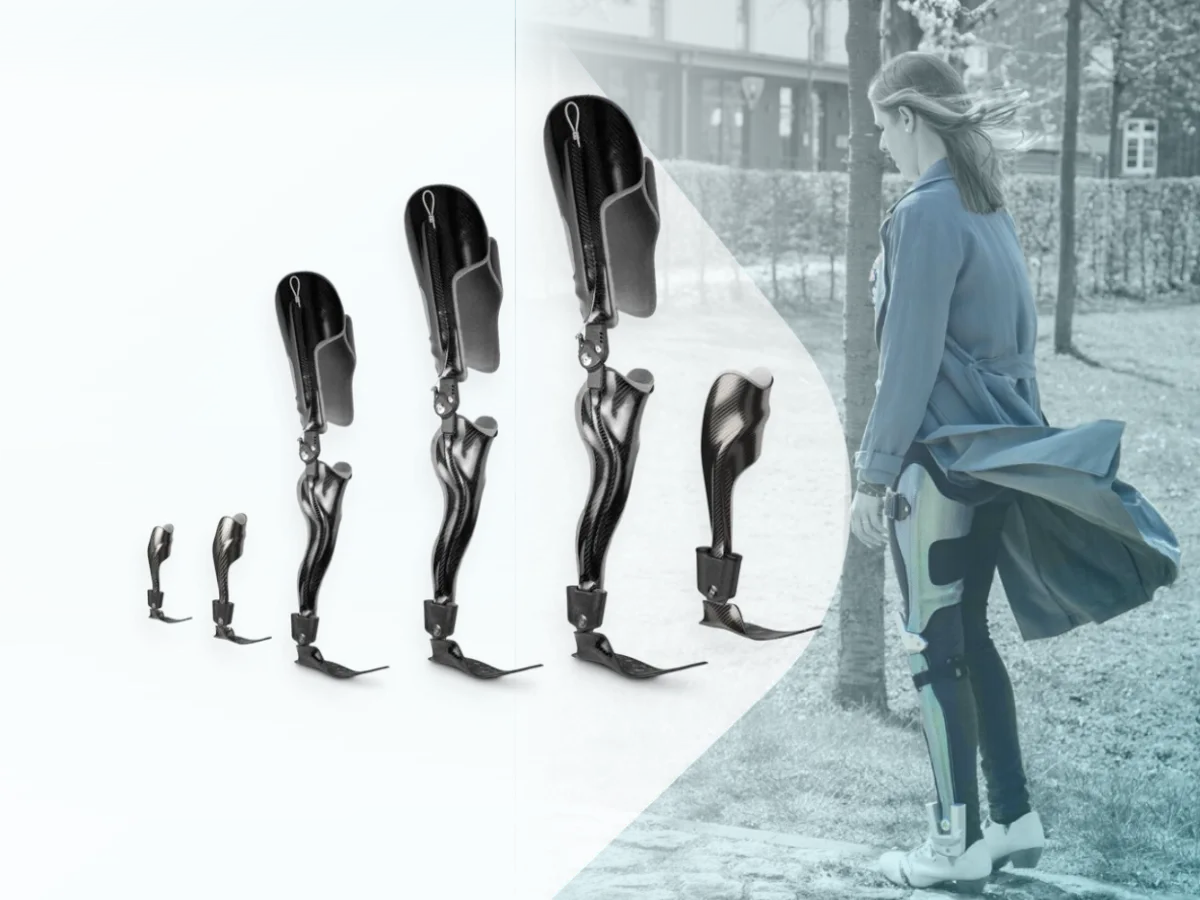
For patients who already have SBI General Health Alpha, section 3.2(f) describes an optional benefit for specified prescribed external prostheses linked to an accepted inpatient claim, subject to the schedule and policy wording. Its listed artificial limbs are not blanket cover for braces. The SBI General Group Mediclaim wording also has an optional prosthetics benefit, with its own requirements and an exclusion for orthotic braces under that benefit. If enrolled through work, ask HR for the member certificate and selected benefits. For any policy, name the exact item: an artificial leg, replacement socket, liner, ankle-foot orthosis (AFO) or knee-ankle-foot orthosis (KAFO). Coverage for one item does not tell you whether another is covered. Our prosthetics and orthotics guide explains the difference.
What should you check for outpatient physiotherapy?
A hospitalisation policy does not automatically pay for sessions at a clinic or at home. One example of a separate benefit is the Care OPD Add-on wording, section 3.2.3, which sets out outpatient physiotherapy when that benefit is selected, prescribed by a medical practitioner and delivered by a qualified physiotherapist, subject to the schedule. Check whether the policy distinguishes clinic and home visits and whether there is a limit per visit, a cap on the number of sessions, a yearly limit or a provider restriction. If your estimate includes movement assessment or gait analysis, ask whether either is part of the session fee or needs separate approval.
When can physiotherapy after hospital discharge be covered?
Check the post-hospitalisation clause for your own plan, not just the word physiotherapy in a brochure. The SBI General Super Health wording, section C.5, is an example: it describes reimbursement for medically necessary physiotherapy prescribed in writing for the same condition as an accepted underlying claim, within the post-discharge period in the schedule. Ask what counts as the starting date, whether the proposed clinic is accepted and whether there is a separate submission deadline. Keep the hospital discharge summary and the written prescription together. A planned course of rehabilitation after surgery can extend beyond the insurance window, so ask which appointments fall outside it.
How should you check a separate inpatient rehab stay?
Before transferring after a stroke, spinal cord injury or surgery, ask the rehab centre for the treating clinician's admission plan, proposed duration, nursing and therapy schedule, and an itemised estimate. Give these to your insurer or third-party administrator (TPA), the organisation that handles claims for some insurers. Ask whether the exact centre qualifies as a hospital under the policy and is eligible for cashless treatment for this admission, whether separate pre-authorisation is needed, and what room, nursing, therapy and day limits apply. A paid acute hospital bill does not approve a later stay. If the wording excludes custodial, respite or rest care, ask how it treats the active rehabilitation proposed for you. Read what an inpatient neurorehab stay involves before comparing estimates.
Who can check Ayushman Bharat PM-JAY?
Start with the PM-JAY beneficiary portal or an Ayushman Mitra help desk at an empanelled hospital. PM-JAY uses defined packages for eligible hospital treatment. The National Health Authority's exclusion guidance lists standalone outpatient care as excluded. Ask the help desk whether the current package covers therapy during admission, a named follow-up visit or any device, and where it must be provided. Even if the hospital is empanelled, check whether it is authorised for the relevant package. Do not assume that the card pays for weekly visits at a private physiotherapy clinic, a privately bought brace, or a separate inpatient rehab transfer.
What can patients in Telangana check?
If you have Rajiv Aarogyasri eligibility, ask the Aarogyamithra at a network hospital or call 104. The Aarogyasri Trust's patient guide explains network hospitals, pre-authorisation and follow-up packages. The official scheme page lists artificial limbs among its categories. Have your health card details and discharge summary ready when speaking to the official help desk. Ask for the current package name and whether your exact service, provider and follow-up are included. For an artificial limb or caliper, separately check Telangana Vikalangula Co-operative Corporation device eligibility. Device support has its own criteria; ask about current availability and where to get assessed before placing a private order.
How do you apply for government device assistance?
The Department of Empowerment of Persons with Disabilities' ADIP programme supplies eligible assistive devices through implementing agencies. Start at the official ARJUN portal and check its approved device list and guidance for the prescribed artificial limb or orthosis. Ask the agency which disability, income and identity documents it currently needs and where to attend assessment and fitting. The government UDID guide explains the disability certificate and Unique Disability ID process. A UDID card alone does not guarantee funding. Device supply through an approved agency is a different route from claiming back the cost of a private purchase. Before buying, ask what model and fitting services the agency can supply.
Who can check employment-linked public care?
If you are insured through the Employees' State Insurance scheme, ask your ESIC dispensary or hospital whether a referral is needed and where you can receive physiotherapy or rehabilitation. The government announcement for ESIC Sanathnagar lists Physical Medicine and Rehabilitation among the services at its new outpatient block. Call the official facility for the current appointment process; the announcement does not establish payment for visits booked at a private clinic. If you are covered under another employment or service scheme, check its own referral, provider and permission rules rather than applying the rules of PM-JAY or an employer's private policy to it.
Where can children and adults with disabilities look for ongoing therapy?
Families of children with selected conditions can ask their local government health facility about the RBSK district early intervention pathway. District Disability Rehabilitation Centres can also offer need-based physiotherapy, device fitting and referrals, depending on local services. If you are enrolled in the National Trust’s Niramaya scheme for eligible disabilities, it has separate reimbursement limits for prescribed ongoing therapy and hospitalisation. Ask the scheme which therapy category and documents apply. A public referral or centre-based service does not mean you can claim the cost of an independently booked private session.
How do you get a useful written answer before spending?
Give the insurer, TPA or scheme help desk the exact device or treatment, provider name and location, planned dates and itemised estimate. Ask: Which clause or package applies? Is a referral or prior approval required? Is this cashless or will I pay first and claim reimbursement? What is the approved amount, and what will I pay myself? Are there waiting periods, exclusions or charges for longer stays, extra sessions, fittings or replacements? Which documents and filing deadline apply? Ask for a reference number and keep the reply. If the answer is simply that physiotherapy or appliances are covered, ask them to confirm the line items in your particular estimate. If a private claim is declined, ask for the reason and policy clause in writing. If the insurer’s grievance process does not resolve it, check IRDAI’s Bima Bharosa grievance portal.
What paperwork can DakshinRehab provide?
We can prepare an itemised bill and available supporting documents in line with the insurer's requirements for services you receive here. Ask what our team can provide before paying. Useful documents to keep include the prescription or referral, discharge summary if relevant, device specification or session plan, itemised estimate, final invoice, receipts and any approval reference. A report may describe the care your clinician has recommended, including, when relevant, a stroke orthotics assessment, but it cannot confer a benefit. Use the payer's official submission channel for personal records. Cashless access, eligibility and the final payable amount must be confirmed with the insurer or scheme.
Red flags: Sudden face drooping, arm weakness or speech difficulty can be signs of stroke. Seek emergency medical help immediately rather than waiting for a coverage check. See the WHO stroke warning signs. The Government of India's emergency response service lists 112 as the unified emergency number. For planned care, sort out pre-authorisation in advance where required, but if the hospital is dealing with an emergency, ask their team to guide you through any notice and paperwork once it is safe to do so.
Conclusion
Start with the exact device, visit or admission you need. Check the applicable benefit and which provider can deliver it, then get the answer in writing before committing to a cost. If you are comparing care for a prosthetic limb or an orthotic brace in Moosapet, Kukatpally, KPHB or elsewhere in Hyderabad, we can help you understand the proposed services and charges. Patients travelling from the Gulf should confirm separately whether their own insurer recognises treatment in India. Book your assessment, WhatsApp us on +91 80192 99888, or call +91 80192 99888. A clear estimate and a written coverage answer are worth having before you commit.